The GM 6L80: A Modern Classic with a Costly Secret
If you drive a GM vehicle built between 2006 and 2019—ranging from a Silverado 1500 or Tahoe to a Corvette C6 or Camaro SS—you are likely relying on the 6L80 transmission. Often referred to by tuners and enthusiasts as the 6L80E (with the 'E' denoting its electronic control strategy), this six-speed automatic was a massive leap forward for General Motors. It introduced advanced features like Performance Algorithm Shifting (PAS) and a robust gearset capable of handling serious V8 torque.
However, as these vehicles age well past the 150,000-mile mark in 2026, wear and tear inevitably catch up. When the dreaded 'Service Transmission' message illuminates your dashboard or the transmission slips between gears, you are faced with a major financial decision. Understanding the auto transmission rebuild cost for the 6L80 is critical before you hand over your keys or order parts online. This beginner-friendly explainer will demystify the pricing, the common failure points, and what a proper rebuild actually entails.
Why Did Your 6L80 Fail? Common Culprits
Before discussing costs, you need to understand why these units fail. The 6L80 is generally a stout transmission, but it has a few well-documented Achilles' heels that any rebuilder must address:
- The 3-5-R Clutch Wave Plate: In early 6L80 models (2006-2012), the stamped steel wave plate in the 3-5-R clutch assembly is notorious for fatiguing. Under heavy towing or aggressive driving, it can fracture, sending metallic shrapnel directly into the valve body and solenoids.
- TEHCM Solder Cracks: The Transmission Electro-Hydraulic Control Module (TEHCM) lives inside the transmission pan. Constant exposure to hot fluid and chassis vibration can cause the internal solder joints on the circuit board to crack, leading to intermittent sensor failures and harsh shifts.
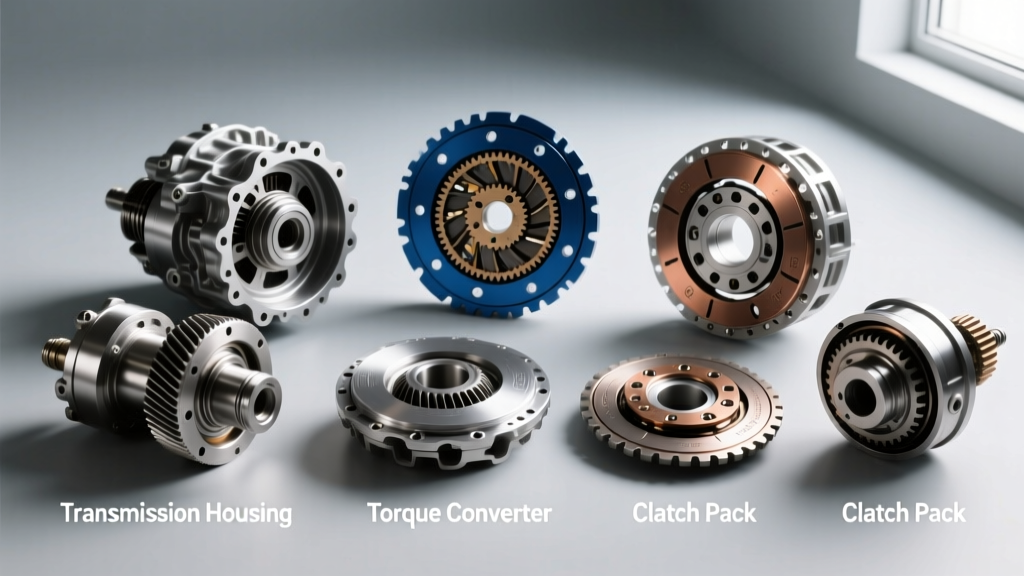
- Torque Converter Clutch (TCC) Wear: The 6L80 uses an aggressive torque converter clutch apply strategy for fuel economy. Over time, the friction material wears off, contaminating the entire hydraulic system with dark, abrasive debris.
Expert Insight: If you drop your transmission pan and find 'glitter' or chunky metal shavings, your 3-5-R wave plate has likely disintegrated. At this stage, a simple fluid change will not save the unit; a full teardown and rebuild are mandatory to prevent catastrophic planetary gear failure.
Breaking Down the Auto Transmission Rebuild Cost
When budgeting for a 6L80 rebuild, you must account for both the hard parts (clutches, seals, converter) and the electronic modules. Below is a realistic cost breakdown for a professional rebuild in 2026.
| Component / Service | Estimated Price Range | Beginner Notes & Requirements |
|---|---|---|
| Master Rebuild Kit | $350 - $550 | Includes all friction clutches, steel plates, rubber seals, and the internal filter. Brands like TransTec or Precision International are standard. |
| TEHCM Assembly | $450 - $850 | The 'brain' of the 6L80. Reusing a high-mileage TEHCM is a massive risk. New or remanufactured units require VIN programming. |
| Remanufactured Torque Converter | $250 - $400 | Never reuse a failed 6L80 torque converter. Internal debris will destroy your new rebuild within 100 miles. |
| Sonnax Zip Kit / Valve Body Upgrades | $150 - $250 | Highly recommended to fix inherent pressure leaks in the valve body casting. Visit Sonnax Technical Resources for specific 6L80 kits. |
| Dexron VI Fluid (12-13 Qts) | $110 - $140 | Strictly use GM Dexron VI. Older Dexron III will cause immediate clutch slip and void any warranty. |
| Professional Labor (R&R and Rebuild) | $1,200 - $2,200 | Based on 10-14 hours of labor at $120-$160/hr. Includes removal, teardown, cleaning, assembly, and installation. |
| Total Estimated Cost | $2,510 - $4,390 | Prices vary by region, shop overhead, and whether the TEHCM needs full replacement. |
The TEHCM Hurdle: Why DIY Rebuilds Are Tricky
Many weekend mechanics successfully rebuild older hydraulic transmissions like the TH350 or even the 4L60E in their home garages. The 6L80, however, throws a massive wrench into the DIY plan: The TEHCM.
The TEHCM combines the Transmission Control Module (TCM), the valve body solenoids, and the output speed sensors into one sealed unit. If you replace it—which is highly recommended during a rebuild to ensure longevity—the new module arrives completely 'blank' from the factory. It does not know your vehicle's VIN, tire size, or axle ratio.
To make the transmission shift correctly, the TEHCM must be flashed and calibrated using a GM GDS2 (Global Diagnostic System) tool or a high-end aftermarket J2534 pass-through device with an active subscription to GM's Techline Connect. If you do not own this software and hardware (which can cost hundreds of dollars annually), you will need to tow the vehicle to a dealership or a specialized transmission shop just to program the module after your DIY rebuild is complete. Factor this programming fee ($150-$250) into your DIY budget.
Essential Torque Specs & Fluid Data for the 6L80
Whether you are attempting the rebuild yourself or simply want to verify that your hired mechanic knows what they are doing, adhering to exact specifications is non-negotiable. The 6L80 features an aluminum case and precision-machined hydraulic circuits that will not tolerate guesswork.
Critical Fastener Torques
- Transmission Pan Bolts: 106 lb-in (inch-pounds). WARNING: This is the most common beginner mistake. These are small M6 bolts. If you accidentally use a foot-pound setting of 106 lb-ft, you will instantly snap the bolts and potentially crack the aluminum transmission case, turning a $3,000 repair into a $6,000 disaster.
- Bellhousing to Engine Block: 37 lb-ft (M12 bolts).
- Torque Converter to Flexplate: 35 lb-ft. Always use new bolts and apply a medium-strength thread locker (like Loctite Blue).
- TEHCM to Valve Body: 89 lb-in (inch-pounds). Over-tightening will warp the delicate valve body casting.
Fluid Capacity and Type
The 6L80 requires Dexron VI automatic transmission fluid. Do not use 'universal' fluids or older Dexron III formulations; the friction modifiers in Dexron VI are specifically engineered for the 6L80's clutch materials. According to ACDelco Genuine Parts guidelines, the total dry fill capacity (including the torque converter) is approximately 11.2 to 13.0 quarts depending on the exact converter size. Always check the fluid level using the dipstick or the transmission fluid temperature check procedure via an OBD2 scanner when the fluid is between 86°F and 122°F.
How to Vet a Professional Rebuilder
If you decide that the auto transmission rebuild cost and complexity are best left to the professionals, you still need to protect your investment. Not all shops rebuild the 6L80 correctly. When interviewing local transmission shops, ask these three specific questions:
- 'Do you replace or reuse the TEHCM?' A reputable shop will either install a new OEM TEHCM or a high-quality remanufactured unit with an updated circuit board to prevent future solder cracks. If they say they just 'clean it and put it back in,' walk away.
- 'Do you use a Zip Kit or reamer for the valve body?' As noted by experts at Transmission Digest, the aluminum valve body bores in the 6L80 can wear out, causing cross-leaks and harsh shifts. A quality rebuilder will use a Sonnax Zip Kit or machine the bores to install sleeved valves.
- 'How do you handle the VIN programming and relearn?' Ensure the shop has in-house J2534 programming capabilities and performs the mandatory 'Fast Adapt' and shift calibration drives before returning the vehicle to you.
Final Verdict: Rebuild vs. Remanufactured
When weighing the auto transmission rebuild cost against simply buying a remanufactured unit, time is your biggest factor. A custom, in-house rebuild allows a skilled technician to address specific wear patterns and upgrade weak points (like the 3-5-R wave plate) using aftermarket solutions. However, it requires the vehicle to sit in the shop for 5 to 10 days. Conversely, dropping in a remanufactured 6L80 from a supplier like Jasper or Certified Transmission can get you back on the road in 48 hours, though it may cost slightly more upfront and still requires the TEHCM programming step.
Ultimately, the 6L80 is a highly serviceable and robust transmission when rebuilt with precision, fresh electronics, and strict adherence to torque and fluid specifications. Arm yourself with this knowledge, and you will avoid the costly pitfalls that catch so many GM owners off guard.