Understanding PWM Lockup Operation in the 4L60E
The GM 4L60E (RPO M30) transmission revolutionized drivetrain efficiency by utilizing a Pulse Width Modulated (PWM) Torque Converter Clutch (TCC) solenoid. Unlike older binary on/off lockup systems that caused harsh engagement bumps, the 4L60E's PWM solenoid modulates hydraulic pressure at roughly 300 Hz. This allows the Powertrain Control Module (PCM) to gradually apply the TCC friction liner against the converter cover, creating a seamless mechanical lockup between the engine and transmission input shaft.
When the TCC applies, it eliminates hydraulic slip inside the torque converter, dropping engine RPM by 200-400, reducing transmission fluid temperatures, and improving fuel economy. However, because the lockup mechanism relies on a delicate balance of electrical modulation, hydraulic valve body integrity, and physical hardware stability, diagnosing TCC faults requires a methodical approach. Misdiagnosis is rampant, especially when mechanical harmonics are confused with hydraulic slip.
Core Symptoms of TCC Lockup Degradation
Before tearing into the valve body or dropping the transmission pan, it is critical to categorize the exact symptom the vehicle is exhibiting. TCC degradation typically presents in three distinct ways:
- TCC Shudder (The 'Rumble Strip' Effect): Occurring typically between 45-55 MPH under light throttle, the vehicle vibrates violently. This indicates the friction liner is failing to maintain static lockup, rapidly slipping and grabbing hundreds of times per second.
- RPM Flaring (Slipping): The PCM commands lockup, but the engine RPM remains high or flares. This points to a hydraulic pressure leak, often caused by a worn TCC apply valve bore in the aluminum valve body.
- Engine Stalling at Idle (Stuck On): If the TCC valve is stuck in the apply position, the mechanical link between the engine and wheels remains locked when the vehicle stops, choking the engine. This usually triggers a P0742 code.
The Diagnostic Blind Spot: 4L60 Torque Converter Bolts
When a customer complains of a rhythmic shudder at highway speeds, 90% of technicians immediately suspect a failing torque converter clutch or degraded transmission fluid. However, a frequently overlooked culprit in the 4L60E platform is the condition of the 4L60 torque converter bolts securing the converter pad to the engine flexplate.
The 4L60E torque converter is secured to the flexplate by three (or sometimes four, depending on the specific aftermarket flexplate) Grade 8 or OEM equivalent bolts. If these fasteners are not torqued to specification, or if the threadlocker fails due to extreme heat cycling, the torque converter begins to wobble microscopically on the flexplate. This creates a severe harmonic resonance that travels directly through the bellhousing and into the chassis.
'We see it constantly in the shop. A customer brings in a Silverado with a 'TCC shudder' at 50 MPH. We hook up the scan tool, command the TCC slip to zero, and the vibration persists. Nine times out of ten, pulling the lower inspection cover reveals scored 4L60 torque converter bolts and an elongated flexplate hole. The vibration isn't the clutch lining slipping; it is the physical wobble of a loose converter.'
— Lead Drivetrain Technician, AutoGear Nexus Archives
Furthermore, if a torque converter bolt backs out, it can physically score the aluminum transmission pump housing or damage the pump drive hub. This compromises the front seal and drops mainline pressure. Without adequate mainline pressure, the TCC apply valve cannot generate the clamping force required for lockup, resulting in a legitimate P0741 (TCC Stuck Off / Slipping) code that traces its root cause back to a $3 hardware failure.
Fastener and Component Diagnostic Specifications
Proper diagnosis requires verifying hardware integrity and electrical baselines. Use the following data table when troubleshooting 4L60E lockup complaints.
| Component / Hardware | Specification / Part Data | Diagnostic Notes |
|---|---|---|
| 4L60 Torque Converter Bolts (OEM) | GM Part # 14097267 (M10x1.5) | Must be replaced if removed. Torque to 46 Nm (34 lb-ft) with Blue Loctite 242. |
| Aftermarket Upgraded Bolts | ARP Part # 200-2802 | High-strength chromoly. Torque to 45 lb-ft with ARP Ultra-Torque lube. |
| TCC PWM Solenoid Resistance | 10 to 15 Ohms (at 68°F) | Test at the 16-way case connector (Pin U). Out of range indicates a burnt coil. |
| TCC Apply Valve Bore (Valve Body) | Sonnax 77754-04K Repair Kit | Steel valve wears the aluminum bore. Causes TCC slip and RPM flares. |
| Required Fluid Standard | ACDelco Dexron VI (10-9243) | Higher shear stability required for PWM TCC modulation. |
Step-by-Step Troubleshooting Workflow
To isolate whether the shudder is electrical, hydraulic, or mechanical (bolt-related), follow this sequential diagnostic path:
Step 1: The Scan Tool Slip Test
Connect a bi-directional scan tool and monitor the TCC Slip Speed PID while driving at 55 MPH in 4th gear. Command the TCC solenoid to 0% duty cycle (full lockup). If the PCM commands 0% slip, but the actual slip PID reads 150+ RPM, you have a hydraulic or mechanical failure inside the converter. If the slip PID reads 0 RPM but the vehicle is still vibrating, the TCC is locked, and the vibration is mechanical (e.g., failing 4L60 torque converter bolts, bad U-joints, or tire imbalance).
Step 2: Electrical Circuit Verification
If the scanner cannot command the TCC, test the wiring. With the ignition off, probe Pin U on the transmission case connector. You should read between 10 and 15 ohms. A reading of infinite resistance means the internal PWM solenoid wire is broken or the coil is burnt out, requiring a pan drop and solenoid replacement.
Step 3: Valve Body Bore Inspection
If the solenoid tests perfectly but the transmission flares during lockup, the hydraulic circuit is bleeding pressure. According to Sonnax engineering data, the continuous oscillation of the steel TCC control valve inside the aluminum valve body bore creates an oval-shaped wear path. This allows apply fluid to bypass the valve and exhaust, starving the torque converter clutch. Installing a Sonnax oversized TCC PWM valve kit restores hydraulic integrity without replacing the entire valve body.
Step 4: Physical Hardware Inspection
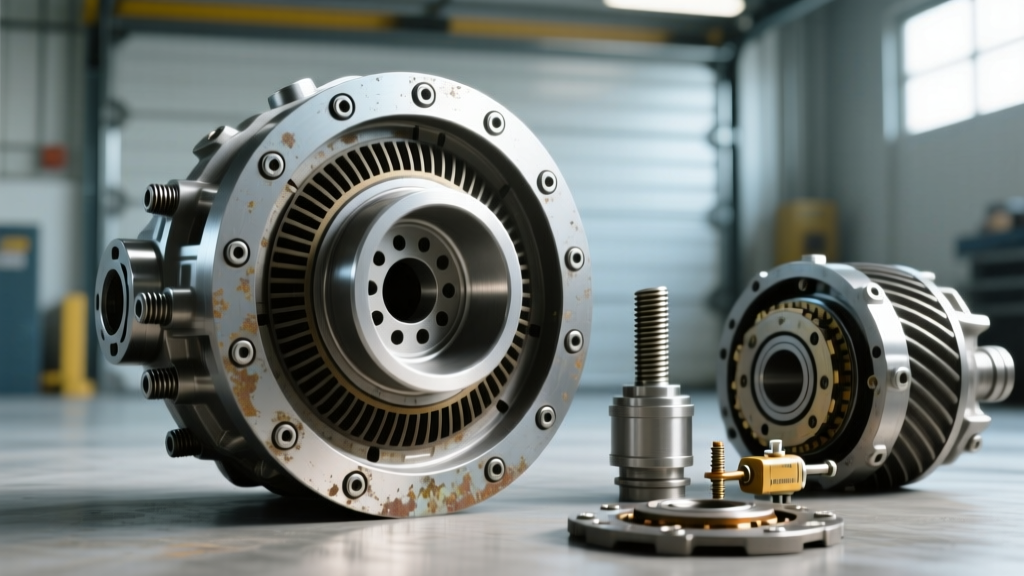
If electrical and hydraulic tests pass, but a rhythmic knock or shudder remains, jack up the vehicle and remove the lower bellhousing inspection cover. Use a pry bar to gently rotate the flexplate. Inspect the 4L60 torque converter bolts for rust streaks (a sign of movement and loosening), check the flexplate holes for elongation, and verify the torque converter pads are not cracked. If the bolts are loose, the flexplate is likely compromised and must be replaced alongside new fasteners.
Repair Economics and Fluid Selection
The cost to repair a TCC lockup issue varies wildly based on the root cause. A failing PWM solenoid or a worn valve body bore can be addressed by dropping the transmission pan, removing the valve body, and performing the repair on the bench. Expect to pay between $350 and $600 for parts (solenoid, valve kit, filter, and ACDelco Dexron VI fluid) and labor for a pan-drop service.
However, if the torque converter friction lining is completely degraded (indicated by heavy, glittery metallic debris in the pan), or if loose 4L60 torque converter bolts have destroyed the transmission pump drive hub, the transmission must be removed from the vehicle. A full R&R (Remove and Replace) with a remanufactured torque converter, new flexplate, and ARP fasteners typically ranges from $1,800 to $2,600 in a modern 2026 shop environment.
Always remember: never reuse OEM torque converter-to-flexplate bolts. They are torque-to-yield or heavily stressed friction fasteners. Spending $15 on a fresh set of OEM or ARP fasteners and applying the correct threadlocker is the cheapest insurance policy against a catastrophic driveline harmonic failure.