The Anatomy of the 2019 Silverado Torque Converter Shudder
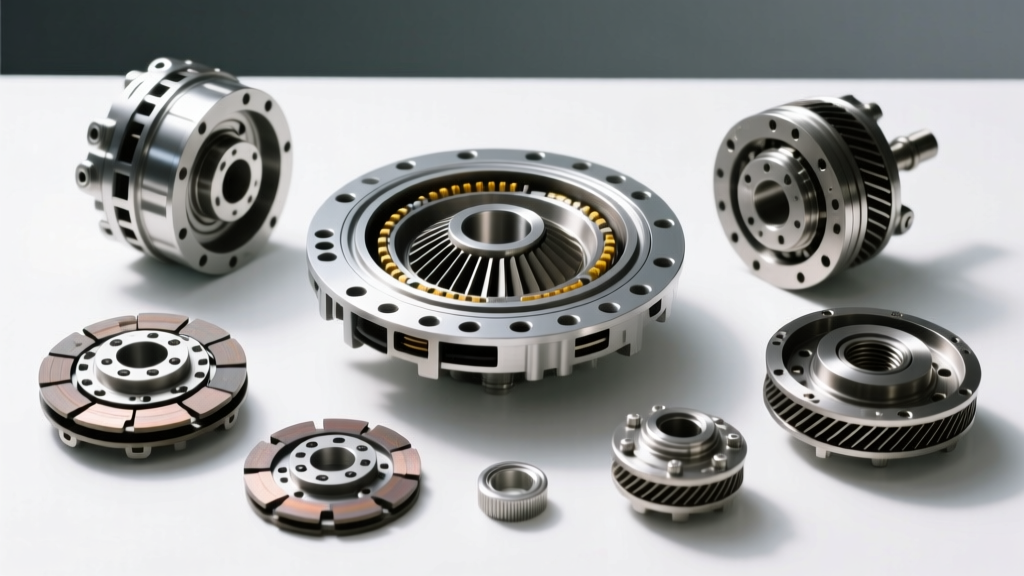
The 2019 model year represents a critical juncture in GM's full-size truck lineup, sitting at the peak of the widespread torque converter shudder epidemic that primarily affects the Hydra-Matic 8L90 (8-speed) and 10L90 (10-speed) automatic transmissions. As we navigate the 2026 maintenance landscape, these Silverado 1500 and 2500HD models are now consistently crossing the 80,000 to 120,000-mile threshold. At this mileage, fluid shear breakdown and TCC (Torque Converter Clutch) friction material degradation culminate in the infamous 'Chevy Shake'—a violent, rhythmic vibration typically felt between 35 and 55 mph under light throttle application.
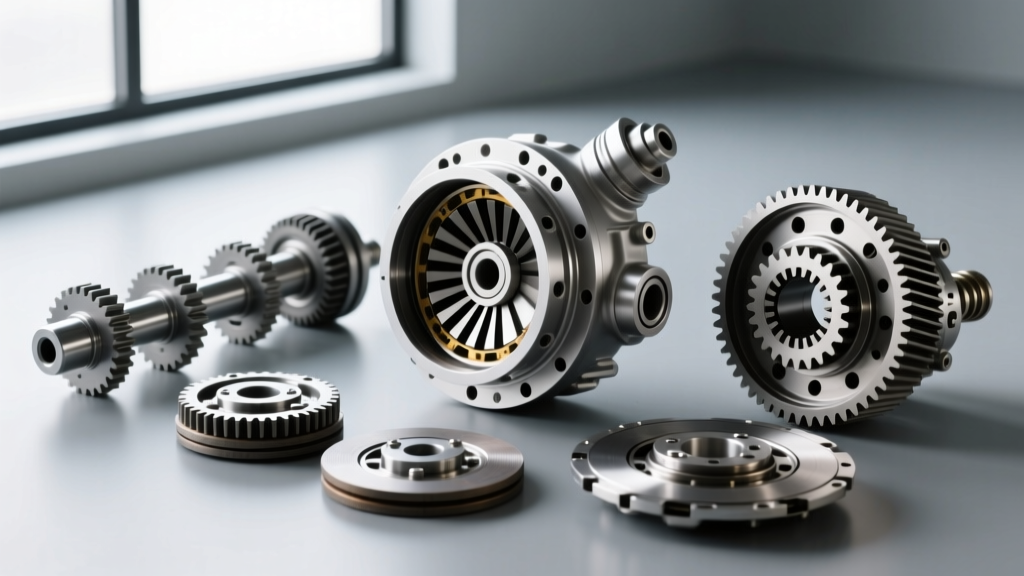
To properly address this, technicians and owners must understand that the modern TCC is rarely fully 'locked.' GM utilizes an Electronically Controlled Capacity Clutch (ECCC) strategy. The TCC is commanded to continuously micro-slip (usually 10 to 20 RPM) in 4th gear and above to dampen engine torsional vibrations and improve fuel economy. When the specialized friction modifiers in the ATF deplete, or the friction lining glazes, this micro-slip degrades into a macro-level stick-slip oscillation. Diagnosing and resolving the 2019 Silverado torque converter shudder requires a methodical, data-driven approach rather than blind parts swapping.
Diagnostic Protocol: Isolating TCC Oscillation
Before ordering replacement parts or performing a flush, you must definitively isolate the torque converter as the source of the NVH (Noise, Vibration, and Harshness) event. Misfires, worn U-joints, and tire force variations can mimic TCC shudder.
1. Scan Tool Data Analysis (TCC Slip Speed)
Using a bi-directional scan tool (such as a Snap-on Zeus or GM MDI2 with GDS2), monitor the TCC Slip Speed PID while driving at 45 mph in 6th gear with the TCC commanded 'ON'.
- Normal Operation: Slip speed remains steady between 10 and 25 RPM.
- Shudder Condition: Slip speed oscillates wildly, bouncing between -40 RPM and +80 RPM in a rhythmic pattern that matches the driver's physical sensation of the vibration.
- Hard Faults: If the slip exceeds 100 RPM for a sustained duration, the TCM will set DTC P0741 (TCC System Stuck Off) or P1901 (TCC RPM Sensor Circuit), triggering limp mode.
2. NVH Frequency Testing with PicoScope
For definitive proof, connect a PicoScope 4425 with an NVH accelerometer to the vehicle chassis. Torque converter shudder typically manifests at a frequency tied to engine RPM, usually between 30 Hz and 50 Hz. If the vibration frequency correlates strictly to wheel speed (e.g., 12-15 Hz), the issue is driveline or tire-related, not the torque converter.
8L90 vs. 10L90: Fluid Specifications and Capacities
A catastrophic mistake commonly made in independent shops is cross-contaminating the fluid specifications between the 8-speed and 10-speed GM transmissions. The friction coefficients required for the ECCC strategy are vastly different. Using the wrong fluid will guarantee immediate shudder and eventual TCC failure.
| Transmission Model | Required Fluid Spec | ACDelco Part Number | Service Fill Capacity | Dry Fill Capacity |
|---|---|---|---|---|
| Hydra-Matic 8L90 (8-Speed) | Dexron HP | 10-9395 (1qt) | 6.5 - 7.5 Quarts | 11.2 Quarts |
| Hydra-Matic 10L90 (10-Speed) | Dexron ULV (Ultra Low Viscosity) | 10-9394 (1qt) | 5.5 - 6.5 Quarts | 12.8 Quarts |
The Preventive Maintenance Matrix (2026 Guidelines)
GM originally marketed the Dexron HP and ULV fluids as 'lifetime' under normal driving conditions, defining 'lifetime' as 150,000 miles. Real-world data from the NHTSA Vehicle Database and transmission teardowns have thoroughly debunked this claim. The high thermal loads generated by the 5.3L and 6.2L V8 engines, combined with the tight packaging of the transmission cooler lines, accelerate fluid oxidation.
Recommended Preventive Maintenance Schedule:
- Severe Duty (Towing/Off-Road/Idling): Drain and fill every 30,000 miles.
- Normal Commuter Duty: Drain and fill every 45,000 to 60,000 miles.
- Filter Service: The 8L90 and 10L90 utilize a deep pan with an integrated, non-serviceable filter screen. To replace the filter, the transmission pan must be removed (18 pan bolts, torque to 10 Nm / 89 lb-in) and the RTV sealant must be meticulously cleaned and reapplied.
Repair Tiers and Real-World Cost Breakdown
When a customer presents a 2019 Silverado with confirmed TCC shudder, repairs should be escalated through a tiered approach based on fluid condition and slip data.
Tier 1: The Corrective Fluid Flush (Mild Shudder)
If the shudder is caught early (under 60,000 miles) and the fluid is dark but lacks a severe burnt odor or metallic particulate, a high-volume fluid exchange can restore the friction modifiers. GM released multiple technical service bulletins (such as the 18-NA-355 series) outlining a specific double-flush procedure using Mobil 1 Synthetic LV ATF HP or the updated ACDelco Dexron HP formulation.
- Procedure: Exchange 18-20 quarts of fluid to ensure complete torque converter and cooler line turnover.
- Cost Estimate: $250 - $400.
Tier 2: Valve Body and Solenoid Service (Moderate Shudder / Slip Codes)
If the fluid flush yields no improvement, or if TCC apply pressure is low due to worn solenoid regulator valves in the valve body, the valve body must be replaced. The 8L90 is notorious for wear in the TCC regulator valve bore within the aluminum valve body casting.
- Part: ACDelco Remanufactured Valve Body Assembly.
- Cost Estimate: $800 - $1,200 (Parts and Labor, pan removal required).
Tier 3: Complete Torque Converter Replacement (Severe Shudder / Glazed Lining)
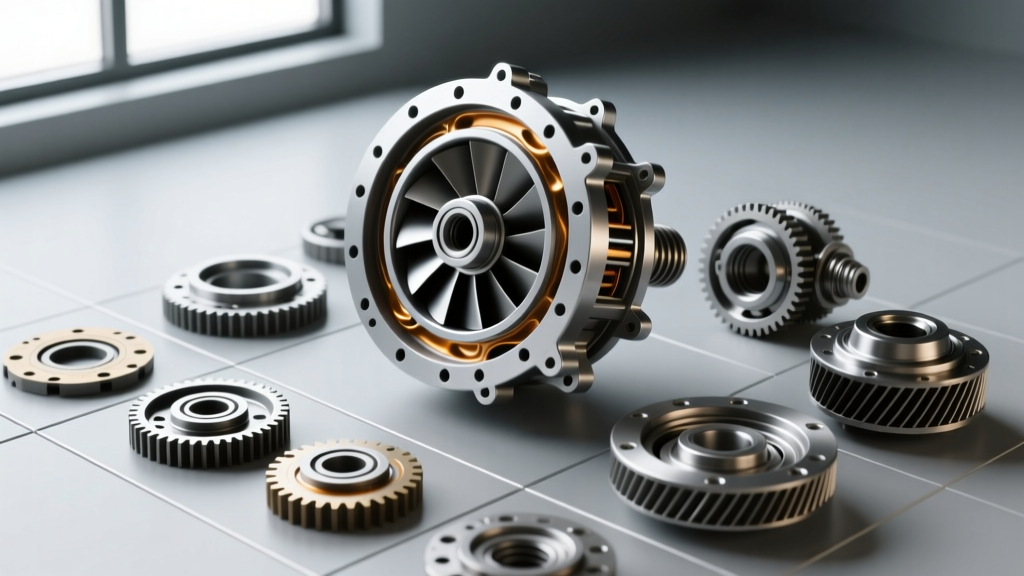
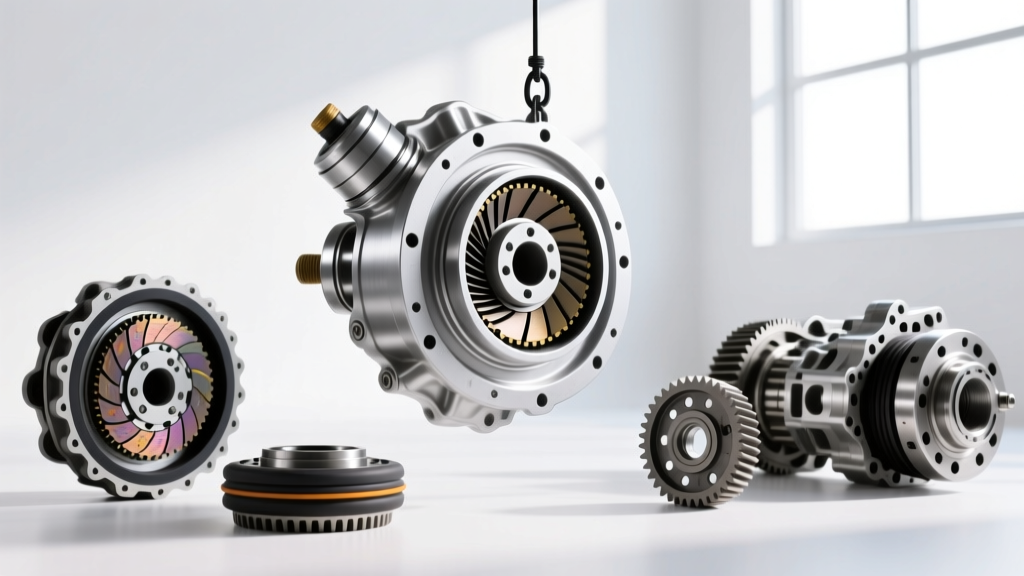
If the fluid contains heavy clutch material debris, or the shudder persists after Tier 1 and Tier 2 interventions, the friction lining inside the torque converter is permanently glazed or delaminated. The transmission must be removed. When sourcing parts, consult the ACDelco Transmission Parts Catalog to ensure the exact stall speed and ECCC calibration match your specific RPO code (e.g., M5U for 8L90).
Critical Installation Torque Specifications:
- Torque Converter to Flexplate Bolts: 35 Nm (26 lb-ft). Note: Must use new OEM bolts with pre-applied threadlocker. Do not reuse old bolts.
- Bellhousing to Engine Block Bolts: 50 Nm (37 lb-ft) for upper/lower main bolts.
- Transmission Cooler Line Fittings: 20 Nm (15 lb-ft). Over-tightening will crack the aluminum transmission case adapter.
- Flexplate to Crankshaft Bolts: 100 Nm (74 lb-ft) + 90 degrees torque-to-yield (if flexplate is removed for rear main seal inspection).
- Total Cost Estimate (Tier 3): $1,800 - $2,800 (Includes OEM Remanufactured Torque Converter, new fluid, gaskets, and 6-8 hours of book time).
Final Diagnostic Takeaways
The 2019 Silverado torque converter shudder is rarely a sudden mechanical failure; it is a progressive degradation of fluid chemistry and friction materials exacerbated by aggressive ECCC tuning. By utilizing scan tool slip data, adhering strictly to Dexron HP or ULV fluid specifications, and abandoning the 'lifetime fluid' myth, owners and technicians can preserve the longevity of the 8L90 and 10L90 transmissions well past the 200,000-mile mark.