Introduction to the T32 Platform's AWD Architecture
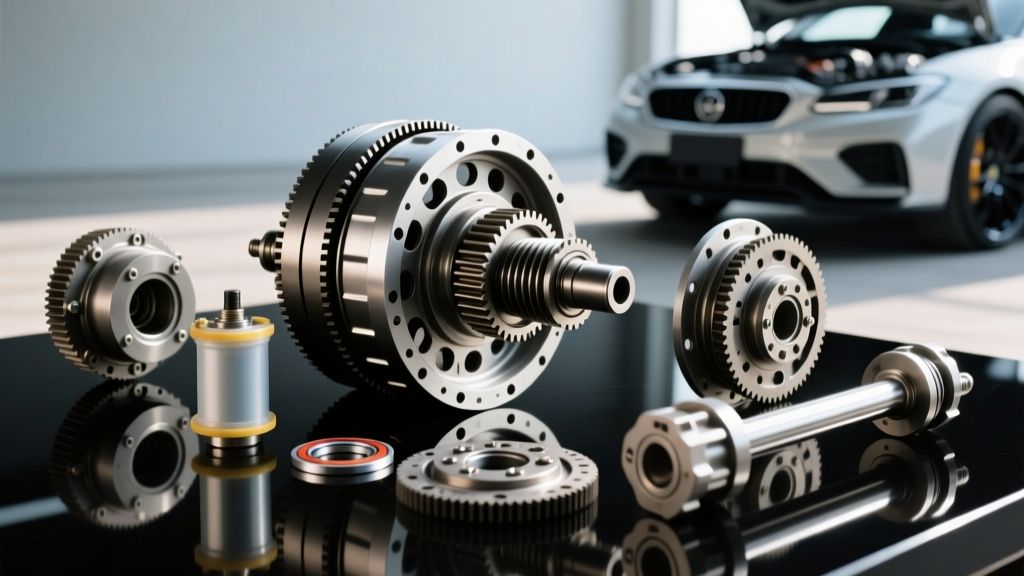
The 2019 Nissan Rogue, built on the globally utilized T32 platform, represents a high-volume milestone in Nissan’s crossover lineup. For owners and technicians working with the Intelligent All-Wheel Drive (AWD) variants, understanding the 2019 Nissan Rogue rear differential is critical for diagnosing drivetrain NVH (Noise, Vibration, and Harshness), executing proper fluid services, and performing accurate rebuilds. Unlike traditional body-on-frame SUVs that rely on massive, solid rear axles, the Rogue utilizes a compact, lightweight, independent rear final drive assembly. As the T32 fleet ages in 2026, wear-related issues such as pinion bearing degradation and gear whine are becoming increasingly common in service bays. This model-specific repair guide dives deep into the differential gear ratio and performance characteristics of the 2019 Rogue, providing the exact specifications required for professional-level maintenance and repair.
Decoding the 4.357 Rear Differential Gear Ratio
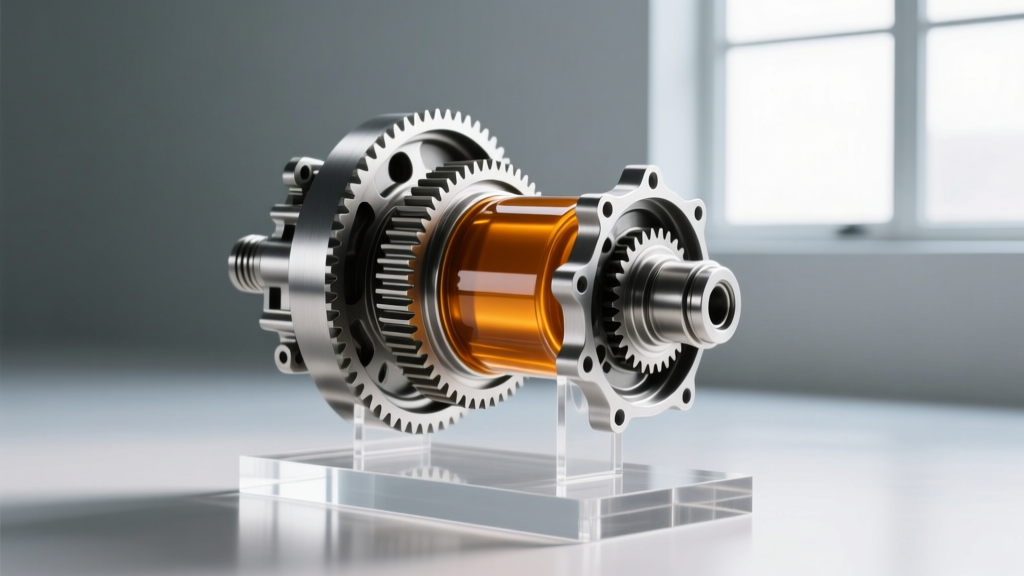
The 2019 Nissan Rogue AWD utilizes a specific rear final drive gear ratio of 4.357:1. In a hypoid gear set, this means the driveshaft must rotate 4.357 times to achieve a single full rotation of the rear wheel axles. This specific ratio is not arbitrary; it is meticulously engineered to match the front final drive ratio and the step-up/step-down mechanics of the Power Transfer Unit (PTU) attached to the transaxle.
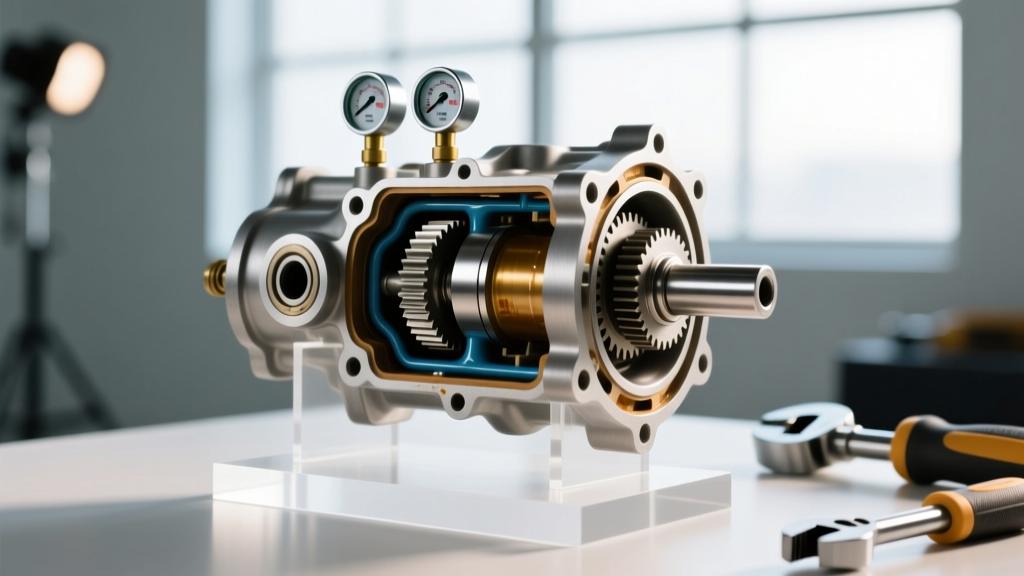
The rear differential housing is cast from lightweight aluminum to reduce unsprung mass and improve fuel economy, but this material choice requires strict adherence to torque specifications during reassembly to prevent thread stripping or housing distortion. The 4.357 ratio provides an optimal balance between low-end torque multiplication for light towing (the 2019 Rogue is rated for up to 1,100 lbs) and high-speed cruising efficiency. A numerically higher ratio would increase driveshaft RPM at highway speeds, leading to excessive gear oil temperatures and premature pinion bearing failure, while a lower ratio would result in sluggish off-the-line response and increased slip at the AWD coupling.
Performance Dynamics: Xtronic CVT and PTU Synergy
To fully grasp the performance implications of the rear differential gear ratio, one must understand its interaction with the Jatco CVT8 (JF017E) continuously variable transmission. The CVT does not have fixed gear steps; instead, it uses a pulley and belt system to provide infinite ratios. However, the front final drive and the PTU have fixed mechanical ratios. The PTU routes power rearward via a two-piece propeller shaft to the electromagnetic AWD coupling, which sits just ahead of the rear differential.
When the AWD system detects front wheel slip or anticipates a need for rearward torque bias (such as during hard acceleration or cornering), the coupling engages, sending up to 50% of the available torque to the rear differential. The 4.357 ring and pinion set then multiplies this torque before delivering it to the rear half-shafts. Because the CVT can hold the engine at peak torque RPMs during a tow or steep climb, the rear differential is subjected to sustained, high-load thermal stress. This synergy dictates the absolute necessity of using high-shear-stability gear oils to protect the hypoid gear teeth from micro-pitting and scuffing under continuous load.
Model-Specific Repair and Rebuild Specifications
When servicing or rebuilding the 2019 Nissan Rogue rear differential, precision is mandatory. The aluminum housing and specialized bearing preloads leave zero margin for error. Below is the definitive specification table for technicians performing ring and pinion setups, bearing replacements, or routine fluid services on this specific assembly.
| Specification / Component | Measurement / Value | Technical Notes |
|---|---|---|
| Rear Diff Fluid Capacity | 0.55 Liters (1.16 Pints) | Do not overfill; causes seal blowout and foaming. |
| Fluid Specification | API GL-5 80W-90 or 75W-90 | Must contain extreme pressure (EP) additives for hypoid gears. |
| Drain / Fill Plug Torque | 25 lb-ft (34 Nm) | Use a new crush washer on the drain plug. |
| Ring Gear Bolt Torque | 72 lb-ft (98 Nm) | Apply medium-strength threadlocker (e.g., Loctite 243). |
| Pinion Nut Torque | 130 lb-ft (176 Nm) | Crush sleeve dependent; measure rotational torque to verify preload. |
| Ring & Pinion Backlash | 0.004 - 0.007 in (0.10 - 0.18 mm) | Measure at 4 equidistant points on the ring gear. |
| Pinion Bearing Preload | 1.5 - 2.2 in-lbs (new bearing) | Measure with beam-type inch-pound torque wrench. |
Diagnosing Gear Whine, Bearing Failures, and Ratio Mismatches
As the 2019 Rogue accumulates mileage, drivetrain noise complaints are frequent. Accurately isolating the source of the noise is a hallmark of true drivetrain expertise. A common pitfall for novice technicians is misdiagnosing a failing PTU as a rear differential failure. The PTU is mounted directly to the CVT transaxle under the hood and uses its own separate 75W-90 fluid chamber. A whining noise that changes pitch precisely with engine RPM (rather than vehicle speed) usually points to the PTU or CVT, not the rear diff.
Step-by-Step Rear Differential Noise Diagnosis
- Drive-Side Whine (Under Load): If the noise occurs only when accelerating, inspect the drive side of the ring and pinion teeth. This often indicates insufficient pinion depth or worn pinion bearings allowing the gear set to deflect under torque.
- Coast-Side Whine (Deceleration): A whine that appears when lifting off the throttle points to wear on the coast side of the hypoid gears, often caused by excessive backlash or degraded gear oil that failed to maintain the hydrodynamic wedge.
- Constant Growl or Hum: A continuous noise that correlates strictly with wheel speed, regardless of load or coast, is the classic signature of a failing carrier bearing or pinion bearing. Inspect for metallic glitter in the differential fluid.
- Clunk on Engagement: Excessive backlash (beyond the 0.007-inch maximum) or worn AWD coupling splines can cause a harsh clunk when shifting from Reverse to Drive.
Sourcing OEM vs. Aftermarket Components in 2026
When a catastrophic failure occurs, technicians and owners must decide between replacing the entire rear differential assembly or performing a meticulous ring and pinion rebuild. As of 2026, a brand-new OEM rear differential assembly from a Nissan dealership typically ranges from $1,400 to $1,900, excluding core charges and labor. For many, this is cost-prohibitive.
Alternatively, sourcing high-quality aftermarket rebuild kits is a highly viable and cost-effective route. Reputable suppliers like RockAuto offer master rebuild kits featuring Timken or Koyo bearings, high-grade steel crush sleeves, and precision shims for approximately $180 to $260. When rebuilding, it is imperative to reuse the original OEM ring and pinion gears if they are not pitted or spalled, as aftermarket gear sets for unibody crossover final drives can sometimes suffer from inconsistent heat-treating, leading to premature NVH issues. Always verify that replacement seals are designed for the specific rotational speed and thermal environment of the Rogue's AWD system.
Fluid Service Protocol and Gear Oil Chemistry
Routine fluid maintenance is the single most effective way to preserve the 4.357 gear set. Nissan recommends inspecting the fluid periodically, but for vehicles subjected to towing, mountainous terrain, or extreme climates, a drain and fill every 30,000 to 45,000 miles is highly recommended by drivetrain specialists. The American Petroleum Institute (API) GL-5 specification is mandatory for this application. GL-5 gear oils contain high levels of sulfur-phosphorus extreme pressure (EP) additives, which are required to prevent the sliding contact of hypoid gear teeth from welding together under heavy loads.
When performing the service, ensure the vehicle is perfectly level. Remove the fill plug first to guarantee you can refill the unit before draining. The drain plug on the Rogue's rear diff features a magnetic tip; carefully inspect the magnet for large metallic chunks, which indicate bearing cage failure or gear tooth fracture. Use a fluid pump to inject the new 80W-90 or 75W-90 gear oil until it begins to weep from the fill hole, then reinstall and torque the plug to 25 lb-ft. Proper fluid level and chemistry ensure the 2019 Nissan Rogue rear differential continues to deliver seamless AWD performance and quiet operation for hundreds of thousands of miles.