The Thermodynamics of Axle Housings: Why Heat Kills Drivetrains
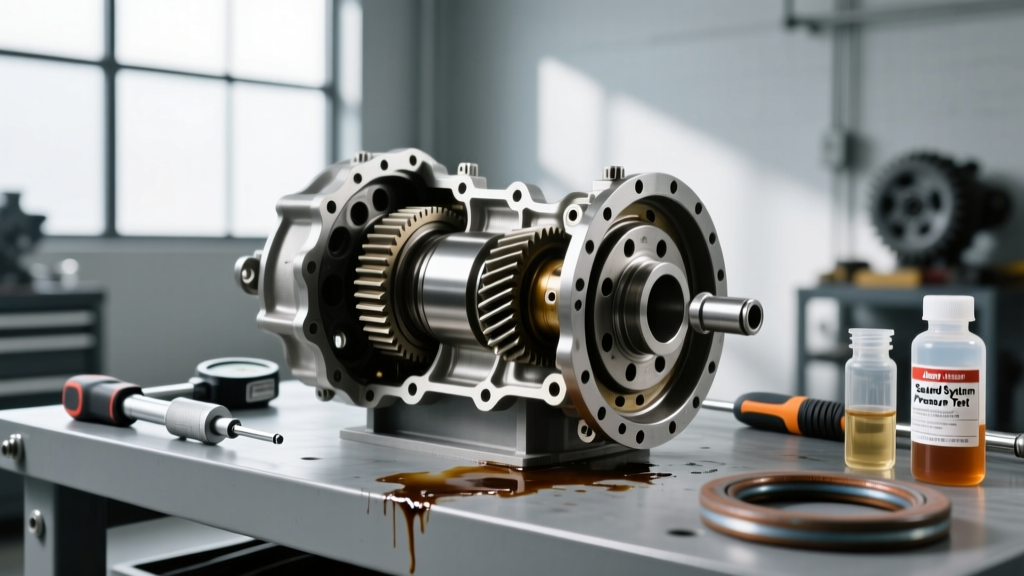
In the realm of heavy-duty towing, off-road crawling, and high-speed highway cruising, the differential assembly operates as a massive friction-generating gearbox. While modern synthetic gear oils have vastly improved since the early 2000s, the fundamental physics of heat generation remains unchanged. When evaluating the long-term differential repair cost for vehicles like the 3/4-ton GM trucks equipped with the AAM 11.5-inch axle or Ford Super Duties running the Dana 60, thermal management is the single most critical variable.
Standard OEM stamped-steel differential covers act as poor heat sinks. They are designed primarily for cost-effective manufacturing and baseline fluid retention, not for aggressive thermal dissipation. As internal temperatures climb, the gear oil undergoes rapid oxidation, viscosity shearing, and additive depletion. This technical deep-dive explores the engineering behind upgraded finned differential covers, their impact on fluid dynamics, and how a $200 upgrade can prevent a $3,000 catastrophic axle failure.
The 250°F Threshold: Gear Oil Thermal Breakdown
Most premium synthetic 75W-90 and 75W-140 API GL-5 gear oils are engineered to maintain their protective hydrodynamic film up to approximately 250°F (121°C). However, in severe-duty applications—such as towing a 15,000 lb fifth-wheel up a 6% grade in 95°F ambient heat—internal differential temperatures can easily spike past 300°F (149°C).
According to tribology engineering standards, every 20°F increase in temperature above the 250°F baseline halves the operational lifespan of the lubricant. At 300°F, the extreme pressure (EP) additives, typically zinc dialkyldithiophosphate (ZDDP) and sulfur-phosphorus compounds, begin to thermally degrade. Once the fluid's viscosity drops below the critical threshold required to separate the ring and pinion gears, metal-on-metal contact occurs. This leads to microscopic pitting on the gear teeth and accelerated wear on the Timken tapered roller bearings, directly accelerating the need for a complete rebuild and inflating your overall differential repair cost.
Cost-Benefit Analysis: Upgraded Cover vs. Differential Repair Cost
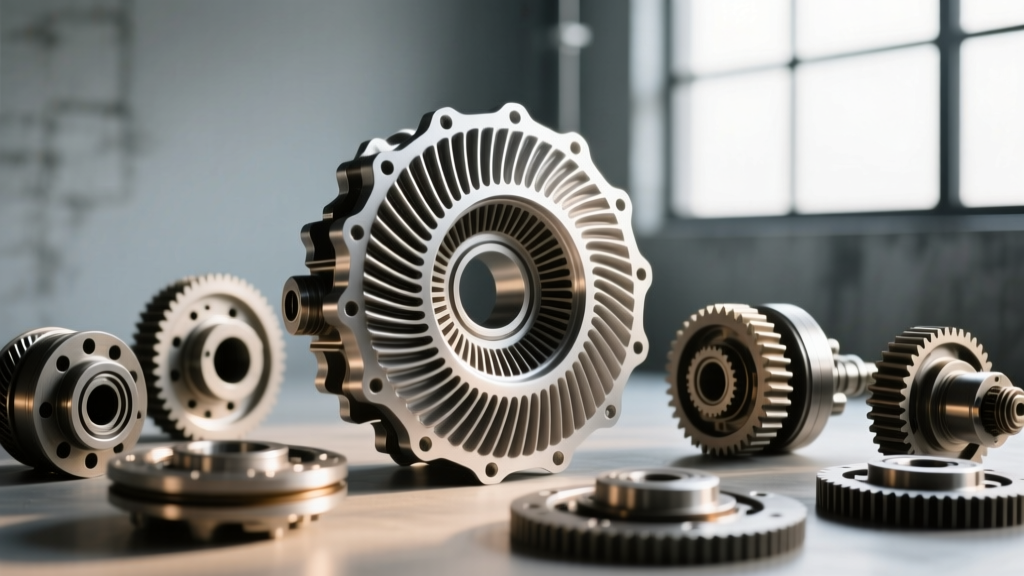
Upgrading to a finned aluminum differential cover is one of the highest ROI modifications a fleet manager or heavy-duty truck owner can make. By increasing the surface area of the housing by up to 300% and utilizing the high thermal conductivity of cast aluminum (approximately 160 W/m·K compared to steel's 50 W/m·K), these covers passively shed heat into the ambient airstream.
Below is a comparative analysis of differential cooling strategies and their impact on long-term maintenance economics.
| Cooling Strategy | Upfront Cost (2026 Est.) | Fluid Capacity Increase | Thermal Reduction | Est. Differential Repair Cost Avoided |
|---|---|---|---|---|
| OEM Stamped Steel (Baseline) | $45 - $65 | 0 Quarts | 0°F (Baseline) | $0 |
| Finned Cast Aluminum (Passive) | $160 - $280 | +0.5 to +1.5 Quarts | 20°F - 40°F | $1,500 - $2,500 (Bearing/Gear Rebuild) |
| Active Liquid Cooling (PTO Pump) | $800 - $1,400 | +2.0 to +4.0 Quarts | 50°F - 80°F | $3,000+ (Complete Axle Replacement) |
While active liquid cooling systems are reserved for extreme commercial applications (like heavy haul mining trucks), passive finned covers from manufacturers like Mag-Hytec and Dana Incorporated offer the sweet spot for consumer and light-commercial heavy-duty trucks. The additional fluid capacity not only increases the total thermal mass of the system but also ensures that the ring gear dips deeper into the sump, improving splash lubrication to the pinion bearings.
Engineering Deep-Dive: Fin Density, Sump Depth, and Fluid Dynamics
Not all aftermarket differential covers are engineered equally. A cheap, thin-walled aluminum cover from an unknown overseas manufacturer may look aggressive but lacks the internal engineering required for proper fluid management. When selecting a cover to protect your drivetrain and minimize differential repair cost, you must evaluate three critical design elements:
1. External Fin Geometry and Airflow
Effective cooling requires fins that are aligned longitudinally with the vehicle's direction of travel. This design channels high-velocity ambient air directly across the heat sink. Transverse fins or chaotic 'waffle' patterns create turbulent boundary layers that trap heat. High-end covers utilize computational fluid dynamics (CFD) to optimize fin spacing, ensuring maximum convective heat transfer without acting as a debris trap on the trail.
2. Internal Baffles and Sump Depth
As the ring gear rotates at highway speeds, it acts as a centrifugal pump, throwing gear oil outward and upward. If an aftermarket cover extends the sump depth too far without an internal baffle, the fluid level drops below the ring gear's path during acceleration or cornering, leading to instantaneous oil starvation. Premium covers feature internal baffles that trap fluid directly in the path of the ring gear while maintaining a minimum clearance of 0.125 inches between the baffle and the gear teeth to prevent catastrophic mechanical interference.
3. Magnetic Drain Plugs and Dipsticks
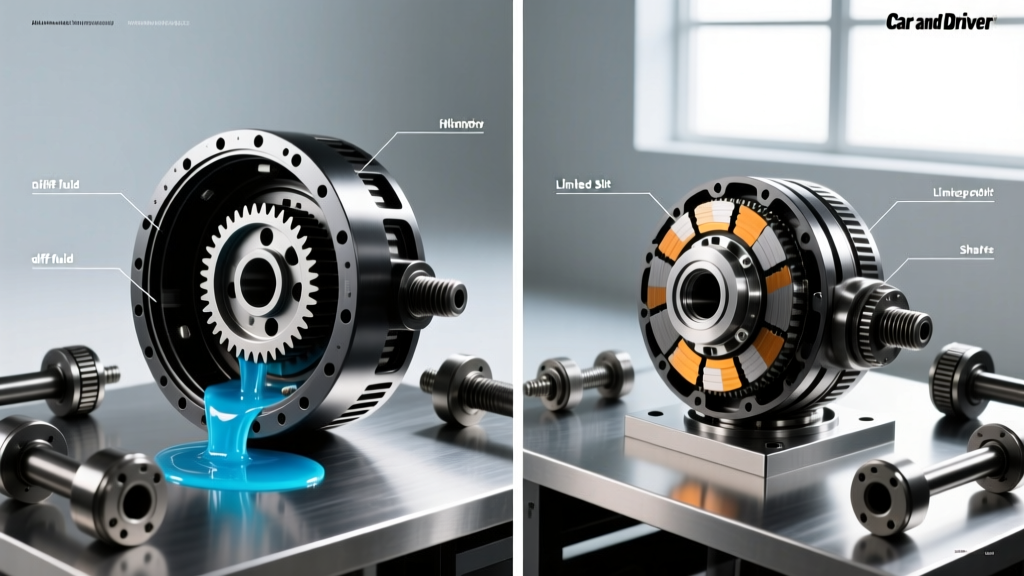
Modern upgraded covers integrate neodymium magnetic drain plugs. These magnets capture ferrous particulates generated during the initial break-in period and normal clutch-pack wear in limited-slip differentials (LSDs). By removing these microscopic abrasives from the fluid suspension, you prevent the 'lapping' effect that scores bearing journals and ring gear faces.
Installation Protocol: Torque Specs, Sealants, and Clearances
Improper installation of a heavy cast-aluminum differential cover is a leading cause of fluid leaks and housing warpage, which can ironically lead to the exact differential repair cost you were trying to avoid. The mating surface between the aluminum cover and the steel axle housing expands and contracts at different rates. Therefore, the sealing method is paramount.
RTV vs. Reusable Elastomer Gaskets
While OEM specifications often call for a continuous bead of RTV silicone, many modern technicians prefer reusable elastomer gaskets, such as those manufactured by Lube Locker. These gaskets utilize a steel core molded with high-durometer nitrile rubber and feature integrated O-rings around the bolt holes to prevent overtightening and extrusion.
If you opt for RTV, Permatex Ultra Black (Part #85188) is the industry standard for high-torque, high-vibration differential applications. It is sensor-safe and resists the aggressive sulfur-phosphorus additives found in GL-5 gear oils.
Critical Torque Specifications
Over-torquing the cover bolts will warp the aluminum flange, breaking the seal and potentially cracking the cover near the bolt bosses. Always use a calibrated inch-pound or low-range foot-pound torque wrench, tightening in a crisscross star pattern to ensure even clamping force.
- AAM 11.5-inch (GM 2500/3500HD): M10x1.5 flange bolts. Torque to 35 lb-ft (47 Nm). Do not exceed 40 lb-ft to avoid stripping the aluminum threads.
- Dana 60 / Dana 70 (Ford Super Duty / Dodge Ram): 3/8-16 hex bolts. Torque to 25-30 lb-ft (34-41 Nm).
- Ford 10.5-inch Sterling: 3/8-16 hex bolts. Torque to 30 lb-ft (41 Nm).
- Dana 44 / Jeep Wrangler Rubicon: 5/16-18 hex bolts. Torque to 18-22 lb-ft (24-30 Nm).
Fluid Selection and Fill Procedure
When upgrading the cover, you are increasing the system's fluid capacity. Always fill the differential with a high-quality synthetic 75W-90 or 75W-140 gear oil until it reaches the bottom of the fill hole. If your vehicle is equipped with a factory locking differential or an aftermarket Auburn/Eaton LSD, ensure the fluid contains the necessary friction modifiers (or add a 4 oz bottle of LSD additive) to prevent clutch-pack chatter. Allow the fluid to settle for 10 minutes after the initial fill, then top it off to account for fluid that has migrated into the axle tubes and bearing hubs.
Verdict: Is the Upgrade Worth the Investment?
From a strict engineering and financial perspective, installing a finned aluminum differential cover is a proactive defense against thermal degradation. By dropping operating temperatures by 20°F to 40°F, you effectively double or triple the service life of your synthetic gear oil and protect the precision-machined surfaces of your ring, pinion, and carrier bearings. When weighed against the staggering differential repair cost of a full teardown, bearing replacement, and gear setup—which routinely exceeds $2,000 in labor and parts at modern 2026 shop rates—a $200 passive cooling upgrade pays for itself the first time it prevents a thermal failure on a steep mountain grade.