The Stock 2016 Ford Edge Rear Differential: AWD Limitations
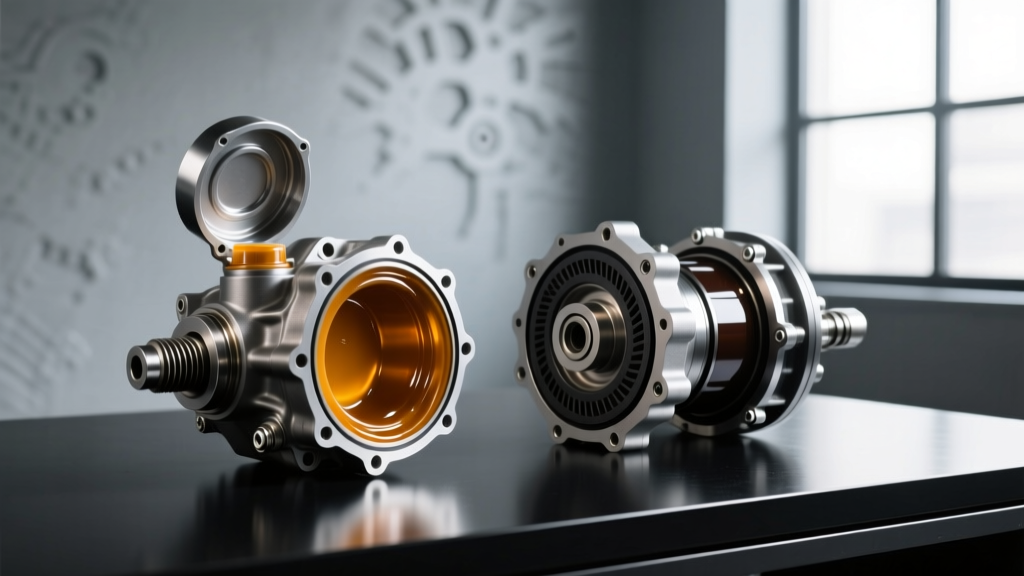
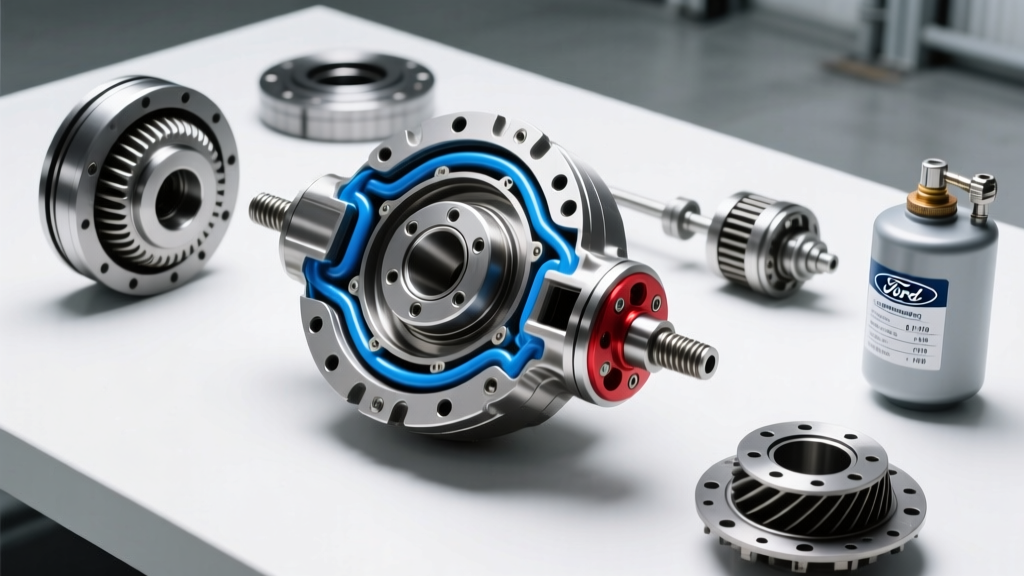
The 2016 Ford Edge, particularly the Sport trim equipped with the 2.7L EcoBoost V6 (315 hp, 350 lb-ft of torque), is a surprisingly capable crossover. However, its performance is bottlenecked by the factory open rear differential housed within the Rear Drive Unit (RDU). While Ford's Intelligent AWD system utilizes an electronically controlled clutch pack to route torque front-to-rear, the side-to-side rear torque distribution relies entirely on brake-based torque vectoring. When you apply heavy throttle mid-corner or launch from a standstill on mixed-grip surfaces, the open 2016 Ford Edge rear differential sends power to the wheel with the least resistance, resulting in premature brake intervention, wasted kinetic energy, and excessive heat in the rear brake calipers.
As of 2026, the aftermarket support for the CD4 platform's drivetrain has matured significantly. Enthusiasts are no longer limited to basic software tunes; mechanical upgrades to the rear drive unit are now a viable path to transforming the Edge into a genuine performance machine. Selecting the correct locking or limited-slip differential (LSD) requires a deep understanding of gear bias, AWD binding risks, and the critical role of differential fluid chemistry.
Locking and Limited-Slip Differential Types Explained
Upgrading the 2016 Ford Edge rear differential is not as simple as dropping in a solid axle locker from a heavy-duty truck. The independent rear suspension and the front-biased AWD architecture demand a nuanced approach to torque biasing.
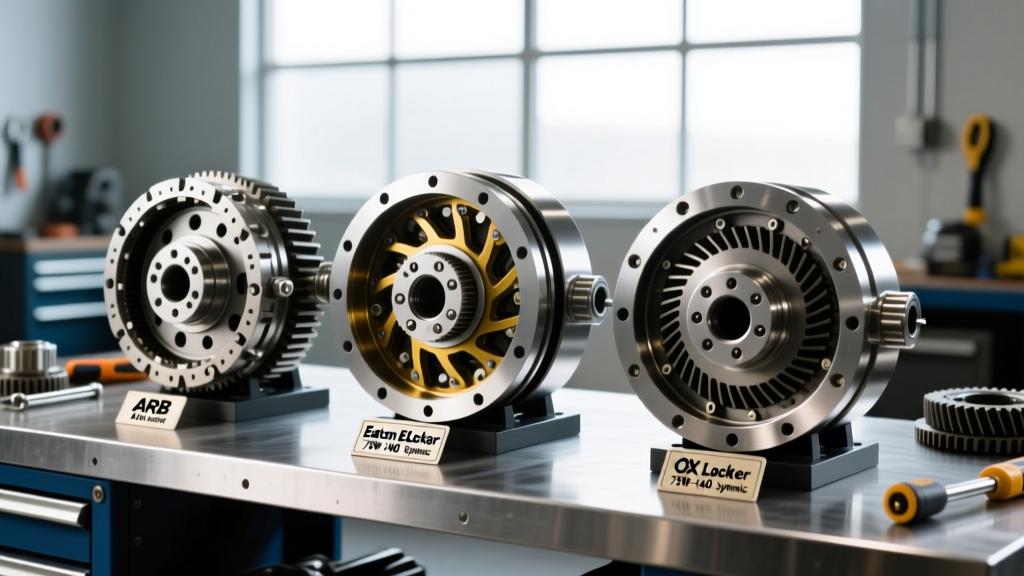
Helical Gear LSD (Eaton Truetrac / Wavetrac)
Helical gear limited-slip differentials operate using a series of planetary gears that bind under load to transfer torque to the wheel with grip. Unlike clutch-type diffs, they do not rely on friction plates or special fluid additives. The Eaton Truetrac and Wavetrac units are the gold standard for AWD crossovers. They offer a smooth, progressive torque bias ratio (typically 2.5:1 to 3.5:1) and are entirely transparent to the vehicle's stability control and ABS systems. For the Edge Sport, a helical LSD eliminates inside-wheel spin without inducing the understeer or driveline binding associated with hard-locking mechanisms.
Clutch-Type Limited Slip
Clutch-type LSDs use alternating steel and friction plates clamped together by preload springs and side-gear thrust forces. While they offer aggressive lockup and are highly tunable, they require meticulous fluid management. If you adapt a clutch-type Ford 8.8 limited-slip carrier to your Edge's RDU, you must use a specialized friction modifier to prevent the infamous 'chatter' or 'judder' during low-speed parking maneuvers. Over time, the friction material degrades, requiring the differential to be opened, cleaned, and the clutch packs rebuilt.
Automatic Lockers and Spools (The AWD Warning)
Full locking differentials (like the Detroit Locker) or welded spools force both rear wheels to turn at the exact same speed at all times. Do not install a spool or automatic locker in a 2016 Ford Edge. Because the Edge is an AWD vehicle with a fixed mechanical link (via the PTU and driveshaft) to the front axle, forcing the rear wheels to lock will cause severe driveline binding, tire scrubbing, and catastrophic failure of the Power Transfer Unit (PTU) or the RDU clutch pack during turns.
Comparison Chart: LSD Options for the Edge AWD
| Differential Type | Torque Bias Ratio | Friction Modifier Needed? | AWD Binding Risk | Estimated Cost (Parts) |
|---|---|---|---|---|
| Open (Stock) | 1:1 (None) | No | None | N/A |
| Helical Gear (Truetrac) | 2.5:1 - 3.5:1 | No | Very Low | $650 - $850 |
| Clutch-Type LSD | 2:1 - 5:1 (Tunable) | Yes (Mandatory) | Low (if tuned right) | $400 - $600 |
| Spool / Welded | Infinite (100% Lock) | No | Catastrophic | $100 (Welding) |
Fluid Specifications and Friction Modifiers for Upgrades
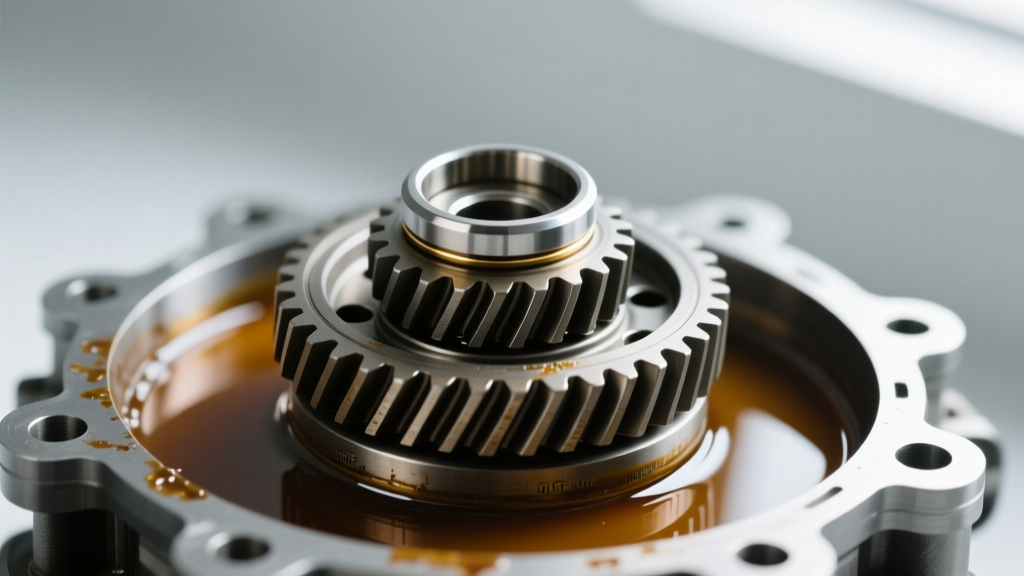
The type of locking differential you choose directly dictates the differential fluid and additive package required. Using the wrong gear oil in a modified 2016 Ford Edge rear differential will lead to premature gear wear, clutch pack destruction, or overheating.
OEM vs. Aftermarket Gear Oils
The factory fill for the Edge RDU is typically a specialized 75W-85 synthetic hypoid gear oil (Motorcraft Part # XY-75W85-QL). This lower viscosity fluid was chosen primarily for fuel economy and quick cold-weather flow. However, when upgrading to an aftermarket LSD or pushing the vehicle on a track, stepping up to a high-quality 75W-90 GL-5 synthetic is highly recommended for its superior shear stability and thermal protection.
- Amsoil Severe Gear 75W-90: Excellent for helical gear LSDs. High film strength prevents gear scoring under the 350 lb-ft load of the EcoBoost V6.
- Red Line 75W90 GL-5: Contains high levels of zinc and phosphorus (ZDDP) for extreme pressure protection. Check their specific gear oil technical data to ensure compatibility with your specific LSD type.
- Motorcraft SAE 80W-90 Premium (XY-80W90-QL): A cost-effective, robust alternative for daily driven clutch-type LSDs, provided the correct modifier is added.
The Friction Modifier Variable
If you opt for a clutch-type LSD, you must add a friction modifier. The Motorcraft Friction Modifier XL-3 (Part # EST-M2C118-A) is the industry standard for Ford differentials. The standard dosage is 4 oz (118 ml) per 1.5 quarts of gear oil. Warning: Never add friction modifier to a helical gear LSD or an open differential; it will reduce the oil's overall load-carrying capacity and accelerate gear wear.
Installation Torque Specs and RDU Service Data
Servicing the 2016 Ford Edge rear differential requires adherence to strict torque specifications to prevent housing distortion and fluid leaks. The RDU is an aluminum housing that is easily stripped if over-torqued.
- RDU Drain Plug: 33 lb-ft (45 Nm). Use a new crush washer on every fluid change.
- RDU Fill Plug: 33 lb-ft (45 Nm).
- RDU to Subframe Mounting Bolts: 85 lb-ft (115 Nm). These must be tightened in a crisscross pattern to align the pinion gear correctly with the driveshaft.
- Driveshaft Flange to Pinion Bolts: 76 lb-ft (103 Nm). Apply a medium-strength blue threadlocker (e.g., Loctite 243) to these bolts, as they are prone to backing out under high-torque AWD launches.
- Fluid Capacity: Approximately 0.75 to 0.85 quarts (0.7 to 0.8 liters), depending on the specific RDU casting and aftermarket cover. Fill until the fluid level is exactly at the bottom edge of the fill hole threads.
Break-In Procedures for Upgraded Differentials
Whether you install a helical gear unit or a clutch-type LSD, the break-in procedure is non-negotiable. The ring and pinion gears inside the RDU must be mated properly to prevent catastrophic overheating.
- Initial Fill: Fill the RDU with a conventional (non-synthetic) 80W-90 GL-5 gear oil for the break-in period. Synthetic oils are too slippery and will prevent the microscopic high spots on the gears from wearing into a proper mating pattern.
- Heat Cycling: Drive the vehicle for 15-20 minutes at varying speeds (30 to 50 mph) with gentle acceleration and deceleration. This allows the gear oil to reach operating temperature (approx. 180°F - 200°F) and heat-cycle the housing.
- Cool Down: Let the vehicle sit for 45 minutes to allow the housing and gears to cool completely.
- Repeat: Repeat the heat cycle process 3 to 4 times.
- Final Drain and Fill: Drain the conventional break-in oil (expect it to look dark and smell burnt—this is normal). Refill with your chosen high-performance synthetic fluid (and friction modifier, if applicable).
Expert Tip: During the break-in of a newly installed ring and pinion in your 2016 Ford Edge rear differential, avoid sustained highway speeds over 65 mph and absolutely avoid trailering or heavy towing for the first 1,000 miles. Premature heavy loading will glaze the gear surfaces and result in permanent whining noise.
Final Verdict: Which Upgrade Makes Sense?
For the vast majority of 2016 Ford Edge Sport and Titanium AWD owners looking to improve cornering exit speed and wet-weather traction, a Helical Gear LSD is the undisputed champion. It requires zero friction modifiers, operates silently, and integrates flawlessly with Ford's AdvanceTrac stability control. While the initial investment of $700+ for the unit plus $300 for professional RDU teardown and setup is significant, the transformation in driving dynamics justifies the cost. Pair it with a premium 75W-90 synthetic gear oil, adhere strictly to the torque specs, and your Edge's rear drivetrain will reliably handle the EcoBoost's torque for years to come.