The Hidden Heat Problem in the 2015 Silverado 1500
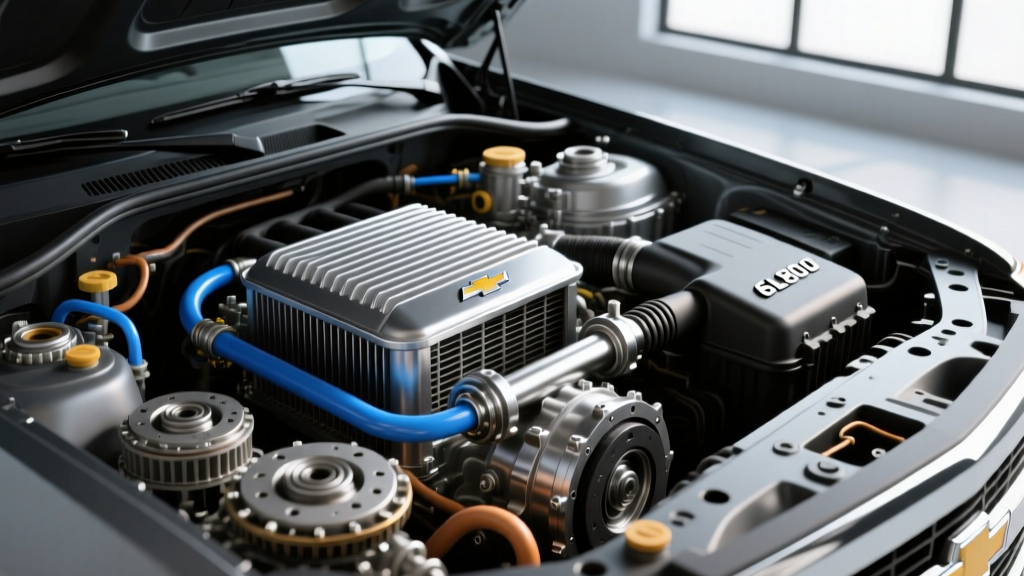
If you own a 2015 Chevrolet Silverado 1500, you already know it is a workhorse. However, the factory transmission cooling system was designed primarily for light-duty commuting, not sustained heavy towing or off-road crawling. This is exactly why the 2015 Silverado transmission cooler upgrade is one of the most popular modifications in the truck community. By adding an auxiliary stacked-plate or high-efficiency tube-and-fin cooler, you protect the legendary 6L80-E 6-speed automatic transmission from catastrophic heat-related failures.
But here is the catch that many beginners miss: installing the upgrade is only half the battle. As we navigate the towing demands of 2026, proper transmission cooler maintenance is critical to ensure your new hardware actually protects your drivetrain. A neglected cooler can clog, leak, or restrict flow, turning a $150 upgrade into a $4,000 transmission rebuild. This beginner-friendly explainer will walk you through the exact maintenance protocols, torque specs, and troubleshooting steps required to keep your Silverado’s cooling system in peak condition.
Understanding Your Cooler Anatomy
Before you can maintain your system, you need to understand what you are looking at. Most aftermarket upgrades for the 2015 Silverado fall into two categories:
- Tube-and-Fin Coolers: The budget-friendly option ($40–$70). Fluid passes through tubes wrapped in wire fins. They are lightweight but more prone to physical damage and fin-clogging from road debris.
- Stacked-Plate Coolers: The premium choice ($90–$180). Brands like Derale and Mishimoto use stacked aluminum plates that offer superior heat dissipation and structural rigidity. According to Derale Performance, stacked-plate designs can lower fluid temperatures by up to 30°F compared to tube-and-fin equivalents under heavy loads.
Regardless of the type you chose for your 2015 Silverado transmission cooler upgrade, the maintenance principles remain the same, though stacked-plate units require slightly more careful cleaning due to their tight fin spacing.
The Beginner’s Maintenance Checklist
Routine maintenance does not require a professional lift or a master mechanic's certification. Here is your actionable checklist.
1. Visual Inspections and Fin Cleaning (Every 5,000 Miles)
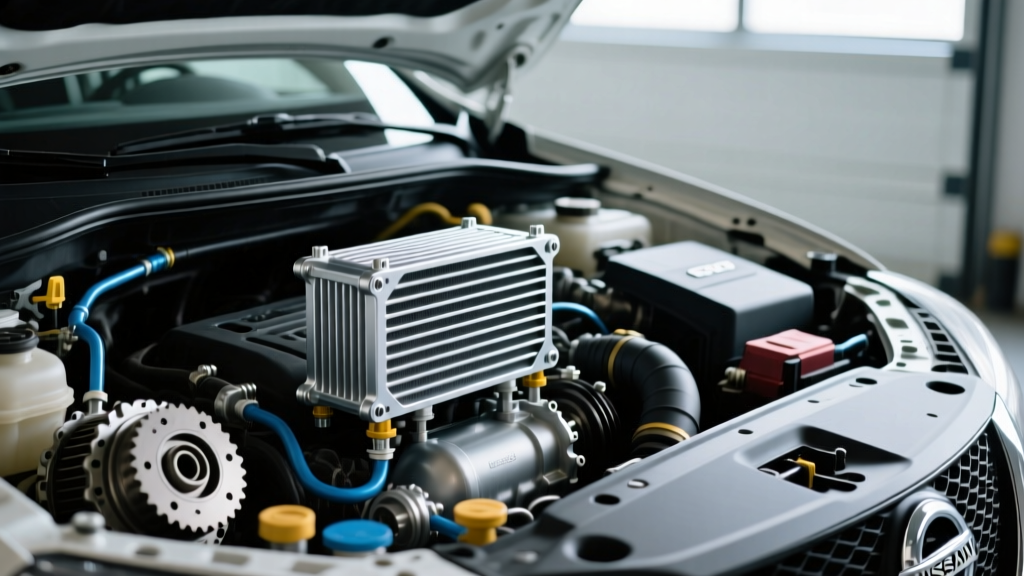
Your transmission cooler is mounted in the 'airflow zone'—usually right behind the grille or in front of the A/C condenser. This means it acts as a filter for bugs, dirt, and road grime. Clogged fins restrict airflow, rendering the cooler useless.
- The Cleaning Method: Never use a high-pressure power washer directly on the fins; you will bend them and choke the airflow. Instead, use a dedicated coil cleaner or a mild degreaser. Let it soak for 10 minutes, then rinse gently with a standard garden hose from the engine side out (backflushing the airflow direction) to push debris out the way it came in.
- Fin Straightening: If you notice bent fins on your tube-and-fin cooler, use a specialized 'fin comb' to gently straighten them. This restores aerodynamic efficiency.
2. Hose Routing and Clamp Tension (Every 10,000 Miles)
The weakest point of any aftermarket cooler installation is the rubber hose connections. The 6L80-E transmission operates at internal pressures that can spike over 150 PSI during heavy towing or torque converter lockup.
- Hose Material: Ensure you are using dedicated transmission cooler hose (SAE J1019 spec), not standard fuel or emissions hose. Transmission fluid (Dexron VI) will eat through standard rubber over time, causing it to swell and blow off the barb.
- Clamp Torque: Avoid cheap worm-gear clamps that can cut into the rubber. Use fuel-injection style constant-tension clamps or high-quality stainless steel T-bolt clamps. Torque these clamps to 25–30 in-lbs. Overtightening will slice the rubber; undertightening will result in a slow, messy leak that coats your engine bay in red fluid.
3. Fitting and Adapter Torque Specifications
If your 2015 Silverado transmission cooler upgrade utilized hard-line adapters or AN (Army-Navy) fittings instead of push-on barbs, you must verify their torque. Vibrations from the Silverado's V8 engine can slowly back out poorly torqued fittings.
| Fitting Type | Common Size | Target Torque Spec | Sealant Required? |
|---|---|---|---|
| OEM Quick-Connect | 3/8" or 1/2" | Push-to-Click (Verify Retainer Clip) | No |
| Inverted Flare (Steel) | 3/8" | 15–20 ft-lbs | No (Metal-to-Metal) |
| AN-6 Aluminum Fitting | 3/8" Tube | 12–15 ft-lbs | No (O-ring or 37° Flare) |
| NPT Adapter Plug | 1/4" or 3/8" | 10–15 ft-lbs | Yes (PTFE Tape or Liquid) |
Expert Tip: If you used PTFE tape on NPT threads during installation, check for leaks annually. PTFE tape can degrade and shred into the transmission fluid, eventually clogging the valve body solenoids.
The 6L80E Thermal Bypass Valve: Don't Panic!
One of the most common points of confusion for beginners maintaining a 2015 Silverado is the thermal bypass valve. Many owners install an auxiliary cooler, monitor their transmission temperatures via an OBD2 scanner, and panic when they see the fluid running at 190°F while the aftermarket cooler feels ice-cold to the touch.
This is normal. The 6L80-E features a thermal bypass valve designed to keep fluid away from the cooler until it reaches approximately 180°F to 190°F. This allows the transmission to reach optimal operating temperature quickly on cold mornings, reducing wear and improving shift quality. Once the fluid crosses that threshold, the valve opens, and fluid routes to your upgraded cooler. When performing maintenance, ensure you are not accidentally zip-tying hoses against the bypass valve housing, which can cause heat transfer and trick the sensor.
Fluid Chemistry: Dexron VI and Heat Degradation
Your 2015 Silverado requires ACDelco Dexron VI Automatic Transmission Fluid. Maintaining the cooler is useless if the fluid inside it is chemically broken down. According to data published by Transmission Digest, for every 20°F increase in transmission fluid temperature above 200°F, the life expectancy of the fluid is cut in half.
Even with a massive stacked-plate cooler upgrade, you must monitor the fluid's condition. Dexron VI is a synthetic blend that resists shear, but it will eventually oxidize.
- Color Check: Healthy Dexron VI is bright, translucent red. If it smells burnt or looks dark brown/black, your cooler may be functioning, but the damage was already done prior to the upgrade. A full flush is required.
- Capacity Note: The 6L80-E holds roughly 11.2 quarts for a standard pan drop and filter change, but up to 13.5 quarts if you are dry-filling a rebuilt unit or completely draining the torque converter. Always measure exactly what you drain out before adding new fluid.
Troubleshooting Chart: Symptoms vs. Solutions
Use this quick-reference guide to diagnose issues with your cooler setup before they lead to transmission slipping or limp-mode activation.
| Symptom | Probable Cause | Maintenance Fix |
|---|---|---|
| Cooler fins blocked with debris | Poor mounting location / lack of grille screen | Backflush with degreaser; install mesh grille guard |
| Fluid leaking at rubber hose barb | Worm-gear clamp cut the rubber / wrong hose type | Cut hose end, replace with SAE J1019 hose & T-bolt clamp |
| High temps despite new cooler | Thermal bypass valve stuck closed / debris in line | Check OEM cooler lines for kinks; replace bypass valve |
| Transmission shifting sluggishly when cold | Aftermarket cooler mounted too far from engine / bypass removed | Re-route lines to utilize OEM thermal management |
| Whining noise from transmission pump | Cooler lines restricted / incorrect fluid level | Verify line IDs are not swapped; check dipstick level at operating temp |
Flushing the Auxiliary Cooler
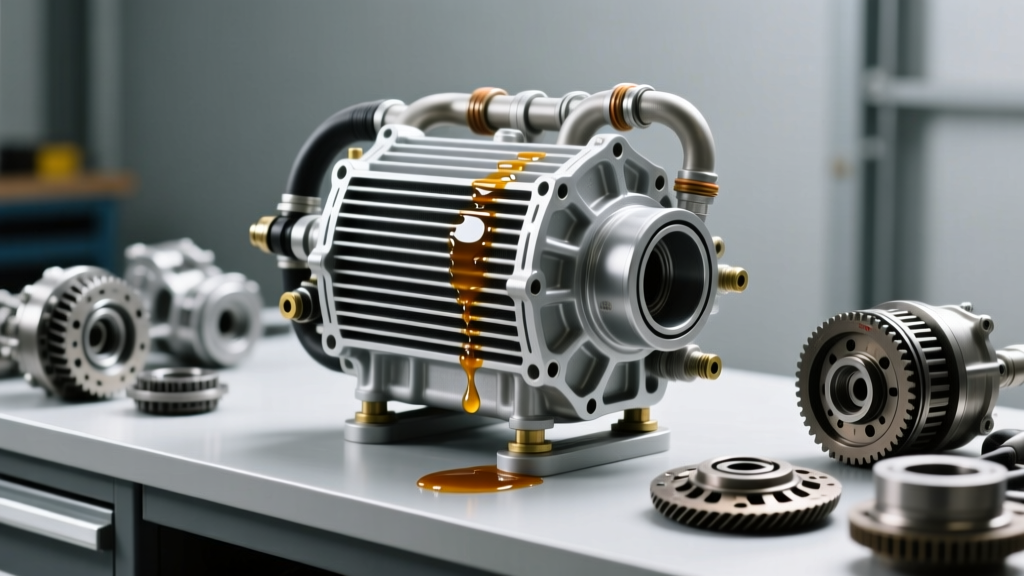
If you ever experience a transmission failure, or if you are buying a used 2015 Silverado and don't know the history of the aftermarket upgrade, you must flush the auxiliary cooler. Metal shavings from a failing transmission will pack tightly into the tight crevices of a stacked-plate cooler. If you install a new transmission but reuse the old, unflushed cooler, the new fluid will immediately pick up those metal particles and destroy the new unit.
For deep maintenance, Hayden Automotive's Tech Center recommends using a dedicated cooler flush solvent followed by high-pressure compressed air to blow out the passages. Always blow air in the opposite direction of normal fluid flow to dislodge trapped debris.
Final Thoughts on Longevity
A 2015 Silverado transmission cooler upgrade is a phenomenal investment that can easily extend the life of your 6L80-E by hundreds of thousands of miles. However, hardware is only as good as the maintenance behind it. By spending 15 minutes every few months checking clamp tensions, cleaning the fins, and verifying your fluid chemistry, you ensure that your truck remains ready for whatever the highway—or the job site—throws at it. Treat your cooling system with respect, and it will protect your drivetrain for the long haul.