The Engineering Behind 6L80 TCC Lockup Operation
The 2014 Chevrolet Silverado 1500, predominantly equipped with the 5.3L EcoTec3 V8 and the robust 6L80 six-speed automatic transmission, relies heavily on its torque converter clutch (TCC) for optimal fuel economy and thermal management. Unlike older generations that only locked up in top gear, the 6L80 utilizes a sophisticated Pulse Width Modulated (PWM) lockup strategy. This allows the ACDelco engineered TCC to apply gradually, achieving partial lockup in 3rd, 4th, 5th, and 6th gears.
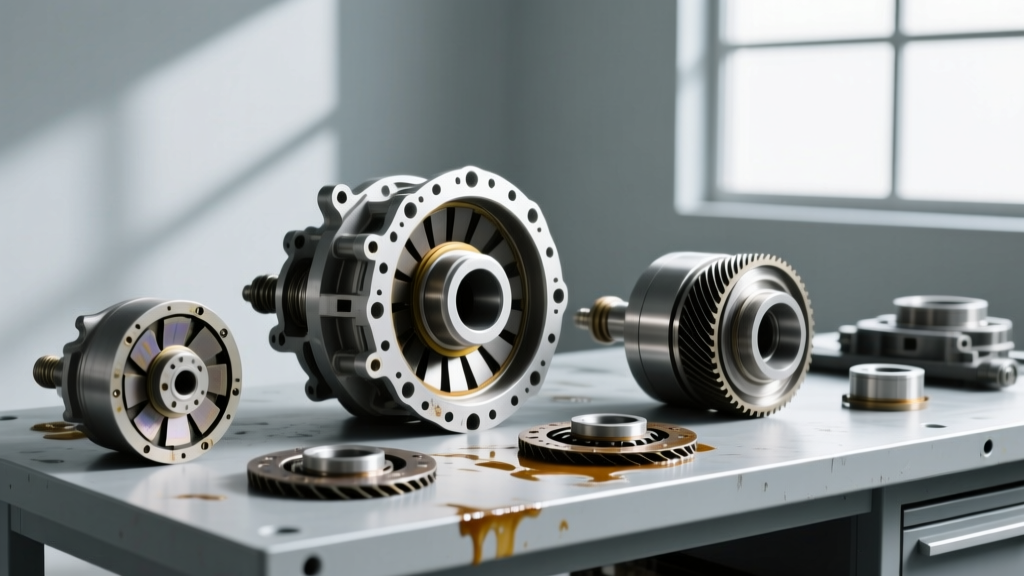
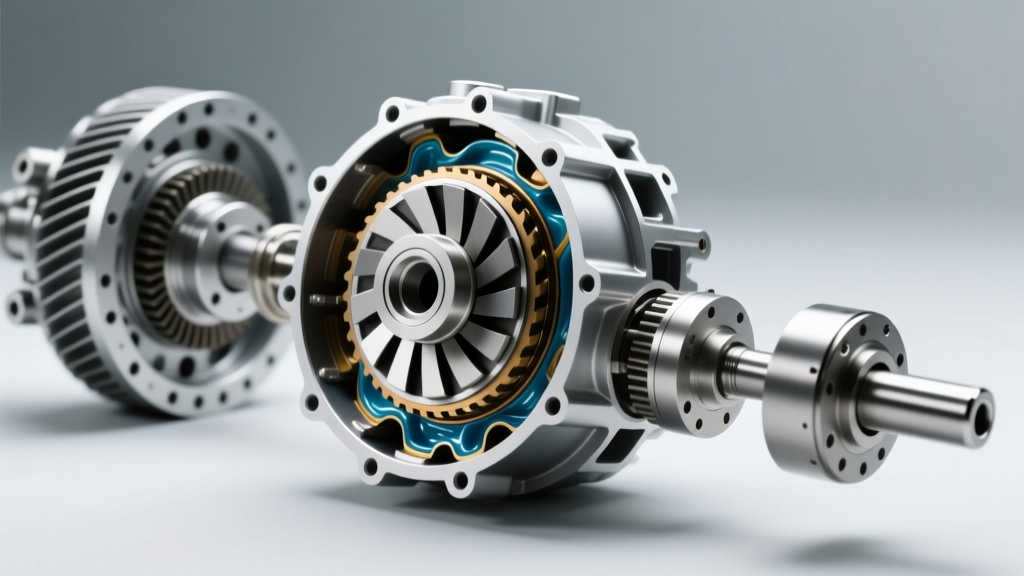
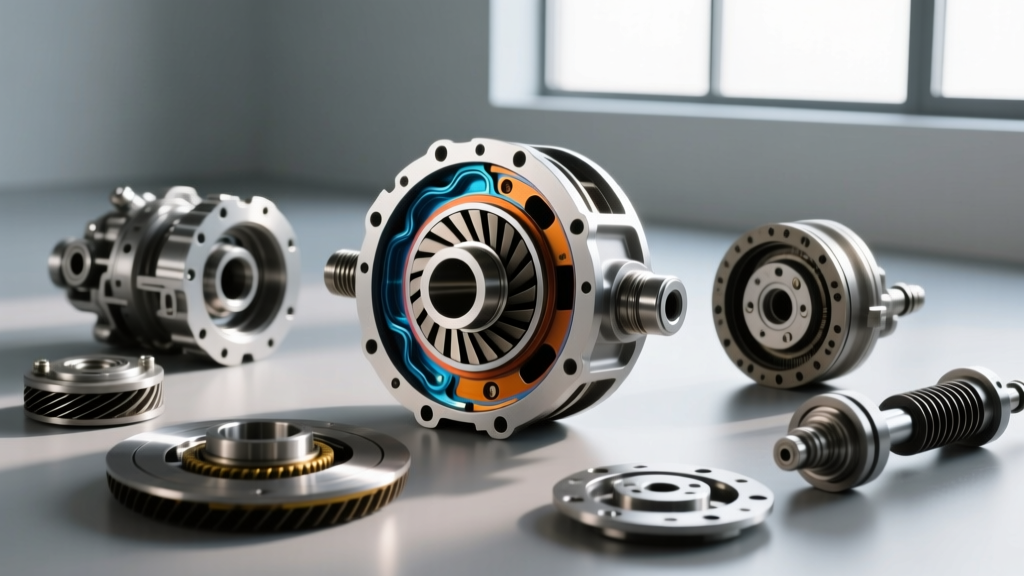
When the Transmission Control Module (TCM) commands a lockup, it modulates the TCC PWM solenoid—housed inside the Transmission Electro-Hydraulic Control Module (TEHCM). This solenoid routes line pressure through the TCC regulator valve in the valve body, pushing the torque converter clutch piston against the inner cover of the converter. The friction material bonds the engine's rotational speed directly to the transmission's turbine shaft, eliminating hydraulic slip and drastically reducing transmission fluid temperatures.
Recognizing 2014 Silverado Torque Converter Lockup Symptoms
As of 2026, most 2014 Silverado trucks are well over 120,000 miles. At this mileage, the friction material inside the converter degrades, and the hydraulic circuits governing the lockup mechanism experience wear. Diagnosing a failing 2014 Silverado torque converter requires distinguishing between mechanical friction loss and hydraulic control failures.
The 45-MPH Highway Shudder
The most universally reported symptom of TCC lockup failure is the 'highway shudder.' Drivers describe this as a vibration mimicking driving over rumble strips, typically occurring between 35 and 55 MPH under light throttle application (usually 10% to 15% TPS). This happens because the PWM solenoid is attempting to maintain a micro-slip of roughly 20 RPM to dampen engine harmonics. When the converter's internal friction material is glazed, or the TCC regulator valve bore in the valve body is worn, the hydraulic pressure fluctuates. The clutch rapidly applies and releases, transferring a violent torsional vibration through the drivetrain.
Diagnostic Trouble Codes (DTCs)
Before tearing into the transmission, pull the OBD-II codes. TCC lockup failures will trigger specific powertrain codes:
- P0741: Torque Converter Clutch System Performance or Stuck Off (Indicates excessive slip when locked).
- P0742: Torque Converter Clutch System Stuck On (Often caused by a seized TCC valve or cross-leaking turbine shaft seals).
- P2763: Torque Converter Clutch Pressure Control Solenoid Control Circuit High (Points directly to a TEHCM electrical failure).
Advanced Diagnostic Troubleshooting Framework
Do not replace the 2014 Silverado torque converter based on a shudder alone. You must isolate the fault to the converter friction material, the valve body hydraulics, or the TEHCM electronics. Use a bidirectional scan tool capable of reading GM-specific Transmission PIDs.
| Scanner PID Parameter | Normal Operating Value (Locked) | Abnormal Reading & Probable Cause |
|---|---|---|
| TCC Slip Speed | 0 to 20 RPM | > 50 RPM: Worn converter friction material or low line pressure. |
| TCC PWM Duty Cycle | 60% - 90% (Varies by temp/load) | Erratic spikes: Failing TEHCM solenoid or wiring chafe. |
| TFT (Transmission Fluid Temp) | 160°F - 200°F | > 220°F: TCC failing to lock, causing excessive fluid shearing. |
| TCC Pressure Command | 150 - 250 PSI (Applied) | < 100 PSI: TCC regulator valve bore wear or leaking shaft seals. |
Fluid Inspection & Drop Pan Analysis
Drop the transmission pan and inspect the fluid. Dexron VI is naturally red or light amber. If the fluid is dark brown and smells burnt, the TCC friction material has likely disintegrated. Look closely at the magnet in the pan. A fine, glitter-like metallic paste is normal for a 6L80 with 100k+ miles, but chunks of friction material or heavy steel shavings dictate a mandatory torque converter replacement and a complete transmission flush.
Valve Body & TEHCM Verification
If the TCC slip speed is high but the PWM duty cycle is maxed out at 95-100%, the TEHCM is doing its job, but hydraulic pressure is bleeding off. According to transmission specialists at Sonnax, the 6L80 valve body is notorious for TCC regulator valve bore wear. The aluminum bore wears out, allowing apply pressure to exhaust prematurely. Furthermore, the two Teflon sealing rings on the turbine shaft can crack, bleeding off apply pressure before it ever reaches the converter piston.
2026 Repair Costs, Part Numbers, and Torque Specifications
Repairing the lockup system on a 2014 Silverado 1500 requires precision. Below is a breakdown of the most common repair paths, associated OEM/aftermarket part numbers, and current market pricing for 2026.
| Repair Scenario | Required Parts & Numbers | Estimated Parts Cost | Estimated Labor Time |
|---|---|---|---|
| TEHCM Solenoid Failure | ACDelco TEHCM (24258488)* | $450 - $650 | 2.5 Hours (Includes J2534 Programming) |
| Valve Body Bore Wear | Sonnax TCC Regulator Valve Kit (104740-09K) | $65 - $90 | 4.0 Hours (R&R Valve Body & Ream Bore) |
| Converter Friction Failure | GM OEM Converter (24253101) or High-Performance Billet | $600 - $1,100 | 6.5 Hours (R&R Transmission) |
*Note: The 6L80 TEHCM is integrated into the valve body assembly and contains the TCC PWM solenoid. It must be flashed with the vehicle's specific VIN using a GM MDI2 or equivalent J2534 pass-through device before the vehicle will shift correctly.
Critical Torque Specifications for Reassembly
If you are replacing the 2014 Silverado torque converter due to internal lockup failure, adhering to GM factory torque specs is non-negotiable to prevent flexplate warping or pump gear shearing:
- Torque Converter to Flexplate Bolts (M10x1.5): 35 Nm (26 lb-ft) + 90 degrees. Use new GM stretch bolts (Part # 11561763).
- Transmission to Engine Block Bolts: 37 lb-ft for the upper bellhousing bolts; 50 Nm (37 lb-ft) for lower structural bolts.
- Transmission Crossmember to Frame: 70 Nm (52 lb-ft).
- TEHCM to Valve Body Screws (T-15 Torx): 11 Nm (97 lb-in). Do not overtighten, or you will crack the solenoid body.
Fluid Specifications and Preventative Maintenance
The longevity of the TCC lockup mechanism is entirely dependent on fluid shear stability and thermal management. The 6L80 requires strictly Dexron VI Automatic Transmission Fluid. Do not use generic 'multi-vehicle' synthetic blends, as their friction modifiers often cause immediate TCC shudder in GM converters.
The total dry-fill capacity of the 6L80 is 11.2 quarts, but a standard pan drop and filter change will only yield 5.5 to 6.5 quarts. We recommend installing an aftermarket inline transmission cooler filter (such as the Magnefine 1/2" inline filter) on the return line to catch the microscopic friction debris generated during normal TCC micro-slip operation. Checking the fluid level requires the transmission to be at operating temperature (between 185°F and 200°F) and idling in Park on a level surface, referencing the NHTSA and GM owner's manual guidelines for the 6L80 dipstick hash marks.
Final Diagnostic Verdict
Troubleshooting the 2014 Silverado torque converter lockup system requires a methodical approach. By analyzing TCC slip RPM via live data, inspecting the valve body regulator circuits, and verifying TEHCM solenoid health, you can avoid throwing expensive hard parts at a hydraulic control issue. Whether you are installing a Sonnax reamer kit to salvage the valve body or dropping a brand-new OEM converter, precise diagnosis is the key to restoring your Silverado's drivability and fuel economy for the next 100,000 miles.