The 2013 Silverado Rear Axle Ecosystem: G80 vs. Traditional LSDs
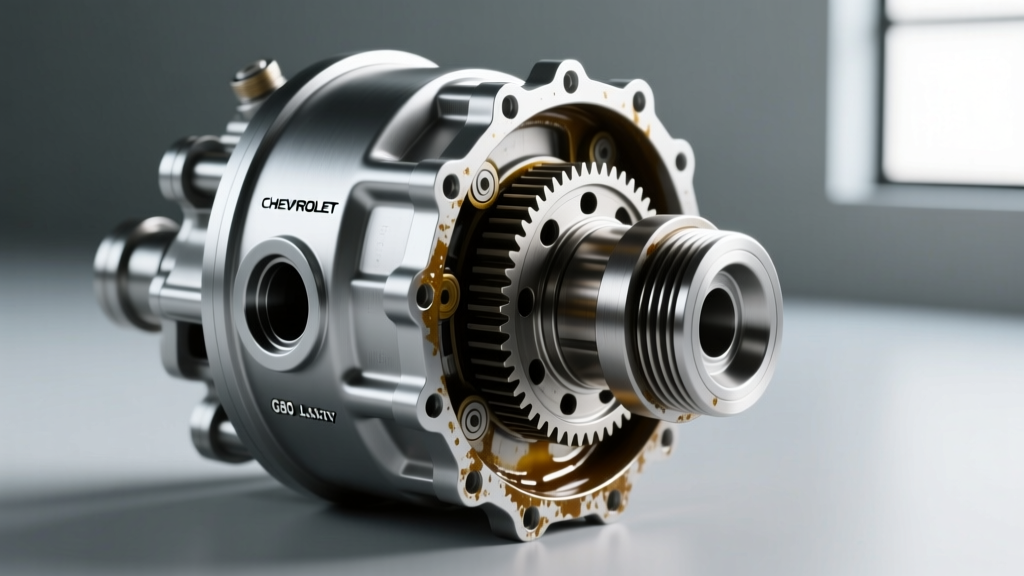
When enthusiasts and technicians discuss limited slip differential (LSD) operation and maintenance for the 2013 Chevrolet Silverado, a massive misconception often derails the service procedure. General Motors heavily equipped the 2013 Silverado lineup with the RPO G80 rear axle. While frequently mislabeled by owners and even some parts counters as a "limited slip," the G80 is actually an automatic mechanical locking differential. Understanding the mechanical distinction between the G80 locker, clutch-type LSDs, and helical gear LSDs (like the Eaton Truetrac) is the foundation of proper drivetrain maintenance, fluid selection, and long-term axle survival.
If you are tracking down the exact 2013 Silverado rear differential fluid capacity or trying to diagnose low-speed cornering chatter, you must first identify which differential carrier is housed inside your axle tube. Applying the wrong friction modifiers or utilizing the incorrect gear oil viscosity can lead to catastrophic pawl failure in a G80, or severe clutch-pack degradation in a traditional LSD.
Pinpointing the 2013 Silverado Rear Differential Fluid Capacity
The 2013 Silverado spans multiple weight ratings (1500, 2500HD, 3500HD), meaning the rear axle configurations vary wildly. The fluid capacity is dictated by the ring gear diameter and the housing design. Below is the definitive factory service manual specification chart for the most common 2013 Silverado rear axles.
| Axle Configuration | RPO Code | Ring Gear Size | Service Fill Capacity | OEM Fluid Specification |
|---|---|---|---|---|
| 1500 Semi-Floating | AXN | 9.5-inch (14-Bolt) | 2.75 Pints (1.3L) | ACDelco 75W-90 Synthetic |
| 1500 Standard | GU6/GT4 | 8.625-inch (10-Bolt) | 2.0 Pints (0.95L) | ACDelco 75W-90 Synthetic |
| 2500HD/3500 Full-Float | C6W | 10.5-inch (14-Bolt) | 3.0 Pints (1.4L) | ACDelco 75W-90 Synthetic |
Note: The 9.5-inch 14-bolt semi-floating axle (RPO AXN) is the most common heavy-duty option for the 2013 Silverado 1500. When performing a dry fill after a complete rebuild, the capacity may slightly exceed the 2.75-pint service fill specification due to fluid coating the internal bearings and axle tubes.
Mechanical Deep-Dive: Differential Operation
To maintain these axles properly, you must understand how they manage torque biasing and wheel slip. The maintenance requirements for a locking differential are fundamentally opposed to those of a clutch-based limited slip.
The GM G80 Automatic Locker
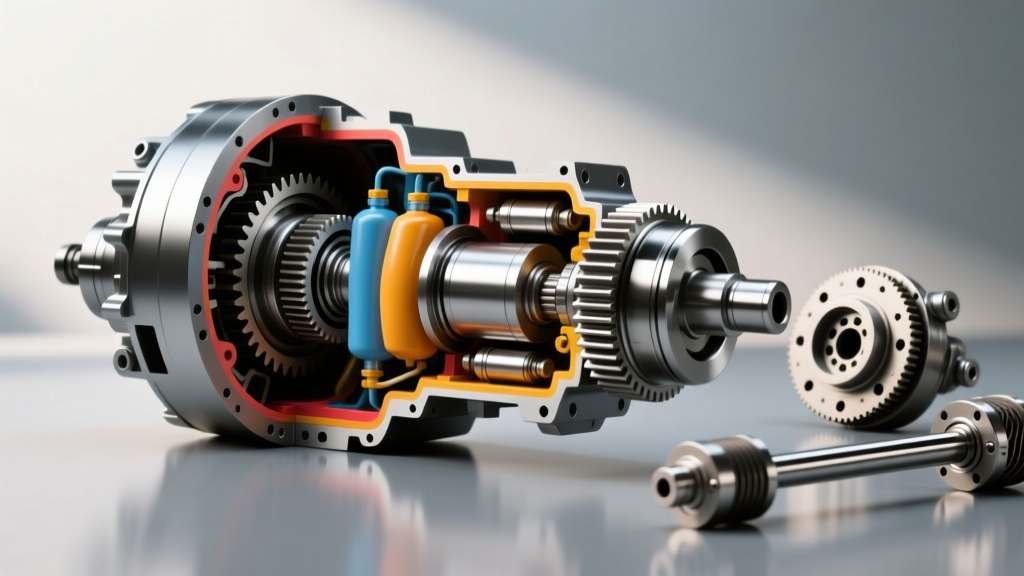
The G80 operates via a flyweight governor mechanism. Under normal driving conditions, it functions as an open differential. However, when the electronic or mechanical sensors detect a wheel speed difference of approximately 100 RPM between the left and right axles, centrifugal force throws a weighted pawl outward. This pawl catches a latching bracket, which instantly engages a planetary gearset, mechanically locking both axle shafts together in a 1:1 ratio. Because it relies on raw mechanical engagement rather than clutch friction, the G80 requires zero friction modifier additives.
Clutch-Pack and Helical Gear LSDs
While the G80 was the factory standard for "lockers," certain fleet packages, aftermarket upgrades, or specialty trims utilized traditional clutch-pack LSDs or helical gear designs like the Eaton Truetrac. Clutch-pack LSDs utilize alternating steel and friction discs bound by preload springs. When torque is applied, the side gears attempt to push outward against the clutch packs, creating a biasing ratio that transfers power to the wheel with traction. These systems require specialized friction modifiers to prevent the clutch discs from grabbing and releasing erratically during low-speed turns.
The Friction Modifier Trap: A Costly Maintenance Error
The single most common maintenance error made during a 2013 Silverado rear differential service is the blind addition of GM Limited Slip Axle Lubricant Additive (Part # 12377916).
- If you have a G80 Locker: Do NOT add friction modifier. The modifier reduces the coefficient of friction on the internal locking pawl and gear teeth. This causes the flyweight to slip upon engagement, resulting in a phenomenon known as "pawl hammer." The repeated slipping and slamming will eventually shatter the cast iron locking bracket or strip the planetary gears, turning a $150 fluid service into a $2,500 axle replacement.
- If you have a Clutch-Type LSD: Friction modifier is mandatory. Without it, the clutch packs will chatter violently during parking lot maneuvers, degrading the friction material and contaminating your fresh 75W-90 gear oil with metallic and composite debris.
For standard open differentials and G80 lockers, a high-quality synthetic 75W-90 gear oil meeting API GL-5 specifications (such as ACDelco Dexron Gear Oil Part # 88862624) is all that is required.
Step-by-Step Service Protocol & Torque Specifications
Servicing the 9.5-inch 14-bolt semi-float axle requires precision and adherence to GM torque specifications to prevent housing leaks and plug blowouts.
1. Extraction and Preparation
Unlike some modern axles with dedicated drain plugs, the 9.5-inch 14-bolt often requires the removal of the rear differential cover to drain the fluid. Place a catch pan rated for at least 2 gallons beneath the axle. Remove the 10 perimeter cover bolts using a 13mm socket. Allow the fluid to drain completely. Use a plastic scraper to remove the old RTV sealant from both the axle housing flange and the stamped steel cover. Clean the mating surfaces with brake parts cleaner.
2. Internal Inspection
Before sealing the axle, inspect the magnetic drain plug (if equipped on your specific housing variation) or the internal magnetic ring on the cover. A fine metallic paste is normal for a 100,000-mile axle. However, jagged metal shards or chunks of bronze-colored material indicate planetary gear or thrust washer failure, requiring an immediate tear-down.
3. Sealing and Torque Specs
Apply a continuous 3mm bead of GM RTV Sealant (Part # 12378497) or a high-quality equivalent like Permatex Ultra Black. Do not use a pre-cut cork gasket, as GM specifically designed the 9.5-inch 14-bolt flange for RTV compression. Reinstall the cover and torque the bolts in a crisscross star pattern to 20 lb-ft (27 Nm). Allow the RTV to cure for a minimum of 4 hours before filling.
4. Filling to the Correct Capacity
Locate the fill plug on the front or side of the differential housing (typically a 3/8-inch square drive). Remove the plug. Pump in the 75W-90 synthetic gear oil until the fluid level reaches the bottom edge of the fill hole threads. For the 9.5-inch axle, expect to use exactly 2.75 pints. Reinstall the fill plug and torque it to 24 lb-ft (32 Nm). Over-tightening the fill plug can crack the cast-iron housing, leading to a catastrophic leak.
Real-World Diagnostics: Chatter, Whine, and Locking Failures
Post-service diagnostics are critical to verifying axle health. If you experience low-speed chatter after servicing a G80-equipped Silverado, verify that no friction modifier was accidentally added. If the fluid is correct, the chatter may stem from worn internal thrust washers or degraded fluid that was not fully flushed from the axle tubes.
Conversely, if the G80 fails to engage on slippery surfaces, the issue is rarely the fluid itself. More commonly, the flyweight governor mechanism becomes clogged with thick, degraded gear oil or metallic sludge, preventing the pawl from throwing outward at the required 100 RPM threshold. A complete solvent flush of the carrier assembly is often required to restore proper locking operation without resorting to a full carrier replacement.
Cost Breakdown and Maintenance Intervals
For DIY enthusiasts, a standard 2013 Silverado 9.5-inch rear differential service costs between $35 and $55, accounting for two quarts of synthetic 75W-90 ($15-$25 per quart) and a tube of RTV sealant ($8-$12). If you opt for a dealership or specialized drivetrain shop, expect to pay between $120 and $180 in labor and markup.
While GM historically labeled differential fluid as a "lifetime" fill under normal driving conditions, severe service (towing, off-roading, or frequent short-trip driving in extreme temperatures) mandates a fluid change every 50,000 miles. Adhering to these exact capacities, torque specifications, and fluid chemistry rules will ensure your Silverado's rear axle survives well past the 200,000-mile mark.