The Real Cost of a 2013 Nissan Rogue Torque Converter Replacement in 2026
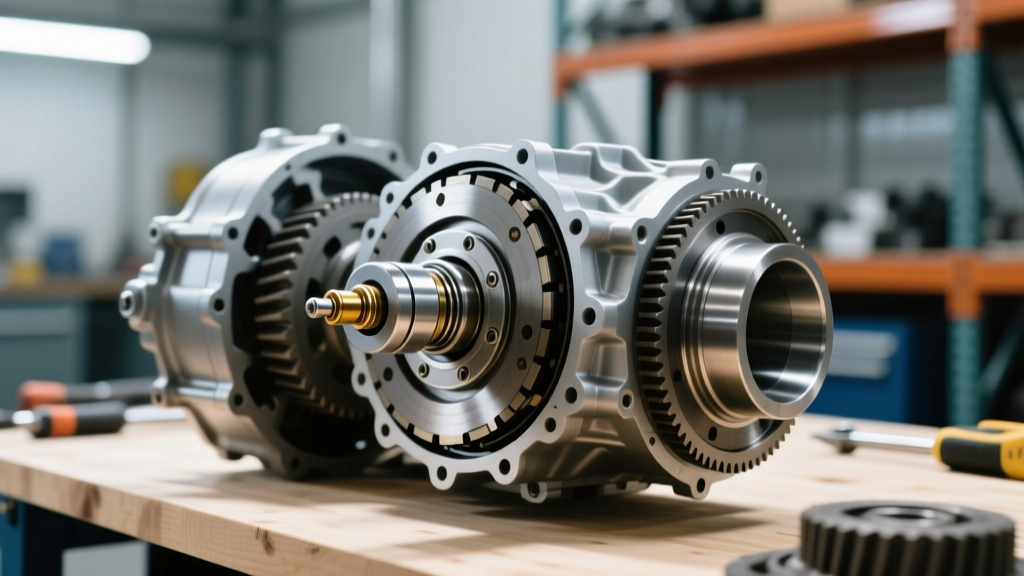
When diagnosing drivetrain shudder or engagement issues in the 2013 Nissan Rogue, the torque converter is often the primary suspect. However, because this vehicle utilizes the Jatco JF011E (RE0F10A) Continuously Variable Transmission (CVT), the 2013 Nissan Rogue torque converter replacement cost is heavily influenced by the unique architecture of the CVT system. By 2026, these vehicles are well over a decade old, meaning owners and independent technicians must weigh the cost of a standalone torque converter swap against the reality of internal CVT contamination.
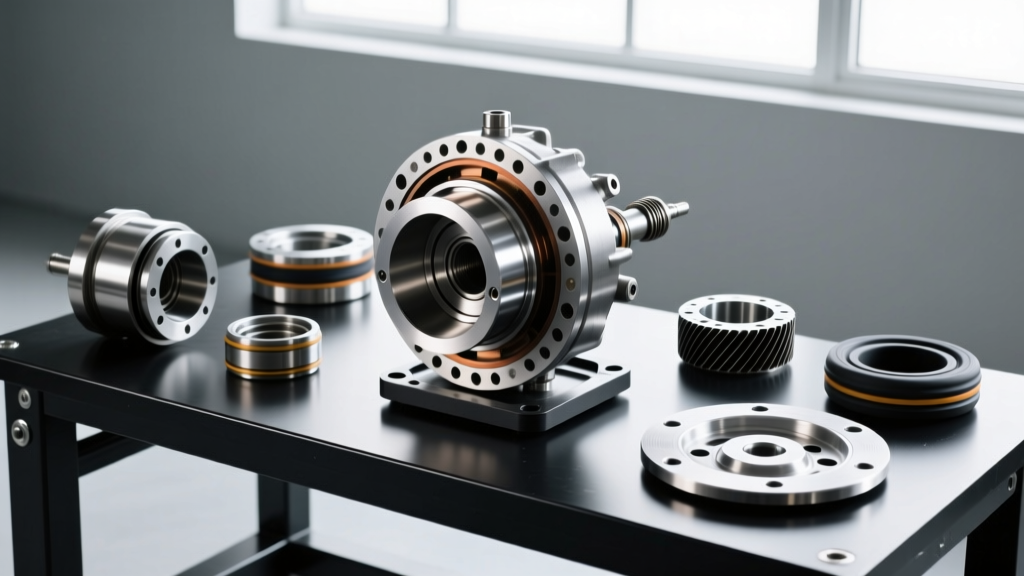
Unlike traditional stepped automatic transmissions, the torque converter in the JF011E is primarily used for initial launch, low-speed creep, and providing a torque multiplication effect before the CVT belt and variator pulleys take over. When the internal Torque Converter Clutch (TCC) fails, it sheds friction material directly into the shared CVT fluid sump. Below is a detailed breakdown of the current market pricing for this specific repair.
| Repair Component | OEM / Dealer Pricing | Aftermarket / Reman Pricing |
|---|---|---|
| Torque Converter Assembly | $750 - $950 | $350 - $550 |
| Transmission Labor (R&R) | $1,300 - $1,700 (8.5 hrs) | $1,300 - $1,700 (8.5 hrs) |
| Nissan NS-2 CVT Fluid (8.6 Qt) | $180 - $220 | $120 - $150 |
| Seals, O-Rings, and Axle Nuts | $85 - $120 | $50 - $80 |
| Total Estimated Cost | $2,315 - $2,990 | $1,820 - $2,480 |
Note: Labor rates vary by region. The 8.5-hour book time accounts for subframe removal, engine support, and CVT extraction.
Understanding the JF011E CVT Contamination Factor
The most critical piece of E-E-A-T knowledge any technician or Rogue owner must understand is the contamination factor. In a standard automatic transmission (like the GM 6L80 or Ford 6R80), a failing torque converter can sometimes be replaced, the transmission flushed, and the vehicle returned to service. The Jatco JF011E does not forgive this easily.
According to JATCO Global Technical Archives, the JF011E relies on a shared fluid circuit for both the torque converter and the variator pulleys. If your 2013 Nissan Rogue torque converter has been shuddering for several weeks, the degraded TCC friction lining has likely circulated through the transmission cooler and into the valve body. This microscopic debris scores the precision-machined steel push-belt and the hydraulic control valves. If you install a new torque converter into a JF011E with compromised pulleys, the new TC will fail within 5,000 miles due to erratic line pressure and belt slip.
When is a Standalone TC Replacement Viable?
- Early Intervention: The shudder was caught immediately (within a few hundred miles) and the CVT fluid still appears clean and red on the dipstick.
- Verified Solenoid Health: A scan tool confirms that the TCC slip RPM is erratic, but line pressure solenoids (Solenoid B) are operating within factory parameters.
- No Metal in the Pan: Dropping the CVT pan reveals only fine friction clutch dust, but zero metallic flakes or steel belt shavings on the magnets.
Symptoms of a Failing Torque Converter in the 2013 Rogue
Identifying a failing torque converter in a CVT requires a trained ear and a capable OBD-II bidirectional scanner. The symptoms often mimic failing engine mounts or misfires, leading to misdiagnosis. Watch for these specific JF011E indicators:
- Low-Speed Shudder (25-45 MPH): As the TCC attempts to lock up for fuel economy, a degraded friction surface causes a violent, rhythmic shaking that feels like driving over rumble strips.
- Delayed Forward Engagement: A sluggish response when shifting from Park to Drive, often accompanied by a rise in RPMs before the vehicle 'catches'.
- Highway Whining or Humming: While often associated with failing CVT bearings, a damaged torque converter stator clutch can emit a distinct whine under load.
- OBD-II Trouble Codes: P0744 (Torque Converter Clutch Intermittent) is the most common. You may also see P0746 (Pressure Control Solenoid B) if the debris has begun affecting the valve body.
OEM Part Numbers and Critical Fluid Specifications
Sourcing the correct parts is non-negotiable for the 2013 Rogue. The JF011E is highly sensitive to fluid friction modifiers. Using the wrong fluid will result in immediate belt slip and catastrophic CVT failure.
Part Number Reference
- OEM Torque Converter: Nissan 31000-1XF0A (or updated supersessions like 31000-1XF0D depending on exact build date).
- Remanufactured Alternatives: Powertrain Industries (PI) and Jasper Engines offer JF011E-specific torque converters that include upgraded billet stators and reinforced TCC pistons.
- Flexplate Bolts: Nissan 12362-ED01A (Must be replaced; these are torque-to-yield).
Fluid Capacity and Type
You must use Nissan NS-2 CVT Fluid. Do not use NS-3 (which is formulated for the newer JF016E CVTs found in 2014+ Rogues) and do not use generic 'Multi-Vehicle' CVT fluids. The friction modifiers in NS-2 are specifically calibrated for the JF011E's lock-up clutch and steel belt interface.
- Dry Fill Capacity: 8.6 Quarts (8.1 Liters)
- Drain and Fill Capacity: 5.5 Quarts (5.2 Liters)
- Fluid Level Check Temperature: Must be verified between 40°C and 50°C (104°F - 122°F) using the overflow plug on the side of the transmission case while the engine is idling.
Step-by-Step R&R Overview and Torque Specifications
Replacing the torque converter on the 2013 Nissan Rogue requires dropping the front subframe or utilizing an engine support bar to tilt the powertrain. The exhaust Y-pipe, front axles, and transfer case (if equipped with AWD) must be removed. For comprehensive service data, technicians should consult the Nissan Technical Information System (NTIS) for factory wiring diagrams and hydraulic pressure charts.
Critical Torque Specifications
| Component | Fastener Size | Torque Specification |
|---|---|---|
| Torque Converter to Flexplate | M10 x 1.25 | 35 ft-lbs (47 Nm) |
| Transmission to Engine Block | M12 / M10 | 33 ft-lbs (45 Nm) / 22 ft-lbs (30 Nm) |
| Front Axle Nut (CVT Side) | M22 | 133 ft-lbs (180 Nm) |
| Subframe to Body Mounts | M14 | 85 ft-lbs (115 Nm) |
| Transfer Case to CVT (AWD) | M10 | 26 ft-lbs (35 Nm) |
Pro-Tip: Before mating the CVT to the engine block, ensure the torque converter is fully seated into the transmission oil pump. You must measure the distance from the bellhousing mating surface to the TC mounting pads. If it is not fully seated (usually requiring three distinct 'clicks' or drops during installation), tightening the bellhousing bolts will crack the cast aluminum CVT pump housing, instantly destroying the unit upon engine start.
Expert Verdict: Replace the TC or the Entire CVT?
As a transmission specialist evaluating the 2013 Nissan Rogue torque converter replacement cost, my advice hinges entirely on the vehicle's maintenance history and current fluid condition. If the CVT fluid is dark, smells burnt, or contains metallic particles, do not replace just the torque converter. The cost of labor to pull the transmission twice will far exceed the value of the vehicle.
In cases of severe internal wear, sourcing a low-mileage used JF011E from a salvage yard (typically $800 - $1,200) or investing in a fully remanufactured CVT assembly with a 3-year warranty ($2,500 - $3,500 installed) is the most economically sound decision for a 2013 Rogue in 2026. However, if the shudder is caught early, the fluid is pristine, and the valve body tests perfectly, a standalone torque converter replacement paired with a rigorous triple-flush of the cooler lines remains a highly viable and cost-effective repair strategy.