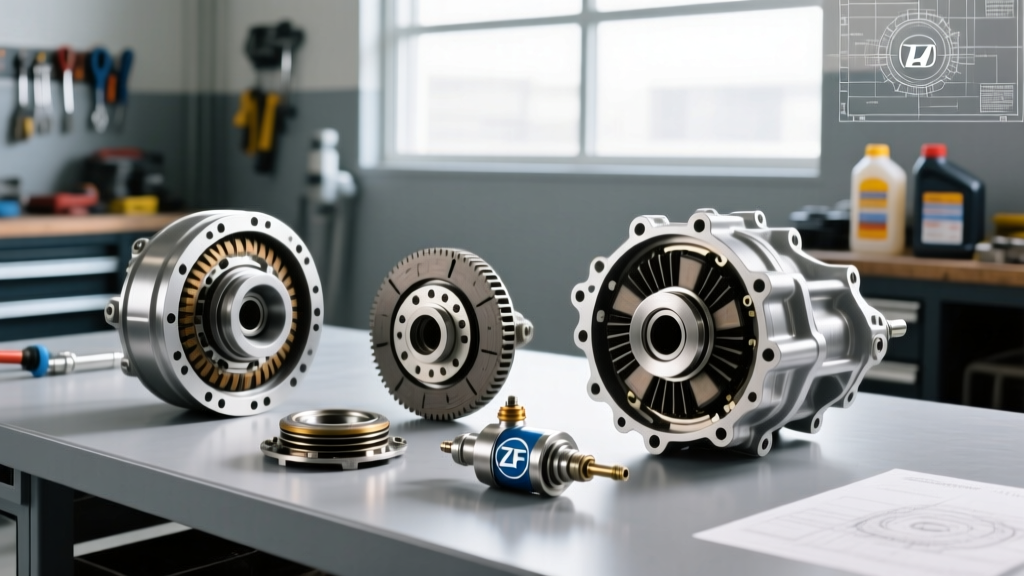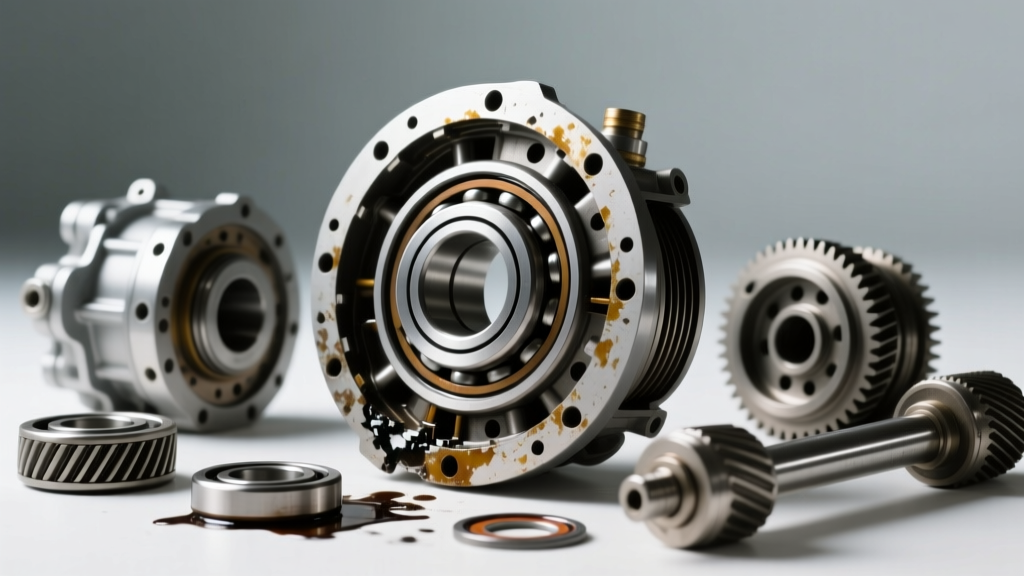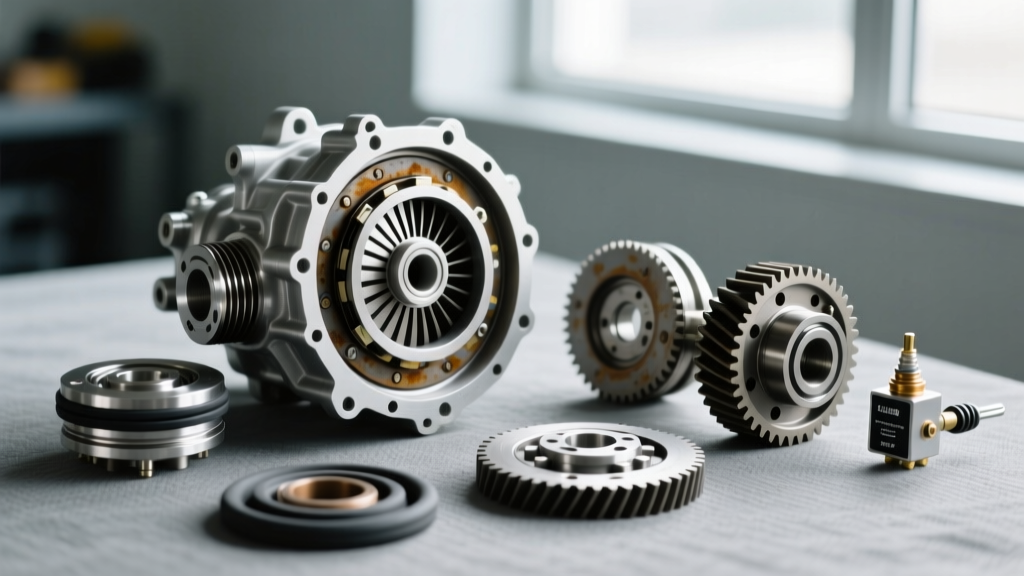
The Thermodynamics of TCC Slip and TC Overheating
Torque converter overheating problems represent one of the most insidious failure modes in modern automatic transmissions. When automatic transmission fluid (ATF) temperatures exceed 240°F (115°C), the fluid begins to rapidly oxidize, varnish forms on valve body spool valves, and the friction material on the Torque Converter Clutch (TCC) degrades. By the time your transmission control module (TCM) triggers a limp-mode or a check engine light, catastrophic internal damage may have already occurred.
The primary function of the TCC is to eliminate fluid coupling slip during steady-state cruising, creating a direct 1:1 mechanical link between the engine and the transmission input shaft. When the TCC fails to fully lock up, continuous micro-slip generates massive amounts of friction heat. The gatekeeper for this lockup mechanism is the TCC solenoid—often a Pulse Width Modulated (PWM) or variable force solenoid. If you are battling persistent high ATF temperatures, understanding when and how to replace torque converter solenoid components is a critical step in your diagnostic and repair strategy.
Diagnostic Matrix: Is the Solenoid or the Clutch at Fault?
Before you drop the transmission pan and order parts, you must isolate the root cause of the overheating. A failing TCC solenoid will typically manifest as erratic slip, failure to lock, or harsh lockup engagements. However, worn friction material inside the torque converter itself can mimic solenoid failure. As of 2026, utilizing a bi-directional OBD2 scanner with live TCM data streaming is mandatory for accurate diagnosis.
Monitor the TCC Slip Speed PID while driving at a steady 55-65 MPH in top gear. The slip should read between 0 and 20 RPM. Use the following diagnostic matrix to interpret your scanner data:
| TCC Slip RPM (Steady Cruise) | Probable Failure Point | Recommended Action |
|---|---|---|
| 0 - 20 RPM | Normal Operation | None. Check external coolers and lines for blockages. |
| 20 - 60 RPM (Erratic) | Failing PWM Solenoid / Debris in Valve Body | Drop pan, inspect for clutch debris, replace TCC solenoid. |
| 60 - 150 RPM (Consistent) | Worn Valve Body Bore or Worn TCC Friction Material | Perform hydraulic pressure test; replace torque converter if friction is worn. |
| > 150 RPM or No Lockup | Blown TCC Seal, Broken Solenoid Circuit, or Stripped Hub | Full transmission teardown and torque converter replacement required. |
Pro-Tip from the Bench: If your scanner shows 0 RPM slip but your fluid temperatures are still soaring past 230°F, the TCC solenoid and clutch are likely functioning perfectly. Your issue is likely a restricted transmission cooler, a failing external bypass valve, or a stuck thermostat in the cooler line circuit.
Buyer’s Guide: Comparing TCC Solenoids for Overheating Fixes
If your diagnostic data points to an electrical or mechanical failure within the solenoid itself, you must choose the right replacement. The aftermarket is flooded with cheap, out-of-spec solenoids that can cause harsh shifts or immediate overheating upon installation. Below is a comparison of the most reliable options available for popular platforms like the GM 4L60E/6L80, Ford 6R80, and ZF 8HP families.
| Brand / Type | Part Number Example | Target Application | Price Range (2026) | Verdict & E-E-A-T Insight |
|---|---|---|---|---|
| OEM (ACDelco / Motorcraft) | ACDelco 24230298 (GM) | GM 4L60E / 4L80E | $45 - $75 | Best for Daily Drivers. OEM PWM solenoids guarantee factory calibration for smooth TCC apply and optimal heat dissipation. |
| Premium Aftermarket (Rostra) | Rostra 52-0215 | GM 6L80 / 6L90 TEHCM | $80 - $120 | Excellent OEM Alternative. Rostra manufactures many solenoids for the OE supply chain. Highly reliable for TEHCM replacements. |
| OEM Solenoid Body Assembly | Motorcraft 7T4Z-7G391-A | Ford 6R80 / ZF 6HP26 | $180 - $260 | Mandatory for Ford/ZF. These units require buying the entire molded lead frame/solenoid body. Do not attempt to swap individual solenoids on a 6R80. |
| Performance / Heavy Duty | Sonnax 12821A-01 (Kit) | GM 4L60E Valve Body | $35 - $55 | Fixes the Root Cause. This is a lockup control valve kit, not a solenoid, but it is required when the valve body bore is worn out. |
The Valve Body Bore Wear Factor: Why Solenoid Replacement Sometimes Fails
A common mistake DIYers and novice mechanics make is replacing the TCC solenoid, only to find the torque converter overheating problems persist a week later. According to technical bulletins from Sonnax Industries, the aluminum valve body bores where the TCC regulator and lockup control valves reside are prone to severe wear. When the bore wears oval, pressurized ATF bypasses the valve, starving the torque converter of apply pressure. The TCM commands the solenoid to lock the clutch, but the hydraulic pressure bleeds off, resulting in continuous slip and extreme heat. If you find heavy aluminum glitter in your transmission pan alongside a failing TCC solenoid, you must ream the valve body bore and install an oversized steel sleeve kit alongside your new solenoid.
Installation Protocols: Torque Specs and Fluid Match
Replacing a TCC solenoid requires meticulous attention to cleanliness and torque specifications. A single piece of clutch debris lodged in the new solenoid's micro-filter will cause immediate failure.
GM 4L60E / 4L80E TCC Solenoid Replacement
- Access: Remove the transmission fluid pan and the internal filter.
- Removal: Unplug the electrical connector and remove the single retaining bolt or clip holding the TCC PWM solenoid to the valve body.
- Torque Spec: The TCC solenoid retaining bolt must be torqued to 11 Nm (97 lb-in). Overtightening will crack the plastic solenoid housing or distort the valve body separator plate.
- Fluid: Refill with exactly 5 to 6 quarts of ACDelco Dexron VI. Do not use older Dexron III formulations, as the friction modifiers are incompatible with modern TCC apply strategies.
GM 6L80 / 6L90 TEHCM Replacement
The 6L80 utilizes a Transmission Control Module (TEHCM) that houses all solenoids, including the TCC solenoid, into one integrated unit mounted inside the pan.
- Torque Spec: TEHCM to case bolts must be torqued to 8 Nm (71 lb-in) in the factory-specified star pattern.
- Programming: Unlike older solenoids, replacing a 6L80 TEHCM requires a J2534 pass-through programming tool to flash the calibration and perform the TCC apply pressure adaptation resets.
Ford 6R80 Solenoid Body Replacement
The Ford 6R80 (based on the ZF 6HP26) uses a molded plastic lead frame that integrates all six shift solenoids and the TCC solenoid.
- Torque Spec: The solenoid body assembly retaining bolts require 10 Nm (89 lb-in).
- Calibration: You must use a Ford IDS or FORScan software to reset the Transmission Fluid Temperature (TFT) and TCC adaptions after replacement.
Cost Breakdown: DIY vs. Professional Solenoid Replacement
Understanding the financial landscape of this repair helps you decide whether to tackle the job yourself or seek professional help. Based on average 2026 market rates and data aggregated from the RockAuto Parts Catalog and industry repair databases:
- DIY Parts Cost: $45 to $250 (depending on whether you need a single solenoid or an integrated TEHCM/Lead frame).
- DIY Fluid & Filter Cost: $60 to $120 for full synthetic ATF and a new filter kit.
- Professional Labor: $250 to $450 (includes pan removal, solenoid replacement, fluid service, and OBD2 adaptation resets).
- Total Shop Bill: $400 to $850.
While the DIY route saves significant labor costs, the requirement for bi-directional TCM adaptation resets on modern 6-speed, 8-speed, and 10-speed transmissions often necessitates a visit to a specialist. The Automatic Transmission Rebuilders Association (ATRA) strongly recommends that any shop performing TCC solenoid replacements must verify post-repair TCC slip RPMs and line pressures before returning the vehicle to the customer.
Final Verdict: Stopping Overheating Before It Destroys Your Transmission
Torque converter overheating problems are rarely isolated incidents; they are symptoms of hydraulic inefficiency or electrical degradation. If your live data scanner confirms excessive TCC slip, and your pan inspection reveals clean fluid free of heavy friction material, it is time to replace torque converter solenoid components. Always prioritize OEM or premium-tier aftermarket solenoids, verify your valve body bores for wear, and strictly adhere to manufacturer torque specifications. By addressing TCC slip early, you protect the integrity of your ATF, preserve the friction materials inside the torque converter, and ensure the longevity of your entire drivetrain.