The Architecture of the MKX AWD System
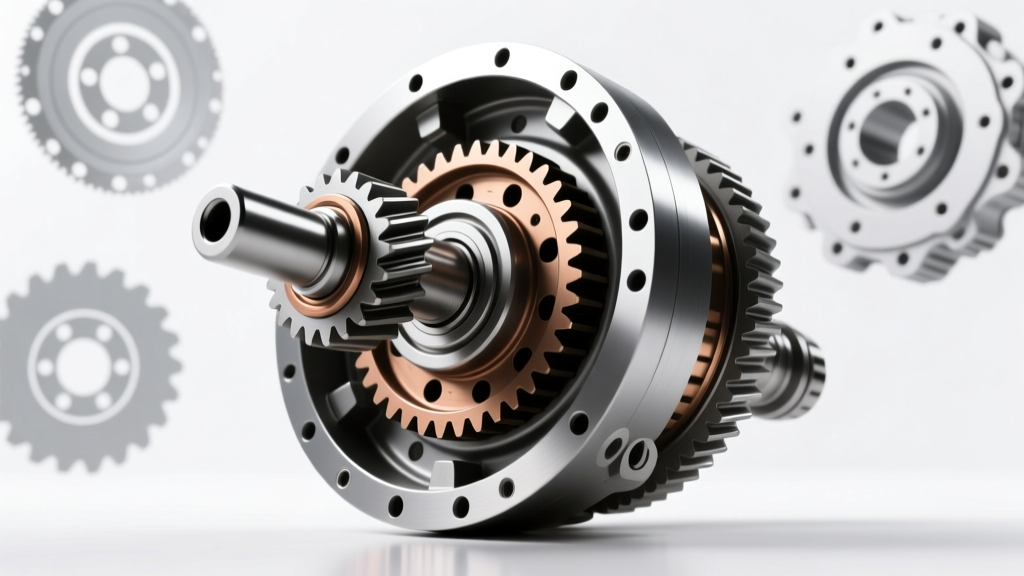
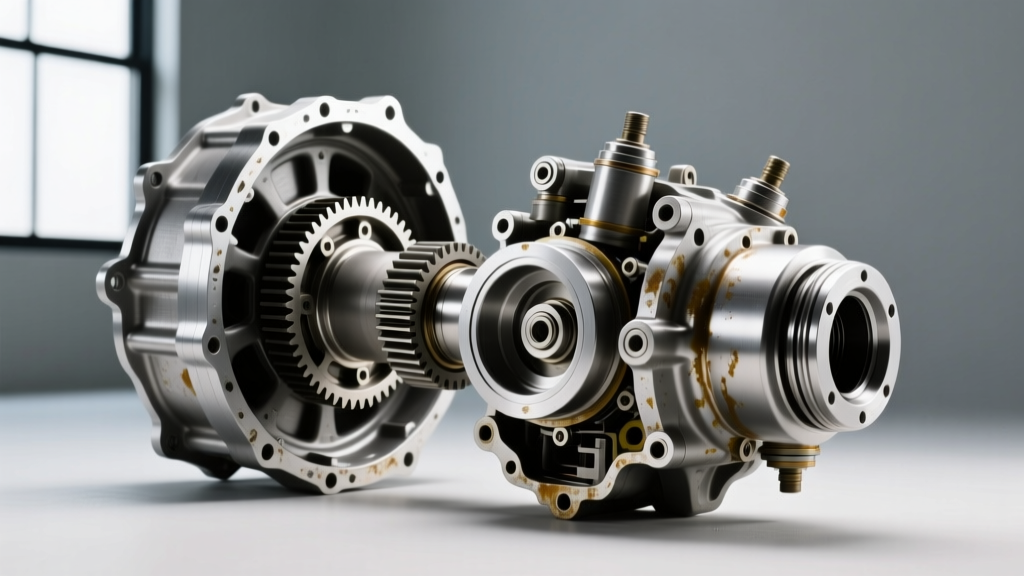
The 2013 Lincoln MKX, equipped with the 3.7L Duratec V6 and the 6F55 six-speed automatic transmission, utilizes a sophisticated all-wheel-drive (AWD) system. Unlike traditional longitudinal trucks with a dedicated transfer case, this transverse platform relies on a Power Transfer Unit (PTU) acting as the center differential. The PTU bolts directly to the transmission, using a hypoid gear set to redirect torque 90 degrees to the rear driveshaft. From there, the power travels to the 2013 Lincoln MKX rear differential, which distributes it to the rear wheels.
When drivers experience drivetrain binding, whining, or shuddering, isolating the fault between the PTU (center diff) and the rear axle is critical. As of 2026, with these vehicles aging well past the decade mark, fluid degradation, bearing wear, and viscous coupling failures are at epidemic levels. Proper symptom diagnosis requires a deep understanding of how these two units interact and how their specific fluid requirements dictate AWD health.
Symptom Isolation: Is it the Center PTU or the Rear Differential?
Because the PTU and the rear differential are connected via a rigid driveshaft, a noise or binding sensation in the rear of the cabin can easily be misdiagnosed. Use the following diagnostic matrix to isolate the failing component before tearing into the drivetrain.
| Symptom | Likely Culprit | Diagnostic Clue & Test | Fluid Forensics |
|---|---|---|---|
| High-pitch whine on deceleration | Rear Diff Pinion Bearing | Pitch changes exactly with vehicle speed; unaffected by engine RPM or trans gear. | Rear diff fluid contains fine metallic glitter (bearing material). |
| Low-frequency groan during tight turns | PTU / Center Diff | Worst during low-speed parking maneuvers; feels like the rear tires are hopping. | PTU fluid smells like burnt sulfur; clutch pack degradation. |
| Shudder under hard acceleration | Driveshaft / Rear Diff | Vibration peaks between 30-50 mph. Check rear CV joints and pinion flange. | Rear diff fluid shows chunky metal flakes (gear tooth spalling). |
| AWD Warning Light + Drivetrain Binding | PTU Overheat / Viscous Coupling | Vehicle defaults to FWD. PTU casing is excessively hot to the touch after driving. | PTU fluid is black, sludgy, and entirely devoid of lubricity. |
Auditory Diagnostics: Decoding the Whine
Pinion bearing failure in the rear differential typically presents as a 'howl' that changes pitch based on load. If the noise is prominent when you lift off the throttle (coast side of the ring and pinion gear), the pinion bearing preload is likely compromised, or the coast-side gear teeth are pitted. Conversely, a whine under acceleration points to the drive-side of the gear set. The PTU, however, tends to emit a mechanical 'grind' or 'growl' when its internal angular contact bearings fail, often accompanied by a noticeable vibration in the floorboards.
Fluid Forensics: Reading the Gear Oil
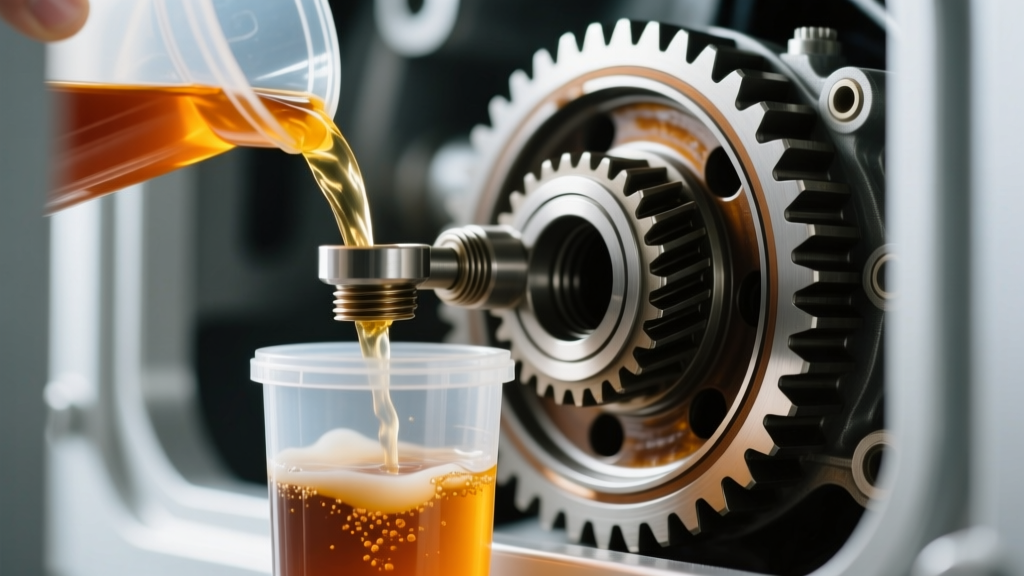
The lifeblood of the MKX AWD system is its gear oil. Ford specifies SAE 75W-140 Synthetic Gear Lubricant (Motorcraft part number XY-75W140-QL) for both the PTU and the rear differential in most AWD applications to handle the extreme shear forces and heat generated by the hypoid gears.
- Normal Fluid: Translucent amber to light brown, with a distinct, sharp sulfur odor.
- Overheated PTU Fluid: Opaque black, thick sludge. The PTU sits inches from the catalytic converter, making it highly susceptible to thermal breakdown. If the fluid resembles asphalt, the internal viscous coupling is likely compromised.
- Milky/Chocolate Milk Fluid: Indicates water intrusion. In the rear differential, this usually means a compromised axle seal or a submerged vent tube. In the PTU, it suggests a failed internal seal allowing transmission coolant or external water ingress.
Step-by-Step Troubleshooting and Service Specs
Servicing the AWD system on the 2013 MKX is notoriously frustrating due to packaging constraints. Here are the exact procedures and specifications required to service the center and rear differentials correctly.
1. Servicing the PTU (The Center Differential)
The most critical thing to know about the 6F55-equipped PTU is that it does not have a factory drain plug. Ford's original engineering assumed the PTU fluid was a 'lifetime' fill, a decision that has led to widespread premature failures.
- Extraction: You must use a pneumatic or manual fluid evacuator pump. Remove the 3/8-inch NPT fill plug located on the passenger side of the PTU. Insert the extractor hose down to the lowest point of the sump and pump out the degraded 75W-140 fluid.
- Capacity: The PTU holds a remarkably small amount of fluid—approximately 0.85 Liters (18 oz). Because the volume is so low, any contamination rapidly accelerates wear.
- Refill: Use a flexible-neck funnel or a fluid injection syringe to slowly pump fresh Motorcraft 75W-140 Synthetic into the fill hole until it reaches the bottom of the threads.
- Torque Spec: Reinstall the fill plug and torque to 22 lb-ft (30 Nm). Wrap the threads with PTFE tape or a liquid thread sealant to prevent gear oil from weeping onto the exhaust.
2. Servicing the 2013 Lincoln MKX Rear Differential
Unlike the PTU, the rear differential features standard drain and fill plugs, making service straightforward.
- Drain: Remove the 3/8-inch hex drain plug first. Allow the fluid to drain completely. Inspect the magnetic tip of the plug. A fine, fuzzy layer of dark metal paste is normal. Chunky shards or 'glitter' indicate catastrophic bearing or gear failure.
- Capacity & Refill: The rear axle requires approximately 1.15 Liters (1.21 qts) of 75W-140 Synthetic Gear Oil. Fill through the upper plug hole until the fluid begins to weep out.
- Friction Modifier: Most 2013 MKX AWD models utilize an open rear differential, relying on the ABS module for brake-based traction control. However, if your specific axle code denotes a Limited-Slip Differential (LSD), you must add 2 oz of Motorcraft XL-3 Friction Modifier to prevent clutch chatter during cornering.
- Torque Spec: Torque both the drain and fill plugs to 33 lb-ft (45 Nm).
The Silent Killer: Tire Circumference Mismatch
When diagnosing AWD binding or premature PTU/rear differential failure, you must inspect the tires. The MKX AWD system relies on a viscous coupling inside the PTU to manage front-to-rear slip. If the front tires are significantly more worn than the rear tires, the front wheels will rotate faster than the rear wheels at highway speeds.
This constant speed differential forces the PTU's internal clutch pack to slip continuously, generating massive amounts of heat. This heat degrades the 75W-140 fluid, eventually destroying the PTU and sending shockwaves down the driveshaft that can damage the rear differential's pinion bearings. According to Tire Rack and AWD engineering standards, tire rolling circumference must be kept within 1/4 inch across all four corners. If you replace two tires on an MKX AWD, you must have the new tires 'shaved' to match the tread depth of the remaining tires, or replace all four simultaneously.
2026 Market Realities: Rebuild vs. Replace
If your diagnostics confirm internal mechanical failure, you face a decision: rebuild or replace. As of 2026, sourcing low-mileage OEM units from salvage yards is a gamble due to the age of the CD4 platform vehicles.
- PTU Replacement: A brand-new OEM PTU from a dealer will cost between $1,400 and $1,800 for the part alone. Aftermarket remanufactured units available via the RockAuto Parts Catalog range from $800 to $1,100. Rebuilding a PTU requires specialized bearing pullers and shim-selection tools for the hypoid gear backlash; it is rarely cost-effective for independent shops.
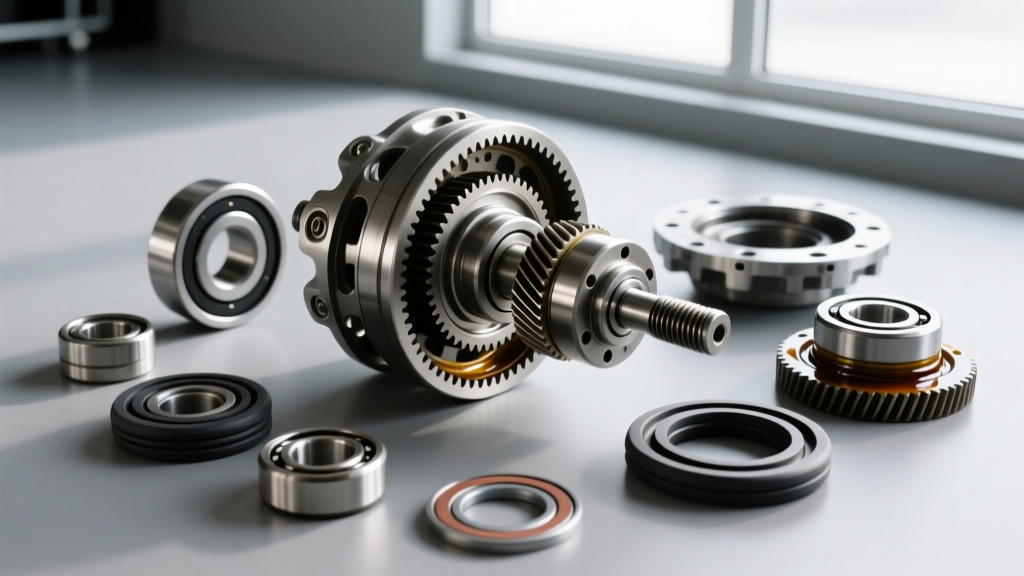
- Rear Differential Replacement: A complete rear axle assembly from a salvage yard typically runs $400 to $700. If only the pinion bearing is failed, a rebuild kit (bearings, seals, crush sleeve, and pinion nut) costs around $120, but setting the pinion depth and backlash requires a dial indicator and inch-pound torque beam.
For more detailed maintenance schedules and fluid capacities, always cross-reference your specific VIN with the Ford Motorcraft Maintenance Guides. Proper fluid maintenance and strict tire-matching protocols are the only ways to ensure the 2013 Lincoln MKX AWD system survives its second decade on the road.