Understanding the 2001 Dodge Ram 1500 Rear Differential
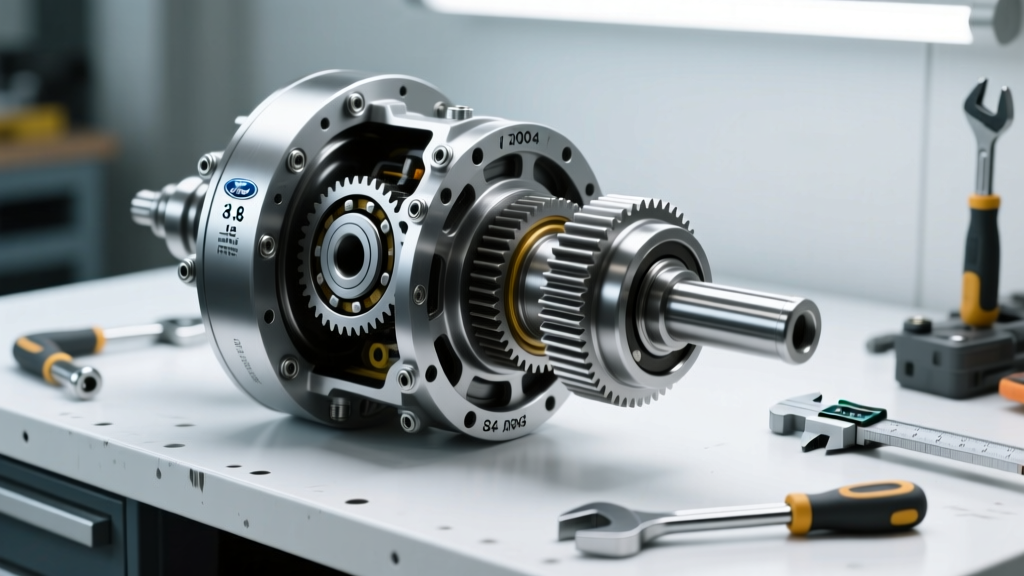
As we navigate the classic truck restoration and off-road modification landscape in 2026, the second-generation Dodge Ram remains a staple on the trails and job sites. At the heart of the truck's drivetrain is the 2001 Dodge Ram 1500 rear differential. Most half-ton models from this year are equipped with the robust Chrysler 8.25-inch ring gear axle, while heavier-duty or off-road packages may feature the legendary Dana 44. Whether you are upgrading to 4.10 gears for larger tires or replacing a worn-out factory set, mastering the ring and pinion gear setup is critical. A poorly set gear will whine, overheat, and catastrophically fail within a few hundred miles. However, with the right tools and a methodical approach, even a beginner can achieve a factory-perfect setup.
The Three Pillars of Gear Setup
Setting up a differential is not dark magic; it is a precise exercise in managing three intersecting variables. If you understand these three concepts, you can set up any solid-axle differential.
1. Pinion Depth
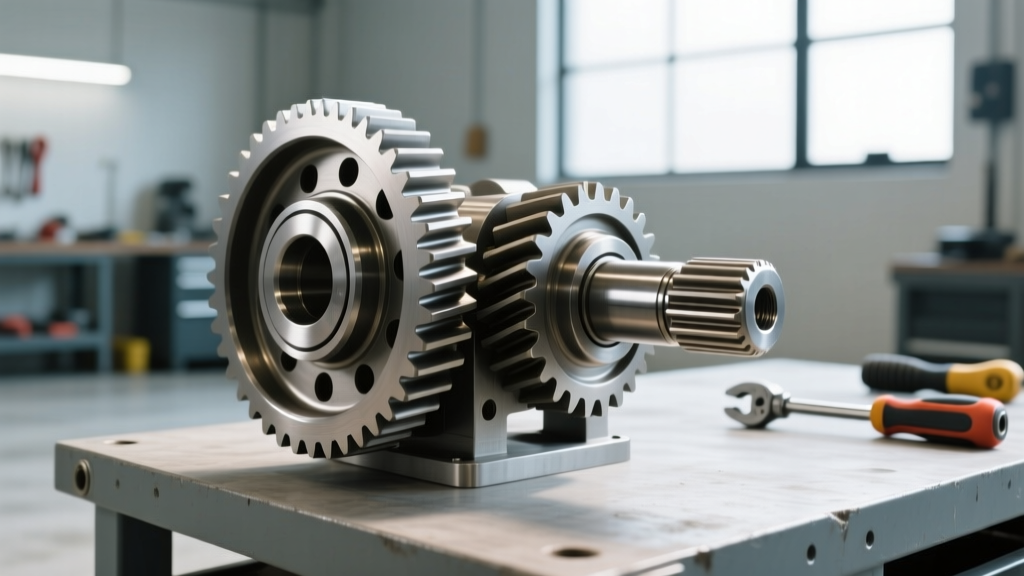
Pinion depth dictates how close the pinion gear sits to the centerline of the ring gear. This is adjusted by adding or removing shims between the pinion head bearing and the differential housing. If the pinion is too deep, it will bind against the ring gear's flank. If it is too shallow, it will ride on the very edge of the teeth, causing immediate spalling and failure.
2. Backlash
Backlash is the microscopic amount of rotational play between the ring and pinion gears before the teeth make solid contact. It is adjusted by moving the carrier (and the ring gear bolted to it) closer to or further from the pinion using side adjusters or carrier shims. Proper backlash allows for thermal expansion of the gears under heavy towing loads without binding.
3. Bearing Preload
Preload is the rotational resistance of the bearings. The pinion bearing preload is typically set by a crush sleeve (or solid spacer) that compresses when the massive pinion nut is torqued down. Carrier bearing preload ensures the ring gear cannot deflect away from the pinion under heavy torque. Both must be within strict inch-pound specifications to prevent bearing chatter and premature wear.
Essential Tooling for the Beginner
Do not attempt a gear setup with standard garage tools. The tolerances are measured in thousandths of an inch, requiring specialized equipment. According to the technical experts at Ring-Pinion.com Technical Guides, investing in or renting the correct tools is cheaper than buying a second gear set after your first one fails.
- Inch-Pound Torque Wrench (Beam Style): A standard click-style foot-pound wrench is useless for measuring bearing preload. You need a beam-style inch-pound wrench (0-50 in-lbs range) to accurately read rotational drag.
- Dial Indicator with Magnetic Base: Must have a 0.001-inch resolution to measure backlash accurately.
- Setup Bearings: These are standard bearings where the inner race has been honed out slightly to create a "slip fit." This allows you to slide the bearings on and off the pinion shaft by hand dozens of times while testing shim thicknesses, saving hours of work with a hydraulic press.
- Gear Marking Compound: A specialized yellow or white paste (often called yellow ochre) used to paint the ring gear teeth to visualize the contact patch.
- Case Spreaders or Pry Bars: For safely removing and installing the carrier without damaging the axle housing.
Chrysler 8.25-Inch Specification Reference Table
The Chrysler 8.25 is the most common axle found in the 2001 Ram 1500. Below are the exact factory specifications you must target during your setup. Always verify with the specific gear manufacturer's included spec sheet, as aftermarket ratios may vary slightly.
| Specification Metric | Target Value | Acceptable Tolerance Range |
|---|---|---|
| Ring Gear to Carrier Bolt Torque | 90 lb-ft | 85 - 95 lb-ft (Use Red Loctite) |
| Pinion Nut Torque (Final Assembly) | 250+ lb-ft | 200 - 300 lb-ft (To achieve crush) |
| Pinion Bearing Preload (Used Bearings) | 20 in-lbs | 15 - 25 in-lbs rotational drag |
| Pinion Bearing Preload (New Bearings) | 30 in-lbs | 25 - 35 in-lbs rotational drag |
| Ring Gear Backlash | 0.008 inches | 0.006 - 0.010 inches |
| Carrier Bearing Preload | N/A (Shimmed) | 15 - 25 in-lbs total rotational drag |
Reading the Gear Contact Pattern
Once your pinion depth shims and backlash are roughly set, you must verify the physical contact patch using marking compound. Paint three to four teeth on the ring gear on both the Drive side (the convex side of the tooth that pushes the truck forward) and the Coast side (the concave side used in reverse or engine braking). Rotate the pinion yoke back and forth against resistance to transfer the pattern.
Expert Insight: The Drive side pattern is the most critical for daily driving and towing. A perfect pattern will sit squarely in the middle of the tooth face, slightly biased toward the heel (the inner, thicker end of the gear tooth) under no load, moving to the center under load.
Pattern Troubleshooting Guide
- Pattern on the Toe (Outer Edge) & High on Flank: The pinion is too shallow. Add pinion depth shims to move the pinion deeper into the ring gear.
- Pattern on the Heel (Inner Edge) & Low on Face: The pinion is too deep. Remove pinion depth shims.
- Pattern is Too Narrow (Edge Contact): Backlash is too tight. Move the carrier away from the pinion slightly.
- Pattern is Too Wide (Bleeding off edges): Backlash is too loose. Move the carrier closer to the pinion.
For comprehensive visual examples of these patterns, the Dana Spicer Aftermarket Portal offers excellent PDF reference sheets that you should keep on your workbench during the build.
The Critical Break-In and Fluid Service Phase
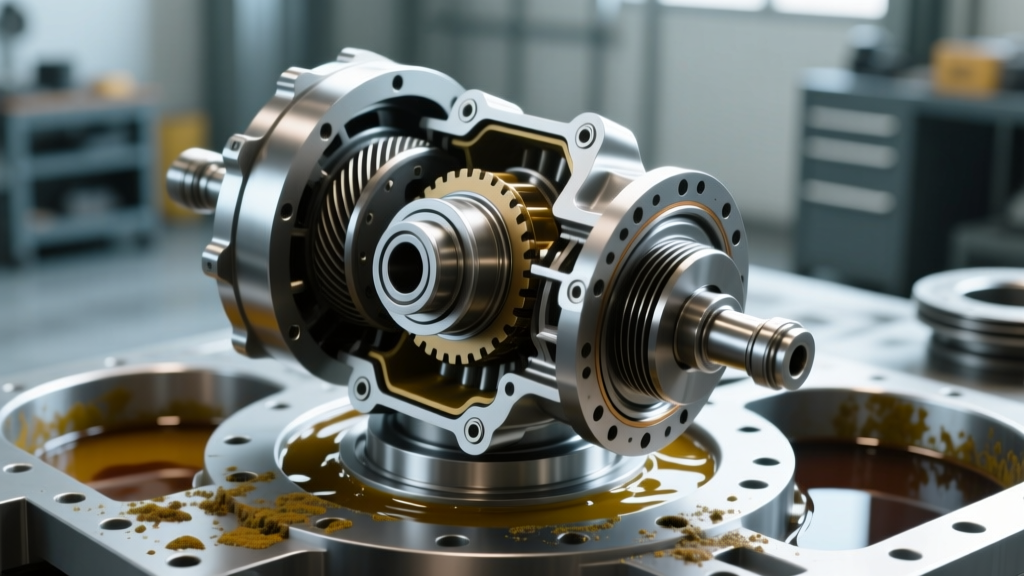
Because this setup directly impacts your drivetrain fluids, the job is not done when the cover goes back on. New ring and pinion gears generate immense friction and heat during the first 500 miles as the microscopic machining marks wear into a perfect mating surface. If you use standard synthetic 75W-90 gear oil immediately, the extreme pressure (EP) additives can sometimes cause the gears to run too hot, leading to premature wear.
The 2026 Best-Practice Break-In Procedure:
- Fill the 2001 Dodge Ram 1500 rear differential with a high-quality, non-synthetic 80W-90 GL-5 mineral gear oil. Do not add friction modifiers yet if you are running a limited-slip differential (like a Trac-Lok or Auburn).
- Drive the truck for 10-15 miles at varying speeds under 45 MPH. Stop and let the axle cool completely to ambient temperature. This prevents the gear oil from breaking down and glazing the new steel.
- Repeat this heat-and-cool cycle three times.
- At exactly 500 miles, drain the break-in fluid. You will likely notice a metallic sheen or fine glitter in the oil; this is normal machining residue. If you see large metal chunks, tear it down immediately.
- Refill with your preferred full-synthetic 75W-90 or 75W-140 gear oil (check RockAuto's Drivetrain Catalog for exact fluid capacities, typically around 2.2 quarts for the 8.25). Add the limited-slip friction modifier now if required.
Cost Expectations for the DIY Builder
As of 2026, a high-quality USA-made ring and pinion set (such as Yukon or Motive Gear) for the Chrysler 8.25 will cost between $220 and $300. A master rebuild kit, which includes all new Timken bearings, races, shims, and a new crush sleeve, runs about $110 to $150. Factor in $150 for specialty tools (dial indicator, setup bearings, inch-pound wrench) if you do not already own them. Your total DIY investment sits comfortably around $500 to $600. Conversely, taking your 2001 Ram 1500 to a professional driveline shop for a regear and setup will typically cost between $900 and $1,400 in labor and parts. By taking your time, respecting the thousandths-of-an-inch tolerances, and following the break-in fluid protocol, you can achieve professional results in your own garage.