The Anatomy of a Wet Clutch Burning Smell
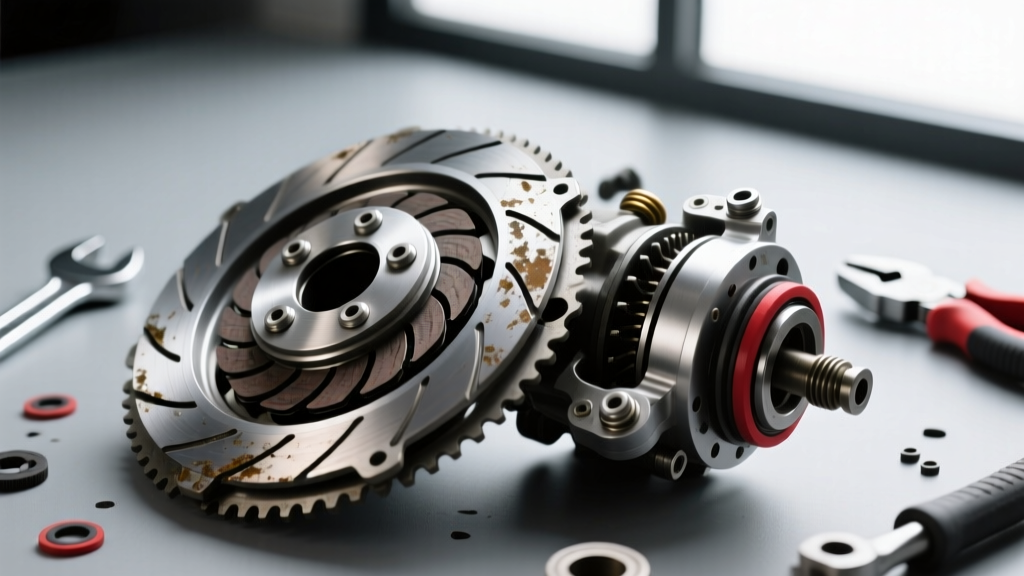
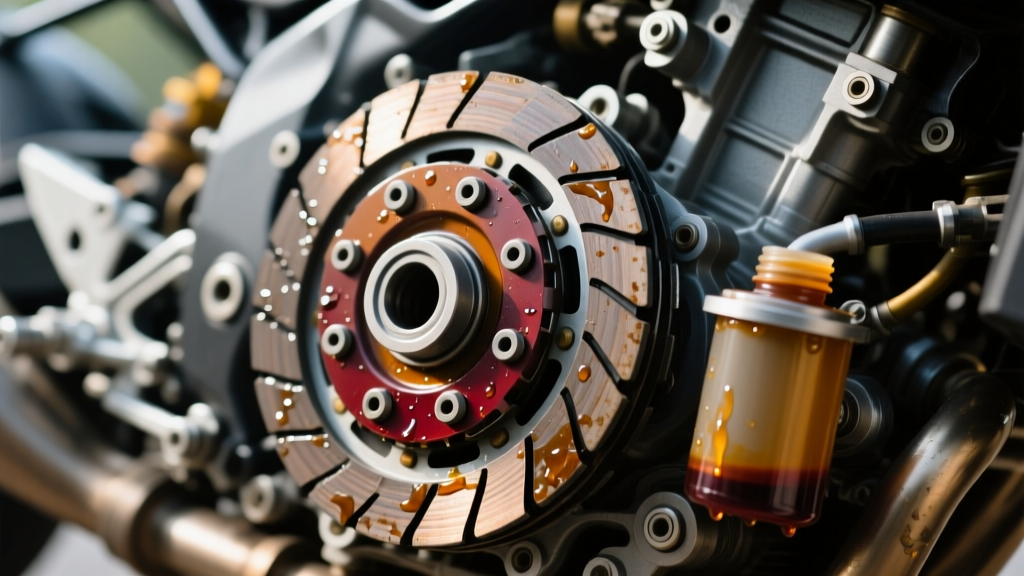
When a burning odor permeates the cabin of a dual-clutch vehicle or the riding gear of a motorcyclist, it is rarely a false alarm. In vehicles utilizing a wet clutch architecture—where the friction plates are continuously bathed in lubricating fluid—a clutch burning smell is a direct chemical indicator of thermal runaway and friction material degradation. Unlike dry clutches that vent acrid dust directly into the atmosphere, wet clutch systems trap this thermal event inside the crankcase or transmission housing. The smell you eventually detect is the result of volatile organic compounds (VOCs) off-gassing from overheated wet clutch oil and vaporized binding resins from the clutch facings.
As of 2026, with the proliferation of high-torque automated manuals and advanced powersports platforms, diagnosing this symptom requires moving beyond simple slippage assumptions. We must analyze the fluid's tribological breakdown, the mechanical tolerances of the clutch basket, and the precise hydraulic actuation pressures to pinpoint the exact failure node.
The Chemistry of Failure: API vs. JASO MA2 Standards
The most common catalyst for a burning smell in a shared-sump wet clutch is the introduction of the wrong lubricant. Modern automotive engine oils are formulated with friction modifiers (like molybdenum dithiocarbamate) to meet stringent fuel economy standards. According to the American Petroleum Institute (API), oils bearing the 'Resource Conserving' or API SP designation are engineered to reduce boundary friction.
When these friction-modified oils are used in a wet clutch, the coefficient of friction drops below the threshold required to lock the clutch pack. The result is micro-slippage under load. This slippage generates localized temperatures exceeding 250°C (482°F), instantly boiling the lightweight volatile esters in the oil and scorching the cellulose or Kevlar friction facings. To prevent this, wet clutch systems mandate fluids certified to the JASO T 903:2016 MA2 standard, which guarantees a high dynamic and static friction coefficient without the use of slip-inducing modifiers.
Diagnostic Matrix: Odor Profiles and Failure Modes
Not all burning smells indicate the exact same failure point. By analyzing the specific olfactory profile and accompanying symptoms, technicians can isolate whether the issue stems from the wet clutch oil, the friction plates, or the hydraulic actuation system.
| Odor Profile | Accompanying Symptom | Probable Root Cause | Immediate Diagnostic Action |
|---|---|---|---|
| Acrid / Burnt Hair | High-RPM slip, sluggish engagement | Friction material (cellulose/aramid) scorching due to worn plates or weak springs. | Drain fluid; inspect for suspended black particulate. Measure plate thickness. |
| Sweet / Maple Syrup | Spongy lever, fluid loss | Hydraulic fluid (glycol-based DOT 4/5.1) leaking from the master/slave cylinder onto the hot exhaust or engine block. | Pressure test hydraulic circuit; inspect slave cylinder pushrod seal. |
| Sulfuric / Rotten Eggs | Notchy shifting, severe overheating | Extreme-pressure (EP) additives in the wet clutch oil breaking down under severe thermal shear. | Perform immediate fluid flush; check clutch basket for grooving. |
| Sharp Solvent / Varnish | Dragging clutch, false neutrals | Oil oxidation and varnish buildup gluing steel plates to friction plates during static periods. | Disassemble clutch pack; soak plates in fresh solvent; replace warped steels. |
Free Play Miscalibration: The Silent Culprit of Thermal Runaway
Before tearing into the crankcase, technicians must verify the actuation circuit. A clutch burning smell is frequently caused by a lack of free play at the clutch lever or pedal. In a hydraulically actuated wet clutch, the master cylinder pushrod must have a specific air gap (typically 0.5mm to 1.0mm) to allow the internal compensating port to fully open. If the pushrod is pre-loaded due to improper aftermarket lever installation or a failing return spring, the hydraulic system remains slightly pressurized. This prevents the clutch slave cylinder from fully retracting, resulting in continuous micro-slippage at the friction interface. Always measure free play at the lever tip; it should generally fall between 10mm and 15mm depending on the OEM specification.
Precision Troubleshooting: Yamaha CP3 / MT-09 Case Study
To demonstrate proper diagnostic depth, let us examine the widely used Yamaha CP3 engine platform (found in the MT-09, Tracer 9, and XSR900). When a rider reports a burning smell and slipping under hard acceleration, a systematic teardown is required.
1. Fluid Extraction and Visual Analysis
Drain the crankcase. If the wet clutch oil smells burnt and exhibits a metallic sheen, the friction material has degraded past its service limit. Yamaha specifies a 10W-40 or 15W-50 JASO MA2 fluid. If the previous owner used a standard automotive 5W-30 API SP oil, the clutch pack is likely compromised.
2. Clutch Pack Measurement Tolerances
Remove the clutch cover (Torx T45, 10 Nm torque spec on reassembly). Extract the pressure plate and measure the friction and steel plates using a micrometer and feeler gauge.
- Friction Plate Thickness: Standard is 3.0 mm. The absolute service limit is 2.8 mm. If any plate measures 2.85 mm or less, the entire pack must be replaced.
- Steel Plate Warpage: Place the steel plate on a surface plate and measure with a feeler gauge. The limit is 0.1 mm. Warped steels create localized hot spots, leading to the burning smell.
- Clutch Spring Free Length: Standard length is 51.2 mm. The service limit is 48.5 mm. Sagging springs reduce clamping force, guaranteeing micro-slippage and thermal degradation.
3. Basket Grooving and Center Nut Torque
Run a fingernail along the aluminum clutch basket fingers. If deep grooves are present, the plates cannot disengage smoothly, causing drag and subsequent burning upon engagement. The clutch center lock nut must be torqued to exactly 65 Nm (48 lb-ft) with a medium-strength threadlocker (e.g., Loctite 243) to prevent hub wobble.
Collateral Damage: Oil Pickup Screens and Thermal Sludge
When a wet clutch burns, the destroyed friction material does not simply vanish. The vaporized resins and shredded cellulose or aramid fibers circulate through the wet clutch oil and eventually settle in the coolest, most restrictive areas of the lubrication circuit. The primary victim is the engine oil pickup screen.
In high-performance inline-four motorcycles or V-twin cruisers, a clogged pickup screen will cause oil starvation to the top end (camshafts and valve train) while the rider is entirely focused on the slipping clutch. During any burning smell diagnosis, dropping the oil pan and inspecting the pickup strainer is a non-negotiable step. If you find a thick, black, fibrous mat on the screen, the clutch pack has suffered a catastrophic delamination event. At this stage, simply changing the wet clutch oil is insufficient; the engine cases must be split or heavily flushed to remove trapped debris from the crankshaft journals and transmission bearings.
Automotive DCT Applications: ZF and Porsche PDK
In the automotive sector, wet clutch systems are heavily utilized in Dual-Clutch Transmissions (DCTs) like the ZF 7DT45 found in Porsche PDK applications. These systems use highly specialized, proprietary wet clutch oils (such as Pentosin FFL-3 or FFL-4). A burning smell in a PDK-equipped vehicle is a critical red flag.
Unlike motorcycles, DCT wet clutches are actuated by electro-hydraulic mechatronic units. If the clutch position sensors drift or the hydraulic pressure regulation valves stick, the transmission may apply partial clutch pressure during gear changes or creeping. This 'riding the clutch' scenario rapidly degrades the specialized wet clutch oil, which is formulated with specific friction modifiers to allow controlled micro-slip during shifts. If a PDK smells burnt, a PIWIS (Porsche Integrated Workshop Information System) diagnostic scan is mandatory to check clutch adaptation values and hydraulic pressure graphs before dropping the transmission.
Replacement Economics and OEM Part References
Ignoring a wet clutch burning smell will eventually lead to catastrophic failure, where the friction material completely delaminates, clogging the oil pickup screen and starving the engine or transmission of lubrication. Here is a breakdown of typical replacement costs and part references for standard powersports applications:
- OEM Friction Plate Set: $120 - $180 (e.g., Yamaha OEM 5SL-16321-00)
- Aftermarket Heavy-Duty Kits: $150 - $220 (e.g., EBC Dirt Racer or CK Series, like CK3542, featuring Kevlar compounds for higher thermal thresholds)
- OEM Clutch Springs: $40 - $60 per set
- JASO MA2 Fluid Flush (3 Liters): $45 - $75 (e.g., Motul 7100 10W-40 or Liqui Moly Motorbike 4T)
Expert Break-In Protocol: When replacing wet clutch friction plates, never simply bolt them in and ride. Soak the new friction plates in fresh, clean JASO MA2 wet clutch oil for a minimum of 2 hours prior to installation. This prevents the dry facing material from flash-burning upon initial engagement, which is a primary cause of premature glazing and early-onset burning smells.