The Core Question: Does Automatic Transmission Cars Have Clutch Components?
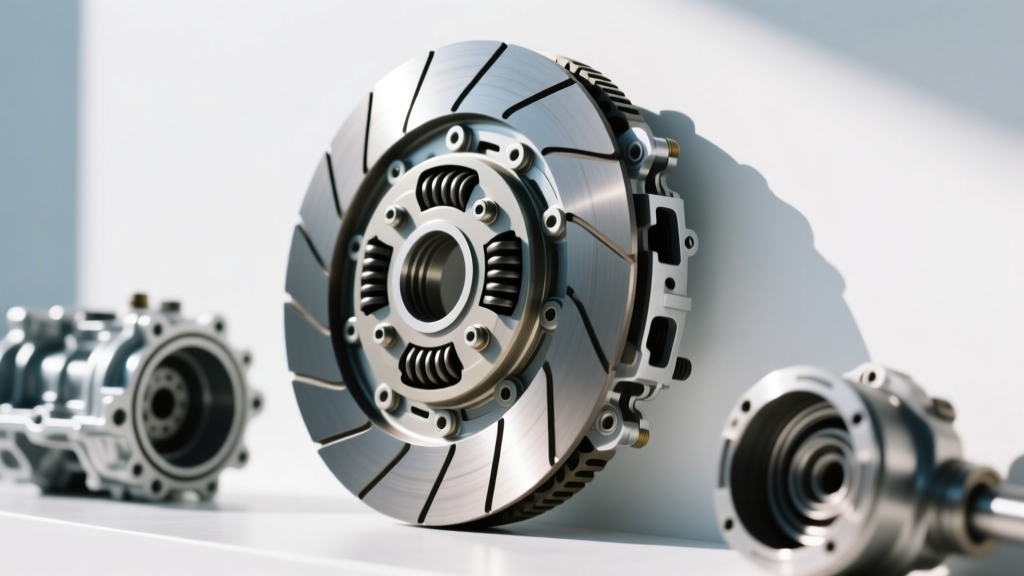
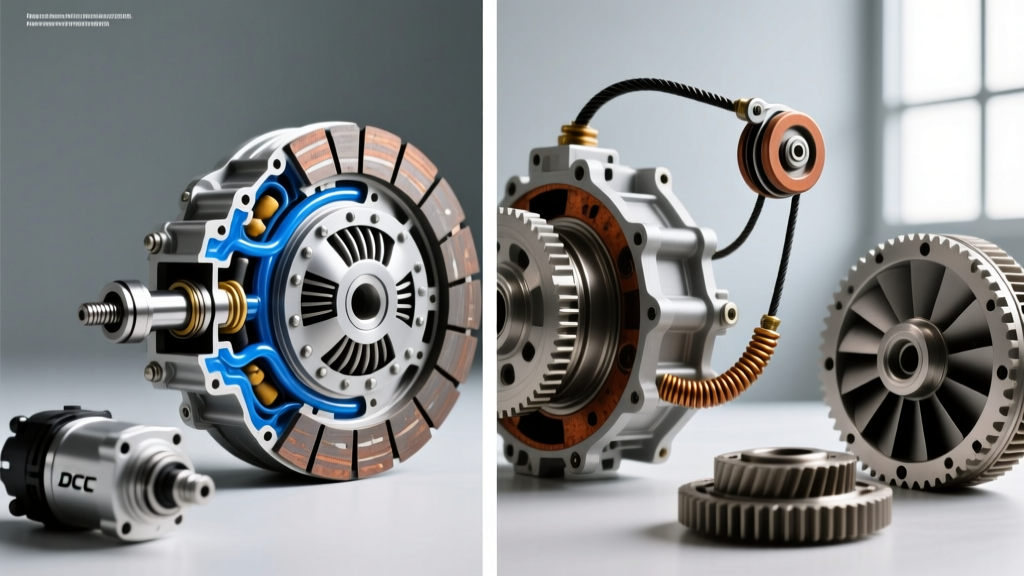
When novice enthusiasts and DIY mechanics ask, 'does automatic transmission cars have clutch' systems, the answer requires splitting the definition of an automatic transmission. Traditional planetary-gear automatics (like the ZF 8HP or GM 10L90) utilize a torque converter and internal wet clutch packs. They do not possess a throw-out bearing (release bearing) or a traditional friction clutch disc. However, the automotive landscape has shifted heavily toward Dual-Clutch Transmissions (DCTs) and Automated Manual Transmissions (AMTs). These systems absolutely rely on traditional clutch mechanics, including release bearings, actuator levers, and friction plates.
In this 2026 model-specific repair guide, we bridge the gap between manual clutch diagnostics and modern DCT architectures. We will dissect throw-out bearing noise, failure modes, and exact repair procedures for two highly specific platforms notorious for release-bearing complexities: the Ford Focus DPS6 (6DCT250) Dry Dual-Clutch and the Mazda MX-5 ND (C6-6M-R) 6-Speed Manual.
Throw-Out Bearing Noise: Symptom Profiles by Architecture
Diagnosing release bearing noise requires understanding how the bearing is loaded. In a traditional manual, the bearing is pressed against the pressure plate diaphragm springs via a hydraulic slave cylinder. In a dry DCT, electromechanical actuators push pivot levers against the bearing to engage the odd or even gear shafts. Below is a diagnostic matrix to isolate the noise source.
| Transmission Type | Release Mechanism | Noise Profile & Trigger | Diagnostic Dependency |
|---|---|---|---|
| Traditional Manual (Mazda ND) | Concentric Slave Cylinder (CSC) | High-pitch squeal or metallic grinding when pedal is depressed | Noise appears/worsens with pedal pressure; vanishes at rest |
| Dry DCT (Ford DPS6) | Electromechanical Actuator & Pivot Lever | Low-frequency grinding, clunking, or shudder during gear shifts | No pedal; triggered by TCM shift commands and actuator amperage |
| Torque Converter Auto (ZF 8HP) | Internal Wet Clutch Packs (No TOB) | Whining or TCC shudder (Torque Converter Clutch) | None; RPM, load, and fluid temp dependent |
Model-Specific Deep Dive: Ford Focus DPS6 (Dry Dual-Clutch)
The Ford DPS6 (Getrag 6DCT250) is a dry dual-clutch transmission that essentially operates as two manual transmissions controlled by robots. Because it uses dry friction clutches, it requires a release bearing and actuator lever system for both Clutch A (Odd gears) and Clutch B (Even gears).
Failure Mode: Dust Ingress and Pivot Lever Wear
Unlike wet clutches bathed in fluid, the DPS6 dry clutches generate immense friction dust. By the 60,000-mile mark, this particulate matter bypasses degraded input shaft seals and contaminates the release bearing races. Furthermore, the aluminum pivot levers that push the bearings often wear into the transmission bellhousing casing, creating a 'clunking' noise during 1st-to-2nd gear shifts that is frequently misdiagnosed as a failing throw-out bearing.
2026 Diagnostic Protocol: FORScan PID Logging
Before dropping the transmission, you must rule out actuator motor failure versus mechanical binding. Connect an OBD-II module running FORScan and log the following PIDs during a test drive:
- CLUTCH_A_ACT_CUR (Clutch A Actuator Current): Normal engagement draws 12-18 Amps. If you see spikes exceeding 25 Amps accompanied by a grinding noise, the release bearing is seized or the pivot lever is binding.
- CLUTCH_B_TOUCH_POINT: If the touch point deviates by more than 45 degrees from the baseline adaptation, the clutch pack and bearing assembly require replacement.
Repair Specs & Torque Sequences (DPS6)
When replacing the clutch pack and release bearings, precision is mandatory. Use the updated Motorcraft clutch kit (Part # 7T4Z-7540-A or equivalent Exedy FD022).
- Dual Mass Flywheel (DMF) to Crankshaft: M10x1.25 bolts. Torque to 60 Nm (44 lb-ft), then turn an additional 90 degrees. Replace bolts one at a time to prevent DMF warping.
- Bellhousing to Engine Block: M10 bolts torqued to 48 Nm (35 lb-ft); M8 bolts torqued to 25 Nm (18 lb-ft).
- Actuator Lever Pivot Pins: Apply a high-temp ceramic anti-seize to the new pivot ball studs to prevent aluminum casing wear.
Expert Note: Never attempt to 'bleed' a DPS6 clutch system. It is a sealed, dry electromechanical system. If your scan tool prompts for a 'Clutch Adaptation,' ensure the battery is on a 40-amp bench power supply, as the TCM will abort the adaptation if voltage drops below 11.5V during actuator cycling.
Model-Specific Deep Dive: Mazda MX-5 ND (6-Speed Manual)
Shifting to a traditional manual, the Mazda MX-5 ND utilizes the C6-6M-R transmission. Instead of a traditional fork-actuated throw-out bearing, the ND employs a Concentric Slave Cylinder (CSC). The CSC integrates the hydraulic piston and the release bearing into a single unit that wraps around the transmission input shaft.
Failure Mode: Hydraulic Seal Degradation
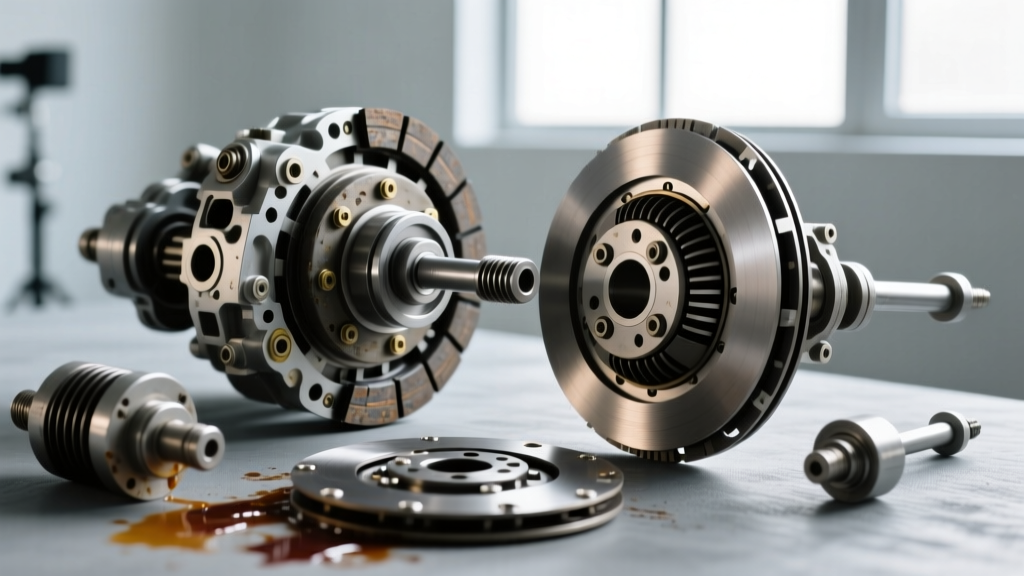
The most common symptom of CSC failure on the ND is a high-pitched squeal when the clutch pedal is depressed halfway, combined with a gradual drop in clutch fluid level. The internal rubber seals degrade from thermal cycling, allowing DOT 4 fluid to leak directly onto the friction disc. If you hear a continuous metallic scraping regardless of pedal position, the bearing's internal retaining clip has failed, and the bearing is spinning off-center against the diaphragm springs.
Repair Specs & Torque Sequences (MX-5 ND)
Replacement requires removing the exhaust, driveshaft, and rear subframe for adequate clearance. We recommend the Exedy USA OEM replacement CSC (Part # MZC015U).
- Flywheel to Crankshaft: M12 bolts. Torque to 65-75 Nm (48-55 lb-ft) in a star pattern.
- Pressure Plate to Flywheel: M8 bolts. Torque to 22 Nm (16 lb-ft) progressively.
- Bellhousing 10mm Bolts: Torque to 46 Nm (34 lb-ft).
- Hydraulic Bleeding: The ND requires a pressure bleeder set to 15 PSI at the master cylinder cap. Gravity bleeding is insufficient to remove air trapped inside the CSC's internal annular chamber.
Comparative Repair Costs (2026 Market Estimates)
The financial impact of a throw-out bearing or release mechanism failure varies wildly based on the transmission architecture and required calibration tools.
| Vehicle & Transmission | Required Components | Parts Cost (OEM/OE) | Labor Hours | Estimated Total |
|---|---|---|---|---|
| Ford Focus (DPS6 DCT) | Clutch Pack, Levers, Bearings | $650 - $850 | 6.5 - 8.0 hrs | $1,400 - $1,950 |
| Mazda MX-5 ND (Manual) | CSC, Clutch Disc, Pressure Plate | $350 - $450 | 5.0 - 6.5 hrs | $950 - $1,350 |
Note: Pricing reflects independent shop rates averaging $110-$140/hr in 2026. Dealership rates will increase labor costs by approximately 40%.
Final Diagnostic Takeaways
So, does automatic transmission cars have clutch release bearings? If it is a traditional torque-converter automatic, no. If it is a modern DCT, absolutely. Diagnosing throw-out bearing noise in 2026 requires moving beyond the simple 'stethoscope on the bellhousing' trick. For DCTs, you must correlate acoustic symptoms with actuator amperage data logs. For modern manuals with CSCs, you must monitor hydraulic fluid displacement alongside pedal-travel acoustics. Always consult the RockAuto Parts Database or OEM service portals to verify updated part numbers, as manufacturers frequently revise release lever geometries and bearing seal materials to combat premature dust ingress.