The MQB Platform Drivetrain Architecture
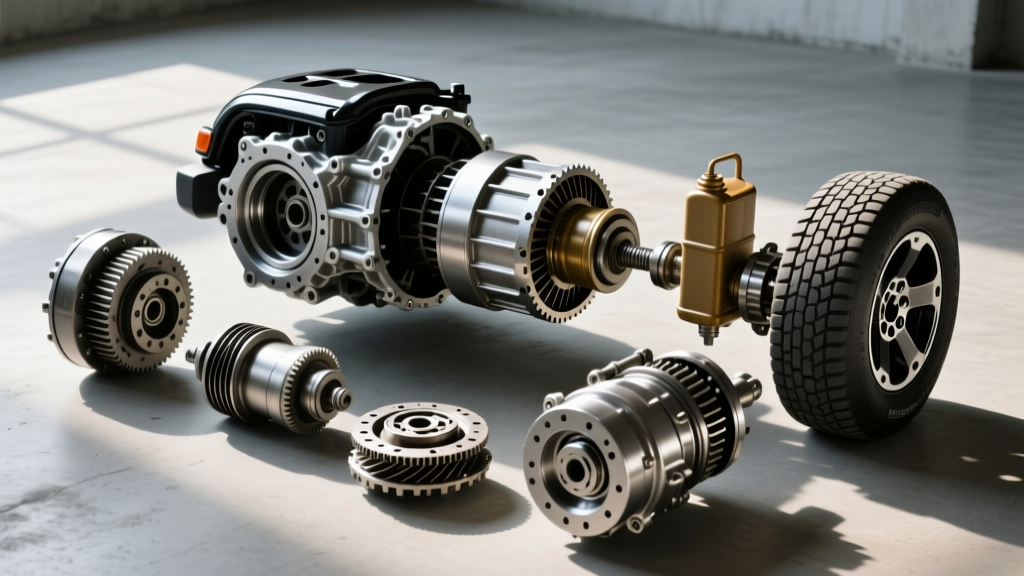
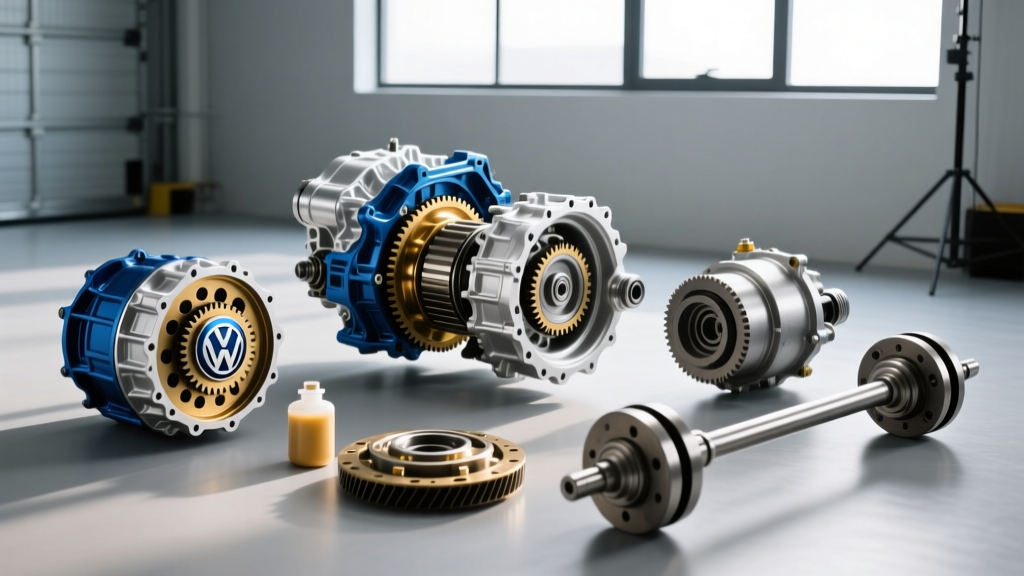
The evolution of the Volkswagen Jetta drivetrain, particularly from the Mk6 through the current Mk8 generations, represents a masterclass in transverse-engine packaging. Whether equipped with a traditional manual, an Aisin torque-converter automatic, the ubiquitous Direct-Shift Gearbox (DSG), or the Haldex-based 4Motion all-wheel-drive system, the Jetta requires highly specific, interval-driven maintenance. Neglecting these systems does not just result in degraded performance; it leads to catastrophic mechatronic failures, clutch pack burnout, and seized couplings. As an automotive transmission specialist, I have outlined the definitive expert service protocols for maintaining the Volkswagen Jetta drivetrain in 2026, focusing on exact fluid specifications, torque values, and the hidden pitfalls that catch DIYers and general repair shops off guard.
DSG (Direct-Shift Gearbox) Service Protocols
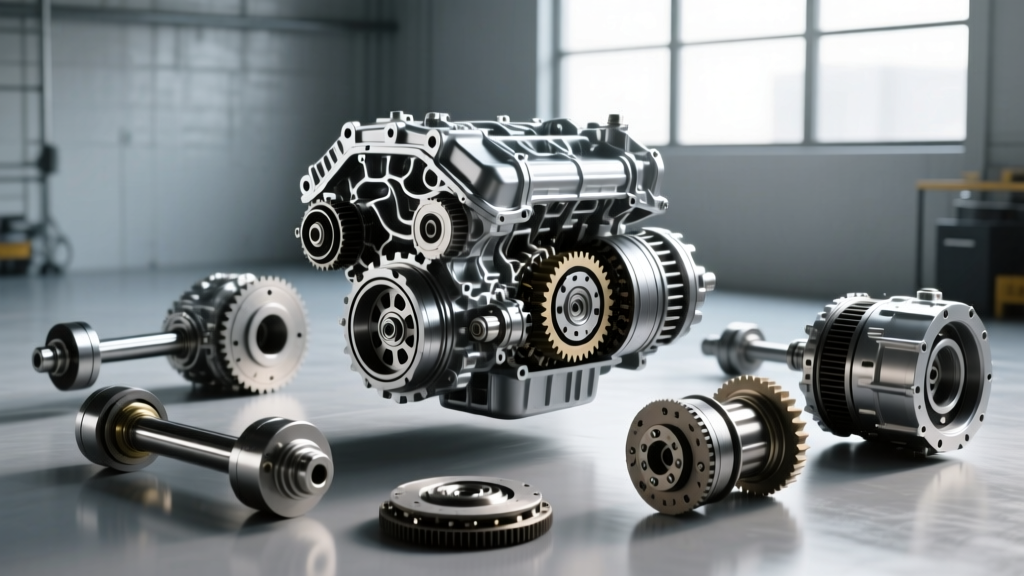
The DSG transmission is the crown jewel of the VW Jetta drivetrain lineup. The most common variants found in North American and global Jetta models are the DQ250 (6-speed wet clutch) and the newer DQ381 (7-speed wet clutch). Unlike dry-clutch systems, these transmissions rely on specialized dual-clutch fluid to cool the clutch packs, lubricate the gear sets, and actuate the mechatronic solenoids.
The 40,000-Mile Imperative and Fluid Specs
Volkswagen mandates a strict 40,000-mile (64,000 km) service interval for wet-clutch DSGs. The clutch packs shed microscopic friction material into the fluid over time. If left unchanged, this metallic and friction debris clogs the mechatronic unit's internal valves and solenoids, leading to harsh shifts, gear hunting, and eventual mechatronic failure—a repair that frequently exceeds $2,500.
- OEM Fluid Specification: G 052 182 A2 (DQ250) or G 055 529 A2 (DQ381). Never substitute with generic ATF.
- Filter Part Number: 02E 305 051 A (DQ250) or 0GC 305 051 E (DQ381).
- Capacity: A standard drain and refill requires approximately 4.5 to 5.0 liters, though the total dry capacity is closer to 7.2 liters.
The Temperature-Dependent Leveling Procedure
The most critical aspect of DSG maintenance is the fluid leveling procedure. DSG fluid expands significantly as it heats. If you fill the transmission while the fluid is cold, it will over-expand at operating temperature, blowing out the axle seals or breather cap. If you fill it while it is too hot, the transmission will be starved of fluid, causing clutch chatter and pump cavitation.
Expert Procedure: Using a diagnostic tool like VCDS or OBDeleven, monitor the DSG fluid temperature sensor (Measuring Value Block 017 or Advanced Measuring Values). The fluid must be exactly between 35°C and 45°C (95°F - 113°F) when you remove the leveling plug (located inside the drain pan) to allow the excess fluid to drip out. Once the drip slows to a steady stream and the temperature is in the green zone, reinstall the leveling plug and torque to 20 Nm, followed by the main drain plug at 45 Nm.
Haldex AWD (4Motion) Coupling: The Gen 5 Trap
For Jetta owners with the 4Motion drivetrain, the rear axle is powered by a Haldex coupling. It is vital to understand which generation your Jetta utilizes, as the maintenance protocols differ drastically between Generation 4 (found on late Mk5/Mk6 platforms) and Generation 5 (found on Mk7/Mk8 MQB platforms).
The Gen 5 Strainer Pitfall
Many aftermarket retailers sell 'Haldex Gen 5 Filter Kits.' As an expert, I must warn you: Gen 5 does not have a traditional inline filter. Instead, it uses a brass strainer screen attached directly to the electric pump motor. If a shop simply drains and fills the Gen 5 Haldex without dropping the pump motor to clean the strainer, the accumulated clutch sludge will eventually suffocate the pump. A dead Haldex pump means your Jetta is permanently in FWD mode until the $1,200 pump is replaced.
- Service Interval: Every 30,000 miles for severe driving; 40,000 miles for standard.
- OEM Fluid Specification: G 060 175 A2.
- Pump Removal Torque: The three T30 Torx bolts securing the pump motor to the coupling housing must be torqued to exactly 15 Nm upon reinstallation to prevent housing warping.
CV Axles, Driveshafts, and Final Drive Maintenance
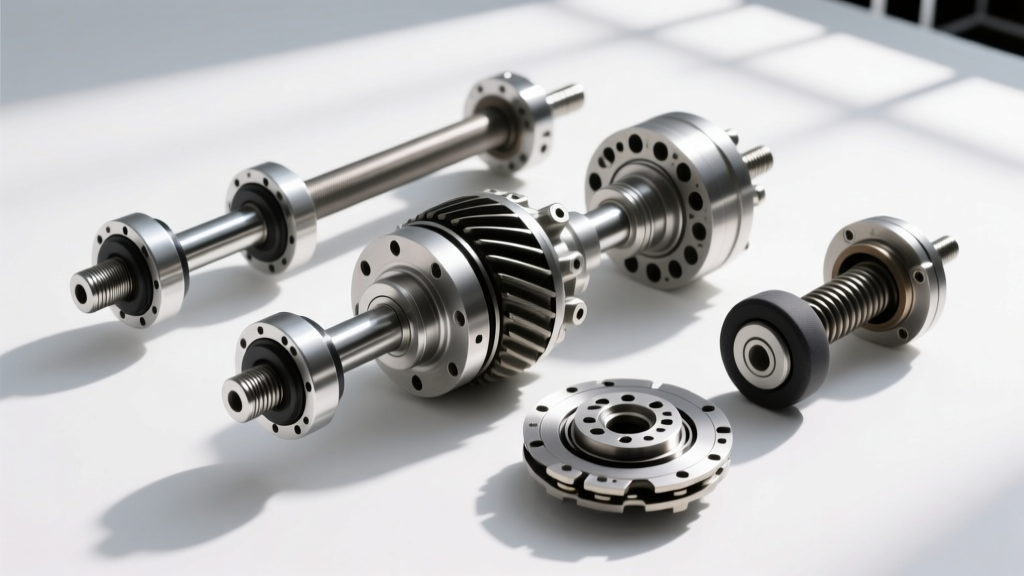
The transverse layout of the Jetta drivetrain relies heavily on constant velocity (CV) axles to transmit power to the front wheels while accommodating suspension travel and steering angles. While CV joints are generally 'lifetime' components, their protective rubber boots are not.
Boot Inspection and OEM Replacements
During every oil change, inspect the inner and outer CV boots. The inner tripod joints are particularly susceptible to heat degradation from the nearby catalytic converter and exhaust downpipe. If a boot is torn, do not simply repack it with grease unless the joint is completely free of grit and moisture. For long-term reliability, replace the entire axle assembly using OEM or OEM-equivalent suppliers like GKN or Löbro. Aftermarket axles from auto parts stores frequently suffer from harmonic vibrations at highway speeds due to inferior metallurgy and imprecise spline machining.
The Stretch Bolt Mandate
The front axle nuts on the Jetta are torque-to-yield (stretch bolts). They clamp the CV axle spline into the wheel bearing hub. You must never reuse a VW axle nut. When reinstalling a new axle or performing brake work that requires axle nut removal, use a new OEM nut. The standard torque specification for the common M14x1.5 axle nut is 200 Nm plus an additional 180-degree turn. Always verify the exact specification for your specific VIN via the VW erWin portal, as hub bearing revisions can alter this requirement.
2026 Service Cost & Interval Matrix
Understanding the financial and temporal investment required for proper Volkswagen Jetta drivetrain maintenance helps owners budget appropriately and avoid predatory dealership upcharges. Below is a data matrix reflecting average 2026 market rates for OEM parts and independent specialist labor.
| Drivetrain Component | Service Interval | OEM Fluid / Part Spec | Est. DIY Cost (Parts) | Est. Indy Shop Cost |
|---|---|---|---|---|
| DQ250 DSG (6-Speed) | 40,000 Miles | G 052 182 A2 + Filter | $160 - $210 | $350 - $450 |
| DQ381 DSG (7-Speed) | 40,000 Miles | G 055 529 A2 + Filter | $190 - $240 | $400 - $550 |
| Haldex Gen 5 Coupling | 30,000 - 40,000 Miles | G 060 175 A2 (Pump Clean) | $90 - $120 | $250 - $350 |
| Front CV Axle (OEM GKN) | Inspect / As Needed | GKN / Löbro Complete Axle | $250 - $400 | $550 - $750 |
| Manual Transmission (MQ350) | 60,000 Miles | G 060 726 A2 (1.9L) | $60 - $85 | $150 - $200 |
Diagnostic Tooling Requirements
Maintaining a modern Volkswagen Jetta drivetrain in 2026 is impossible without electronic intervention. Basic OBD2 code readers are insufficient. To properly execute DSG adaptations, monitor fluid temperatures, and perform Haldex pump test cycles, you must utilize advanced enthusiast tooling.
Platforms like VWVortex and specialized suppliers like ECS Tuning heavily advocate for the use of Ross-Tech VCDS or the OBDeleven Pro platform. These tools allow you to run the 'Basic Settings' adaptation for the DSG clutch packs after a fluid change, ensuring the mechatronic unit recalibrates its hydraulic pressure maps to account for the new fluid's viscosity. Skipping this software adaptation step is a leading cause of post-service shift shudder.
Final Expert Recommendations
The Volkswagen Jetta drivetrain is an engineering marvel that punches well above its weight class in terms of performance and efficiency. However, it demands respect and precision. Never cut corners on fluid specifications, always adhere to the temperature-dependent leveling procedures, and treat every torque-to-yield fastener as single-use. By following these expert protocols, your Jetta's drivetrain will deliver seamless power delivery and all-weather traction for hundreds of thousands of miles.
For exact part numbers, fluid capacities, and torque specifications tailored to your specific model year, always consult the official VW erWin service portal or reference the technical databases available through FCPEuro before beginning any drivetrain service.