The Hydraulic Brain of Your Vehicle
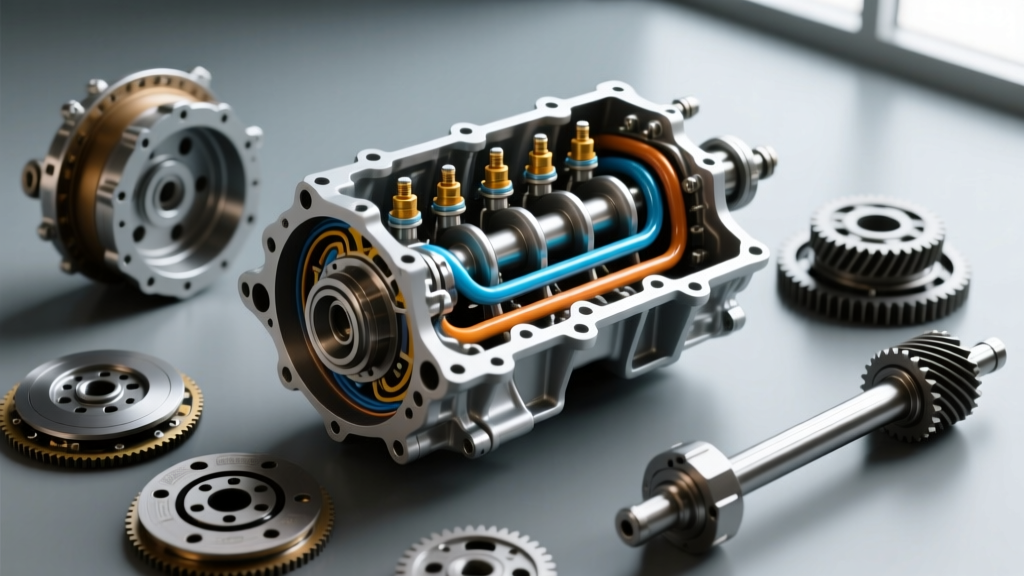
If you have ever wondered how your car seamlessly shifts from first to second gear without you lifting a finger, the answer lies deep inside the transmission case. When asking what is a valve body in an automatic transmission, the simplest answer is that it acts as the hydraulic control center—or the 'brain'—of the transmission. It is a complex maze of channels, valves, and solenoids that directs pressurized Automatic Transmission Fluid (ATF) to the appropriate clutch packs and bands to execute gear changes.
While modern vehicles rely heavily on computers, the physical execution of every gear shift still depends on hydraulic pressure routed through this critical component. Whether you are driving a classic GM 4L60E or a cutting-edge ZF 8HP, understanding the valve body is essential for diagnosing shift issues, planning maintenance, or simply grasping automotive engineering fundamentals.
How a Valve Body Directs Hydraulic Fluid
The transmission pump (usually driven by the torque converter) generates raw hydraulic pressure, typically ranging from 120 to 250 PSI depending on engine load and vehicle speed. However, raw pressure alone cannot shift gears. The valve body takes this mainline pressure and meters it into specific circuits.
- Mainline Pressure Regulation: The primary regulator valve ensures the base pressure remains stable, preventing clutch blowouts or slippage.
- Shift Valves (Spool Valves): These are precision-machined cylindrical valves that slide back and forth inside aluminum bores. When moved, they open or close specific fluid passages.
- Solenoids: In modern electronically controlled transmissions, the Transmission Control Module (TCM) fires electrical solenoids. These solenoids push on the shift valves, physically redirecting the fluid flow to engage the next gear.
The Separator Plate: The Unsung Hero
Sandwiched between the upper and lower halves of the valve body casting is the separator plate. This thin sheet of stamped steel or composite material features precisely drilled orifices. These holes dictate the rate at which fluid fills a clutch piston. A larger hole results in a faster, harsher shift, while a smaller hole creates a slower, softer shift. Many aftermarket 'shift kits' (like those from TransGo or Sonnax) work simply by modifying these separator plate orifices to improve shift firmness and reduce clutch wear.
Anatomy of a Modern Valve Body Assembly
To truly understand transmission basic components, we must break down the physical architecture of the valve body. Below is a structural overview of what you will find when a technician drops the transmission pan.
| Component | Function | Common Failure Mode |
|---|---|---|
| Valve Body Casting | Aluminum housing containing the intricate fluid galleries and valve bores. | Warpage due to over-torqued bolts; bore wear causing cross-leaks. |
| Spool Valves | Cylindrical valves with 'lands' and 'grooves' that block or pass fluid. | Sticking due to ATF varnish, microscopic metal debris, or bore scoring. |
| PWM Solenoids | Pulse-Width Modulated solenoids that precisely vary fluid pressure. | Electrical coil failure or internal filter screen clogging. |
| Accumulators | Spring-loaded pistons that cushion the application of clutch packs. | Cracked piston housings or fatigued springs causing harsh shifts. |
Real-World Applications: GM 4L60E vs. ZF 8HP
Valve body design has evolved drastically over the last three decades. Comparing two of the most ubiquitous transmissions on the road highlights this engineering leap.
The Workhorse: GM 4L60E
The GM 4L60E is legendary in the truck and performance car world. Its valve body is entirely mechanical in its base layout but relies on electronic solenoids for shift timing. A common OEM replacement part number for a complete 4L60E valve body assembly is ACDelco 24254114. Because it uses a traditional external TCM and internal wiring harness, diagnosing a bad shift solenoid (often throwing codes like P0751 or P0756) is relatively straightforward for a DIYer with a multimeter.
The Modern Marvel: ZF 8HP (8HP70 / 8HP75)
In contrast, the ZF 8-speed automatic (found in everything from BMWs to Dodge Chargers and Ford F-150s) utilizes a Mechatronic Unit. This design integrates the valve body and the TCM into a single, sealed housing submerged directly in the transmission fluid. According to ZF Aftermarket documentation, this reduces wiring and improves reaction times, but it makes repairs significantly more complex. If a single solenoid fails inside a ZF 8HP mechatronic unit, OEM protocol often requires replacing the entire assembly (Part # variations like ZF 0736 003 055 for the sleeve/adapter), which can cost upwards of $2,500 just for the part.
Common Symptoms of Valve Body Failure
Because the valve body dictates all hydraulic routing, its failure modes are immediately noticeable behind the wheel. Watch for these critical symptoms:
- Delayed Engagement: A noticeable 2-to-3 second pause when shifting from Park to Reverse or Drive. This usually indicates a cross-leak in the valve body casting or a worn manual valve.
- Harsh or Flaring Shifts: If the 1-2 shift feels like a rear-end collision, or if the RPMs flare before catching, the accumulator circuit or separator plate is likely compromised.
- Limp Mode Activation: The TCM detects a pressure switch rationality fault (e.g., P0700 series codes) and locks the transmission in a single gear (usually 2nd or 3rd) to protect the clutch packs from burning up.
For deep diagnostic procedures and hydraulic schematics, the Automatic Transmission Rebuilders Association (ATRA) remains the gold standard resource for professional technicians.
Repair vs. Replace: Cost Breakdown & Torque Specs
When a valve body fails, you generally have three routes: install a shift kit to correct bore wear, buy a remanufactured unit, or purchase a brand-new OEM assembly. Below is a 2026 market estimate for typical rear-wheel-drive applications.
| Repair Strategy | Estimated Part Cost | Best Use Case |
|---|---|---|
| Shift Kit (e.g., Sonnax/TransGo) | $80 - $180 | Fixing specific bore wear, improving shift firmness, preventative maintenance. |
| Remanufactured Valve Body | $350 - $650 | Standard daily drivers where multiple solenoids or valves have failed. |
| OEM Assembly (e.g., GM / ZF) | $800 - $2,800+ | Modern Mechatronic units, warranty repairs, or complex integrated TCMs. |
Critical Installation Warning: Torque Specs Matter
One of the most common mistakes made by amateur mechanics is over-tightening valve body bolts. The aluminum castings are relatively soft. If you overtighten the bolts, you will warp the casting, instantly creating internal cross-leaks that will ruin your transmission clutches in a matter of miles.
- GM 4L60E / 4L80E Valve Body to Case Bolts: 97 lb-in (11 Nm). Note: This is inch-pounds, NOT foot-pounds!
- GM Transmission Pan Bolts: 11 Nm (97 lb-in).
- ZF 8HP Mechatronic Sleeve Bolts: 8 Nm (71 lb-in).
Always use a calibrated 1/4-inch drive inch-pound torque wrench and follow the factory spiral tightening sequence to ensure even clamping force. For more technical insights on hydraulic bore wear and repair sleeves, Sonnax technical resources provide excellent visual guides and engineering whitepapers.
Expert Tips for Valve Body Longevity
The valve body is highly sensitive to fluid quality and temperature. To ensure this component lasts the lifetime of your vehicle, adhere to these expert guidelines:
- Respect Fluid Intervals: Ignore the 'lifetime fluid' myth. For modern 6-to-10-speed transmissions, perform a drain-and-fill every 40,000 to 60,000 miles using the exact OEM-specified fluid (e.g., Dexron ULV for GM 10-speeds, ZF Lifeguard 8 for ZF units).
- Manage Heat: ATF temperatures exceeding 220°F (104°C) will rapidly degrade the fluid, creating varnish that causes spool valves to stick in their bores. If you tow heavy loads, install an aftermarket transmission cooler.
- Use Quality Filters: A cheap, poorly sealed transmission filter will allow microscopic clutch material and metal shavings to bypass the filtration media, lodging directly into the valve body's tiny orifices.
Summary
Understanding what a valve body in an automatic transmission does bridges the gap between basic automotive knowledge and true mechanical literacy. It is the vital link between electronic commands and physical movement, translating binary code into hydraulic force. By respecting torque specifications, maintaining strict fluid service intervals, and recognizing early failure symptoms, you can protect this intricate hydraulic switchboard and keep your vehicle shifting flawlessly for hundreds of thousands of miles.