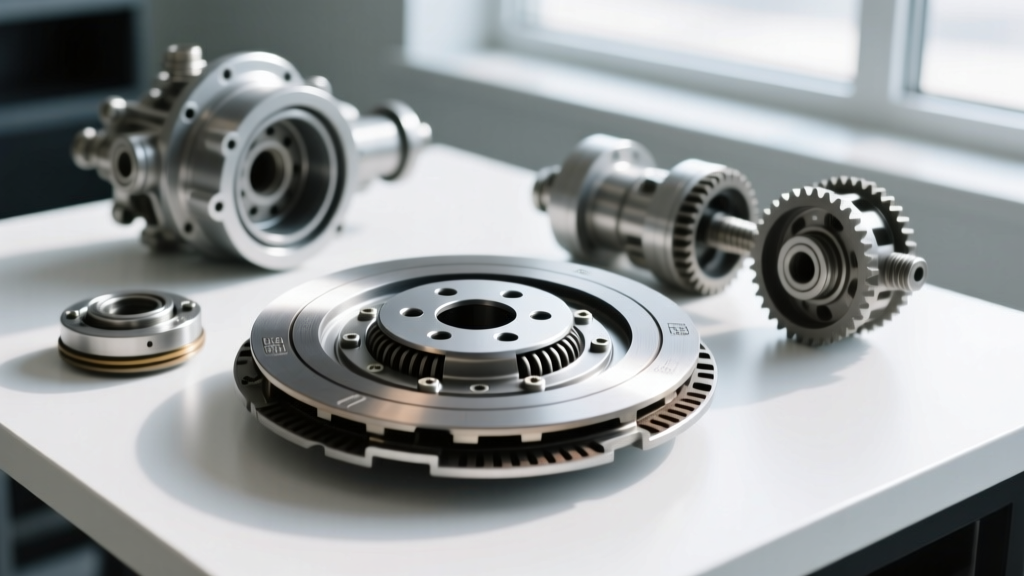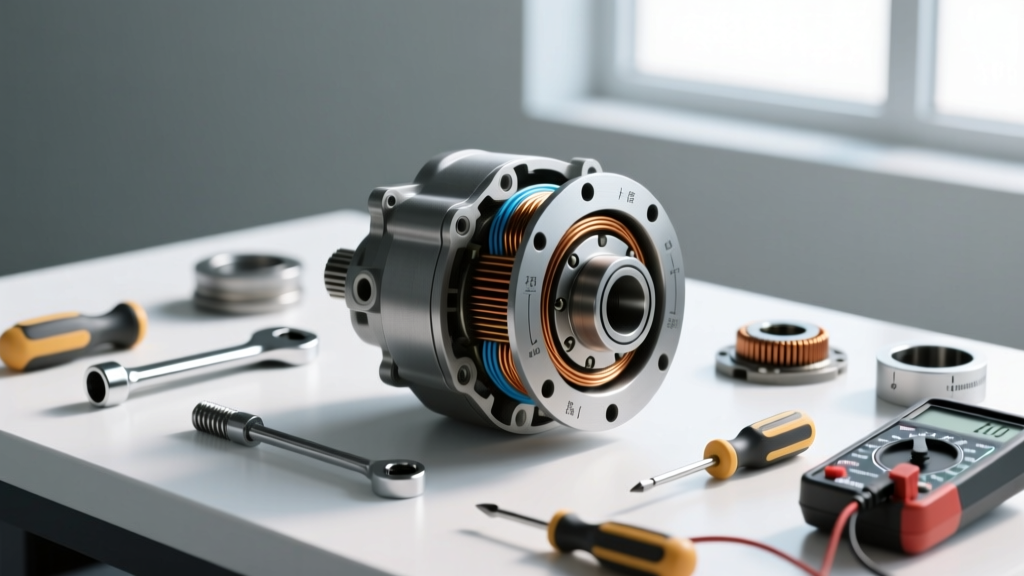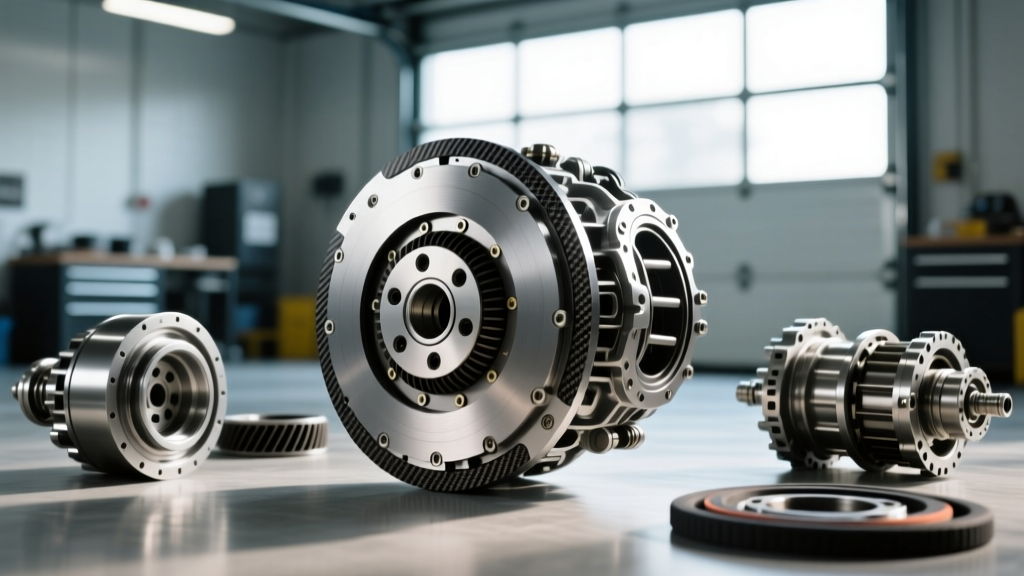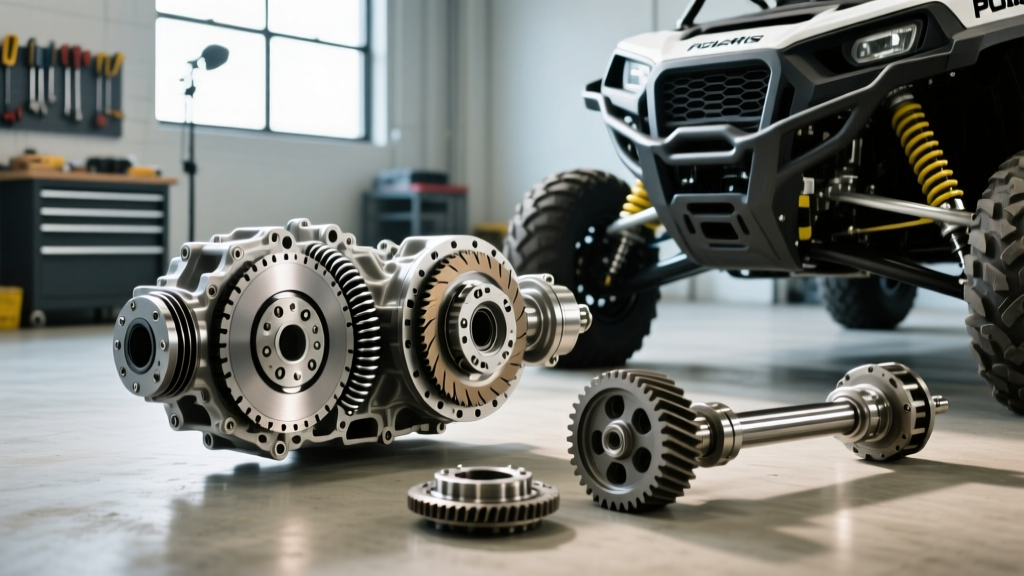
The Paradigm Shift: From Manual Friction to CVT Dynamics
While a miata clutch replacement is widely considered the benchmark rite of passage for lightweight, accessible manual transmission DIY work, stepping into the world of high-horsepower ATVs and UTVs requires a complete mechanical paradigm shift. When you swap an Exedy or ACT clutch kit on a lightweight roadster, you are dealing with a simple friction disc, pressure plate, and throw-out bearing. Off-road performance, however, hinges almost entirely on the Continuously Variable Transmission (CVT). Replacing and upgrading ATV and UTV clutches is not just about restoring lost power; it is about redefining how the machine delivers torque to the ground across mud, dunes, and rocky trails.
In this performance and upgrade guide, we will dissect the anatomy of UTV CVT clutches, outline exact torque specifications for industry leaders like Polaris and Can-Am, and provide a data-driven framework for selecting aftermarket clutch kits that match your specific riding style.
Anatomy of the Off-Road CVT Clutch System
Unlike the fixed-gear transmissions found in most passenger vehicles, the ATV/UTV CVT relies on a belt-driven pulley system that infinitely varies the gear ratio. The system consists of three primary wear components:
- The Primary Clutch (Drive Clutch): Mounted to the engine crankshaft, this clutch houses the movable and fixed sheaves, centrifugal weights (or rollers), and the primary spring. As engine RPM increases, the weights force the sheaves together, pushing the drive belt outward to a larger diameter.
- The Secondary Clutch (Driven Clutch): Mounted to the transmission input shaft, this clutch uses a secondary spring and a helical ramp (helix) to apply tension against the belt. As the primary clutch expands, it overcomes the secondary spring tension, forcing the secondary sheaves apart and allowing the belt to ride deeper into the pulley.
- The CVT Belt: The sacrificial link that transfers hundreds of horsepower between the primary and secondary clutches under extreme heat and friction.
Common Failure Modes in High-Performance UTVs
Before initiating a clutch replacement, it is vital to diagnose the failure. In high-horsepower machines like the Polaris RZR Pro XP or Can-Am Maverick X3, common failure modes include:
- Spider Gear Cracking: The cast aluminum spider in the primary clutch can develop micro-fractures under high-load, low-RPM lugging, eventually shattering and destroying the sheave.
- One-Way Bearing Seizure: Located in the secondary clutch, this bearing allows engine braking. When it fails due to moisture ingress or lack of greasing, you lose engine braking or experience severe drivetrain binding.
- Sheave Galling: The inner faces of the aluminum sheaves wear down, creating grooves that eat through CVT belts in a matter of miles.
Performance Tuning: Weights, Springs, and Helixes
Upgrading your UTV clutch is an exercise in physics. The goal of a performance clutch kit is to optimize the "shift curve"—keeping the engine in its peak horsepower band regardless of the terrain or tire size. If you have added 32-inch mud tires or a heavy aftermarket bumper, your stock clutching is now entirely out of calibration.
The Tuning Logic
- Heavier Weights/Rollers: Increase the centrifugal force, causing the primary clutch to close faster. This lowers the engagement RPM, providing better low-end grunt for rock crawling or heavy hauling, but sacrifices top-end snap.
- Lighter Weights/Rollers: Delay primary clutch closure, allowing the engine to rev higher before shifting. This is ideal for dune riding, desert racing, and mud bogging where keeping the engine in the upper RPM powerband is critical.
- Stiffer Secondary Springs: Increases belt pinch pressure, reducing belt slip under heavy loads (crucial for mud and oversized tires), but requires more engine torque to overcome.
Market Comparison: Top Performance Clutch Kits
When moving beyond OEM replacements, selecting the right aftermarket kit is critical. Below is a comparison of the top-tier performance clutch systems for the widely popular Polaris RZR XP 1000 platform.
| Brand / Kit | Part Number | Est. Price (2026) | Best Application | Key Features |
|---|---|---|---|---|
| EPI Performance Kit | SRX1000 | $340 - $380 | All-Around / Trail | Includes tailored springs, weights, and EPI belt. Excellent OEM+ replacement. |
| Dalton Industries MVP | P-RZR1000 | $280 - $320 | Mud / Oversized Tires | Patented adjustable flyweights allow micro-tuning without buying new weights. |
| STM Rage Primary | STM-POL-RZR | $750 - $850 | Desert Racing / Dunes | Billet aluminum, adjustable spring tension, eliminates spider cracking issues. |
Note: For comprehensive tuning data and spring rate charts, EPI Engineering provides some of the most detailed application guides in the off-road industry.
Step-by-Step UTV CVT Clutch Replacement Procedure
Replacing a CVT clutch requires specialized pullers and strict adherence to torque specifications. Improper installation can lead to catastrophic crankshaft damage or clutch detachment at 8,000 RPM.
1. Tools Required
- Primary Clutch Puller (e.g., Polaris PU-47216 or EPI universal metric puller)
- Secondary Clutch Compressor Tool
- 1/2-inch Drive Torque Wrench (calibrated)
- Impact Wrench (minimum 400 ft-lbs breakaway torque)
- Threadlocker (Loctite 243 - Medium Strength, removable with hand tools)
2. Removal and Torque Specifications
Always consult your specific OEM service manual, but the following are the standard benchmarks for the most common performance platforms:
Polaris RZR XP 1000 / Pro XP
- Primary Clutch Bolt: Remove using an impact wrench. When reinstalling, apply a drop of Loctite 243 to the crankshaft threads. Torque to 96 ft-lbs (130 Nm).
- Secondary Clutch Bolt: Torque to 60 ft-lbs (81 Nm).
- Alignment: Use a straight edge across both sheaves to verify clutch alignment. Misalignment exceeding 1/16" will cause rapid belt wear and vibration.
Can-Am Maverick X3 (QRS System)
- Primary Clutch Bolt: Torque to 59 ft-lbs (80 Nm) with Loctite 243.
- Secondary Clutch Bolt: Torque to 44 ft-lbs (60 Nm).
- Expert Warning: Can-Am QRS clutches utilize a specific internal grease that must not be contaminated with belt dust. Use a dedicated CVT cleaning solution before reassembly.
Belt Deflection and Maintenance: The Final Calibration
A clutch replacement is incomplete without verifying belt deflection. Unlike a manual transmission where the pedal dictates engagement, a CVT relies entirely on the physical resting tension of the belt between the sheaves.
Expert Tuning Tip: To measure deflection, push down on the top span of the CVT belt between the primary and secondary clutches. The belt should depress exactly 1/4" to 3/8" (6mm - 9mm). If the deflection is too loose, the belt will slip under load, generating enough heat to melt the belt cords and destroy the sheave bushings. If it is too tight, the secondary clutch will not open fully at low speeds, causing the machine to "creep" aggressively and stall the engine.
For riders pushing high horsepower, upgrading to an aramid-reinforced aftermarket belt (such as those from Dalton Industries or Gates Carbon Drive) is highly recommended. These belts resist stretching and heat degradation far better than standard OEM rubber compounds, ensuring your carefully tuned spring and weight combinations remain consistent over hundreds of trail miles.
Conclusion: Respect the Drivetrain
Transitioning from the straightforward nature of a miata clutch replacement to the dynamic, high-stress environment of UTV and ATV CVT systems is a journey into advanced drivetrain physics. Whether you are installing a Dalton adjustable weight kit to compensate for 35-inch mud tires, or replacing a shattered Polaris spider gear after a grueling rock-crawling expedition, precision is non-negotiable. By adhering to exact torque specs, understanding the relationship between centrifugal force and spring tension, and maintaining proper belt deflection, you can transform your off-road machine into a relentlessly efficient, trail-dominating force.