The Evolution of the Differential in Automobile Trucks and SUVs
As we navigate the 2026 automotive landscape, the torque outputs of modern turbo-diesel, high-output gasoline, and hybrid-electric powertrains have reached unprecedented levels. When evaluating the drivetrain of modern heavy-duty rigs, the role of the differential in automobile trucks and SUVs has never been more critical. Factory axles are routinely subjected to 1,000+ lb-ft of wheel torque when towing near maximum GCWR (Gross Combined Weight Rating). Whether you are wheeling a modified Jeep Wrangler, towing a fifth-wheel with a Ford F-350, or daily driving a Chevrolet Silverado 2500HD, baseline factory maintenance is no longer sufficient. Performance-oriented differential maintenance requires a strategic approach to fluid dynamics, hardware upgrades, and precise torque specifications to prevent catastrophic ring and pinion failure.
Heavy-Duty Axle Identification and Baseline Specifications
Before selecting performance fluids or ordering aftermarket lockers, you must accurately identify your axle housing and understand its factory limitations. The three most prevalent heavy-duty axles in the North American truck and SUV market are the Dana 60, the GM AAM 11.5, and the Ford 10.5 Sterling. Each requires specific maintenance protocols and fluid volumes.
| Axle Model | Ring Gear Diameter | Fluid Capacity | Cover Bolt Torque | Pinion Nut Torque |
|---|---|---|---|---|
| Dana 60 (Front/Rear) | 9.75 inches | 3.5 - 4.0 Pints | 35 - 45 lb-ft | 250 - 300 lb-ft |
| AAM 11.5 (GM Rear) | 11.50 inches | 4.0 - 4.5 Pints | 30 - 40 lb-ft | 280 - 340 lb-ft |
| Ford 10.5 (Rear) | 10.50 inches | 3.5 - 3.8 Pints | 35 - 45 lb-ft | 220 - 270 lb-ft |
Note: Pinion nut torque specs vary based on whether the axle utilizes a crush sleeve or a solid pinion spacer. Always verify with the manufacturer's service manual before applying a breaker bar to the pinion flange.
Advanced Fluid Selection for High-Stress Applications
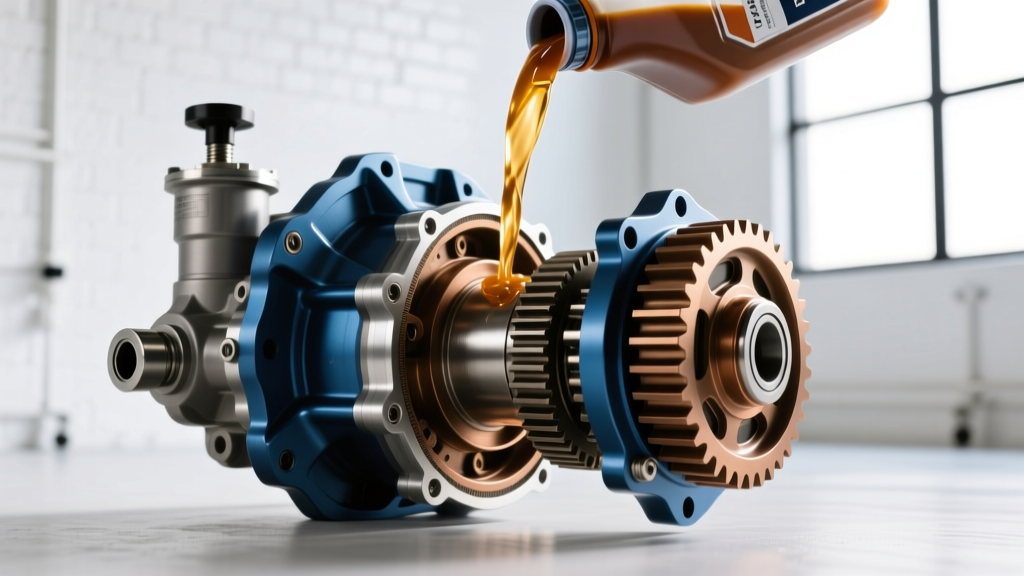
The gear oil you choose dictates the shear stability, thermal management, and wear protection of your ring and pinion set. For performance trucks and SUVs, conventional 80W-90 mineral oils are obsolete. The industry standard for 2026 is full-synthetic Polyalphaolefin (PAO) gear oil, which resists thermal breakdown under extreme towing loads and slow-speed rock crawling.
Viscosity Breakdown: 75W-90 vs. 75W-140
- 75W-90 Synthetic: Ideal for daily driving, light towing, and front steering axles (like the Dana 60 front). It offers superior cold-weather flow, reducing parasitic drivetrain loss and improving fuel economy. AMSOIL Severe Gear 75W-90 is a top-tier choice for its high film strength.
- 75W-140 Synthetic: Mandatory for rear axles in trucks frequently towing over 10,000 lbs or operating in sustained high-ambient temperatures. The higher operating viscosity maintains a protective hydrodynamic wedge between the hypoid gear teeth under extreme load, preventing metal-on-metal contact.
The Friction Modifier Balancing Act
If your SUV or truck is equipped with a clutch-type Limited Slip Differential (LSD)—such as the Eaton Truetrac or Auburn Gear LSD—friction modifiers are non-negotiable. Without the correct additive (e.g., Ford XL-3 or GM ACDelco 10-9004), the clutch packs will chatter aggressively during low-speed turns, leading to premature wear. However, over-applying the modifier reduces the locking bias, effectively turning your LSD into an open differential. Always start with the manufacturer's recommended dose (typically 2-4 oz), test drive in a parking lot performing figure-eights, and add in 0.5 oz increments only if chatter persists.
Performance Upgrades: Gears, Lockers, and Cooling
Maintenance is only half the battle. To truly optimize the differential in automobile platforms designed for off-road and heavy-duty use, strategic hardware upgrades are required to handle larger tire masses and increased engine torque.
Ring and Pinion Gear Swaps
Fitting 35-inch or 37-inch tires on a modern truck severely impacts the effective final drive ratio, forcing the transmission to hunt for gears and generating excessive heat in the differential. Regearing to a 4.10, 4.56, or even 4.88 ratio restores the engine's powerband. When installing aftermarket gear sets from providers like Yukon Gear & Axle, always replace the carrier bearings, pinion bearings, and crush sleeve. Use a dial indicator to verify backlash (typically 0.006" to 0.010") and check the gear contact pattern using yellow marking compound to ensure the pinion depth is perfectly set.
Locking Differentials for Maximum Traction
For dedicated off-road SUVs and trail trucks, an open or clutch-type LSD is inadequate. Upgrading to a selectable locking differential provides 100% torque bias to both wheels. The ARB Air Locker (e.g., part number RD139 for a 35-spline Dana 60) remains the gold standard for its reliability and on-demand engagement. Alternatively, the Eaton Detroit Locker provides automatic, mechanical locking without the need for onboard air compressors or wiring, making it a robust choice for heavy-duty work trucks that frequently traverse mud or snow.
Thermal Management: Differential Covers
Heat is the primary enemy of gear oil. Upgrading from a stamped-steel factory cover to a cast-aluminum, finned differential cover (such as those from Mag-Hytec or PPE) increases fluid capacity by 1.5 to 2.5 pints and provides external cooling fins that dissipate heat into the ambient airflow. Many premium covers also feature magnetic drain plugs to capture microscopic ferrous metals before they embed into the carrier bearings.
Step-by-Step Performance Maintenance Protocol
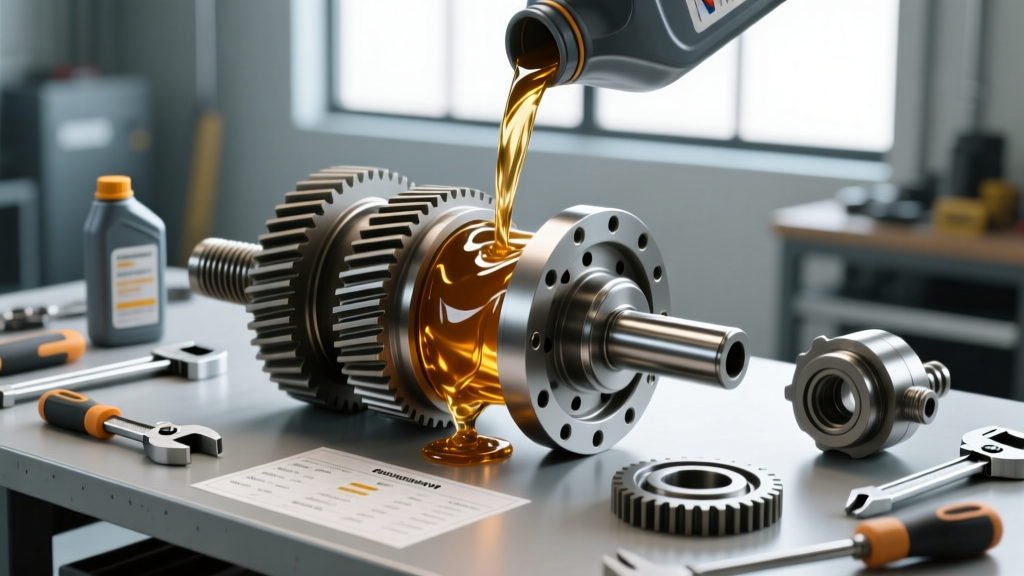
When performing a differential service on a heavy-duty truck, skip the generic "drain and fill" mentality. Follow this precision protocol to ensure longevity:
- Temperature Management: Drive the vehicle for 15-20 minutes to bring the gear oil up to operating temperature (approx. 140°F). Warm oil flows faster and carries suspended metallic particulates out of the housing more effectively.
- Cover Removal and Cleaning: Unbolt the cover using a star-pattern sequence to prevent warping. Drain the fluid into a pan and inspect it. A fine, silvery glitter on the drain plug magnet is normal wear. However, copper-colored flakes indicate carrier bearing failure, and distinct steel chunks point to chipped ring and pinion teeth.
- Surface Preparation: Scrape the old RTV sealant from both the axle housing and the cover using a plastic gasket scraper to avoid gouging the mating surfaces. Wipe both surfaces clean with aerosol brake cleaner and a lint-free cloth.
- Sealing: Apply a continuous 3/16-inch bead of high-temp RTV silicone (such as Permatex Ultra Black 81182) to the cover. Ensure you circle every bolt hole on the inside to prevent oil leaks and keep moisture out.
- Torque Sequence: Reinstall the cover and hand-thread all bolts. Torque them in a crisscross pattern to the specifications listed in the table above. Allow the RTV to cure for a minimum of 4 hours before filling with fluid.
Expert Drivetrain Tip: Never reuse a factory crush sleeve if you remove the pinion nut to service the pinion seal. The crush sleeve is a single-use deformation component designed to set bearing preload. Reusing it will result in a loose pinion bearing, leading to harmonic whine and eventual gear tooth separation. For frequent off-roaders, consider installing a solid pinion spacer kit, which eliminates the crush sleeve entirely and allows for infinite preload adjustments via shims.
Final Thoughts on Drivetrain Longevity
Optimizing the differential in automobile trucks and SUVs requires moving beyond the owner's manual. By pairing high-shear synthetic fluids with strategic hardware upgrades like aluminum cooling covers and precise gear setups, you can build an axle assembly capable of surviving the most extreme 2026 towing and off-road environments. Consistent, meticulous maintenance is the cheapest insurance policy against a $4,000 axle rebuild on the side of a mountain trail.