The Traction Foundation: Why Your Differential Fluid Matters
When optimizing a truck or SUV for towing, overlanding, or daily driving, the debate of an open differential vs limited slip (LSD) is usually at the top of the list. However, many enthusiasts and fleet owners overlook the lifeblood of these assemblies: the gear oil. Whether you are maintaining a factory-open rear end on a 2024 Ford F-150 or upgrading a Jeep Wrangler to a clutch-type LSD, understanding the precise fluid chemistry, maintenance intervals, and torque specifications is critical for longevity. In this 2026 performance and maintenance guide, we break down exactly how to service, upgrade, and protect your truck or SUV axle assemblies.
Expert Insight: The most common cause of premature clutch-pack failure in aftermarket LSDs isn't heavy abuse—it's the failure to perform the mandatory 500-mile break-in fluid change. Metal shavings from initial gear and clutch wear will glaze the friction discs if left in the housing.
Open Differential vs Limited Slip: The Performance Matrix
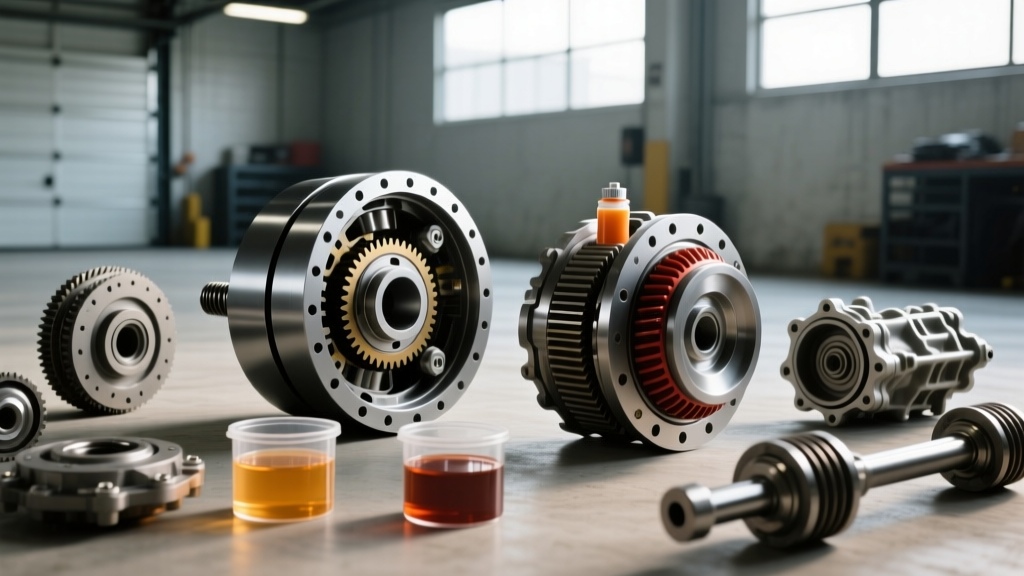
Before draining a single drop of gear oil, you must identify your differential type. The maintenance requirements change drastically depending on the internal mechanism. An open differential routes torque to the path of least resistance, which is ideal for reducing tire wear on dry pavement but disastrous for off-road traction or heavy trailer towing. A limited slip differential mitigates this by transferring torque to the wheel with grip, but it introduces internal friction that demands specialized lubrication.
| Differential Type | Common Applications | Friction Modifier Required? | Maintenance Interval |
|---|---|---|---|
| Open Differential | Base F-150, Silverado 1500, Tacoma | No | Every 50,000 - 100,000 miles |
| Clutch-Type LSD (e.g., Auburn, Eaton Posi) | Performance SUVs, Aftermarket Upgrades | Yes (Crucial) | Every 30,000 - 50,000 miles |
| Helical/Gear-Biasing (e.g., Eaton Truetrac) | Off-road Trucks, Towing Rig Upgrades | No (Do NOT Use) | Every 50,000 miles |
| Automatic Locker (e.g., Detroit Locker) | Rock Crawlers, Heavy Duty Trail Rigs | No | Every 30,000 miles |
Fluid Dynamics: Viscosity and Additive Packages
When servicing your axle, selecting the correct viscosity is just as important as the differential type. Modern half-ton trucks (like the GM 10-bolt or Ford 8.8 rear ends) often call for lighter 75W-85 synthetic gear oils from the factory to meet CAFE fuel economy standards. However, if you are upgrading to an LSD or towing heavy loads, stepping up to a 75W-90 or even a 75W-140 synthetic is highly recommended by drivetrain specialists at Ring-Pinion.com.
The Friction Modifier (FM) Trap
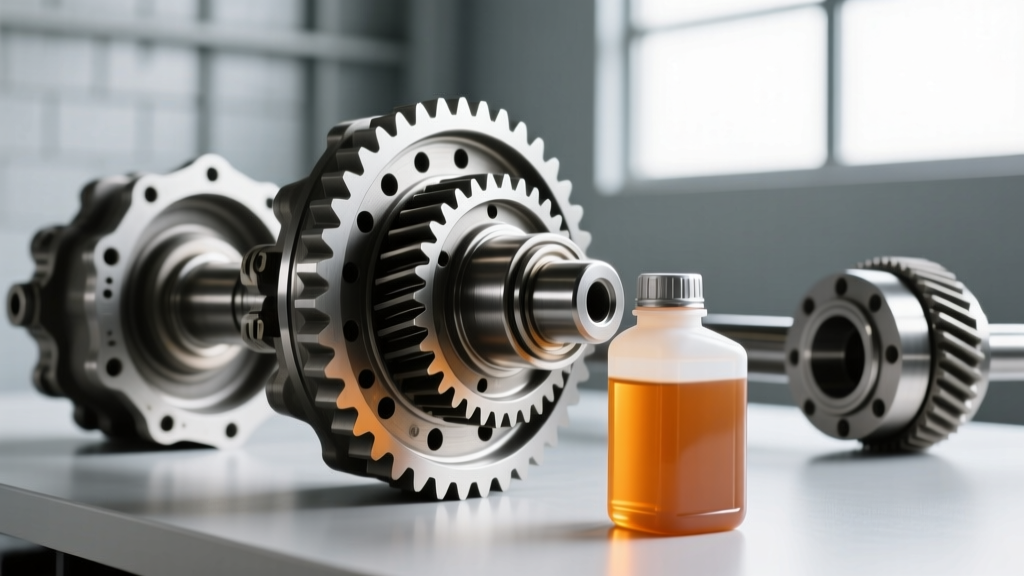
If your truck utilizes a clutch-based limited slip differential, you must add a Friction Modifier (FM) to your gear oil. Products like Motorcraft XL-3 or GM EOS (EOS is being phased out, use ACDelco 88900401) alter the coefficient of friction on the clutch discs. Without it, the clutches will bind and release rapidly, causing a violent 'chatter' or shudder during low-speed turns. Conversely, if you upgrade to a gear-driven helical LSD like the legendary Eaton Detroit Truetrac, do not use friction modifier. Adding FM to a Truetrac will reduce its torque-biasing ratio and effectively neuter the upgrade.
Heavy Duty Truck Specifications (3/4 and 1-Ton)
For heavy-duty applications like the Ram 2500 with the AAM 11.5-inch rear axle or the Ford F-350 with the Dana 80, the thermal loads are immense. These axles require 75W-140 full synthetic gear oil. Premium brands like AMSOIL Severe Gear 75W-140 offer superior film strength to protect the hypoid ring and pinion gears under extreme towing temperatures exceeding 250°F.
Step-by-Step Differential Service & Sealing
Proper maintenance goes beyond just the fluid. The sealing method and torque specifications are where DIYers often introduce leaks or warped housings.
- Drain and Clean: Remove the differential cover. Use a shop vac and lint-free towels to remove old fluid and metallic paste from the magnet. Never use brake cleaner on the ring gear, as it can degrade the remaining oil film and damage certain bearing seals.
- Gasket vs. RTV: While Permatex Ultra Black RTV (Part# 81878) is a staple, it requires a 24-hour cure time before filling. For immediate service, upgrade to a reusable elastomer gasket like the LubeLocker series. For example, the LubeLocker LL-A115 fits the AAM 11.5 perfectly and seals instantly.
- Torque Sequence: Always tighten cover bolts in a crisscross pattern to prevent warping the stamped steel or cast aluminum covers. Over-torquing will crush the gasket or strip the threads.
Critical Torque Specifications for Common Truck Axles
| Axle Model | Common Vehicles | Cover Bolt Torque (lb-ft) | Fluid Capacity (Approx.) |
|---|---|---|---|
| GM 9.5" / 10.5" 14-Bolt | Silverado 2500HD, Tahoe | 35 lb-ft | 3.5 - 4.0 Quarts |
| Ford 10.5" Sterling | F-250 / F-350 Super Duty | 45 lb-ft | 3.7 Quarts |
| Dana 44 (JK/JL Wrangler) | Jeep Wrangler Rubicon | 30 lb-ft | 2.0 Quarts |
| Toyota 8.0" / 8.4" | Tacoma, 4Runner, Tundra | 25 - 30 lb-ft | 2.5 Quarts |
Cost Analysis: Maintenance vs. The LSD Upgrade
If you are currently running an open differential and find yourself constantly getting stuck on boat ramps or losing traction while towing up inclines, an LSD upgrade is the most cost-effective traction modification you can make. Here is a realistic 2026 pricing breakdown for a rear-axle LSD upgrade and subsequent maintenance.
- Clutch-Type LSD Unit (e.g., Auburn Pro Series): $650 - $800
- Helical LSD Unit (e.g., Eaton Truetrac): $750 - $950
- Master Install Kit (Bearings, Shims, Ring Gear Bolts): $120 - $180
- Premium Synthetic Fluid (75W-90/140, 4 Quarts): $80 - $120
- Friction Modifier (If applicable): $12 - $18
- Professional Installation Labor: $400 - $700 (Requires setting ring & pinion backlash and gear pattern)
While the initial upgrade cost hovers between $1,200 and $1,800 out-the-door, the long-term maintenance cost of an LSD is only marginally higher than an open differential. You are simply adding a $15 bottle of friction modifier to your fluid changes every 40,000 miles.
Final Verdict for Truck and SUV Owners
Understanding the nuances of an open differential vs limited slip setups dictates how you maintain your drivetrain. If you stick with an open diff for highway commuting, standard 75W-90 synthetic and 60,000-mile intervals are perfectly adequate. However, if your truck or SUV is tasked with towing, off-roading, or navigating snow, upgrading to a limited slip differential is mandatory. Just remember the golden rule of LSD maintenance: respect the 500-mile break-in drain, match your friction modifiers to your specific clutch or gear design, and always torque your cover bolts to factory specifications. Your axle will reward you with decades of reliable, chatter-free traction.