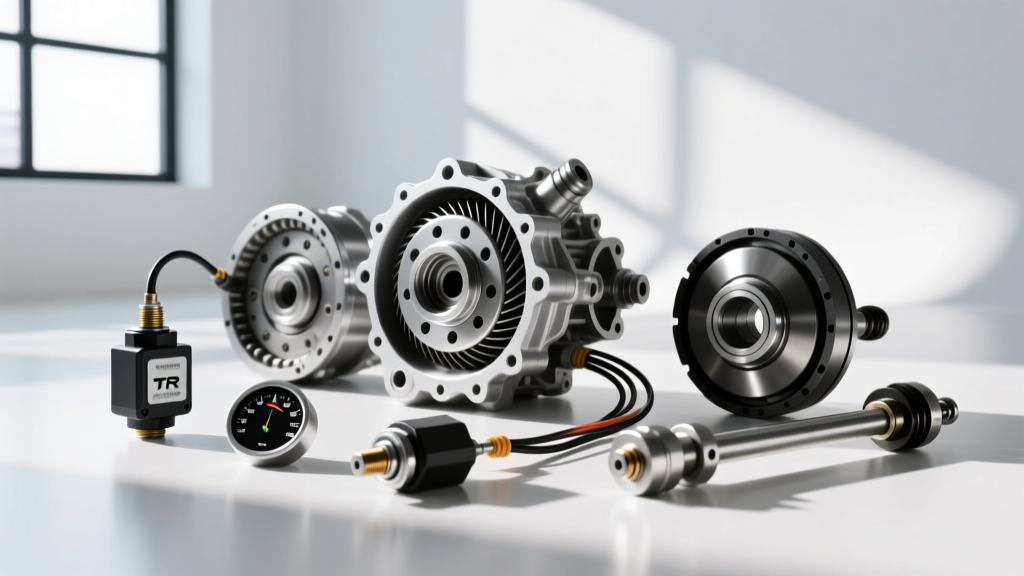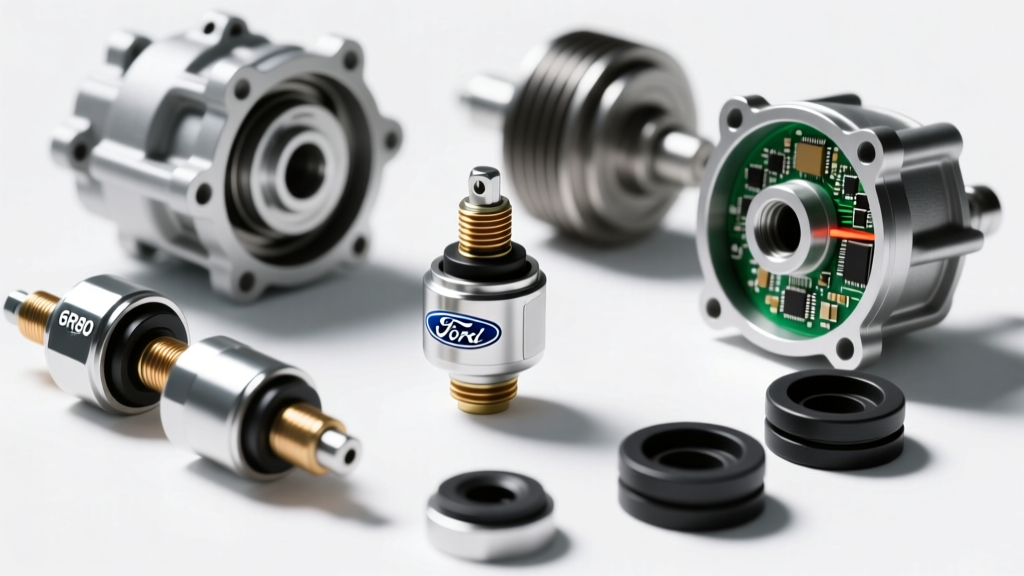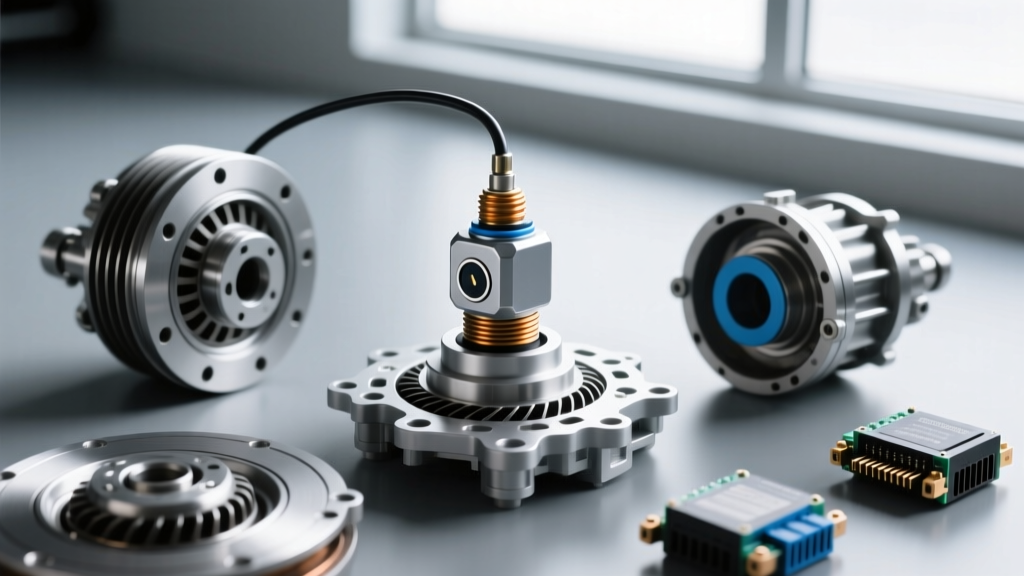
The Baseline: Transmission Position Sensor Replacement Cost
When enthusiasts and mechanics alike search for the transmission position sensor replacement cost, they are usually reacting to a sudden limp-mode event, a no-start condition, or a persistent P0705/P0706 OBD-II diagnostic trouble code. The Transmission Range Sensor (TRS), commonly known as the position sensor, is the critical electromechanical bridge between the driver's gear selector and the Transmission Control Module (TCM). However, for performance builders and tuners, understanding the baseline repair cost is merely the entry point into a much larger conversation about optimizing modern transmission electronic control systems.
As of 2026, the landscape of automatic transmission tuning has evolved drastically. We are no longer just swapping valve bodies; we are reprogramming complex electro-hydraulic control modules. Before diving into performance upgrades, it is essential to understand the financial baseline of a standard sensor replacement across popular performance platforms.
OEM vs. Aftermarket Pricing Breakdown
The cost to replace a transmission position sensor varies wildly depending on whether the sensor is mounted externally on the transmission case or integrated directly into the internal mechatronic unit. Below is a real-world pricing matrix for common performance platforms.
| Vehicle / Transmission | OEM Part Number | Part Cost (USD) | Labor Cost (USD) | Total Estimated Cost |
|---|---|---|---|---|
| GM 6L80 / 6L90 (External TRS) | AC Delco 24253343 | $55 - $75 | $120 - $180 | $175 - $255 |
| Ford 10R80 (External TRS) | Motorcraft SW-7211 | $80 - $110 | $150 - $220 | $230 - $330 |
| ZF 8HP (Internal Mechatronic Lever) | ZF 0501 216 272 | $250 - $400 | $400 - $600 | $650 - $1,000 |
| GM 4L60E (External PRNDL Switch) | AC Delco 24214966 | $35 - $50 | $90 - $140 | $125 - $190 |
Note: Labor rates are based on a national average of $110-$150 per hour. Dealership rates will push the upper limits of these estimates, while independent performance shops may offer more competitive labor rates.
Why Electronic Control Systems Dictate Modern Shift Performance
To understand why a simple position sensor can bottleneck a high-horsepower build, you must understand the architecture of modern transmission electronic control systems. In older units like the 4L60E, the TRS was a simple series of mechanical contacts that told the PCM which gear range was selected. Today's systems are vastly more complex.
The GM TEHCM Architecture
In the GM 6L80 and 10L90 families, the Transmission Electro-Hydraulic Control Module (TEHCM) is submerged directly in the transmission fluid pan. The TEHCM houses the TCM, the solenoid drivers, and the internal temperature and pressure sensors. While the TRS itself is mounted externally on the case, its analog signals are routed directly through the main harness into the TEHCM. If you are building a 1,000+ HP 6L80, the stock TEHCM wiring and processing speed can become a liability. Heat degradation from fluid temperatures exceeding 250°F can cause micro-fractures in the TEHCM solder joints, leading to erratic shift mapping that mimics a failing position sensor.
The ZF 8HP Mechatronic Integration
The ZF 8HP (found in Dodge Hellcats, BMWs, and Jaguars) takes integration a step further. The position sensor is a Hall-effect array integrated directly into the mechatronic valve body assembly. Upgrading the electronic control system here doesn't mean just swapping a sensor; it means upgrading the entire mechatronic sleeve and utilizing custom TCM calibration to handle the increased line pressure required for high-torque applications.
Performance Upgrades: Beyond the Basic Sensor Swap
If you are already paying the transmission position sensor replacement cost and have the transmission pan dropped or the unit on the bench, it is the perfect time to evaluate performance-oriented electronic upgrades.
1. TCM Tuning and Calibration
Hardware is only half the battle. Utilizing software suites from HP Tuners allows performance builders to completely rewrite the TCM's response to the TRS. In a dedicated drag car or track build, you can disable the factory neutral safety interlocks, alter the Park/Reverse lockout speeds, and drastically speed up the TCM's shift scheduling based on throttle position sensor (TPS) and TRS correlation. Custom tuning ensures the TCM commands line pressure spikes exactly when the TRS registers a manual gear selection, eliminating the 'lag' inherent in factory eco-tunes.
2. Manual Shift Valve Body Conversions
For extreme performance applications where electronic shifting is too slow or unreliable, builders often bypass the electronic control system entirely. Companies like TCI Automotive and Sonnax offer full manual valve bodies. In this scenario, the electronic TRS is deleted or repurposed solely as a neutral safety switch and reverse light trigger. The physical ratchet shifter mechanically moves the manual valve, providing instantaneous, driver-controlled line pressure and gear engagement without waiting for TCM solenoid actuation.
3. Heavy-Duty Wiring Harnesses and EMI Shielding
High-horsepower builds utilize massive ignition systems (like MSD or Holley EFI) and high-output alternators that generate severe Electromagnetic Interference (EMI). The 5-volt reference signal sent from the TCM to the transmission position sensor is highly susceptible to EMI. If the signal is corrupted, the TCM will instantly command limp mode to protect the gearbox. Upgrading to military-spec, shielded Teflon-jacketed wiring harnesses for the TRS and TEHCM connectors is a mandatory upgrade for any build exceeding 800 wheel horsepower.
Diagnostic Framework for High-Horsepower Builds
Before condemning a position sensor or investing in a full electronic control system overhaul, performance technicians should follow this rigorous diagnostic protocol to isolate electrical faults from mechanical failures.
- 5V Reference Circuit Load Testing: Do not just check for 5 volts with a multimeter. Use an oscilloscope to monitor the 5V reference line under load. A failing internal TCM voltage regulator will show voltage droop when the shift solenoids fire, which can corrupt the TRS signal.
- Ground Loop Isolation: Ensure the transmission case ground strap is intact and free of corrosion. The TRS relies on the TCM ground. If the engine-to-chassis ground is compromised, the TCM will read false voltage drops across the TRS circuit, triggering P0705 codes.
- Thermal Degradation Analysis: Use an infrared thermal camera to scan the TEHCM or external TRS after a hard track pass. If the sensor body exceeds 220°F consistently, the internal Hall-effect magnets or resistive wafers will begin to output non-linear data. Upgrading to a deep-cast aluminum transmission pan with integrated cooling fins can drop fluid and component temperatures by 15-20°F.
Installation Specs and Calibration Protocols
When installing a new transmission position sensor, precise mechanical alignment is non-negotiable. A misaligned TRS will cause the TCM to misread the gear selector position, leading to harsh engagements or failure to start.
GM 6L80 / 6L90 Alignment Procedure
- Rotate the transmission manual shaft to the Neutral position. (Use the alignment tabs on the manual shaft lever as a visual guide).
- Align the flat surfaces on the internal rotor of the new TRS (AC Delco 24253343) with the flats on the manual shaft.
- Slide the sensor onto the shaft until fully seated against the transmission case boss.
- Install the retaining bolts and torque to 9 Nm (80 lb-in). Do not overtighten, as the plastic housing is prone to cracking under high torque loads.
- Connect the harness, ensuring the secondary locking tab clicks into place to prevent vibration-induced micro-disconnects on the track.
Pro Tuner Tip: After replacing the TRS on any modern 6-speed, 8-speed, or 10-speed automatic, you must perform a 'Shift Adapts Reset' and a 'TCM Relearn' via a bi-directional scan tool. The TCM needs to recalibrate the volume and timing of the clutch fill phases based on the exact physical location of the new sensor's trigger points.
Final Verdict: Repair vs. Performance Overhaul
The standard transmission position sensor replacement cost is a relatively minor expense in the grand scheme of vehicle maintenance, typically ranging from $150 to $350 for external setups. However, for the performance enthusiast, treating the TRS as just another wear item is a missed opportunity. By viewing the position sensor as the primary input node for the transmission's electronic control system, builders can leverage TCM tuning, EMI shielding, and thermal management upgrades to transform a sluggish, factory-tuned automatic into a lightning-fast, track-dominating powertrain component. Whether you are tuning a ZF 8HP for a road course or building a 6L80 for the drag strip, respecting the electronics is just as critical as upgrading the clutch packs.