Can a Bad Transmission Cause a Car Not to Start?
When drivers ask, can a bad transmission cause a car not to start?, the immediate assumption is often that a failing engine or dead battery is the true culprit. However, as we navigate the complex automotive landscape of 2026, the integration between powertrain control modules (PCM) and automatic transmissions is absolute. A severely compromised transmission can absolutely prevent a vehicle from starting, and the earliest indicator of this impending failure is almost always abnormal drivetrain noise.
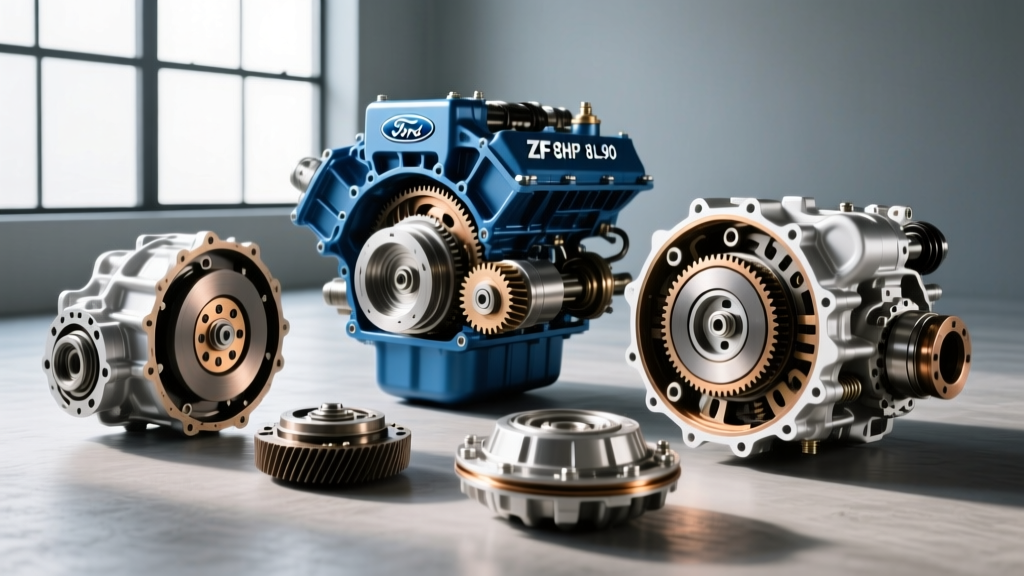
From a preventive maintenance perspective, ignoring early-stage transmission noise is a direct path to catastrophic mechanical binding or electrical safety lockouts. Whether it is a shattered planetary gearset in a GM 6L80, a seized torque converter clutch (TCC) in a Ford 6R80, or a failing Internal Mode Switch (IMS) in a ZF 8HP-equipped vehicle, the symptoms begin with sound. According to diagnostic frameworks published by AA1Car, auditory diagnostics are the first line of defense against total drivetrain immobilization.
Transmission Noise Diagnosis: The Early Warning System
Before a transmission physically locks the engine from rotating, or triggers a PCM no-crank safety protocol, it communicates its degradation through specific acoustic signatures. Proper transmission noise diagnosis requires isolating the frequency, pitch, and load-dependency of the sound.
Noise Signatures and Impending No-Start Failures
| Noise Type | Acoustic Profile | Probable Internal Fault | No-Start Risk Level |
|---|---|---|---|
| High-Pitch Whine | Increases with RPM, present in Park/Neutral | Transmission fluid pump cavitation or stator shaft scoring | Moderate (Starvation leads to clutch pack weld) |
| Heavy Metallic Clunk | Occurs on engagement or coast-downshift | Parking pawl shear, U-joint failure, or broken engine/trans mount | High (Pawl fragment can jam output shaft) |
| Grinding / Crunching | Continuous while moving, stops in Neutral | Planetary gearset tooth fracture or thrust bearing disintegration | Critical (Physical lockup of turbine shaft) |
| Rhythmic Scraping | Speed-dependent, localized to bellhousing | Torque converter hub wear or flexplate cracking | Critical (Flexplate failure seizes starter ring gear) |
Pathway 1: Mechanical Binding and Torque Converter Lockup
The most direct way a bad transmission prevents a car from starting is through physical mechanical binding. The engine and transmission are coupled via the torque converter. If the internal components of the transmission seize, the engine cannot rotate, resulting in a 'no-crank' condition that mimics a seized engine or a failed starter motor.
The Torque Converter Clutch (TCC) Drag Phenomenon
In modern lock-up torque converters, the TCC solenoid modulates apply pressure. If the solenoid fails or the valve body becomes contaminated with clutch material debris, the TCC may remain mechanically applied even when the vehicle is stopped. While the PCM will usually stall the engine to protect the drivetrain, repeated stalling and forced restarts can glaze the converter clutch. Eventually, the friction material shears off, wedging between the turbine and the stator. When this happens, the engine is physically locked to the transmission input shaft. Attempting to start the car yields a single, heavy 'clunk' from the starter motor engaging the flexplate, followed by silence.
Planetary Gearset Catastrophe (GM 6L80 / 6L90)
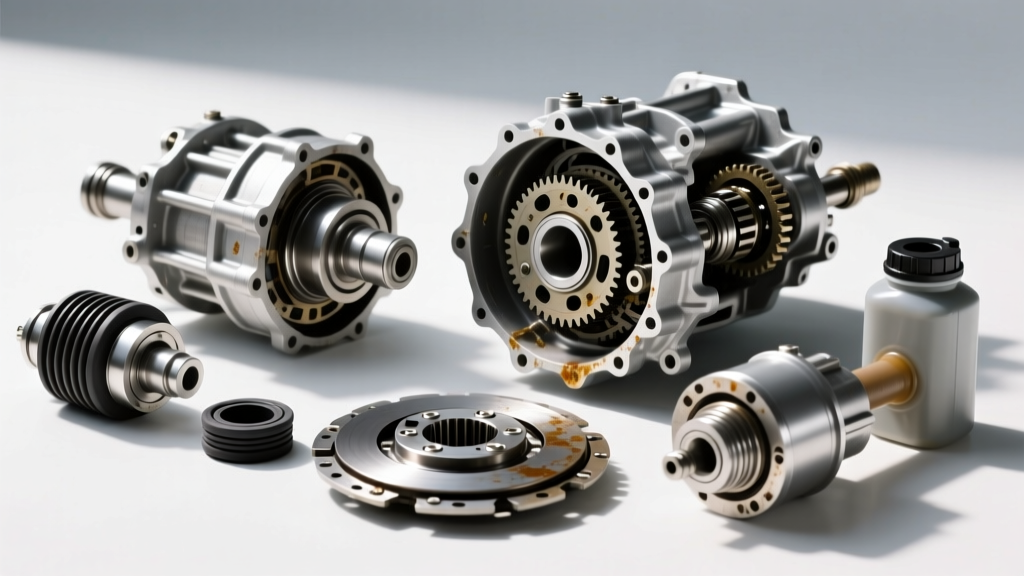
The GM 6L80 and 6L90 transmissions are notorious for the '4-5-6 clutch hub' failure. When this hub fractures, metallic shrapnel circulates through the lube circuit. If a large fragment lodges in the planetary carrier or the parking pawl assembly, the output or input shafts can physically jam. Preventive maintenance here dictates dropping the pan and inspecting the fluid for 'glitter' (fine metallic suspension) versus 'chunks' (bearing or gear failure) at 60,000-mile intervals.
Pathway 2: Electrical Safety Interlocks and Range Sensors
If the mechanical components are sound, the second pathway to a no-start condition is electrical. Modern vehicles utilize a Transmission Range Sensor (TRS), also known as a Neutral Safety Switch or Internal Mode Switch (IMS). This sensor tells the PCM what gear the transmission is in. For safety reasons, the PCM will only permit the starter relay to engage if the TRS reports 'Park' or 'Neutral'.
Internal Mode Switch (IMS) Degradation
On the GM 6L80/6L90 platforms, the IMS is located inside the transmission pan, directly on the manual valve shaft. Over time, the internal contacts wear, or transmission fluid degradation causes the sensor to short. If the PCM receives conflicting data (e.g., it sees 'Park' from the shift linkage but 'Drive' from the IMS), it defaults to a no-crank state to prevent the vehicle from lurching forward upon starting. Replacing the GM IMS (ACDelco Part # 24256258) requires dropping the pan, removing the valve body, and carefully aligning the neutral detent mark during installation.
External TRS and Linkage Stretch
On Ford vehicles equipped with the 6R80 transmission, the TRS is mounted externally on the transmission case. Exposure to road salt, water intrusion, and thermal cycling causes the internal copper contacts to corrode. Furthermore, the shift cable linking the steering column to the transmission lever can stretch or slip. If the physical lever is in Park, but the cable stretch leaves the transmission manual shaft slightly rotated toward Reverse, the TRS will inhibit the starter. Replacing the Ford 6R80 TRS (Motorcraft Part # SW-7164) and recalibrating the shift cable neutral position is a standard preventive fix that resolves thousands of mysterious no-start complaints annually.
Preventive Maintenance Protocol: Stopping Noise Before It Stops Your Car
To prevent transmission noise from escalating into a no-start immobilization event, fleet managers and DIY enthusiasts must adhere to a strict preventive maintenance schedule. The days of 'lifetime transmission fluid' are universally recognized by transmission rebuilders as a marketing myth that leads to premature mechatronic and hard-part failures.
Fluid and Filtration Specifications
- GM 6L80/6L90: Requires Dexron VI. Pan drop and filter replacement every 60,000 miles. Torque pan bolts to 106 lb-in (12 Nm).
- ZF 8HP (8HP70/8HP90): Requires ZF LifeguardFluid 8 (Part # 068.299.9001). The ZF mechatronic sleeve (Part # 0501.216.243) is known to leak, causing low fluid levels that result in pump whine and eventual TCC failure. Replace the sleeve and pan/filter assembly at 70,000 miles.
- Ford 6R80: Requires Mercon LV. Inspect the external TRS connector for green corrosion during every fluid service.
Critical Fastener Torque Specifications
When performing preventive bellhousing inspections to diagnose scraping noises, proper reassembly torque is vital to prevent flexplate warping, which can destroy the starter ring gear and cause a no-start condition.
- Bellhousing to Engine Block (GM 6L80): 37 lb-ft (50 Nm)
- Torque Converter to Flexplate (Most V8 Applications): 46 lb-ft (62 Nm) using Loctite 242 on M10x1.25 bolts.
- Transmission Crossmember to Frame: 59 lb-ft (80 Nm)
Diagnostic Flowchart: Isolating the No-Start/Noise Culprit
When faced with a vehicle that exhibits prior transmission noise and will now not start, follow this diagnostic sequence recommended by Transmission Digest industry guidelines:
- Verify Starter Engagement: Turn the key to 'Crank'. Does the starter click but fail to turn the engine, or is there total silence?
- Test the Neutral Safety Bypass: With your foot firmly on the brake, shift the vehicle into Neutral and attempt to start. If it starts in Neutral but not Park, the TRS/IMS or shift linkage is misaligned or faulty.
- Inspect the Flexplate Access Cover: Remove the inspection plate at the bottom of the bellhousing. Use a pry bar to gently rotate the flexplate. If the engine and torque converter refuse to rotate, you have a mechanical lockup (seized pump, jammed planetary, or hydro-locked torque converter).
- Scan for PCM/TCM Codes: Look for codes like P0705 (Transmission Range Sensor Circuit Malfunction) or P0741 (Torque Converter Clutch Circuit Performance/Stuck Off). These codes confirm whether the no-start is an electrical interlock issue or a mechanical TCC failure.
Conclusion
So, can a bad transmission cause a car not to start? Absolutely. Whether through the physical seizure of the torque converter and planetary gearsets or the electrical inhibition of the starter relay via a failed Transmission Range Sensor, the transmission holds the key to engine cranking. By treating transmission noise diagnosis as a critical pillar of preventive maintenance, you can catch pump cavitation, TCC solenoid degradation, and IMS contact wear long before they leave you stranded in the driveway. Adhering to strict fluid intervals, utilizing OEM-specified dielectric greases on external sensors, and respecting precise torque specs during drivetrain servicing will ensure your vehicle starts reliably for hundreds of thousands of miles. For further reading on advanced drivetrain acoustics, refer to the SAE International standards database regarding NVH (Noise, Vibration, and Harshness) troubleshooting protocols.