The Critical Role of the Torque Converter Stator
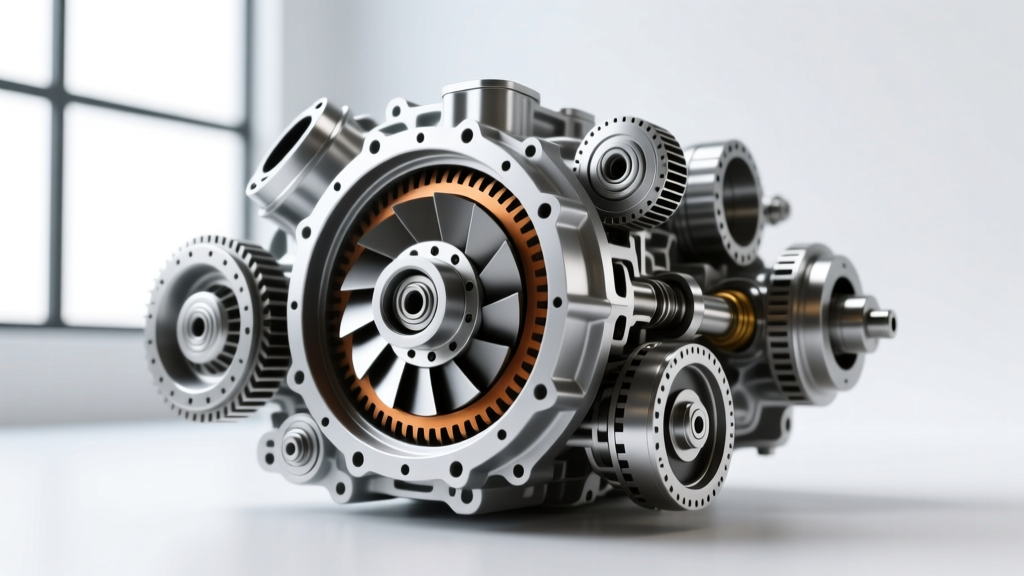
Inside every automatic transmission’s torque converter lies a triad of rotating components: the impeller (pump), the turbine, and the stator. While the impeller and turbine handle the bulk of power transfer, the torque converter stator is the unsung hero of torque multiplication. Positioned between the impeller and turbine, the stator’s primary function is to redirect returning transmission fluid back into the impeller, amplifying torque output during acceleration. However, when the stator or its supporting one-way clutch (sprag) begins to fail, it generates distinct acoustic signatures that serve as early warning indicators of catastrophic transmission failure.
As we navigate the 2026 automotive landscape, modern 10-speed and CVT-based architectures operate with incredibly tight internal clearances and ultra-low viscosity fluids like Dexron ULV and MERCON ULV. In these high-efficiency systems, a failing stator doesn’t just cause sluggish acceleration; it creates severe fluid cavitation, thermal runaway, and distinct whining or grinding noises. This preventive maintenance guide will teach you how to isolate torque converter stator noise, differentiate it from other drivetrain anomalies, and implement maintenance protocols to extend the life of your transmission.
Anatomy of Stator Failure and Acoustic Signatures
To diagnose stator noise, you must first understand the mechanical failure modes of the stator assembly. The stator is mounted on a one-way clutch (often a sprag or roller clutch) connected to the transmission’s stator support shaft. This clutch allows the stator to freewheel in one direction during the coupling phase (highway cruising) and lock in the opposite direction during the torque multiplication phase (acceleration from a stop).
1. The Seized Stator (Highway Howl and Whine)
If the stator’s one-way clutch seizes due to varnish buildup, debris ingestion, or bearing failure, the stator remains locked in place even during highway cruising. As the impeller and turbine spin at near 1:1 ratios, fluid is violently forced against the stationary stator fins. This creates immense fluid shear and cavitation, resulting in a high-pitched howling or supercharger-like whine that increases proportionally with vehicle speed and engine RPM. More critically, this fluid friction rapidly drives transmission fluid temperatures past 250°F (121°C), cooking the fluid and destroying clutch packs within miles.
2. Physical Interference and Hub Wear (Grinding and Scraping)
The stator hub rotates directly on the transmission’s stator support shaft or reactor tube. If the internal bushing of the stator hub wears out due to poor lubrication or misalignment, the stator can physically contact the shaft or the rear cover of the torque converter. This metal-on-metal interference produces a rhythmic grinding or scraping noise that is most audible at idle in gear, often accompanied by severe vibration.
3. Fin Flex and Cavitation (Growling Under Load)
In high-torque applications (such as tuned diesel trucks or supercharged V8s), the sheer force of the fluid can cause the stamped steel fins of an OEM stator to flex or deform. When these fins bend, they alter the fluid dynamics, creating a low-frequency growl or rumble under heavy throttle application. Upgrading to a billet stator is the only permanent preventive fix for this specific noise profile.
Diagnostic Matrix: Isolating Stator Noise
Misdiagnosing a stator issue as a failing transmission oil pump or a worn thrust bearing is a common and expensive mistake. Use the following diagnostic matrix to isolate the source of the noise before dropping the transmission.
| Noise Profile | RPM Dependency | Thermal Impact | Primary Culprit |
|---|---|---|---|
| High-pitched howl at 50+ MPH | Proportional to vehicle speed / coupling phase | Severe (Fluid temps exceed 250°F rapidly) | Seized Stator One-Way Clutch |
| Constant whine in Park/Neutral | Proportional to engine RPM (idle to redline) | Moderate | Transmission Oil Pump Gear Wear / Cavitation |
| Grinding / Scraping at idle in gear | Changes with load application (Drive/Reverse) | Low to Moderate | Stator Hub Bushing Failure / Thrust Bearing |
| Low-frequency growl under heavy throttle | Proportional to engine load / torque multiplication | Moderate | Stator Fin Flex / Impeller Interference |
Step-by-Step Preventive Diagnosis in the Bay
When a customer presents a vehicle with suspected torque converter noise, follow this systematic isolation procedure to confirm stator involvement before authorizing a teardown.
- Verify Fluid Condition and Level: Check the fluid level at operating temperature. Smell the dipstick; a burnt, acrid odor combined with a dark brown color indicates the fluid has been subjected to the extreme shear forces of a locked stator. Send a sample to a lab or use a particle counter to check for clutch material or metallic debris that may have jammed the sprag.
- Perform a Thermal Stall Test: Using a bi-directional scan tool, monitor the Transmission Fluid Temperature (TFT) PID. Perform a brief (no more than 5 seconds) stall test. If the stator is functioning correctly, fluid temps will rise slightly. If the stator is seized, the fluid shear will cause the TFT to spike dramatically in just a few seconds. Caution: Do not exceed manufacturer stall RPM limits to prevent catastrophic mechanical failure.
- Coupling Phase Road Test: Drive the vehicle to highway speeds (60-70 MPH) where the torque converter clutch (TCC) is locked, or the converter is fully in the coupling phase. A healthy stator will freewheel silently. A seized stator will emit a distinct howling noise that persists even when the TCC is engaged, as the internal fluid dynamics remain disrupted.
- Stethoscope Isolation: With the vehicle on a lift and safely secured, use a mechanic’s stethoscope on the bellhousing inspection cover while the vehicle is idling in gear. A scraping stator hub will transmit high-frequency metallic vibrations directly through the bellhousing, distinct from the lower-frequency hum of the oil pump.
Expert Tip: According to technical bulletins from the Automatic Transmission Rebuilders Association (ATRA), a significant percentage of ‘pump whine’ complaints on modern 8-speed and 10-speed transmissions are actually misdiagnosed stator cavitation issues caused by restricted cooler circuits. Always verify cooler flow rates before condemning the converter.
Preventive Maintenance: Stopping Stator Failure Before It Starts
Stator failures are rarely spontaneous; they are the result of deferred maintenance, fluid degradation, or thermal abuse. Implementing a rigorous preventive maintenance schedule is the most cost-effective way to avoid a $3,000 transmission replacement.
Fluid Intervals and Filtration
The ‘lifetime fluid’ myth has destroyed countless torque converters. For vehicles equipped with ZF 8HP transmissions, ZF officially recommends fluid changes every 60,000 miles under severe driving conditions, utilizing specific ZF Lifeguard 8 fluid. For GM 6L80/6L90 and Ford 10R80 applications, dropping the pan and replacing the filter (or cleaning the internal mesh screens) every 45,000 to 60,000 miles prevents the microscopic clutch debris from migrating into the torque converter and jamming the stator sprag.
Thermal Management and Cooler Upgrades
Heat is the enemy of the stator’s one-way clutch. Prolonged exposure to temperatures above 220°F (104°C) accelerates fluid oxidation, creating varnish that coats the sprag rollers and causes them to stick. Installing an auxiliary transmission cooler or upgrading the OEM thermal bypass valve to allow continuous cooler flow (a common mod for GM 8L90/10L90 transmissions) ensures that the fluid returning from the converter is adequately chilled, preserving the stator’s internal clearances.
Auxiliary Filtration Systems
For heavy-duty applications (towing, off-road), installing a magnetic inline transmission filter or a bypass filtration system (such as a 2-micron external filter) captures the metallic wear particles from the thrust washers before they can circulate into the torque converter and score the stator hub bushing.
Replacement Costs, Part Numbers, and Torque Specifications
If diagnosis confirms a failed stator, the torque converter must be replaced or professionally remanufactured. You cannot simply swap a stator in a standard garage environment; the converter must be cut open on a lathe, the stator replaced, and the unit dynamically balanced and welded shut.
2026 Pricing Breakdown
- OEM Torque Converter (e.g., GM 24258114 for 6L80): $850 - $1,300
- Remanufactured Heavy-Duty Converter (Billet Stator Upgrade): $550 - $950
- Labor (R&R Transmission & Converter): $1,200 - $2,400 (Based on 2026 average shop rates of $150-$220/hr)
- Fluid & Filter Kit: $120 - $250
Note: Opting for a remanufactured unit with a billet stator (available from specialists like Sonnax) is highly recommended for modified vehicles, as billet fins resist the flexing that causes cavitation noise and efficiency loss.
Critical Installation Torque Specs
When installing the new torque converter, improper fastening can lead to immediate stator hub misalignment and subsequent grinding noises. Adhere strictly to manufacturer specifications:
- GM 6L80/6L90 Flexplate to Converter Bolts (M10x1.5): 46 lb-ft (62 Nm). Use thread locker and replace bolts if stretched.
- Ford 10R80 Flexplate to Converter Bolts: 35 lb-ft (47 Nm).
- Transmission Cooler Line Fittings: 15-20 lb-ft (depending on thread size). Over-tightening will crack the converter hub or transmission case.
- Converter to Input Shaft Seating: Always measure the distance from the transmission bellhousing mating surface to the torque converter mounting pads. There must be a minimum of 3/8-inch (9.5mm) gap to ensure the converter is fully seated on the transmission oil pump and stator support shaft. Forcing the transmission onto an unseated converter will instantly crush the stator hub and destroy the oil pump upon startup.
Final Thoughts on Drivetrain Longevity
Diagnosing torque converter stator noise requires a methodical approach that separates fluid dynamics from mechanical wear. By understanding the acoustic signatures of a seized sprag or a worn hub bushing, technicians and enthusiasts can intervene before the failing converter sends a shower of metallic debris through the transmission’s valve body. Prioritize strict fluid maintenance intervals, monitor thermal loads, and never ignore a new whine or howl from the bellhousing. In the world of automatic transmissions, sound is the first and most honest diagnostic tool you have.