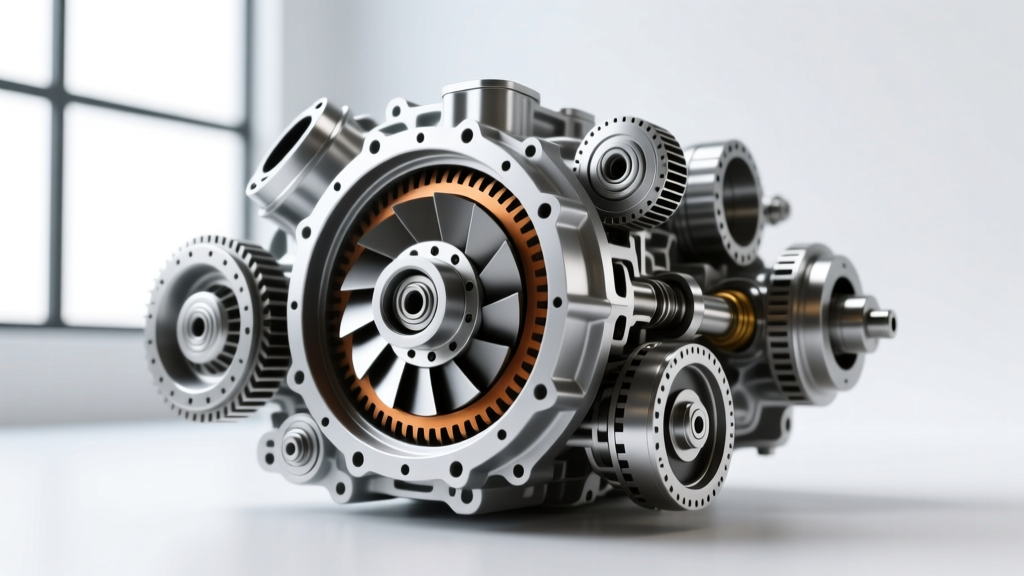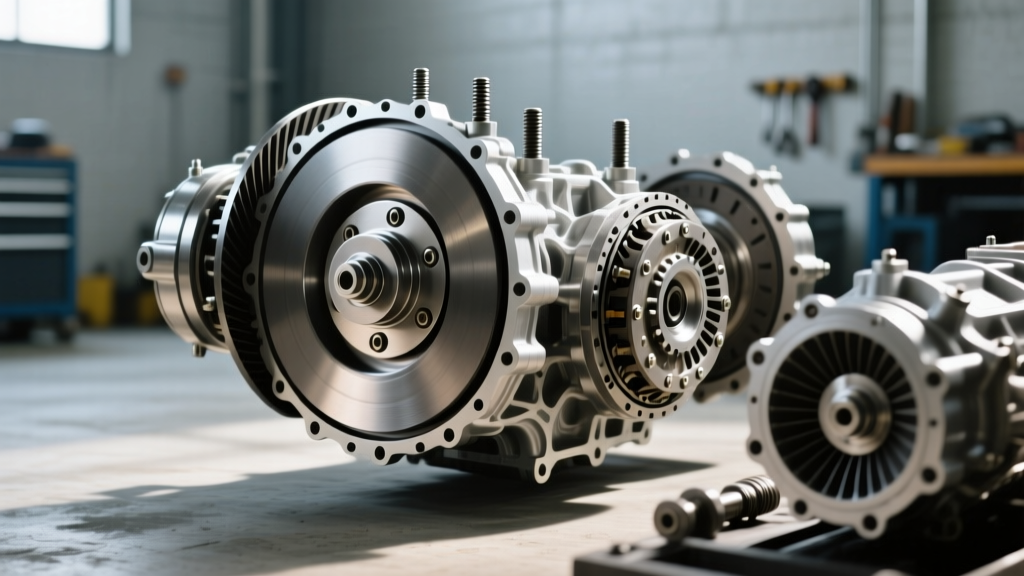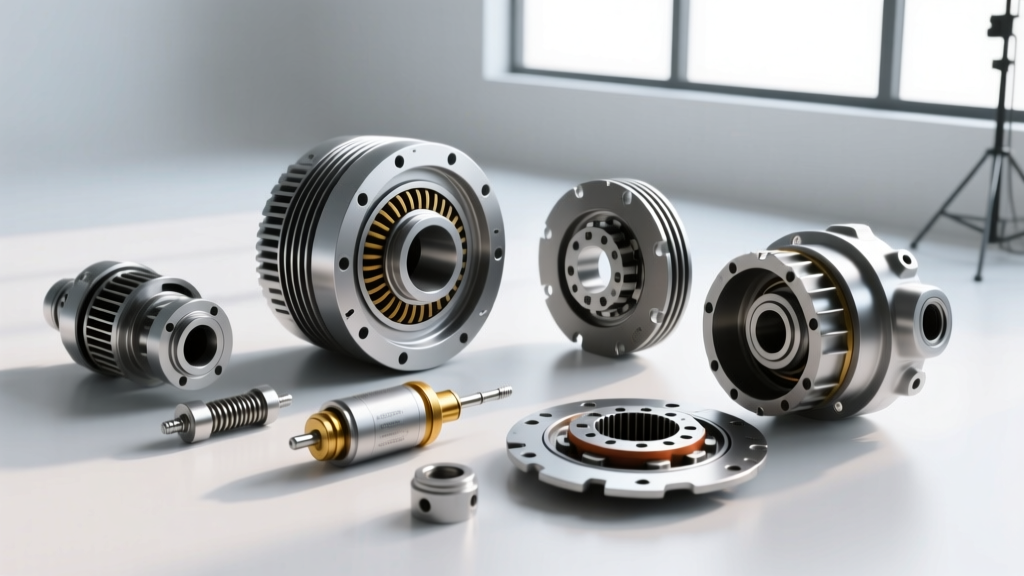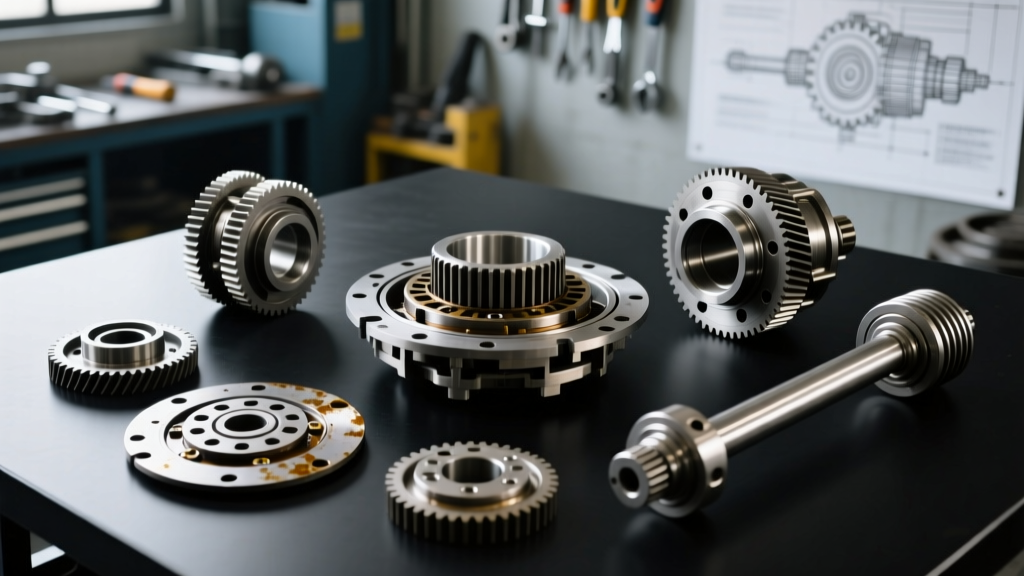
When an automatic transmission exhibits low-speed shudder, torque converter clutch (TCC) slip codes (like P0741), or excessive metallic debris in the fluid pan, the torque converter is often the primary suspect. But before you order a remanufactured unit and clear your weekend schedule, you need to understand the scope of the job. In this model-specific repair guide, we answer the most common question DIYers and shop owners ask: how hard is it to replace a torque converter, and what will it actually cost in today's market?
The Reality of Torque Converter Replacement Difficulty
On a difficulty scale of 1 to 10, replacing a torque converter sits firmly at an 8 for DIYers and a 4 for professional technicians. The torque converter itself is a bolt-in component that slides onto the transmission input shaft and pumps the flexplate. The difficulty doesn't lie in the converter itself, but in the labor required to access it.
To reach the torque converter, the transmission must be completely removed from the vehicle. This requires:
- Disconnecting the driveshaft(s), CV axles, and transfer case (if 4WD/AWD).
- Dropping the exhaust system and unbolting engine mounts.
- Supporting the engine with a specialized support bar (e.g., OTC 1818) while supporting the transmission with a low-profile transmission jack (e.g., OTC 6749).
- Managing delicate cooler lines, electrical harnesses, and shift linkages.
Furthermore, a torque converter weighs between 35 and 65 pounds depending on the application. Maneuvering it onto the input shaft while aligning the flexplate bolts and ensuring the transmission oil pump drive hub is fully seated requires physical strength and precision. Failure to fully seat the converter before mating the transmission to the engine block will instantly shatter the transmission oil pump upon tightening the bellhousing bolts.
Pre-Pull Diagnostics: Do You Actually Need a Replacement?
Before tackling the physical labor, verify the failure. According to Sonnax technical resources, TCC shudder is frequently misdiagnosed. A failing torque converter will typically exhibit:
- Slip RPM: Using an advanced OBD2 scanner, monitor the TCC Slip RPM. At cruising speeds in top gear with the TCC locked, slip should be 0 to 20 RPM. Consistent slip above 50 RPM indicates worn friction material inside the converter.
- Stator Clutch Failure: If the vehicle has zero engine braking in first gear or poor off-the-line acceleration, the internal one-way stator clutch may have failed, requiring converter replacement.
- Contamination: Dropping the transmission pan and finding heavy, glitter-like metallic paste (not just a few fine shavings on the magnet) confirms internal bearing or fin failure.
Model-Specific Difficulty and Cost Matrix
Labor times and parts costs vary wildly depending on the platform. Below is a breakdown of replacement costs and difficulty factors for three of the most common modern automatic transmissions found in light-duty trucks and passenger vehicles.
| Transmission Model | Common Vehicles | Book Labor Time | Estimated Total Cost (Parts + Labor) | Primary DIY Pain Point |
|---|---|---|---|---|
| GM 6L80 / 6L90 | Silverado, Sierra, Camaro | 6.5 - 8.0 Hours | $1,600 - $2,400 | Crossmember removal, exhaust clearance |
| Ford 6R80 | F-150, Mustang, Explorer | 7.0 - 8.5 Hours | $1,800 - $2,600 | 4WD front axle disconnect, fill tube leaks |
| ZF 8HP45 / 8HP70 | Ram 1500, BMW, Dodge Charger | 6.0 - 7.5 Hours | $2,200 - $3,200 | Integrated plastic pan, specialized ZF fluid |
Deep Dive: GM 6L80 / 6L90 (Silverado / Sierra)
The 6L80 is notorious for torque converter shudder, largely due to the degradation of early Dexron VI fluid under high thermal loads, which breaks down the TCC friction lining. If you are replacing the torque converter on a GM truck, you must also address the root cause.
- OEM Part Reference: AC Delco 24230298 (Verify with VIN, as 6L90 units differ).
- Fluid Requirement: GM has updated many 6L80 applications to require Dexron ULV (Ultra Low Viscosity) to prevent repeat shudder. Always check the dipstick label or service manual.
- Crucial Torque Specs: The flexplate-to-crankshaft bolts are torque-to-yield. They must be tightened to 35 Nm (26 lb-ft) plus an additional 50 degrees of rotation. The torque converter-to-flexplate bolts require 46 Nm (34 lb-ft).
- Pro-Tip: Always replace the rear main seal and the transmission pump O-ring/stator support tube seals while the trans is out. A $15 seal kit saves you from pulling a $2,000 assembly again if the stator tube leaks TCC apply pressure.
Deep Dive: Ford 6R80 (F-150 / Mustang)
The ZF-designed 6R80 is a robust unit, but its torque converter and internal lead frame (Molded Lead Frame) are known wear items. Replacing the converter on a 4WD F-150 adds significant labor due to the front axle and skid plate removal.
- OEM Part Reference: Ford 9L1Z-7902-B (or equivalent remanufactured unit).
- Fluid Requirement: Motorcraft MERCON LV. Capacity is typically 13.1 quarts for a dry fill, but expect to use 7-9 quarts for a pan-drop and converter swap.
- Crucial Torque Specs: Flexplate bolts on the 5.0L Coyote V8 require 112 Nm (83 lb-ft). The transmission pan bolts are aluminum-thread sensitive and must be torqued to exactly 10 Nm (89 lb-in) to avoid stripping the case.
- Pro-Tip: The 6R80 does not have a traditional dipstick. Fluid level must be checked via the fill plug on the side of the transmission case while the fluid is between 185°F and 203°F (85°C-95°C) and the vehicle is level.
Deep Dive: ZF 8HP45 / 8HP70 (Ram 1500 / BMW)
The ZF 8-speed is an engineering marvel, but it is highly unforgiving regarding fluid quality and installation procedures. The torque converter on these units is often welded or heavily integrated with the damper assembly to reduce NVH (Noise, Vibration, and Harshness).
- OEM Part Reference: Sachs / LUK remanufactured units specific to the exact ZF ID tag.
- Fluid Requirement: ZF LifeguardFluid 8. Do not use generic multi-vehicle fluids. The 8HP clutch clearances are microscopic, and incorrect friction modifiers will cause immediate TCC chatter.
- The Plastic Pan Issue: The transmission filter is permanently welded into the plastic transmission pan. You cannot just change the filter; you must buy the entire pan/filter assembly (Part # 2411 8 643 009 for many applications), adding $150-$250 to your parts cost.
- Pro-Tip: The ZF 8HP utilizes a thermostat in the cooling circuit. The transmission will not accept a full fluid fill until the internal thermostat opens at roughly 104°F (40°C). You must use a scan tool to monitor the pan temperature during the fill procedure.
Hidden Costs: What Shops Quote vs. What You Actually Pay
When browsing RepairPal's labor estimator or getting quotes from local drivetrain shops, the baseline quote usually only includes the torque converter, a basic fluid top-off, and standard book labor. However, a proper, long-lasting repair requires ancillary parts that will inflate the final invoice.
- Cooler Flush ($150 - $250): If your old torque converter was shedding clutch material, that debris is now packed into the transmission cooler lines and the radiator heat exchanger. Failing to perform a pressurized cooler flush will send debris straight into your new converter's TCC valve, causing a failure within 5,000 miles.
- Flexplate Resurfacing or Replacement ($100 - $300): The friction surface of the flexplate where the converter mates can become scored or warped. If it is not machined or replaced, the new converter will vibrate.
- Fluid Costs ($150 - $350): Modern synthetic transmission fluids (like ZF Lifeguard or Dexron ULV) are expensive, often running $25 to $45 per quart. A dry-fill capacity of 12+ quarts significantly impacts the bottom line.
- Alignment and Relearn Procedures ($100): Vehicles like the ZF 8HP and GM 10-speed require proprietary TCM (Transmission Control Module) relearn procedures to adapt the TCC apply pressures to the new friction material.
DIY vs. Professional: The Final Verdict
So, how hard is it to replace a torque converter? If you have a two-post lift, a high-capacity transmission jack, an engine support bar, and access to a factory service manual for torque specs, it is a manageable weekend project. You can save $1,000 to $1,500 in labor by sourcing your own parts from the RockAuto catalog or a specialized drivetrain supplier.
However, if you are attempting this in a standard driveway using floor jacks and jack stands, the risk of injury, cross-threading aluminum bellhousing bolts, or improperly seating the oil pump hub is exceptionally high. For the average DIYer without a lift, the physical danger and specialized tooling requirements make professional installation the smarter, safer investment. Always insist that your shop includes a pressurized cooler flush and a TCC relearn procedure in the final estimate to ensure your new torque converter survives the life of the vehicle.