The Hidden Danger of Torque Converter Rattle
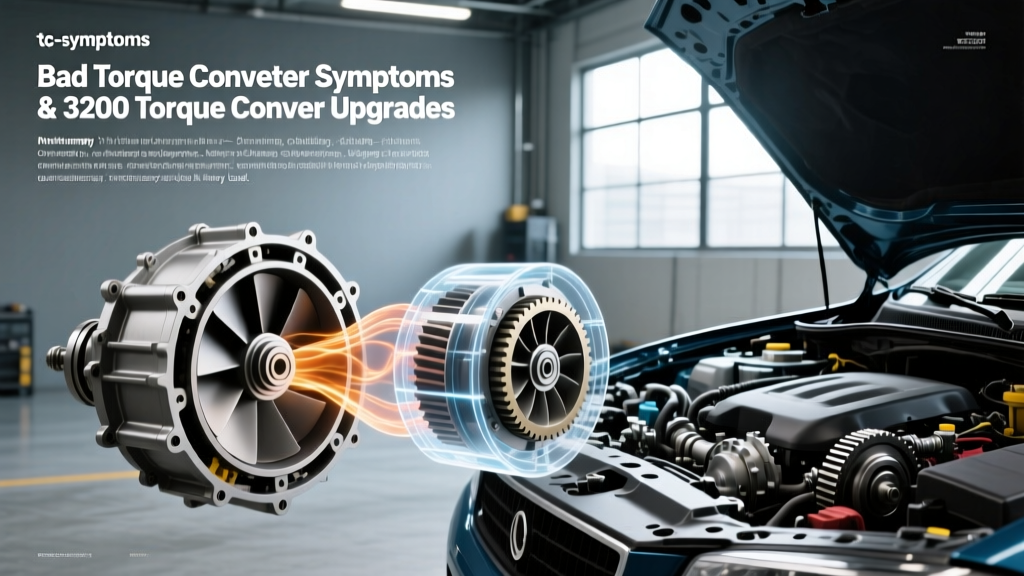
In modern automotive drivetrains, the torque converter acts as the critical hydrodynamic link between the engine and the transmission. While designed to operate silently, a developing torque converter rattle is one of the most frequently misdiagnosed symptoms in the powertrain. Often dismissed as a loose exhaust heat shield, accessory drive noise, or engine knock, this specific acoustic signature is a primary indicator of internal component degradation. If ignored, a minor rattle will rapidly escalate into catastrophic transmission pump failure or complete lockup clutch disintegration. This preventive maintenance guide details the exact diagnostic protocols, fluid shear analysis, and hardware specifications required to isolate and address torque converter noise before it necessitates a $4,000 rebuild.
Anatomy of the Rattle: Internal Failure Points
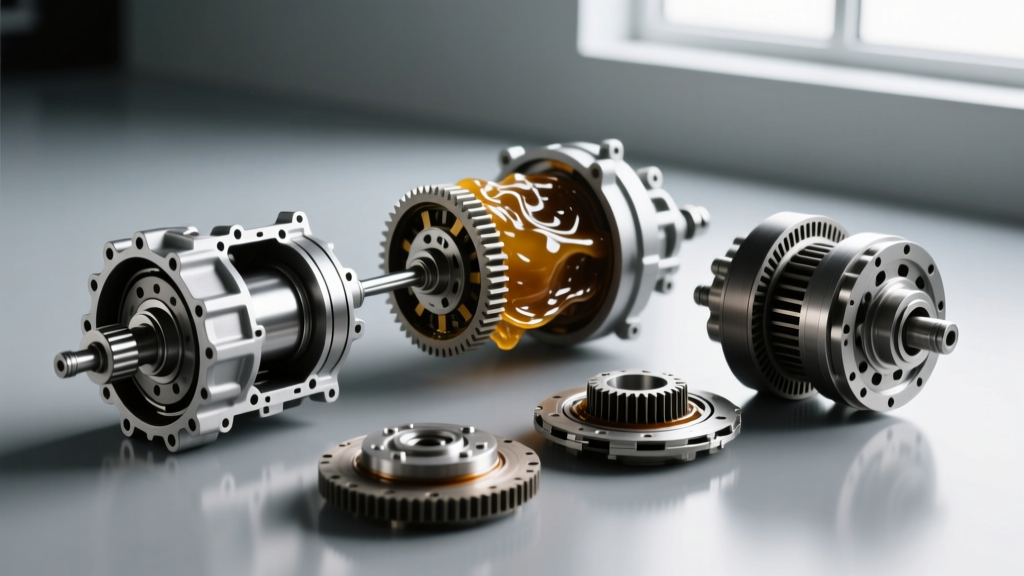
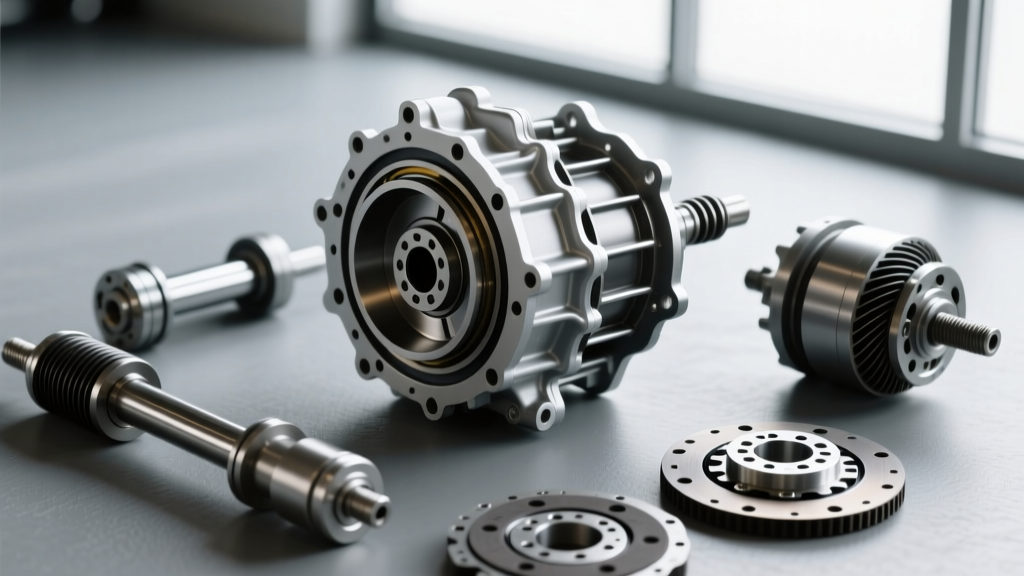
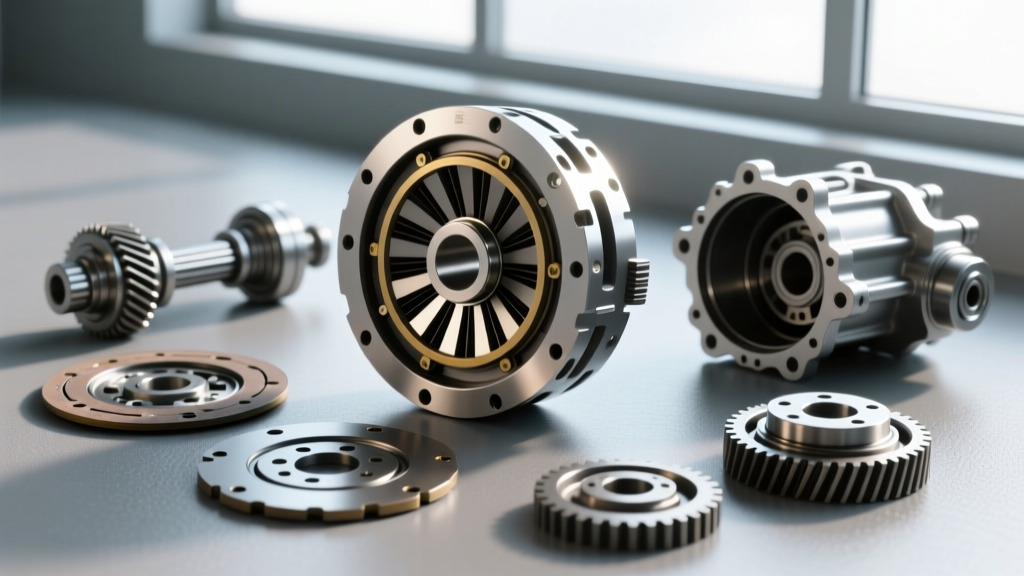
To accurately diagnose torque converter noise, technicians must understand the internal architecture of the converter. The rattle typically originates from one of three specific components:
1. Stator One-Way Clutch Degradation
The stator sits between the impeller and the turbine, redirecting fluid flow to multiply torque. It is mounted on a one-way roller or sprag clutch. When this clutch wears, varnishes, or loses its tension spring, the stator begins to oscillate on the stator shaft during overrun or low-load cruising. This produces a distinct metallic rattle or clicking noise that changes pitch with engine RPM but disappears under heavy load when the stator locks.
2. Torque Converter Clutch (TCC) Damper Springs
Modern 8-speed and 10-speed transmissions (such as the ZF 8HP and Ford 10R80) utilize aggressive TCC lockup strategies to improve fuel economy. The TCC piston features a torsional damper assembly with heavy-duty coil springs designed to absorb engine harmonics. If the automatic transmission fluid (ATF) loses its shear stability, these springs can fatigue, fracture, or lose their seating tension, resulting in a rhythmic rattling or marbles-in-a-can sound specifically during TCC apply (usually between 1,200 and 1,800 RPM at highway speeds).
3. Impeller or Turbine Fin Separation
Though less common in preventive maintenance scenarios, severe fluid cavitation or extreme thermal cycling can cause the brazed joints on the internal fins to crack. Loose fin material will bounce around the torus, creating a chaotic, high-frequency rattle that is present in all gear ranges.
Diagnostic Flowchart: Isolating the Noise Source
Proper torque converter noise diagnosis requires a systematic approach to eliminate engine and driveline variables. Utilizing a mechanic's stethoscope or an NVH (Noise, Vibration, and Harshness) frequency analyzer app is highly recommended.
| Test Condition | Acoustic Signature | Probable Culprit | Preventive Action |
|---|---|---|---|
| Vehicle in Park/Neutral, engine at idle (600-800 RPM) | Light metallic clicking or rattle that vanishes when RPM is raised to 1,500 | Stator one-way clutch failure or loose flexplate bolts | Inspect flexplate torque; plan for TC replacement if stator is confirmed |
| Vehicle in Drive, stopped at a light (converter at stall/stall-load) | Deep clunk followed by vibration, no high-pitch rattle | TCC drag or failing transmission mount | Check TCC apply solenoid PWM; inspect motor/trans mounts |
| Cruising at 45-60 MPH, TCC locked (1,200-1,600 RPM) | Rhythmic rattling or buzzing that stops immediately when tapping the brake pedal (unlocking TCC) | Fractured TCC torsional damper springs | Perform ATF drop-pan service; replace TC if springs are compromised |
| Coasting in gear, foot off throttle (Stator Overrun) | Rapid clicking or rattle that ceases when throttle is applied | Stator sprag clutch slipping on shaft | Flush ATF to remove varnish; replace TC if noise persists |
Preventive Maintenance Protocols by Transmission Model
The leading cause of torque converter rattle is ATF degradation. As fluid oxidizes, it forms varnish on the stator clutch rollers and degrades the friction modifiers required for smooth TCC apply. Implementing model-specific preventive maintenance is the only way to extend the life of the converter.
GM 6L80 and 6L90 Transmissions
The GM 6L series is notorious for torque converter clutch shudder, which often precedes a mechanical rattle as the TCC lining chunks off and damages the damper springs. GM's latest specification requires Dexron HP or Dexron ULV (Ultra Low Viscosity) for newer calibrations. Preventive Protocol: Perform a drain and fill (dropping the pan to replace the integrated filter) every 45,000 miles. Avoid high-pressure power flushing, which can dislodge debris into the stator clutch and cause immediate mechanical binding and rattle. Total dry fill capacity is approximately 11.2 quarts; a standard pan drop yields 6.0 to 7.5 quarts.
ZF 8HP Series (8HP45, 8HP70, 8HP90)
Found in BMW, Audi, Dodge, and Jaguar applications, the ZF 8HP relies heavily on ZF LifeguardFluid 8. The mechatronic unit's TCC control valve is highly sensitive to fluid viscosity changes. When the fluid shears down, the TCC slips microscopically, generating excess heat that warps the TCC piston and fatigues the damper springs. Preventive Protocol: Despite ZF's historical 'lifetime fluid' claims, the Automatic Transmission Rebuilders Association (ATRA) and ZF's updated service bulletins strongly recommend a fluid and filter change every 60,000 miles under normal driving, or 40,000 miles under severe towing conditions. Pan drop capacity is roughly 5.5 to 6.5 liters.
Critical Hardware and Torque Specifications
If diagnosis confirms internal mechanical failure, replacing the torque converter requires strict adherence to hardware specifications. A loose torque converter to flexplate connection will mimic a severe internal rattle and can destroy the transmission oil pump bushing.
- GM 6.2L V8 (6L80E/10L80E): Torque converter to flexplate bolts must be torqued to 37 lb-ft (50 Nm). Always use new OEM bolts (Part #11561460) with a medium-strength threadlocker (e.g., Loctite 243).
- Ford 5.0L Coyote (10R80): Flexplate to converter nuts require 60 lb-ft (81 Nm). Ensure the converter is fully seated into the oil pump gears (minimum 3 distinct 'clunks' during insertion) before tightening to prevent pump housing fracture.
- Dodge 5.7L HEMI (8HP70): Flexplate to crank bolts are often TTY (Torque-to-Yield). Replace with new hardware and torque to 70 lb-ft plus a 90-degree turn, per factory service manual specifications.
Cost Analysis: Preventive Service vs. Catastrophic Failure
Ignoring a torque converter rattle transforms a manageable maintenance issue into a devastating financial burden. Here is a realistic cost breakdown for 2026 market rates:
- Preventive ATF Drop-Pan Service: $250 - $450 (Includes OEM fluid and pan/filter assembly).
- Torque Converter Replacement (Stand-alone): $1,200 - $1,800 (Includes remanufactured OEM-spec converter, new flexplate bolts, rear main seal, and 6-8 hours of R&R labor). Note: The transmission is removed, but not disassembled.
- Complete Transmission Rebuild (Due to TC Debris Contamination): $3,500 - $5,500+. If a TCC damper spring or stator shatters, hardened steel debris is immediately ingested by the transmission oil pump and circulated through the valve body and clutch packs, requiring a complete teardown, hot-tank cleaning, and master rebuild kit.
Authoritative References
For further technical data on fluid specifications and torque converter failure analysis, consult the following industry resources: