The Big Question: Is the Torque Converter Inside the Transmission?
When your check engine light illuminates and an OBD2 scanner spits out a Torque Converter Clutch (TCC) code, the first question most beginners ask is: Is the torque converter inside the transmission? The short answer is both yes and no, depending on how you define the 'transmission.'
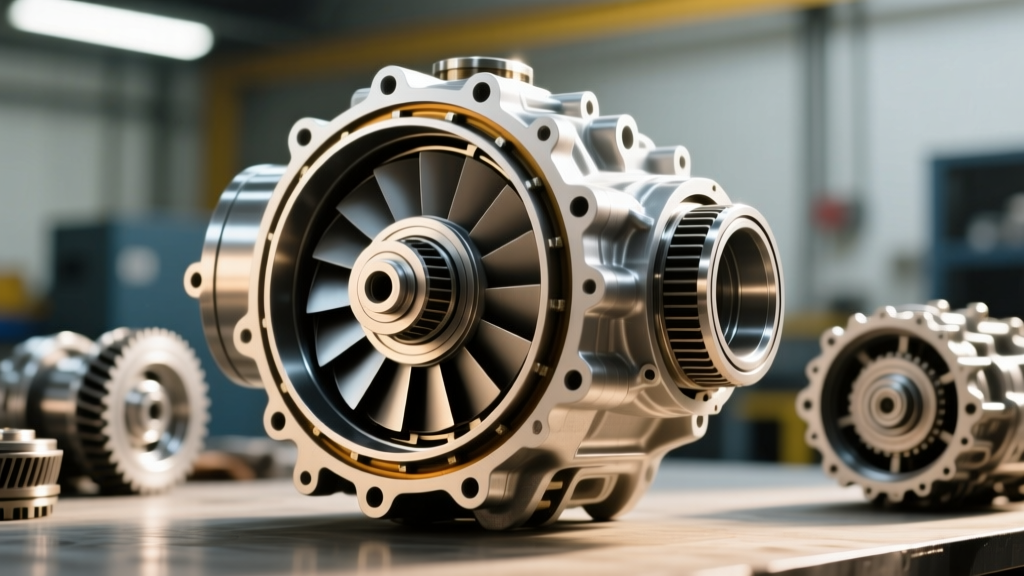
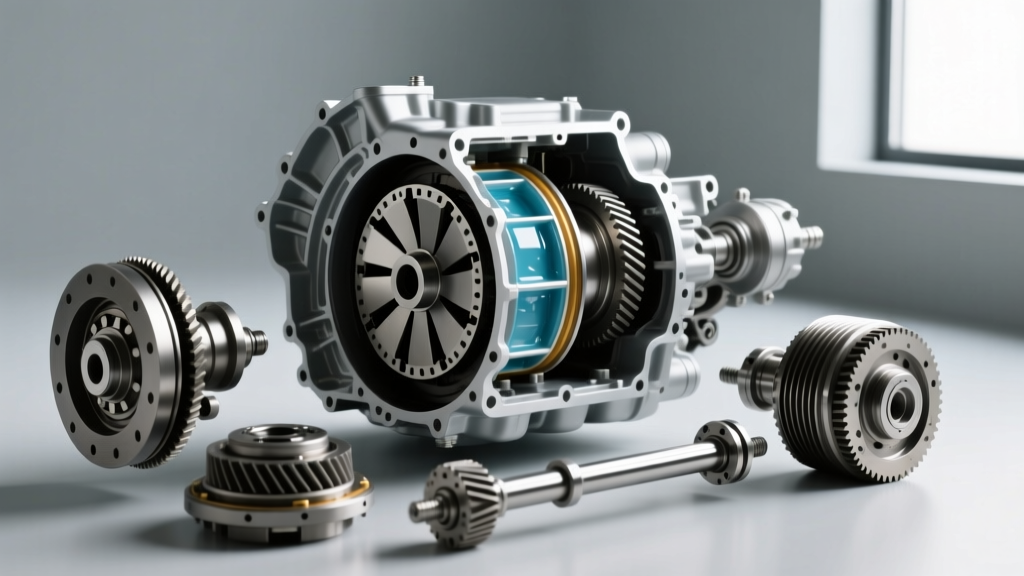
Technically, the torque converter is outside the main transmission gear case, but it is inside the overall transmission assembly's bell housing. It sits sandwiched directly between the engine's rear block and the transmission's front pump. The converter bolts directly to the engine's flexplate (or flywheel), meaning it spins at engine RPM whenever the engine is running. The transmission's input shaft splines into the center of the torque converter's turbine, transferring the multiplied hydraulic torque into the gear sets.
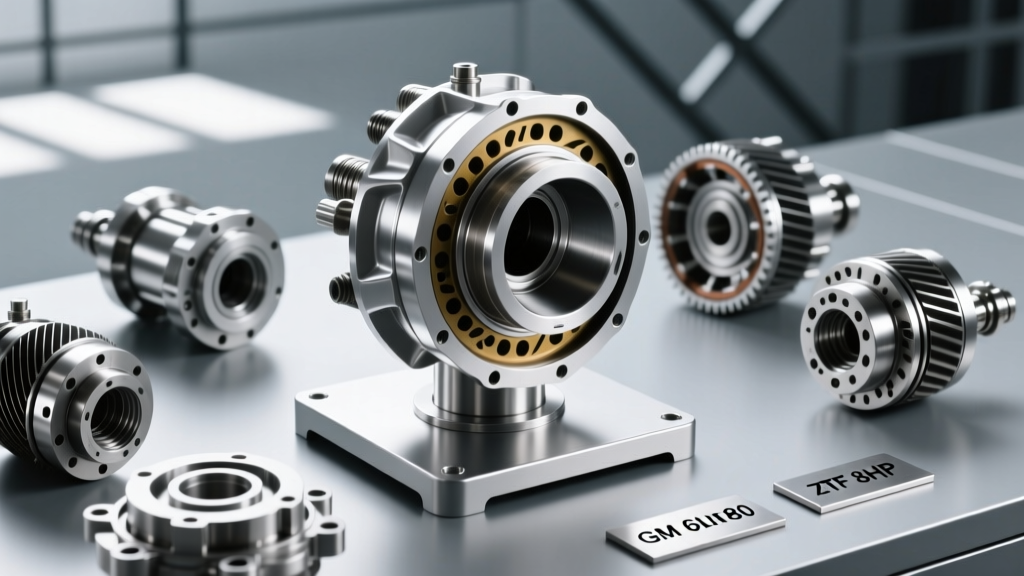
Because the torque converter is buried in this inaccessible 'no-man's land' between the engine and the gearbox, you cannot simply pop the hood and visually inspect it. This physical location is exactly why modern vehicles rely heavily on sophisticated Diagnostic Trouble Codes (DTCs) to monitor its health. As of 2026, with the proliferation of 8-speed and 10-speed automatic transmissions like the ZF 8HP and Ford/GM 10R80/10L90, the Transmission Control Module (TCM) uses microscopic slip calculations to diagnose internal converter failures without ever removing the unit.
Why Physical Location Dictates TCC Diagnostics
Because you cannot physically see the torque converter's internal clutch lining or stator without pulling the transmission out of the vehicle, the TCM acts as your eyes. The TCM monitors the rotational speed of the engine (via the crankshaft position sensor) and compares it to the rotational speed of the transmission input shaft (via the turbine speed sensor).
When the TCM commands the Torque Converter Clutch (TCC) to lock, it expects a 1:1 ratio between engine speed and input shaft speed. If the physical friction material inside the converter is worn, or if the hydraulic solenoid controlling the lockup valve is failing, the TCM detects 'slip' and triggers a diagnostic trouble code. Understanding these codes is the only way to bridge the gap between a hidden mechanical component and a drivable diagnosis.
The 5 Most Common Torque Converter Clutch (TCC) Trouble Codes
Below is a structured breakdown of the most frequent TCC-related OBD2 codes, what they mean for your specific vehicle, and the primary mechanical or electrical culprits.
| DTC Code | Definition | Primary Symptom | Common Culprit & Application Notes |
|---|---|---|---|
| P0740 | TCC Circuit Malfunction | Harsh shifts, poor fuel economy, no lockup. | Open or shorted wiring to the TCC solenoid. Common in older 4L60E applications where harness chafing occurs near the bell housing. |
| P0741 | TCC Performance / Stuck Off | RPM flaring on highway, TCC shudder, overheating. | Worn converter clutch lining, bad PWM solenoid, or degraded fluid. Notorious on GM 6L80/6L90 transmissions. |
| P0742 | TCC Stuck On | Engine stalls when coming to a stop at idle. | Valve body bore wear (TCC apply valve stuck) or contaminated fluid blocking the exhaust port. |
| P0743 | TCC Electrical Circuit | Check engine light, transmission enters limp mode. | Failed solenoid coil internal short. Check resistance; ZF 8HP solenoids typically read 2-4 ohms. |
| P2769 | TCC Circuit Low | Delayed lockup, erratic shifting. | TCM driver failure or degraded connector pins at the transmission case pass-through. |
Source reference: For a complete matrix of OBD-II powertrain codes, consult the OBD-Codes P0740 Reference Database.
Deep Dive: P0741 and the 'Slip' Calculation
P0741 is the undisputed king of torque converter codes. To understand it, you must understand the TCM's slip calculation. The formula is simple: Engine RPM - Turbine Speed (Input Shaft RPM) = TCC Slip Speed.
When the TCC is fully applied (locked), the slip should be near 0 RPM. If the TCM commands lockup at 55 MPH in top gear, but detects that the engine is spinning at 1,800 RPM while the input shaft is only spinning at 1,650 RPM, it registers 150 RPM of slip. Most modern TCMs will trigger P0741 if slip exceeds 100-130 RPM for more than a few seconds.
In the GM 6L80 and 6L90 transmissions, P0741 is frequently accompanied by a violent 'shudder' feeling at cruising speeds. This is often caused by the breakdown of the specialized TCC apply fluid friction modifiers, or a failing Pulse Width Modulated (PWM) TCC solenoid (ACDelco part #24230298) that can no longer smoothly feather the clutch apply pressure.
Step-by-Step TCC Diagnostic Walkthrough
Before you authorize a $2,000 transmission removal, follow this beginner-friendly but professionally rigorous diagnostic sequence:
Step 1: The Fluid Inspection (The Window to the Converter)
Because the torque converter holds roughly 40% to 60% of the transmission's total fluid capacity, the fluid condition tells a massive story. Pull the dipstick or check the level plug.
- Color & Smell: If the fluid is dark brown and smells like burnt toast, the paper/carbon friction lining inside the torque converter has likely disintegrated. A simple fluid flush will not fix this; the converter must be replaced.
- Level: Low fluid (often due to a leaking transmission cooler line or rear main seal) causes the front pump to cavitate, resulting in low hydraulic pressure and TCC slip (P0741).
Step 2: Bi-Directional Scanner Data PIDs
Connect an advanced scan tool and navigate to the TCM live data stream. You need to monitor three specific Parameter IDs (PIDs) while driving at a steady 55-65 MPH:
- TCC Solenoid Duty Cycle (%): If the TCM is commanding 90-100% duty cycle, it is desperately trying to lock the converter.
- TCC Slip Speed (RPM): If duty cycle is high but slip remains above 100 RPM, you have a mechanical or hydraulic failure.
- Transmission Fluid Temperature (TFT): The TCM will inhibit TCC lockup if fluid is below 32°F (0°C) or above 265°F (129°C). Ensure TFT is in the normal operating window (160°F - 200°F) before diagnosing slip.
Step 3: Electrical Verification
If the scanner shows 0% duty cycle when lockup is commanded, or if you have an electrical code like P0743, you must test the solenoid. Access the transmission's external electrical connector or drop the pan to access the internal lead frame. Using a digital multimeter, measure the resistance across the TCC solenoid pins.
- GM 6L80/10L90 PWM Solenoids: Expect 10 to 14 ohms at room temperature.
- Ford 10R80 Solenoid Body: Typically 2.5 to 4.0 ohms.
- ZF 8HP Mechatronic Unit: Lockup solenoids usually read between 5 and 7 ohms.
If your reading shows 'OL' (Open Loop/Infinite), the internal copper windings of the solenoid are broken, and the solenoid must be replaced. For deeper engineering standards on hydraulic clutch actuation, refer to SAE International Technical Papers on automatic transmission drivetrain dynamics.
2026 Repair Cost Breakdown & Component Realities
Understanding where the torque converter is located helps explain the labor costs associated with these repairs. Because the converter is bolted to the engine flexplate inside the bell housing, replacing it requires separating the engine and transmission. Here is what you can expect to pay at an independent shop in 2026:
| Repair Scenario | Estimated Part Cost | Estimated Labor Cost | Total Range |
|---|---|---|---|
| TCC Solenoid Replacement (Pan drop, no trans removal) |
$45 - $180 (e.g., Motorcraft DG-2104 Lead Frame) |
$300 - $600 | $345 - $780 |
| Valve Body Replacement (Fixes P0742 stuck-on bore wear) |
$250 - $800 | $400 - $800 | $650 - $1,600 |
| Full Torque Converter Replacement (Requires transmission R&R) |
$350 - $950 (OEM Remanufactured) |
$800 - $1,600 | $1,150 - $2,550 |
Critical Installation Note: Flexplate Torque Specs
If your diagnosis leads to a full torque converter replacement, the installation torque specifications are paramount. When mating the new converter to the engine's flexplate, you must leave a precise gap (usually 1/8 to 3/16 of an inch) before pulling the transmission forward. The bolts pulling the converter to the flexplate must be tightened to exact specifications to prevent cracking the flexplate or warping the converter hub. For example, on GM LS/LT V8 applications, the M10x1.5 flexplate-to-converter bolts require exactly 46 lb-ft (62 Nm) of torque, ideally secured with a medium-strength threadlocker (Blue Loctite 243) to prevent backing out under high-RPM stall conditions.
Summary: Location, Codes, and Drivability
So, is the torque converter inside the transmission? It lives in the bell housing, acting as the vital hydraulic bridge between your engine's mechanical rotation and your transmission's gear sets. Because its physical location makes visual inspection impossible, mastering TCC diagnostic trouble codes like P0741 and P0742 is your best defense against catastrophic drivetrain failure. By combining live-data slip analysis with targeted electrical testing, you can accurately pinpoint whether a simple $50 solenoid swap or a full transmission extraction is required to get your vehicle back on the road.