The Physics of Hydraulic Feedback in Performance Builds
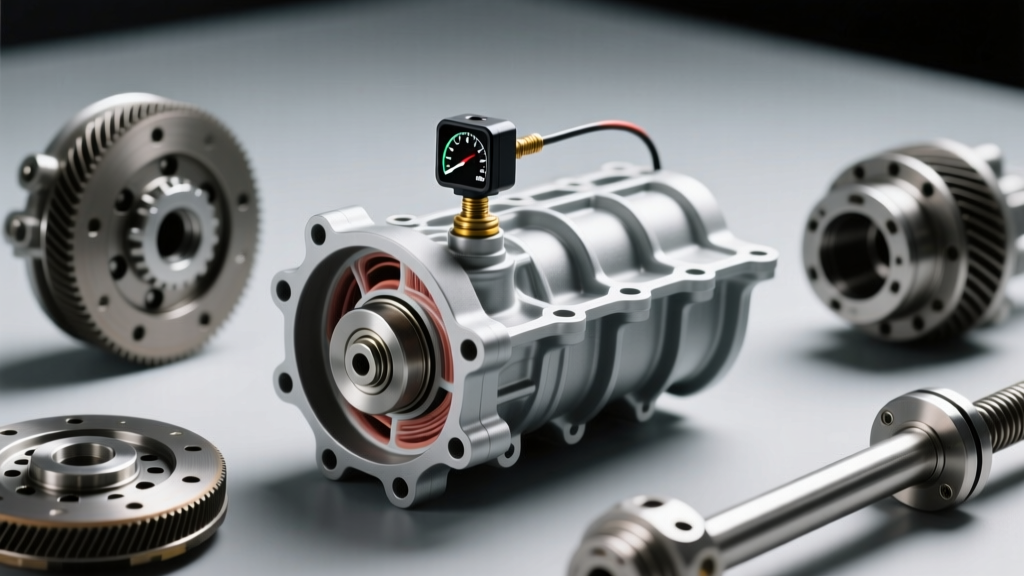
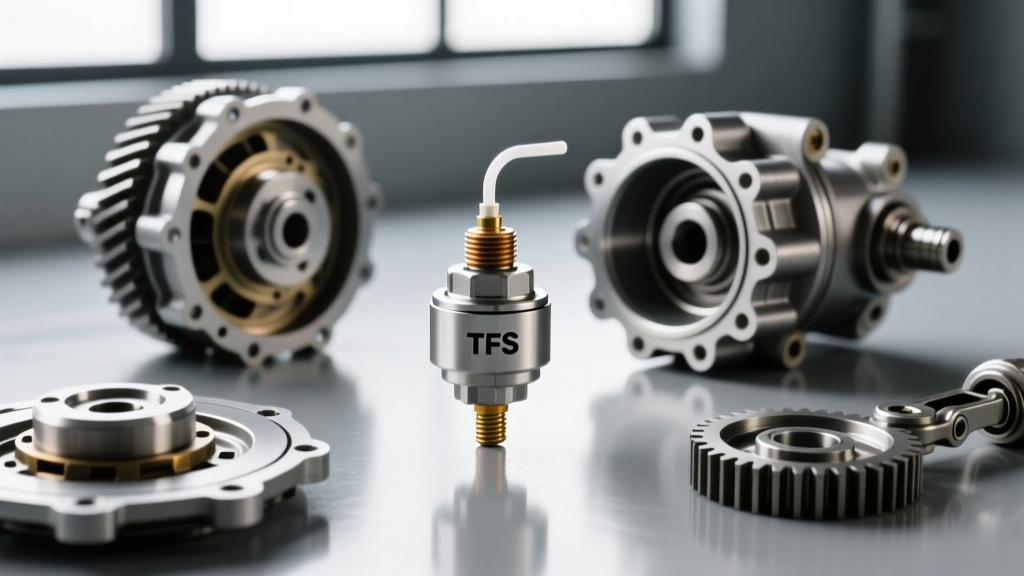
In the realm of high-performance automatic transmissions, hydraulic line pressure is the lifeblood of clutch apply and shift firmness. Whether you are building a 1,000-hp GM 6L80E, upgrading a classic 4L60E for drag racing, or tuning a ZF 8HP70 for aggressive street duty, the Transmission Control Module (TCM) relies entirely on the Transmission Fluid Pressure Sensor (TFPS) to monitor and adjust hydraulic force. Stock piezoresistive pressure sensors are designed for factory comfort and longevity, typically sweeping from 0.5V (0 psi) to 4.5V (maxing out around 400–500 psi). However, when you introduce upgraded valve bodies, stiffer pressure regulator springs, or custom TCM tuning to push line pressures past 250 psi at the clutches, the stock sensor's voltage curve can clip, leading to erratic shift timing or TCM limp-mode defaults.
Upgrading your TFPS is not just about preventing failure; it is about giving your tuning software the high-resolution data it needs to command firmer, safer shifts under heavy load. But before you drop the pan or pull the side cover, it is crucial to understand the diagnostic overlap between pressure faults and range selector faults—a misstep that frequently leads enthusiasts down an expensive and unnecessary path.
OEM vs. Performance TFPS Upgrade Paths
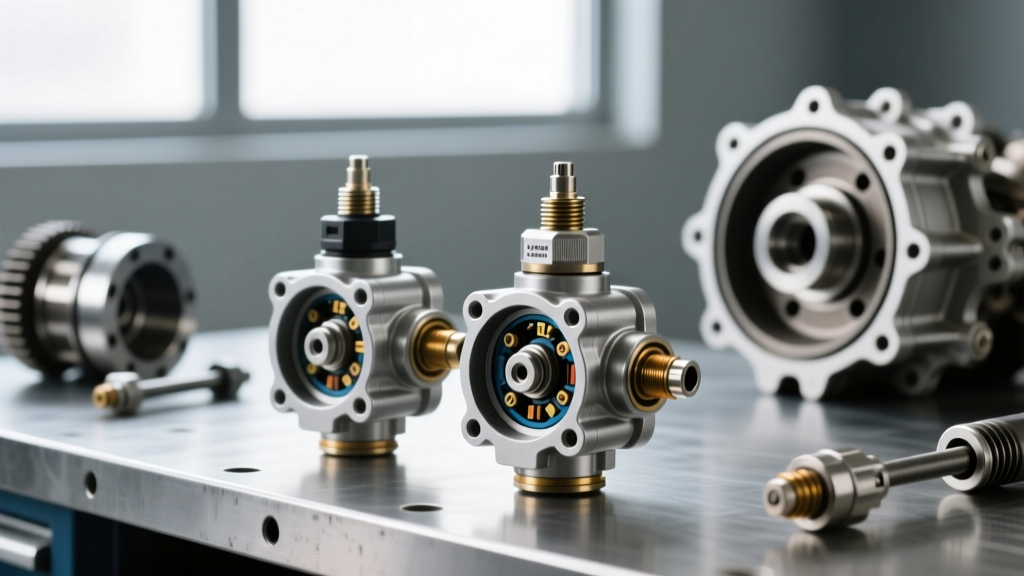
When selecting a fluid pressure transducer for a performance build, you must match the sensor's pressure ceiling and thread pitch to your specific transmission case. Below is a comparison of standard and heavy-duty upgrade paths available in the 2026 aftermarket landscape.
| Sensor Type | Part Number / Spec | Max Pressure | Best Application | Est. Price |
|---|---|---|---|---|
| OEM Replacement (GM) | GM 12601786 | ~500 psi | Stock to mild 6L80/6L90 builds | $45 - $65 |
| Heavy-Duty Aftermarket | Standard Motor PS10081 | ~600 psi | Street/Strip 4L60E & 4L80E | $55 - $80 |
| Custom High-Pressure Transducer | TE Connectivity M5600 (1000 psi) | 1,000+ psi | Standalone TCMs, Transbrake setups | $120 - $150 |
| Sonnax Line Pressure Mod Kit | Sonnax 4L60E PR Valve Kit | N/A (Mechanical Mod) | Paired with TFPS for 4L60E | $60 - $90 |
For most enthusiasts running a modified GM 6L80E or 4L60E with a stock TCM, the OEM GM 12601786 or its high-quality aftermarket equivalents are sufficient, provided you are not exceeding the factory voltage scaling limits. However, if you are running a standalone transmission controller (like a Microsquirt or Holley Terminator X managing a transbrake), you will need a custom high-pressure transducer like the TE Connectivity M5600 series, which can handle the extreme hydraulic spikes generated during transbrake releases without suffering internal diaphragm fatigue.
The Diagnostic Crossroads: Avoiding the Transmission Range Sensor Repair Cost Trap
One of the most common and costly mistakes in transmission diagnostics is conflating hydraulic pressure faults with gear position faults. When a TFPS begins to fail, it often throws codes like P0878 (Transmission Fluid Pressure Sensor/Switch 'D' Circuit High) or P0879 (Circuit Low). The TCM detects an implausible voltage reading and immediately commands a line-pressure default (often maxing out line pressure to prevent clutch slip) and triggers limp mode.
Because limp mode also restricts the transmission to a single gear (usually 2nd or 3rd) and disables the shift solenoids, many DIYers and even some generalist mechanics mistakenly assume the issue lies with the gear selector mechanism. They look up the transmission range sensor repair cost, purchase a new TRS (also known as a neutral safety switch or PRNDL switch), and spend hours dropping pans or removing external linkages to replace it.
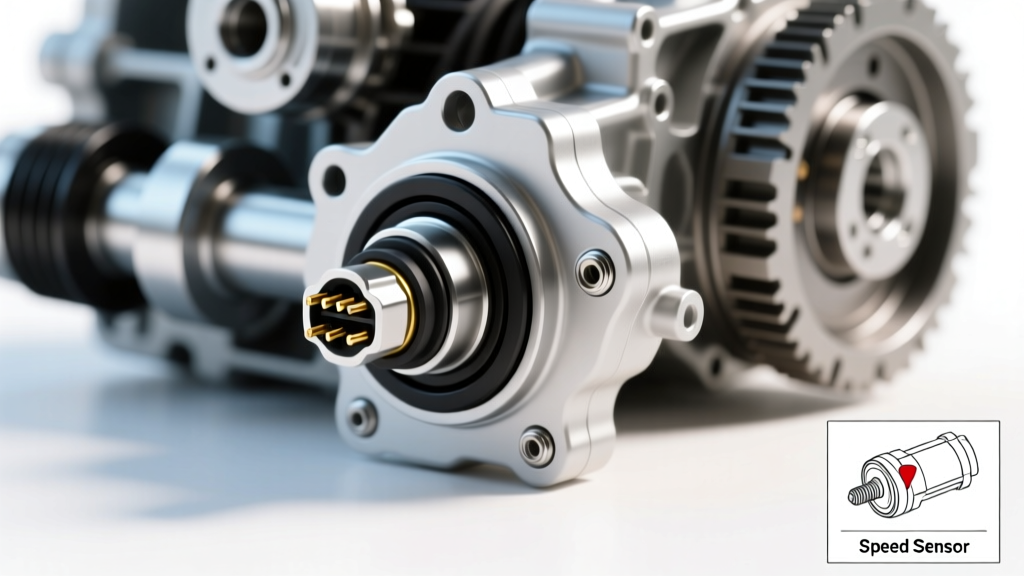
While the transmission range sensor repair cost typically ranges from $200 to $450 (accounting for a $50–$150 part and 1.5 to 3 hours of labor, especially on transverse FWD applications where the TRS is buried under the battery tray and requires recalibration), replacing it will not fix a P0878 code. The TRS (which triggers codes like P0706 for Circuit Range/Performance) only tells the TCM what gear the shifter is in; it does not monitor hydraulic fluid pressure. By understanding the distinct data PIDs for the TFPS versus the TRS via an OBD-II scanner, you can save yourself hundreds of dollars in misdirected labor and focus on the actual $45 pressure sensor located on the valve body or transmission case.
Installation Protocol: Torque Specs and Wiring
Upgrading the TFPS requires meticulous attention to cleanliness and torque specifications. A stripped thread in the aluminum transmission case or valve body can result in catastrophic fluid loss and immediate transmission failure.
GM 6L80 / 6L90 Side-Mount Installation
On the GM 6L80 and 6L90 platforms, the TFPS is conveniently located on the side of the transmission case, meaning you do not need to drop the transmission pan or lose all your Dexron VI / Mobil 1 Synthetic ATF to replace it.
- Preparation: Clean the area around the sensor thoroughly with brake cleaner to prevent debris from entering the hydraulic gallery.
- Removal: Use a 27mm or 1-1/16" deep socket to break the sensor loose. Expect to lose about 4–8 ounces of fluid.
- Thread Sealant: Most OEM TFPS units feature a pre-applied dry thread sealant. If using an aftermarket sensor without sealant, apply a single drop of Loctite 592 (or equivalent PTFE pipe sealant) to the threads. Never use standard Teflon tape, as shredded pieces will enter the valve body and jam the pressure regulator valve.
- Torque Specification: The factory service manual specifies 13 Nm (115 lb-in)
GM 4L60E Pan-Mount Installation
For the legendary 4L60E, the sensor is located inside the transmission, screwed directly into the valve body or the case near the pressure tap. This requires dropping the pan, draining the fluid, and removing the valve body filter. According to Sonnax technical resources, when the pan is off, it is highly recommended to install a Sonnax pressure regulator valve kit to complement your new sensor, allowing you to mechanically raise base line pressure while the TFPS monitors the new hydraulic curve.
TCM Calibration: Scaling for High-Pressure Transducers
If you are utilizing a custom high-pressure transducer (like the 1,000 psi TE Connectivity model) paired with a standalone TCM or a heavily modified factory TCM using HP Tuners VCM Editor, you must recalibrate the sensor scaling table.
Factory TCMs expect a linear 0.5V to 4.5V sweep representing 0 to ~500 psi. A 1,000 psi transducer will output 4.5V at 1,000 psi. If you plug a 1,000 psi sensor into a stock 6L80E harness without altering the TCM's PID scaling tables, the TCM will read 250 psi when the actual pressure is 500 psi, leading to severe clutch slip and burnt friction materials.
Tuning Steps in HP Tuners:
- Navigate to Transmission > Fluid Pressure > Sensor Scaling.
- Adjust the Voltage-to-Pressure (kPa or psi) map to match the manufacturer's data sheet of your new transducer.
- Log the TFPS Raw Voltage and Commanded Line Pressure PIDs on a dyno or during a controlled street pull to ensure the actual hydraulic pressure matches the TCM's target curve.
2026 Performance Build Cost Analysis
When budgeting for a transmission sensor and hydraulic upgrade, consider the total ecosystem cost. Below is a realistic breakdown for a performance-oriented TFPS upgrade compared to the misdiagnosed TRS route.
- Accurate TFPS Upgrade (6L80E): $55 (OEM+ Sensor) + $0 (DIY Side-Mount Labor) + $150 (Custom HP Tuners License/Tune) = $205 Total.
- Misdiagnosed TRS Replacement (FWD 6T70E): $95 (TRS Part) + $250 (Shop Labor for Battery Tray/Axle Access) + $80 (Recalibration) = $425 Total (and the car is still in limp mode).
By understanding the distinct roles, failure modes, and calibration requirements of the Transmission Fluid Pressure Sensor, you can confidently upgrade your hydraulic feedback loop, protect your high-dollar clutch packs, and avoid the financial sinkhole of unnecessary transmission range sensor repairs.