The TCC Shudder Dilemma: Solenoid Failure vs. Fluid Contamination
When an automatic transmission develops a rhythmic, vibrating shudder at highway speeds—typically between 45 and 65 mph under light throttle—the immediate suspicion falls on the torque converter clutch (TCC). Many general repair shops will immediately recommend a transmission flush, assuming degraded fluid or glazed friction material is the culprit. However, as transmission systems have evolved, TCC solenoid problems have become a leading root cause of this exact symptom. This raises a critical question for technicians and vehicle owners: when dealing with TCC shudder, is cleaning torque converter internals and flushing the fluid enough, or is a solenoid replacement mandatory?
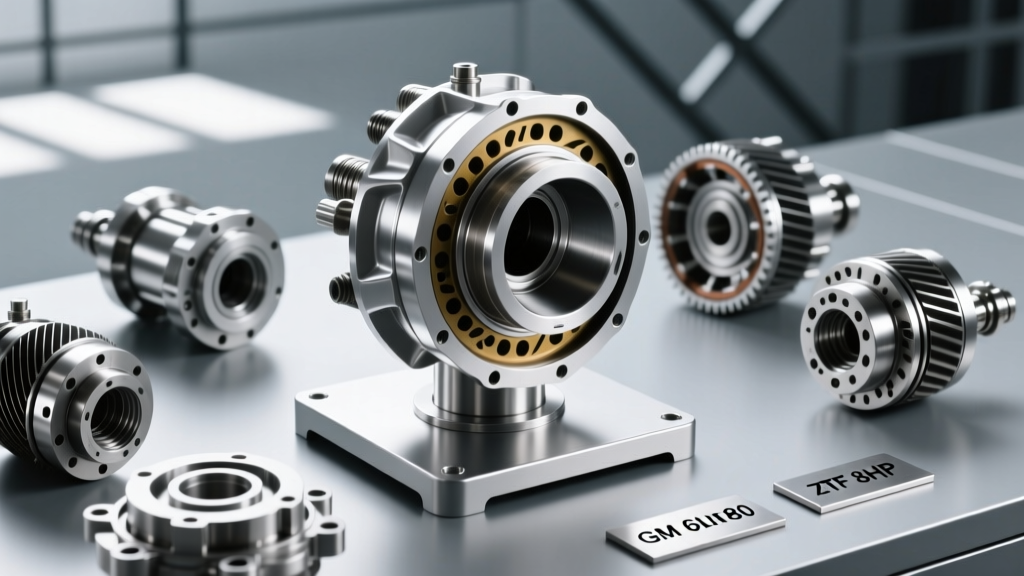
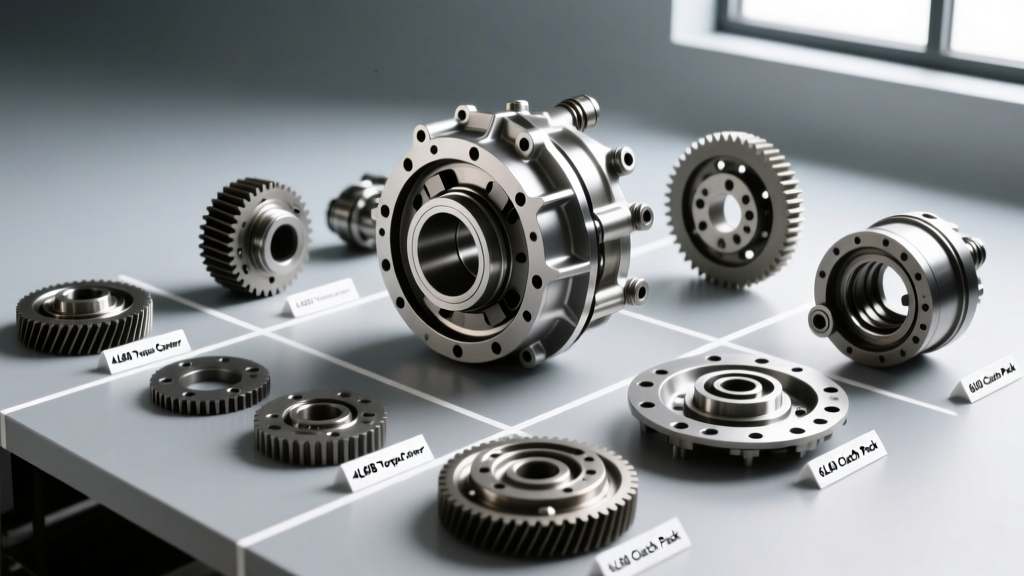
To answer this, we must look past the fluid and examine the electro-hydraulic architecture of modern transmissions. The TCC solenoid is not merely an on/off switch; it is a highly sensitive Pulse Width Modulated (PWM) valve that modulates apply pressure hundreds of times per second to achieve a seamless lockup. When this component fails, the symptoms perfectly mimic a worn torque converter clutch lining. In this expert guide, we break down the diagnostic matrix for TCC solenoid failures, evaluate the efficacy of flushing procedures, and provide exact repair protocols for prevalent transmissions like the GM 4L60E, GM 6L80, and ZF 8HP.
PWM Solenoid Architecture and the 45-Micron Vulnerability
Modern TCC solenoids operate using a PWM signal, typically at a frequency of 290 to 320 Hz. The Transmission Control Module (TCM) rapidly pulses the solenoid ground circuit to control the hydraulic pressure applied to the TCC piston. This allows for a controlled "slip" phase before full lockup, eliminating the harsh engagement felt in older 1990s vehicles.
However, this precision engineering introduces a major vulnerability: debris. Most OEM TCC solenoids feature a tiny 45-micron filter screen on the fluid inlet port. If the torque converter clutch material begins to degrade, or if internal transmission wear generates metallic particulate, these microscopic particles bypass the main pan filter and lodge directly into the solenoid screen. This causes a mechanical bind. The TCM commands a 60% duty cycle, but the restricted screen only allows enough fluid pressure for a 20% apply, resulting in severe TCC slip and the dreaded highway shudder.
Diagnostic Matrix: Electrical vs. Mechanical vs. Friction Failure
Before considering any flush or teardown, a proper diagnostic sequence using a bi-directional scan tool and a digital multimeter (DMM) is required. Below is the definitive matrix for isolating the root cause of TCC shudder.
| Failure Type | Scan Tool Data (TCC Slip PID) | Multimeter / Electrical Test | Primary Symptom | Required Fix |
|---|---|---|---|---|
| Electrical Solenoid Failure | Erratic slip, often >150 RPM; TCM sets P0742 or P2763 | Out of OEM resistance spec (e.g., Open circuit or <5 Ohms) | Harsh engagement, no lockup, or check engine light | Replace TCC Solenoid |
| Mechanical Bind (Debris) | Oscillating slip (bouncing between 10 and 80 RPM at steady cruise) | Resistance is perfectly within spec (e.g., 12-15 Ohms) | Rhythmic shudder under light throttle, feels like driving over rumble strips | Replace Solenoid, Drop Pan, Inspect Debris |
| Friction Material Degradation | Consistent high slip (>50 RPM) or shudder only when fluid is hot | Resistance is within spec; Solenoid clicks with 12V jump | Shudder worsens as fluid temperature exceeds 180°F | Cleaning torque converter flush, new fluid, friction modifier |
The "Cleaning Torque Converter" Debate: Flush vs. Replace
When a diagnostic scan reveals that the solenoid is electrically sound but mechanically restricted, or when the TCC friction lining is shedding material, the debate over cleaning torque converter assemblies begins. Can a standard dialysis flush machine save the unit?
The short answer is no. Standard shop flush machines exchange fluid through the cooler lines. While they replace the fluid, they do not generate enough turbulent flow inside the torus to dislodge heavy metallic debris or packed clutch material embedded in the stator fins. If you install a brand-new TCC solenoid without properly cleaning the torque converter, the residual debris will be sucked directly into the new solenoid's 45-micron screen within 500 miles, causing a repeat failure.
According to Sonnax technical documentation on TCC shudder, if the pan contains a high volume of dark, fibrous clutch material, the torque converter is actively destroying itself. In these cases, chemical flushing is a band-aid. The only true method of cleaning torque converter internals is a "cut-and-weld" rebuild at a specialized machine shop, or replacing the converter entirely. If the debris is minimal (light gray clutch dust), a pan drop, filter replacement, solenoid swap, and two back-to-back drain-and-fills using a high-detergent synthetic fluid (like Valvoline MaxLife or OEM-specific fluids) is the accepted best practice.
Model-Specific TCC Solenoid Data and Repair Protocols
TCC solenoid replacement procedures vary wildly depending on the transmission architecture. Below are expert insights for three of the most common platforms on the road.
GM 4L60E / 4L65E (1995-2013)
The 4L60E utilizes a standalone PWM TCC solenoid located in the valve body. The OEM replacement is the ACDelco 214-1893 (or BorgWarner S8573).
- Resistance Spec: 12 to 15 Ohms at 68°F (20°C).
- Torque Spec: Valve body to case bolts must be torqued to exactly 97 in-lbs (11 Nm). Over-torquing will warp the aluminum valve body, causing cross-leaks and TCC apply issues.
- Expert Tip: Always replace the TCC isolator valve in the valve body when replacing the solenoid. The isolator bore wears out, causing TCC drain oil to leak, which mimics a bad solenoid.
GM 6L80 / 6L90 (2006-2019)
The 6L80 presents a unique challenge. Early models integrated the TCC solenoid into the TEHCM (Transmission Electro-Hydraulic Control Module). If the TCC solenoid failed, GM mandated replacing the entire TEHCM assembly, costing over $1,200. Later revisions allowed for standalone solenoid servicing. Furthermore, Transmission Digest frequently highlights that 6L80 TCC shudder is often caused by a worn TCC regulator valve in the pump, not the solenoid itself. Always install a Sonnax TCC regulator valve kit (Part # 104740-03K) if the solenoid tests perfectly but shudder persists.
ZF 8HP (8-Speed Automatic)
Found in millions of Chrysler, BMW, and Audi vehicles, the ZF 8HP uses a fully integrated Mechatronic unit. The TCC solenoid is not individually serviceable in the traditional sense. If the TCC solenoid circuit fails, the ZF Mechatronic sleeve or the entire electro-hydraulic control module must be replaced. ZF strictly mandates the use of ZF LifeguardFluid 8; using generic "multi-vehicle" fluids will alter the hydraulic viscosity, causing the highly calibrated ZF TCC solenoid to shudder immediately upon lockup.
Step-by-Step Expert Repair Protocol
If your diagnostics point to a mechanical bind or electrical failure of the TCC solenoid, follow this strict protocol to ensure a lasting repair:
- Verify Electrical Integrity: Back-probe the TCC solenoid circuit at the transmission external connector. Verify the TCM is sending a clean PWM ground signal using an oscilloscope. A degraded wiring harness ground will cause a false shudder.
- Pan Drop and Debris Analysis: Remove the pan. Inspect the magnet and the filter screen. If you find chunks of friction material, stop. The torque converter must be replaced or cut-and-welded.
- Valve Body Removal: Unbolt the valve body. Keep all bolts organized; they are of varying lengths. Installing a long bolt into a short hole will crack the transmission case.
- Solenoid Swap: Remove the old solenoid. Clean the bore with compressed air and lint-free shop towels. Lubricate the O-rings of the new solenoid with fresh transmission fluid before seating it.
- Fluid Fill and Adaptation Reset: Refill with the exact OEM-specified fluid. CRITICAL: You must use a bi-directional scan tool to reset the TCC Adaptation / Fast Adapt values in the TCM. If you skip this step, the TCM will apply the new solenoid using the learned pressure maps of the old, failing solenoid, resulting in immediate harsh engagements.
2026 Cost Breakdown: Solenoid Replacement vs. Converter Replacement
Understanding the financial implications of TCC repairs helps in making the right diagnostic choices. Below is an estimated cost breakdown based on average 2026 independent shop labor rates ($145-$185/hr).
| Service Type | Target Transmission | Parts Cost (OEM) | Labor Time | Estimated Total (2026) |
|---|---|---|---|---|
| TCC Solenoid Replacement (Pan Down) | GM 4L60E | $45 - $85 | 2.5 Hours | $410 - $550 |
| TEHCM / Solenoid Assembly | GM 6L80 | $850 - $1,200 | 3.5 Hours | $1,350 - $1,850 |
| Mechatronic Sleeve / Solenoid | ZF 8HP | $600 - $900 | 4.0 Hours | $1,180 - $1,640 |
| Torque Converter Replacement | Any (FWD/RWD) | $400 - $1,100 | 7.0 - 11.0 Hours | $1,400 - $3,100+ |
Final Verdict
While maintaining clean fluid is vital for transmission longevity, relying solely on the practice of cleaning torque converter assemblies via a machine flush will not cure a TCC shudder caused by a failed or restricted PWM solenoid. Accurate diagnosis requires reading TCC slip PIDs, testing solenoid resistance, and inspecting the pan for debris. By addressing the electro-hydraulic root cause and resetting the TCM adaptations, you can restore seamless lockup and extend the life of the drivetrain by hundreds of thousands of miles.