The Hydraulics of Modern Torque Converter Lockup Operation
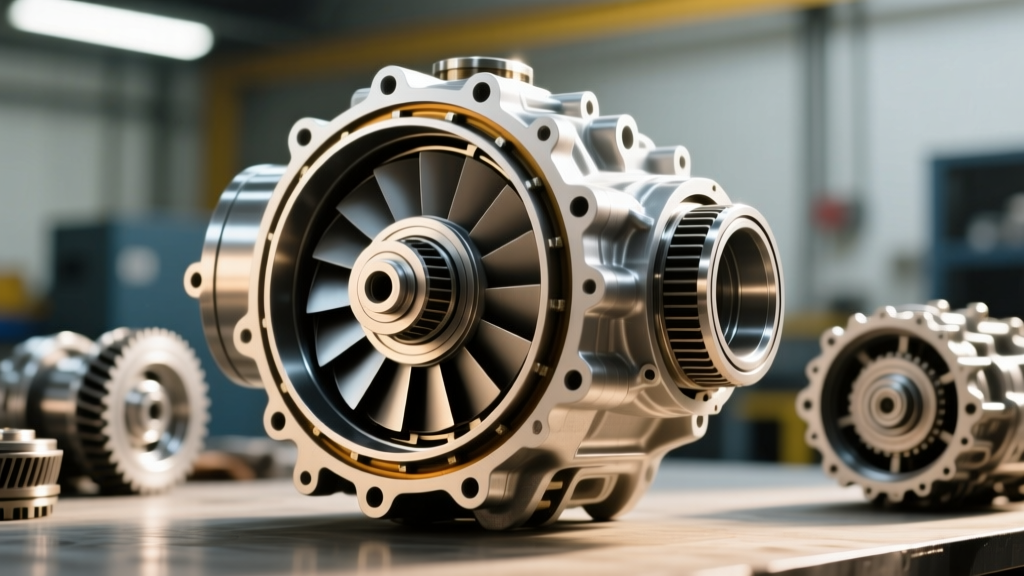
In modern automatic transmissions, the torque converter is no longer a simple fluid coupling device. To meet stringent fuel economy standards, manufacturers utilize a Torque Converter Clutch (TCC) to mechanically lock the engine to the transmission input shaft, eliminating parasitic slippage. However, a hard mechanical lock would transmit harsh engine harmonics directly into the drivetrain, causing severe vibration. To solve this, engineers developed Electronic Controlled Capacity Clutch (ECCC) systems, often referred to as Pulse Width Modulated (PWM) lockup.
Instead of a simple on/off hydraulic switch, the Transmission Control Module (TCM) uses a PWM solenoid to precisely meter hydraulic pressure to the TCC apply piston. This allows the clutch to slip at a highly controlled rate—typically between 20 and 40 RPM—absorbing torsional vibrations while maintaining near-perfect efficiency. When this delicate hydraulic balance is disrupted by a failing solenoid, a worn clutch lining, or a compromised valve body bore, the result is the infamous 'TCC shudder,' a sensation often described by drivers as driving over highway rumble strips.
Identifying TCC Solenoid and Lockup Clutch Symptoms
Diagnosing a lockup issue requires separating electrical solenoid failures from mechanical torque converter degradation. The symptoms often overlap, but specific nuances can point you toward the root cause.
- TCC Shudder (Slipping): Occurs most frequently between 35-55 MPH in top gear under light throttle. The PWM solenoid may be failing to regulate pressure, or the converter's friction material is glazed.
- Engine Stalling at Idle: If the TCC solenoid mechanically jams in the 'apply' position (or the switch valve in the valve body sticks), the converter remains locked. When the vehicle comes to a stop, the engine is dragged down and stalls, mimicking a manual car stopped without pressing the clutch.
- Transmission Overheating: If the solenoid fails 'off' or the circuit is open, the TCC never engages. The continuous fluid shearing inside the converter generates massive heat, often pushing transmission fluid temperatures past 230°F (110°C), rapidly degrading the fluid and clutch packs.
- RPM Flares on Highway Cruising: The TCM commands lockup, but actual RPMs remain high. This triggers codes like P0741 (TCC Stuck Off) or P2763 (TCC Pressure Control Solenoid High).
Advanced Scan Tool Diagnostics for TCC Slip
Before tearing into the transmission pan, a bi-directional scan tool is your most valuable diagnostic asset. You must monitor the TCC Slip Speed PID (Parameter Identification Data). This value is calculated by subtracting the Transmission Input Shaft Speed (TISS) from the Engine RPM.
Expert Diagnostic Tip: Command the TCC solenoid duty cycle manually using your scan tool while cruising at a steady 50 MPH. If you command 80% duty cycle and the TCC slip speed drops to 0-10 RPM, the solenoid and hydraulic circuit are likely functional, and the shudder may be caused by engine misfires or bad motor mounts. If the slip speed erraticly bounces between 50 and 150 RPM despite a steady commanded duty cycle, you have a hydraulic leak in the TCC circuit, a sticking valve body bore, or degraded converter friction material.
For deeper insights into hydraulic circuit behavior and valve body wear patterns, resources like Sonnax Tech Resources provide exceptional schematics on how apply and release oil circuits interact during ECCC operation.
Torque Converter Solenoid Replacement Cost Breakdown (2026)
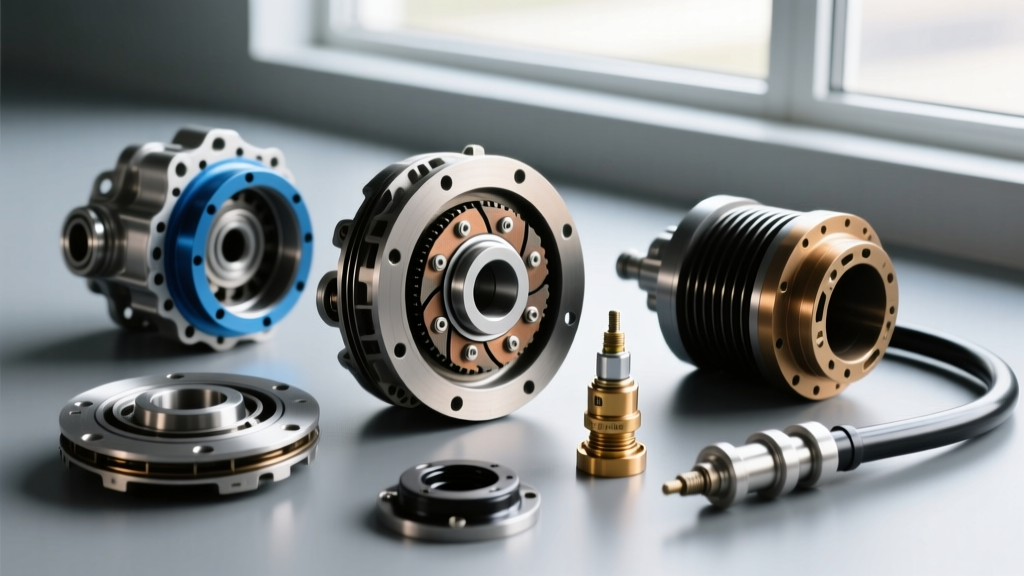
When evaluating the torque converter solenoid replacement cost in 2026, technicians and vehicle owners must consider the architecture of their specific transmission. The days of simply unscrewing an external solenoid from the outside of the case are largely gone. In modern units like the GM 6L80, GM 8L90, Ford 10R80, and ZF 8HP, the TCC PWM solenoid is integrated directly into the internal valve body or the Transmission Electro-Hydraulic Control Module (TEHCM).
This architectural shift dramatically impacts labor times. Replacing a solenoid on a ZF 8HP requires dropping the transmission pan (which is integrated into the plastic filter housing), removing the mechatronic unit, and swapping the solenoid on the bench. On a GM 6L80, the solenoids are housed within the TEHCM. While you can purchase individual solenoid repair kits, many dealerships only sell the complete TEHCM assembly, which requires programming and a relearn procedure.
2026 Pricing and Labor Table by Transmission Model
| Transmission Model | Solenoid Architecture | Part Number / Kit | Part Cost (Est.) | Labor Time | Total Est. Cost |
|---|---|---|---|---|---|
| GM 6L80 / 6L90 | Internal TEHCM | Sonnax 104740-01K (Kit) | $65 - $120 | 3.5 - 5.0 hrs | $550 - $900 |
| GM 6L80 / 6L90 (Dealer) | Complete TEHCM Assy | AC Delco 24258488 | $450 - $700 | 4.0 - 5.5 hrs | $1,000 - $1,600 |
| ZF 8HP (BMW/FCA) | Mechatronic Unit | ZF 0501 216 247 | $110 - $180 | 3.0 - 4.5 hrs | $600 - $1,050 |
| Ford 6R80 / 10R80 | Internal Valve Body | Motorcraft / OEM VFS | $85 - $150 | 3.5 - 5.0 hrs | $600 - $950 |
Note: Labor rates vary significantly by region, typically ranging from $140 to $220 per hour at specialized transmission shops in 2026. Furthermore, these costs assume the torque converter itself is not contaminated with debris.
Electrical Testing: Pinpointing the PWM Solenoid
Before authorizing a teardown, electrical verification is mandatory. PWM solenoids are generally low-impedance devices. Using a high-quality digital multimeter, you can perform a static resistance test at the transmission harness connector.
- Locate the Pinout: Consult the factory service manual for the specific TCC PWM solenoid pins. On the GM 6L80, for example, the TCC PC (Pressure Control) solenoid is typically tested at pins 1 and 6 of the 20-way chassis connector.
- Measure Resistance: At ambient room temperature (68°F / 20°C), a healthy low-impedance PWM solenoid should read between 2.0 and 4.5 ohms. If you read infinite resistance (OL), the internal coil is broken. If you read near 0 ohms, the coil is shorted internally.
- Check for Ground Shorts: Measure resistance between the solenoid control pin and the transmission case (ground). It should read OL (Open Loop). Any continuity to ground indicates a shorted wire or a failed solenoid winding touching the casing.
For comprehensive code-specific diagnostic trees, referencing databases like OBD-Codes P0741 can help isolate whether the TCM is seeing an electrical circuit fault or a hydraulic performance fault.
Solenoid Replacement vs. Complete Torque Converter Failure
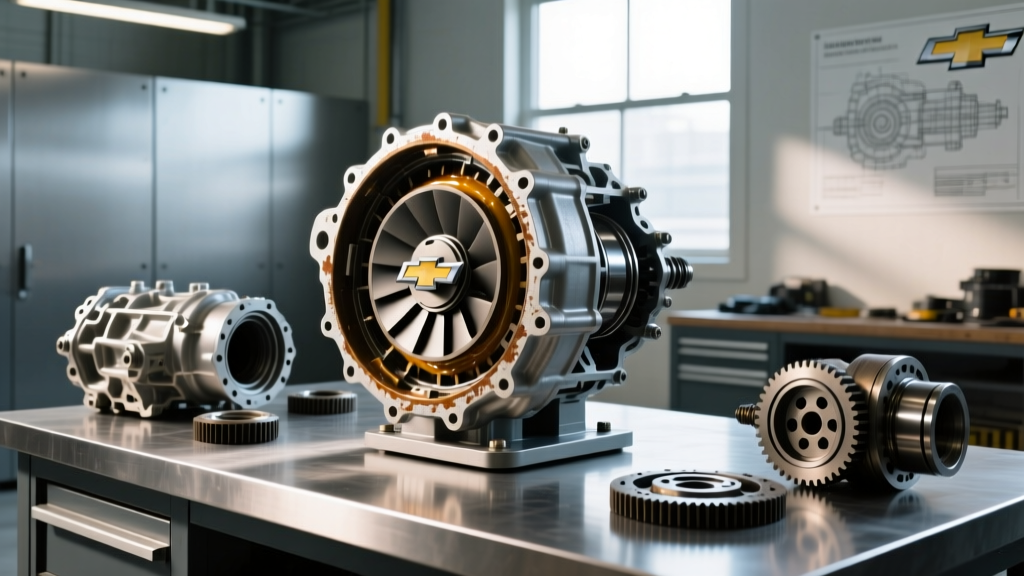
A critical mistake made by novice technicians is replacing the TCC solenoid without verifying the physical health of the torque converter's internal clutch lining. The TCC clutch is lined with a specialized friction material (often Kevlar or carbon-based composite). When a solenoid fails and causes prolonged, uncontrolled slipping, this friction material overheats and shears off.
How to check for converter contamination:
- Drop the transmission pan and inspect the magnets. A light gray paste is normal clutch wear. Thick, black, foul-smelling sludge or visible chunks of friction material indicate the TCC lining has disintegrated.
- Cut open the old transmission filter. If the pleats are clogged with dark friction dust, the new solenoid will quickly fail because debris will be drawn into the TEHCM or Mechatronic unit's micro-valves, causing the new PWM solenoid to stick.
If the converter clutch is destroyed, replacing the solenoid is a waste of money. The transmission must be removed, the torque converter replaced (or professionally remanufactured), and the entire cooling circuit flushed. A remanufactured torque converter for a standard passenger vehicle typically costs between $250 and $500 in parts, but the labor to pull the transmission adds 5 to 8 hours to the repair bill.
Fluid Selection and Flush Protocols
After any TCC solenoid or torque converter replacement, the correct fluid is paramount for ECCC operation. Modern PWM lockup systems rely on the specific friction modifiers found in OEM fluids. For GM 6L80/8L90 applications, Dexron ULV (Ultra Low Viscosity) is mandatory; using older Dexron VI will alter the TCC apply rates and induce immediate shudder. For ZF 8HP units, the proprietary ZF LifeguardFluid 8 is required. Always perform a fluid exchange using a heated flush machine to ensure the new fluid reaches optimal operating viscosity before performing the TCM's TCC adapt/relearn procedure.
Understanding the intersection of hydraulic pressure, electrical duty cycles, and friction materials is the key to accurate diagnosis. By systematically ruling out electrical faults before condemning mechanical components, you can accurately predict the torque converter solenoid replacement cost and avoid costly comeback repairs.
Further reading on modern transmission diagnostics and PWM solenoid theory can be found in technical journals such as Transmission Digest, which regularly publishes case studies on mechatronic failures and TCC shudder resolutions.