The modern automatic transmission relies on the Torque Converter Clutch (TCC) to bridge the gap between hydrodynamic fluid coupling and direct mechanical efficiency. By physically locking the impeller to the turbine, the TCC eliminates parasitic slippage, reducing transmission fluid temperatures and improving highway fuel economy. However, when the lockup mechanism degrades, it triggers a highly specific set of drivability issues. As of 2026, with the widespread adoption of Early Converter Clutch Capacity Control (ECCC) in 8-speed and 10-speed automatics, the friction demands on the TCC lining are higher than ever. When evaluating torque converter problems symptoms, technicians and DIYers must look beyond basic slip codes and understand the hydraulic, electrical, and mechanical nuances of TCC operation.
The Mechanics of TCC Lockup and ECCC
In older transmissions, the TCC operated as a simple on/off switch: a solenoid routed line pressure to the clutch piston, locking the converter at cruising speeds. Modern units utilize Pulse Width Modulation (PWM) to apply the clutch progressively. This allows for "slip-controlled" lockup, where the TCC maintains a targeted slip of 10 to 20 RPM to absorb torsional engine vibrations. ECCC takes this further by applying the TCC in lower gears and at lower RPMs to prevent engine lugging and meet strict CAFE fuel economy standards. While beneficial for efficiency, ECCC keeps the TCC in a constant state of micro-slip, generating immense heat and accelerating friction material wear. When the friction lining degrades, or the hydraulic circuits controlling the apply pressure fail, the resulting shudder and slip can mimic engine misfires, bad motor mounts, or even driveshaft imbalances.
Core Torque Converter Problems Symptoms Linked to TCC Failure
Identifying lockup-specific torque converter problems symptoms requires isolating the exact conditions under which the shudder or slip occurs. Below are the most common failure modes across prevalent transmission platforms.
1. The Infamous GM 4L60E "Rumble Strip" Shudder
The GM 4L60E is notorious for a violent shudder that feels like driving over highway rumble strips, typically occurring between 40 and 50 MPH in 4th gear under light throttle. This is rarely a failed torque converter clutch lining itself. Instead, the root cause is usually wear in the valve body's TCC regulator valve bore. The oscillating PWM signal causes the steel valve to saw into the aluminum bore, bleeding off apply pressure.
The Fix: Before condemning the converter, install a Sonnax TCC regulator valve kit (Part #77754-04K, approx. $45) and replace the TCC PWM solenoid (AC Delco 214-1892, approx. $35). If the shudder persists, the converter's friction lining is likely glazed and requires replacement.
2. ZF 8HP Mechatronic Sleeve Leaks
In the ZF 8HP45 and 8HP70 transmissions (found in Ram, BMW, Audi, and Jaguar vehicles), a common source of TCC slip and shudder is the mechatronic adapter sleeve. The rubber O-rings on this plastic sleeve harden over time, allowing hydraulic fluid to bypass the TCC apply circuit. The transmission computer commands lockup, but the pressure drops, resulting in 100+ RPM of slip and eventual P0741 codes.
The Fix: Drop the integrated transmission pan/filter and replace the mechatronic sealing sleeve (ZF Part #68319428AA or equivalent, approx. $40). Torque the retaining bolts to exactly 10 Nm. Refill with ZF LifeguardFluid 8; using generic ATF will cause immediate ECCC shudder.
3. GM 6L80/6L90 TEHCM Solenoid Fatigue
The GM 6L80 and 6L90 utilize a Transmission Electronic Hydraulic Control Module (TEHCM) mounted inside the pan. The TCC control solenoid is integrated into this unit and is highly sensitive to fluid contamination. If the torque converter sheds friction material, it clogs the TEHCM's micro-filters, causing the TCC solenoid to stick. Symptoms include harsh lockup engagements, intermittent shudder, and P0742 (TCC Stuck On) codes, which can cause the engine to stall when coming to a stop.
Diagnostic Data Table: OBD-II Codes & Slip Parameters
When diagnosing lockup issues, a bi-directional scan tool is mandatory. Monitoring commanded vs. actual TCC slip RPM is the fastest way to verify hydraulic integrity. Consult this diagnostic matrix for common TCC faults:
| OBD-II Code | Description | Primary Culprit | Typical Slip RPM (Fault) |
|---|---|---|---|
| P0740 | TCC Circuit Malfunction | Wiring harness chafe, bad ground, or TEHCM internal open circuit. | 150+ RPM (No Lockup) |
| P0741 | TCC Stuck Off / Excessive Slip | Worn regulator valve, leaking mechatronic sleeve, or glazed clutch lining. | 80 - 300+ RPM |
| P0742 | TCC Stuck On | Debris in TCC apply valve, stuck solenoid, or cross-leaks in turbine shaft. | 0 RPM (Engine stalls at stop) |
| P0743 | TCC Solenoid Electrical Fault | Short to ground, corroded connector pins, or failed PWM solenoid coil. | 150+ RPM (No Lockup) |
Step-by-Step TCC Troubleshooting Protocol
To accurately separate a failing torque converter from a valve body or solenoid issue, follow this diagnostic sequence:
- Verify Base Line Pressure: Hook up a 300 PSI transmission pressure gauge to the main line pressure port. At idle in Drive, pressure should be 50-70 PSI. Under stall speed, it should spike to 180-210 PSI (depending on the transmission). If base pressure is low, the TCC will never receive enough volume to lock.
- Monitor TCC Slip via OBD-II: Drive the vehicle at 55 MPH on a flat road with a steady throttle (approx. 15-20% TPS). Command the TCC on via your scan tool. The "TCC Slip RPM" PID should drop to less than 20 RPM within 2 seconds. If slip remains above 50 RPM and fluctuates, you have a hydraulic leak or worn friction material.
- Perform the "Brake Tap" Test: While cruising at 55 MPH with the TCC locked (slip near 0 RPM), lightly tap the brake pedal. The brake light switch signal should instantly command the TCC to release. If the RPMs do not jump up by 150-200 RPM immediately, the TCC is mechanically binding or the apply valve is stuck.
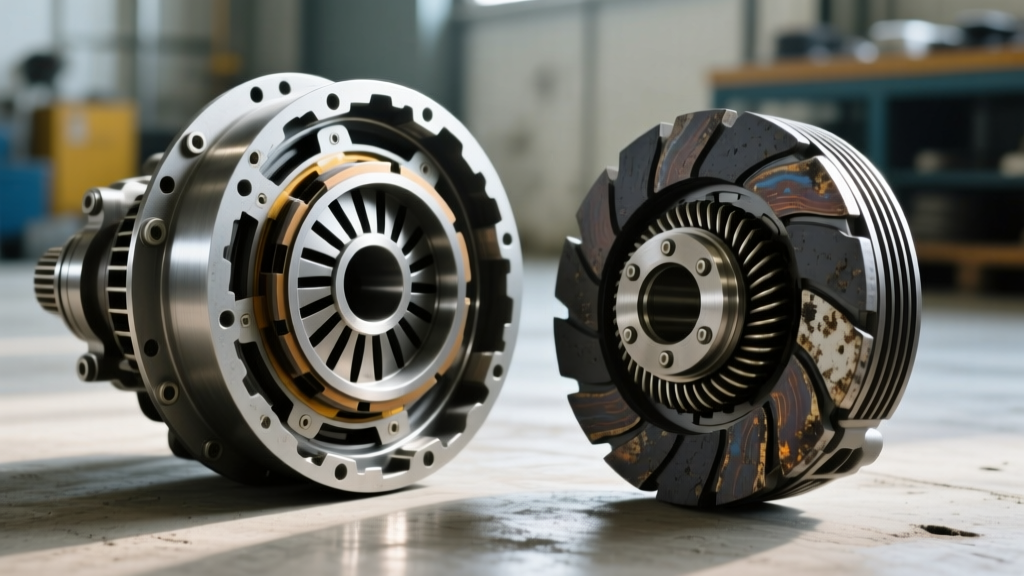
- Inspect the Pan: Drop the transmission pan. A light gray paste on the magnet is normal clutch wear. However, if you find distinct black flakes, bronze bushing material, or chunks of friction paper, the torque converter is physically destroying itself and must be replaced. Flushing the system will not save it.
Repair Realities: Fluids, Solenoids, and Full Replacements
The cost to resolve TCC-related torque converter problems symptoms varies wildly based on the root cause. Here is a realistic breakdown of repair tiers as of current market rates:
- Tier 1: Fluid & Friction Modifier ($80 - $150): If the shudder is mild and caught early, a drain-and-fill with fresh OEM fluid combined with a friction modifier like Lubegard Instant Shudder Fixx (LX-1) can alter the coefficient of friction on the clutch lining, eliminating shudder temporarily. This is a band-aid, not a cure for mechanical wear.
- Tier 2: Solenoid, Sleeve, or Valve Body Service ($250 - $600): Replacing a ZF mechatronic sleeve, a GM 4L60E PWM solenoid, or installing a Sonnax valve body repair kit. This requires dropping the pan and valve body but leaves the transmission and torque converter in the vehicle.
- Tier 3: Complete Torque Converter Replacement ($1,400 - $2,800+): If the clutch lining is destroyed, or the internal turbine hub has scored the stator support shaft, the transmission must be removed. A new OEM or high-quality aftermarket torque converter (e.g., Yank, Circle D, or Precision International) ranges from $400 to $900 for the part alone. Labor for R&R (Remove and Replace) on a longitudinal RWD setup typically runs 6 to 9 hours.
Expert Warning: Never reuse a torque converter on a high-mileage rebuild. Even if it tests fine on a bench stator-tester, the internal clutch pack absorbs microscopic metallic debris that cannot be flushed out. When the new transmission is installed, the contaminated fluid from the old converter will destroy the new TEHCM solenoids within 5,000 miles. Always pair a rebuilt transmission with a fresh, remanufactured torque converter.
For further reading on hydraulic circuit wear and valve body diagnostics, refer to the Sonnax Transmission Tech Resources library. For detailed code-specific troubleshooting steps, the OBD-Codes P0741 Diagnosis Guide offers excellent baseline electrical testing procedures. Finally, for exact fluid capacities and mechatronic specifications on European platforms, consult the official ZF 8HP Transmission Specifications portal.