The Mechanics of Lockup Torque Converter Operation
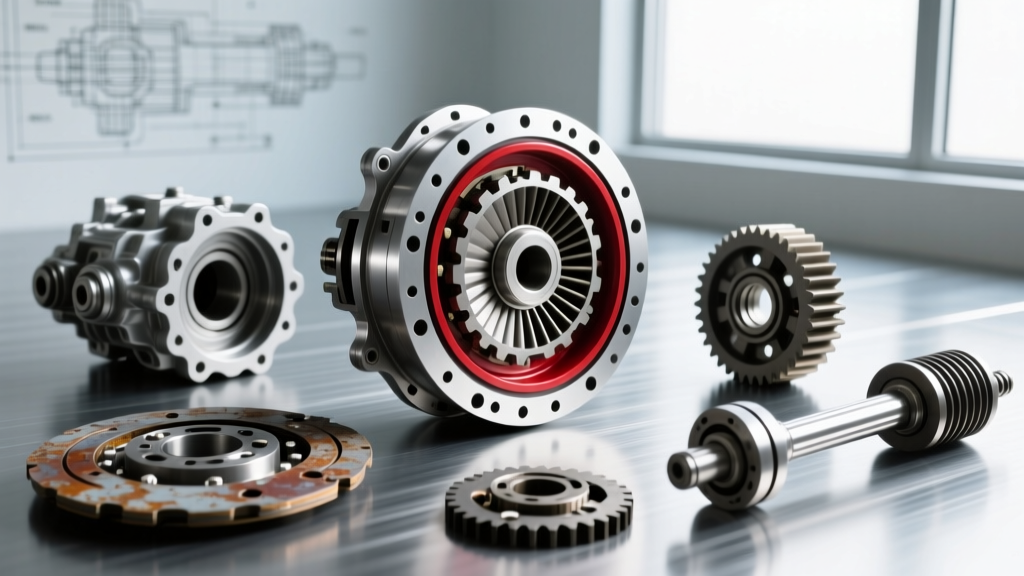
The torque converter clutch (TCC), or lockup clutch, is the critical bridge between fluid coupling and mechanical efficiency in modern automatic transmissions. During initial acceleration, the transmission relies on hydraulic fluid transfer between the impeller and turbine to multiply torque. However, this fluid coupling inherently creates slip and heat. To eliminate this parasitic loss, the powertrain control module (PCM) commands the TCC piston to apply, mechanically locking the engine's crankshaft directly to the transmission input shaft.
Pulse Width Modulation (PWM) and Controlled Slip
In older transmissions like the GM 4L60E, lockup was a binary 'on/off' state, which often resulted in a harsh, noticeable engagement. Modern units, such as the GM 6L80 and the ZF 8HP, utilize Pulse Width Modulation (PWM) solenoids to achieve 'controlled slip.' According to Sonnax TCC Apply Strategies, the PCM rapidly cycles the TCC apply solenoid to maintain a precise slip rate—typically between 20 and 40 RPM. This micro-slip absorbs torsional engine vibrations while maintaining near-100% mechanical efficiency, drastically improving fuel economy and reducing transmission fluid temperatures.
The ZF 8HP takes this a step further by engaging the lockup clutch as early as second gear, relying on advanced centrifugal pendulum absorbers (CPAs) inside the converter to dampen the severe torsional vibrations of modern, low-RPM turbocharged engines.
Recognizing TCC Lockup Failure Symptoms
When the lockup mechanism degrades, the symptoms range from subtle drivability annoyances to catastrophic transmission failure. Identifying these early is key to managing the eventual repair bill.
- TCC Shudder (The 'Rumble Strip' Effect): Most common in GM 6L80 and Ford 6R80 transmissions, this occurs between 40-60 mph under light throttle. The friction material on the TCC piston loses its coefficient of friction, or the valve body's TCC regulator bore wears out, causing the clutch to rapidly apply and release.
- TCC Slip Codes (P0741, P0742, P0743): P0741 (TCC Stuck Off or Slipping) triggers when the PCM detects actual TCC slip exceeding the commanded slip parameter (usually >100 RPM) for a sustained duration.
- Engine Stalling at Idle: If the TCC is 'Stuck On' (P0742), the mechanical link remains engaged when the vehicle comes to a stop, effectively bogging down and stalling the engine, much like stopping a manual car without depressing the clutch pedal.
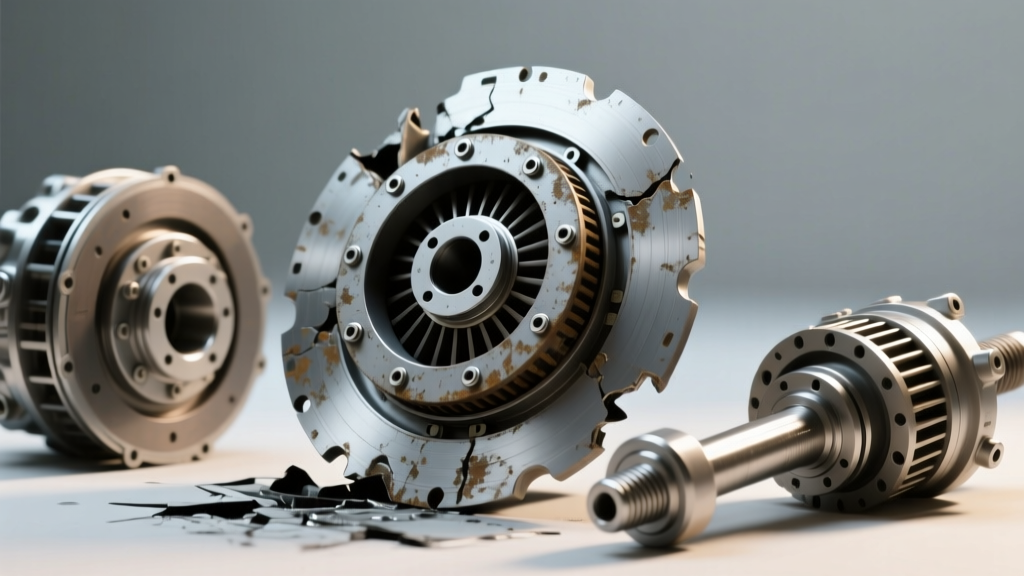
- Overheating and Burnt Fluid: Continuous, uncommanded TCC slip generates massive amounts of heat, rapidly degrading the ATF and glazing the clutch frictions, which contaminates the entire hydraulic circuit.
Step-by-Step TCC Troubleshooting Protocol
Before condemning the hardware, a rigorous diagnostic protocol must be followed to isolate hydraulic, electrical, or mechanical faults.
1. Scan Tool Analysis and Slip Verification
Connect a bi-directional scan tool and monitor 'TCC Commanded Slip' versus 'TCC Actual Slip' while driving at a steady 55 mph in top gear. If the commanded slip is 30 RPM, but the actual slip fluctuates between 80 and 150 RPM, you have a hydraulic pressure loss or worn friction material. If the actual slip reads exactly 0 RPM but the PCM logs a slip code, suspect a faulty input or output speed sensor providing erroneous data to the PCM.
2. Solenoid and Circuit Testing
Electrical faults are the easiest to verify. For a GM 6L80, locate the transmission wiring pigtail and measure the resistance of the TCC PWM solenoid. At room temperature (68°F/20°C), the resistance should read between 10 and 14 ohms. An open circuit (OL) or a short to ground necessitates solenoid replacement. Note that on the 6L80, the solenoid is integrated into the TEHCM (Transmission Electro-Hydraulic Control Module), requiring a full TEHCM swap and reprogramming if the internal solenoid fails.
3. Valve Body and Hydraulic Pressure Evaluation
If the solenoid tests perfectly and the fluid is relatively clean, the issue likely resides in the valve body. The TCC regulator valve bore in the aluminum valve body is prone to wear from constant spool valve oscillation. This wear allows apply oil to bleed off, resulting in the dreaded TCC shudder. Installing a sleeved TCC regulator valve kit (such as Sonnax part number 15741-09K) restores hydraulic integrity without replacing the entire converter.
Financial Breakdown: The True Cost of Torque Converter Replacement
When the friction lining is completely destroyed, or the internal stator support bearing fails, a full replacement is mandatory. Many shop owners and DIYers hesitate when facing TCC shudder because the overall cost of torque converter replacement involves significant labor. Because the transmission must be physically removed from the vehicle to access the converter, the labor often eclipses the part price.
Below is a comparative breakdown of the estimated cost of torque converter replacement across three common transmission platforms, factoring in 2026 labor rates and OEM component pricing.
| Transmission Model | OEM Converter Part Cost | R&R Labor (Hours) | Estimated Labor Cost (@ $150/hr) | Total Replacement Cost |
|---|---|---|---|---|
| GM 4L60E (1998-2014) | $250 - $350 | 5.5 - 7.0 hrs | $825 - $1,050 | $1,075 - $1,400 |
| GM 6L80 / 6L90 (2006-2020) | $450 - $650 | 7.5 - 9.5 hrs | $1,125 - $1,425 | $1,575 - $2,075 |
| ZF 8HP45/70/90 (BMW/FCA) | $900 - $1,300 | 8.0 - 11.0 hrs | $1,200 - $1,650 | $2,100 - $2,950 |
Note: If the transmission fluid is heavily contaminated with clutch material, a complete transmission teardown, flush, and rebuild will be required, which can push the total repair invoice past $4,500.
Reassembly Torque Specs and Best Practices
When installing a new lockup torque converter, precision is non-negotiable. Improper installation will lead to immediate pump failure or flexplate cracking.
- Converter Seating: Before mating the transmission to the engine, ensure the converter is fully seated into the transmission oil pump. You must feel three distinct 'drops' as the converter hub passes through the turbine splines, the stator support, and finally into the oil pump drive gear. Measure the distance from the transmission bellhousing mounting surface to the converter pad; it should be a minimum of 3/4-inch (19mm) recessed. Failure to seat the converter will result in the oil pump shattering upon tightening the bellhousing bolts.
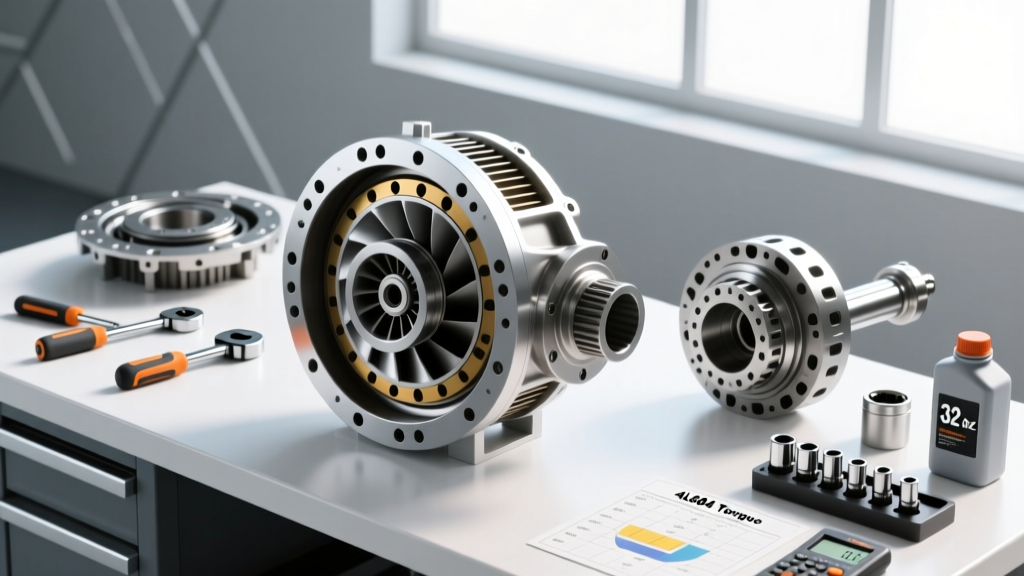
- Flexplate-to-Converter Bolts: Always use new, high-grade OEM bolts. For the GM 6L80 (M10x1.5 bolts), the torque specification is 45 Nm (33 lb-ft). Do not use thread locker unless specified by the manufacturer, as these are often torque-to-yield or specifically coated from the factory.
- Fluid Fill and Adaptation: After installation, fill with the exact OEM-specified fluid (e.g., ACDelco Dexron VI or ZF Lifeguard 8). The Automatic Transmission Rebuilders Association (ATRA) strongly recommends performing a scan-tool TCC adaptation reset. This forces the PCM to relearn the PWM solenoid apply rates for the new friction material, preventing immediate shudder and ensuring the longevity of the new unit.
Expert Insight: Never attempt to 'flush' a transmission that has experienced severe TCC slip. The shredded friction material and metal debris from the worn stator bearing will be pushed into the cooler lines and valve body, guaranteeing a comeback. If the fluid smells burnt or contains visible particulate, the transmission pan must be dropped, the valve body removed and cleaned, and the cooler lines aggressively flushed with a dedicated solvent machine before the new converter is installed.
Diagnosing lockup torque converter operation requires a blend of hydraulic theory, electronic analysis, and mechanical precision. By understanding the root causes of TCC failure and accurately estimating the cost of torque converter replacement, technicians and informed vehicle owners can make confident, cost-effective repair decisions that restore factory-level drivability and efficiency.