The Mechanics Behind the Torque Converter Issue With Pulling
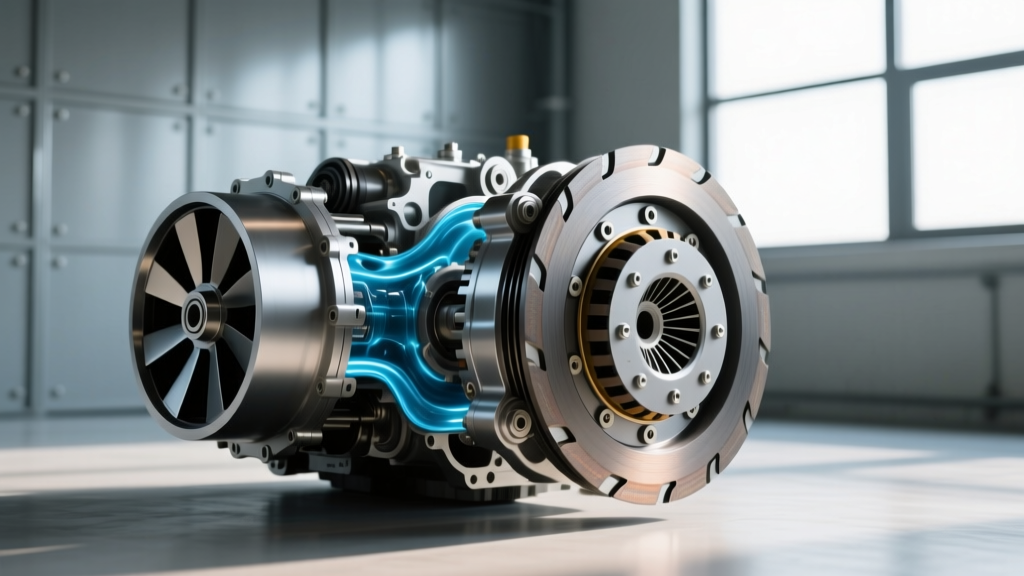
Modern automatic transmissions rely on the Torque Converter Clutch (TCC) to eliminate parasitic slippage, improving fuel economy and reducing thermal loads. However, a frequent complaint in late-model vehicles—particularly those equipped with GM's 6L80/8L90, Ford's 10R80, and the ubiquitous ZF 8HP—is a distinct torque converter issue with pulling that rapidly degrades into violent shudder. This pulling sensation typically manifests as a heavy, dragging feeling under light throttle application between 35 and 55 mph, right as the TCC attempts to achieve full lockup.
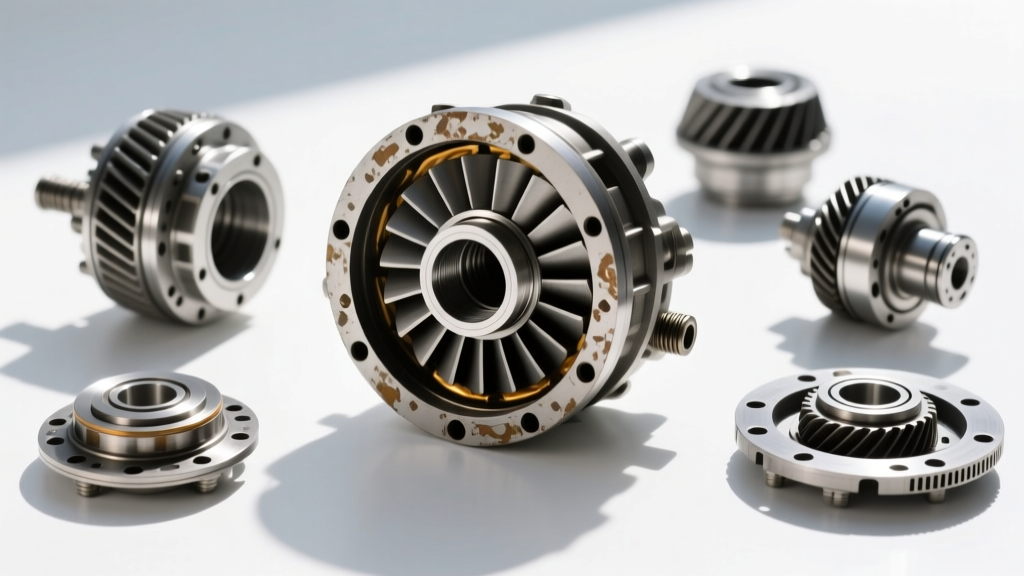
Unlike a hard mechanical failure, this pulling and subsequent shudder is a friction-interface breakdown. The transmission control module (TCM) commands micro-slip (usually 20 to 40 RPM) to dampen engine harmonics and reduce Noise, Vibration, and Harshness (NVH). When the friction material on the TCC piston or the fluid's shear stability fails, the micro-slip transitions into a 'stick-slip' cycle. The converter grabs (pulling), releases, and grabs again at a frequency of 3 to 10 Hertz, transmitting a violent oscillation through the driveline.
Preventive Maintenance: Stopping TCC Shudder Before It Starts
As a preventive maintenance guide, the primary objective is to preserve the coefficient of friction at the TCC interface before the paper or carbon-based friction material glazes or shears off entirely. Once the friction material is physically degraded, no fluid additive will save the unit; mechanical replacement becomes mandatory.
Fluid Shear Stability and the Right Chemistry
Automatic Transmission Fluid (ATF) is subjected to extreme mechanical shearing inside the torque converter. Standard fluids can lose up to 30% of their original viscosity after 40,000 miles of aggressive TCC slip cycles. To prevent the torque converter issue with pulling, adhere to these preventive fluid protocols:
- GM 8L90/10-Speed Units: These require ultra-low viscosity fluids like ACDelco Dexron ULV. Using older Dexron VI will cause immediate TCC apply delays and severe pulling sensations due to improper hydraulic flow rates through the micro-valves.
- Friction Modifier Additives: For early-stage shudder (under 60,000 miles), adding a high-ester friction modifier can recondition the TCC lining. Products like Lubegard Platinum Universal ATF Protectant contain liquid wax esters that bond to the friction surfaces, smoothing out the stick-slip transition and eliminating the pulling drag.
- Drop-and-Filter Intervals: Despite 'lifetime fluid' claims by manufacturers, preventive maintenance dictates a pan-drop and filter change every 45,000 miles for vehicles frequently driven in stop-and-go traffic or towing conditions.
Diagnostic Framework: Isolating the TCC Pulling Sensation
Before tearing into the bellhousing, you must verify that the pulling sensation is indeed originating from TCC slip instability and not from engine misfires, worn motor mounts, or driveshaft harmonic issues. Using a bidirectional scan tool (such as GM GDS2, Ford FORScan, or an advanced Snap-on scanner), monitor the TCC Slip Speed PID.
| Commanded Slip (RPM) | Actual Slip (RPM) | Driveline Behavior | Probable Cause |
|---|---|---|---|
| 20 - 40 RPM | 20 - 40 RPM (Steady) | Smooth lockup, no pulling | Normal Operation |
| 20 - 40 RPM | Oscillates 0 to 150 RPM | Severe shudder, heavy pulling | Glazed TCC Friction Material / Sheared Fluid |
| 0 RPM (Full Lock) | Oscillates -50 to +50 RPM | Engine bogging, rhythmic jerking | Failed TCC PWM Solenoid or Valve Body Bore Wear |
| 20 - 40 RPM | Stuck at 150+ RPM | Sluggish acceleration, high trans temps | TCC Apply Circuit Leak / Blown Piston Seal |
Pro-Tip: To isolate a TCC issue from an engine misfire, command the TCC to unlock while the shudder is occurring. If the vibration instantly stops, the engine is fine, and the torque converter issue with pulling is confirmed. If the vibration persists with the TCC unlocked, investigate engine misfires, spark plugs, or torque converter-to-flexplate imbalance.
Advanced Fixes: When Preventive Maintenance Fails
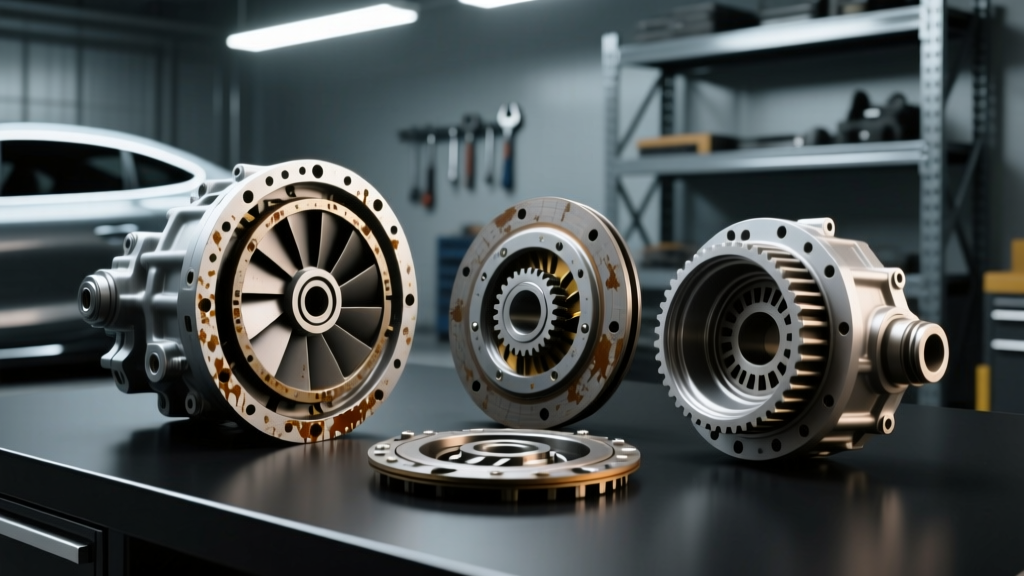
If the fluid is burnt, or the scan tool reveals massive slip oscillations that additives cannot cure, mechanical intervention is required. The pulling sensation is often a precursor to the TCC lining completely disintegrating, which will send debris into the transmission cooler lines and destroy the valve body.
Valve Body Bore Wear and ZIP Kits
In GM 6L80 and 8L90 transmissions, the TCC regulator valve bore in the aluminum valve body wears out prematurely due to constant oscillation of the steel valve. This causes erratic hydraulic pressure to the TCC piston, resulting in the pulling and shudder. Installing a Sonnax ZIP Kit with an anodized aluminum sleeve and hard-coated valve restores precise hydraulic control. This $150 part often cures shudder without requiring torque converter removal.
Torque Converter Replacement and Torque Specs
When the friction material is physically worn through to the steel backing plate, a complete torque converter replacement is mandatory. When reinstalling the driveline, adhering to exact torque specs is critical to prevent harmonic imbalances that mimic TCC shudder.
Critical Installation Specs (GM 6.2L V8 Applications):
Flexplate to Crankshaft: 74 lb-ft + 90-degree turn.
Torque Converter to Flexplate: 46 lb-ft (Ensure threads are clean and use medium-strength threadlocker).
Bellhousing to Engine Block: 37 lb-ft.
Always verify TCC pilot runout with a dial indicator; runout exceeding 0.010 inches will cause immediate binding and pulling sensations upon lockup.
Real-World Cost Breakdown (2026 Estimates)
Understanding the financial implications of these repairs helps fleet managers and DIY enthusiasts decide when to push preventive maintenance and when to opt for hard parts replacement.
| Repair Strategy | Components Required | Estimated Parts Cost | Estimated Labor Time | Total Estimate |
|---|---|---|---|---|
| Preventive Fluid Flush & Additive | 8-10 Qts ULV/LV ATF, Friction Modifier | $120 - $180 | 1.5 Hours | $250 - $400 |
| Valve Body Rebuild (Sonnax) | ZIP Kit, Separator Plate, Solenoids | $250 - $450 | 4.0 Hours | $750 - $1,100 |
| Full Torque Converter Replacement | Remanufactured TC, Trans Filter, Fluid | $600 - $950 | 7.5 Hours | $1,400 - $2,200 |
Model-Specific Edge Cases to Monitor
While the fundamental physics of the TCC remain the same, certain platforms have unique failure modes that cause the pulling sensation:
- Ford 10R80 (F-150, Mustang): Known for Clutch Pressure Control Assembly (CPCA) wear. The plastic accumulator pistons wear the aluminum housing, bleeding off TCC apply pressure. Ford's updated molded leadframe and CPCA replacements are required to fix the 3-4 mph light-throttle shudder.
- ZF 8HP (Chrysler, BMW, Audi): The ZF utilizes a multi-plate TCC rather than a single large piston. If the pulling sensation occurs alongside harsh 2-1 downshifts, the issue is often degraded adapter seals or a failing mechatronic unit sleeve, rather than the torque converter itself.
Final Preventive Directives
A torque converter issue with pulling is rarely an overnight failure. It is the cumulative result of fluid shearing, thermal degradation, and microscopic valve bore wear. By utilizing bidirectional scan tools to monitor TCC slip RPMs, adhering to strict 45,000-mile fluid drop intervals, and utilizing high-ester friction modifiers at the first sign of NVH degradation, you can extend the life of the torque converter well past the 150,000-mile mark. For deeper hydraulic diagnostics and valve body schematics, consult the ATSG Technical Resources library to ensure your preventive maintenance aligns with OEM hydraulic tolerances.