The Complexity of Twin-Disc Architectures
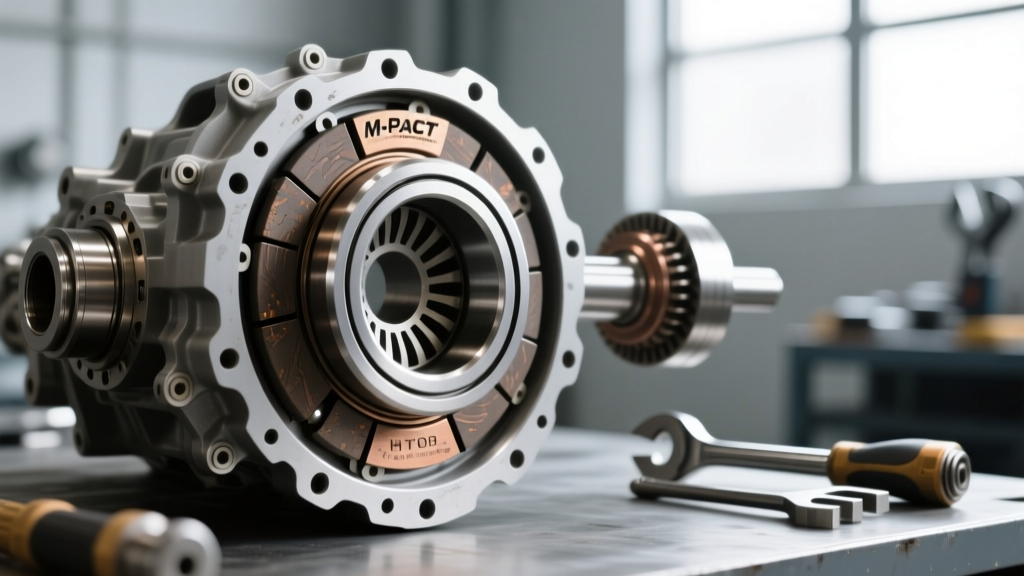
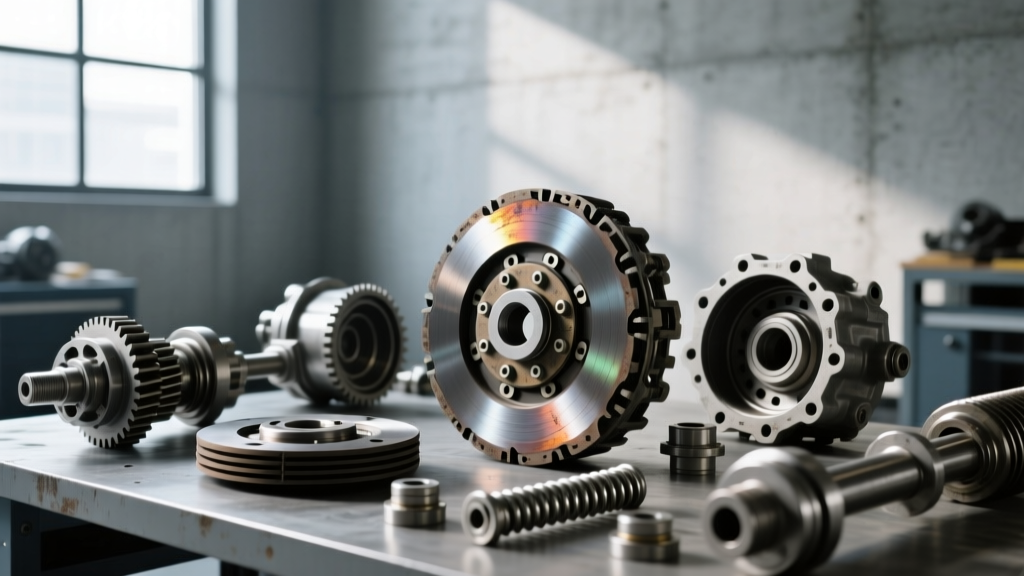
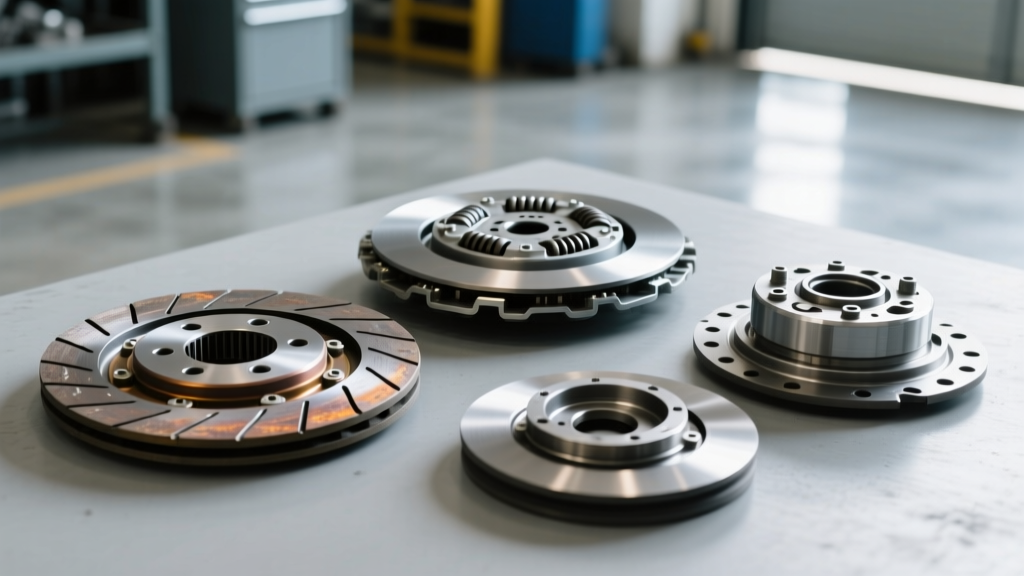
When diagnosing drivetrain NVH (Noise, Vibration, and Harshness), slippage, or engagement issues in high-output vehicles, the dual disc clutch introduces a unique matrix of failure points compared to traditional single-disc setups. Designed to handle 800 to 1,200+ lb-ft of torque while maintaining streetable pedal effort, twin-disc systems (such as the McLeod Street Twin, Centerforce DYAD DS, and RAM Pro Series) utilize an intermediate floater plate, dual friction discs, and complex drive strap geometries. As of 2026, with the proliferation of boosted LS/LT swaps and high-horsepower Tremec T56 Magnum builds, understanding the precise diagnostic sequence for these systems is mandatory for any serious drivetrain specialist.
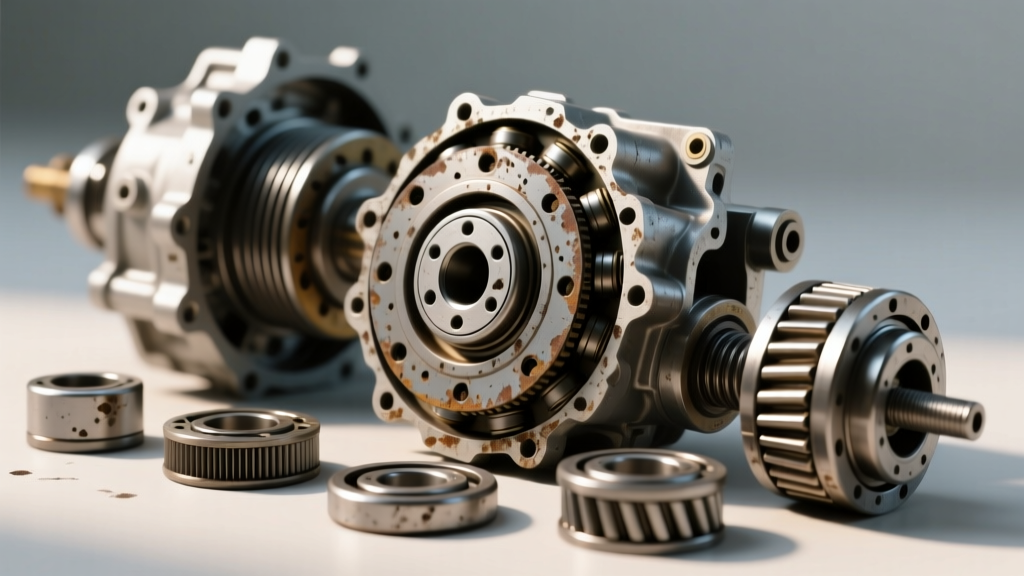
Unlike a single-disc clutch where wear is relatively linear, a dual disc clutch system can suffer from asymmetric wear, floater plate binding, and intermediate strap fatigue. This technical deep-dive provides a comprehensive clutch system inspection checklist tailored specifically for twin-disc platforms, ensuring you capture the micro-tolerances that dictate system survival.
Pre-Teardown Hydraulic and Pedal Ratio Verification
Before dropping the transmission and exposing the bellhousing, you must isolate the hydraulic actuation system. A common misdiagnosis in dual disc setups is blaming the clutch assembly for what is actually a hydraulic volume or pedal ratio deficiency. Twin-disc pressure plates often require higher clamp loads, demanding precise hydraulic displacement.
- Master/Slave Cylinder Volume Check: Verify the bore size of your master cylinder. For most aftermarket T56 Magnum twin-disc applications, a 3/4-inch bore master cylinder paired with a high-volume external slave (like the Tremec TR-3550 slave) or a properly spaced hydraulic throwout bearing (HTOB) is required. Insufficient fluid volume will result in incomplete disengagement and gear rattle.
- Pedal Ratio Measurement: Measure the mechanical pedal ratio. The industry standard for heavy-duty twin-disc setups is a 6:1 to 7:1 ratio. If the pivot point has been modified or an aftermarket pedal box is installed without proper geometry, the driver will experience a 'dead' pedal feel and incomplete clutch release.
- System Bleed and Fluid Integrity: Use a pressure bleeder set to 25-30 PSI. Twin-disc setups with HTOBs are notorious for trapping air in the concentric piston cavity. Use a high-boiling-point DOT 4 or specific synthetic hydraulic clutch fluid, checking for any signs of moisture contamination which causes vapor lock under high-heat track conditions.
The Dual Disc Clutch Inspection Checklist
Once the transmission (e.g., Tremec T56 Magnum, Ford MT82, or Porsche G50) is removed and the pressure plate is unbolted, proceed with this exact measurement checklist. Always refer to the specific manufacturer's technical documentation, such as the McLeod Racing Technical Info database, as tolerances vary by brand.
| Component | Nominal Specification | Wear Limit / Tolerance | Diagnostic Action & Notes |
|---|---|---|---|
| Friction Discs (Both) | 0.315" - 0.330" (Varies) | -0.020" from nominal | Measure at 4 equidistant points. Check for uneven marcel spring compression and hub spline lash. |
| Floater Plate (Intermediate) | 0.390" - 0.500" | -0.015" thickness; 0.005" runout | Check for heat checking (micro-cracks). Resurfacing is often NOT recommended; replace if blued. |
| Drive Straps / Tangs | Flush / Zero Deflection | Any stretching or bending | Inspect strap bolts for yielding. Straps transfer engine torque to the floater; replace if deformed. |
| Flywheel Step Height | Brand Specific (e.g., 0.430") | +/- 0.005" deviation | Critical for twin-disc. Incorrect step height alters clamping load and causes floater binding. |
| Pilot Bearing / Bushing | Snug slip-fit on input shaft | Any radial play > 0.002" | Replace every time. A failing pilot bearing destroys the T56 input shaft bearing and causes misalignment. |
Flywheel Step-Height and Machining Tolerances
The most critical and frequently overlooked aspect of the dual disc clutch inspection checklist is the flywheel step height. The step height is the distance from the friction surface of the flywheel to the mounting pad where the pressure plate bolts down. Because a twin-disc system sandwiches a floater plate and two friction discs between the flywheel and pressure plate, the vertical stack-up is incredibly sensitive.
If a machine shop resurfaces the flywheel friction surface but fails to machine the mounting pad down by the exact same amount, the step height changes. A reduction in step height of just 0.015 inches can result in a massive loss of clamping load, leading to immediate clutch slip under boost. Conversely, an increased step height will cause the pressure plate to bottom out on its internal stops before fully clamping the discs, or worse, cause the floater plate to bind against the drive straps, resulting in severe chatter and failure to disengage.
Measuring Step Height
Use a precision straight edge and a digital micrometer or dial caliper. Measure from the flywheel friction face to the pressure plate mounting surface. Compare this to the manufacturer's required spec (often provided on a setup card included with kits like the Centerforce DYAD). If the flywheel requires machining, it must be sent to a facility equipped with a dedicated flywheel grinder capable of cutting both the friction surface and the mounting pad simultaneously to maintain the exact factory step dimension.
Bellhousing Alignment and Input Shaft Spline Evaluation
High-torque dual disc clutches amplify the destructive forces of bellhousing misalignment. When the engine block and transmission bellhousing are not perfectly concentric, the input shaft is forced into an angular bind. In a twin-disc setup, this bind prevents the friction discs from sliding freely along the splines during disengagement, causing the clutch to 'drag' and making gear changes impossible, even with the pedal fully depressed.
According to Tremec's official installation guidelines, bellhousing bore runout must not exceed 0.005 inches Total Indicated Runout (TIR). To verify this:
- Mount a magnetic base dial indicator to the engine crankshaft or flywheel.
- Position the indicator tip against the inner bore of the bellhousing.
- Rotate the crankshaft 360 degrees and record the total deviation.
- If TIR exceeds 0.005 inches, install offset dowel pins (available in 0.007", 0.014", and 0.021" offsets from manufacturers like Lakewood or RobbMc) to dial the housing into perfect alignment.
Additionally, inspect the transmission input shaft splines. The hub splines of the dual disc clutch must slide onto the input shaft by hand with zero binding, but exhibit no more than 0.002 inches of radial backlash. Excessive spline wear causes a harsh 'clunk' upon engagement and accelerates hub failure.
Pressure Plate, Strap Bolts, and Fastener Torque Specs
Fastener failure in a twin-disc system is catastrophic. The intermediate drive straps endure immense shock loads during aggressive shifts and torque reversals. When inspecting the pressure plate, closely examine the strap bolts and the diaphragm spring fingers.
Torque Specifications for Reassembly
When reinstalling the clutch assembly, adherence to exact torque specifications is non-negotiable. For GM LS/LT applications utilizing aftermarket ARP 200,000 PSI flywheel bolts (e.g., ARP part #146-2802), the target torque is typically 85 lb-ft using ARP Ultra-Torque fastener assembly lubricant. Do not use standard 30-weight motor oil, as it alters the friction coefficient and can lead to under-torquing by up to 15%.
The pressure plate to flywheel bolts (usually 3/8"-16 or M8x1.25) should be torqued in a star pattern to the manufacturer's specification, generally between 35 and 45 lb-ft. It is vital to use a high-strength threadlocker (such as Loctite 271 or 272) on the intermediate strap bolts if they are serviced separately, as these are subjected to high-frequency harmonic vibrations that easily back out untreated hardware.
Expert Insight: The number one killer of modern dual disc clutches is not horsepower—it is improper break-in and thermal shock. Twin-disc systems with sintered iron or aggressive cerametallic friction materials require precise heat cycling. Bedding the clutch via a series of controlled 30-to-50 mph slips is mandatory to mate the friction surfaces and prevent localized hot-spotting on the floater plate, which permanently warps the intermediate plate and ruins the entire assembly.
Conclusion: Synthesizing the Data
Diagnosing a dual disc clutch requires moving beyond the simplistic 'measure the friction material' approach used on standard passenger vehicles. By systematically working through this clutch system inspection checklist—verifying hydraulic volume, measuring flywheel step-height to the thousandth of an inch, dial-indicating the bellhousing, and inspecting intermediate drive straps—you isolate the true root cause of drivetrain symptoms. For further technical alignment data and application-specific torque matrices, consult resources like Centerforce Tech Tips and maintain a meticulous log of stack-up measurements for every high-performance build that crosses your bay.