The Subaru WRX Drivetrain: TY85 Transmission & Clutch Vulnerabilities
The Subaru WRX, particularly the VA (2015-2021) and VB (2022+) generations equipped with the FA20DIT and FA24DIT engines, relies on the robust TY85 6-speed manual transmission. While the gearbox itself is incredibly durable, the clutch actuation system and release mechanisms are notorious for developing specific drivability issues as mileage accumulates. Two of the most common complaints brought into performance shops are a spongy, inconsistent clutch pedal feel and a harmonic vibration that travels through the pedal during engagement. Both issues are deeply intertwined with the hydraulic circuit and the mechanical wear of the clutch bearing assembly. Understanding the exact failure modes of these components is critical for an accurate diagnosis and a permanent repair.
Symptom Matrix: Decoding WRX Clutch Pedal Feel
Before tearing into the bellhousing, it is vital to isolate the exact pedal behavior. The WRX clutch system translates hydraulic pressure into mechanical fork movement, and any deviation in feel points to a specific sector of the system.
| Pedal Symptom | Primary Suspect | Secondary Suspect | Diagnostic Action |
|---|---|---|---|
| Spongy / Soft at top of travel | Clutch Master Cylinder (CMC) internal bypass failure | Air trapped in Clutch Delay Valve (CDV) | Check fluid level; perform reverse hydraulic bleed. |
| Hard / Notchy engagement | Bent clutch fork or seized pivot ball | Warped pressure plate diaphragm fingers | Inspect fork geometry and pivot ball groove wear. |
| Vibrating ONLY when depressed | Failing clutch bearing (throwout bearing) | Worn fork pivot ball altering bearing angle | Listen for metallic whine; feel for high-frequency buzz in pedal. |
| Vibrating when RELEASED | Worn input shaft bearing or pilot bearing | Loose flywheel bolts or dual-mass flywheel failure | Verify vibration ceases the moment pedal is pushed in. |
Deep Dive: Spongy Pedal & The Hydraulic Circuit
A spongy clutch pedal in the WRX is rarely just a simple air bubble. The OEM plastic Clutch Master Cylinder (Part #30620AA180) features an internal bypass valve designed to allow fluid to return to the reservoir when the pedal is released. Under high-temperature conditions or aggressive driving, the internal seals degrade, allowing fluid to bypass internally rather than pushing the slave cylinder. This results in a pedal that feels soft and fails to fully disengage the clutch, leading to grinding into reverse or first gear.
The Clutch Delay Valve (CDV) Trap
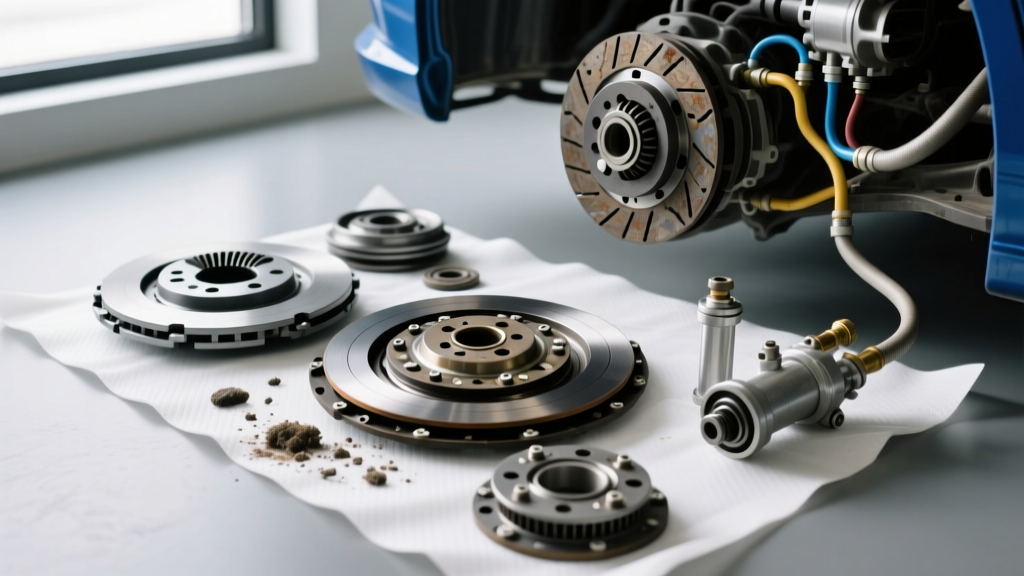
Subaru installs a Clutch Delay Valve in the hard line between the master and slave cylinders to artificially slow down clutch engagement, protecting the drivetrain from shock loads caused by novice drivers. However, the CDV acts as a trap for microscopic air bubbles. Standard top-down gravity bleeding or pedal-pumping will not generate enough localized pressure to push air through the CDV's restricted orifice. To achieve a firm pedal, technicians must remove the CDV (or replace the line with an aftermarket AN3 braided stainless line) and perform a reverse bleed using a pressure bleeder and a high-temperature, low-compressibility fluid like Motul RBF 600 DOT 4.
Vibrating Pedal & Clutch Bearing Failure Modes
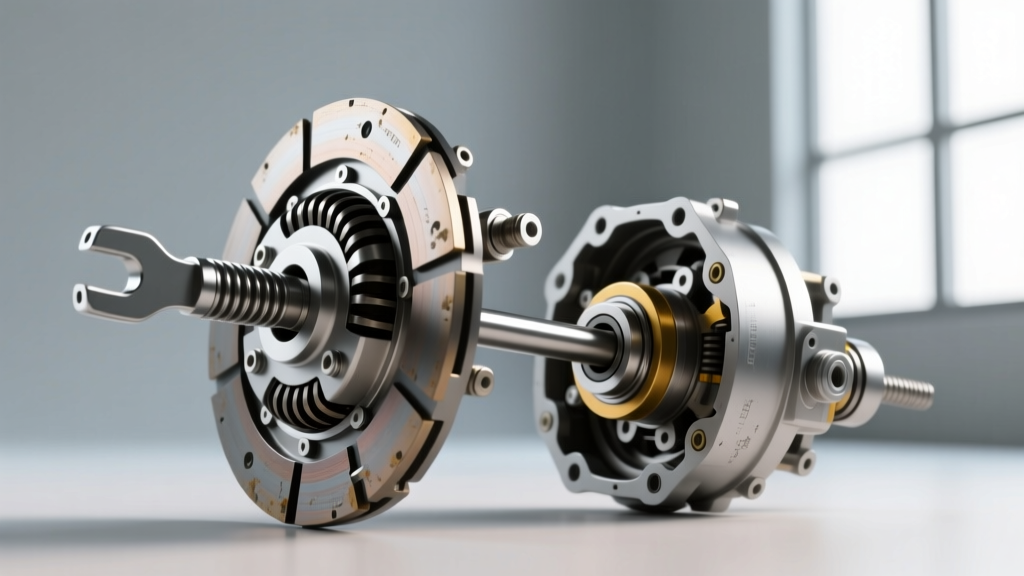
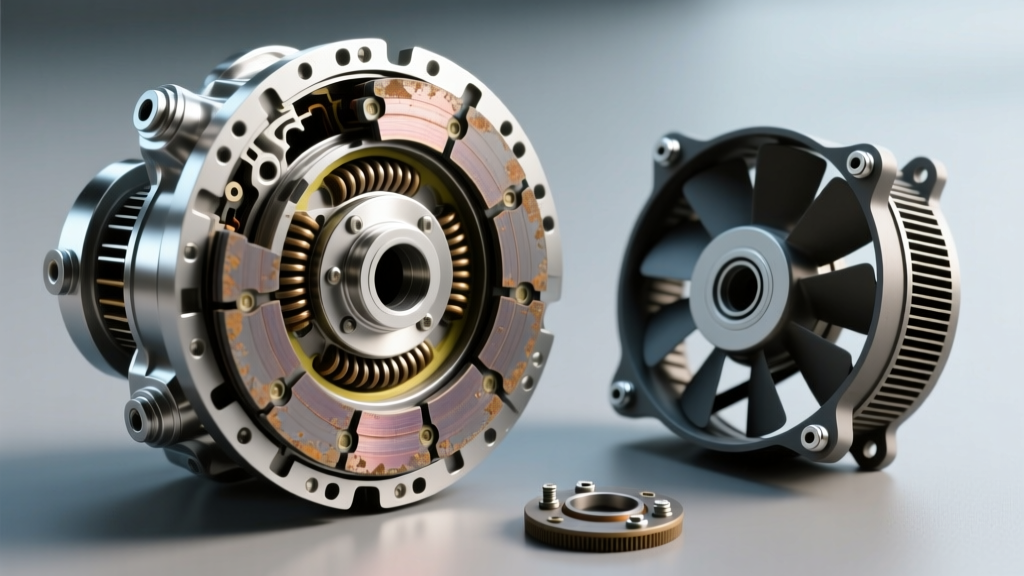
When a driver reports a vibrating clutch pedal that only occurs when the pedal is pressed to the floor, the diagnosis almost always points to the clutch bearing (commonly called the throwout bearing). In the TY85 transmission, the clutch bearing is a sealed angular contact bearing that rides against the spinning diaphragm fingers of the pressure plate.
The Pivot Ball & Fork Geometry Issue
Replacing the clutch bearing without inspecting the clutch fork is a rookie mistake that guarantees a comeback. The Subaru clutch fork pivots on a small steel ball (Part #807010030) pressed into the bellhousing. Over 60,000 to 80,000 miles, the constant pressure of the fork against this ball wears a deep, uneven groove into the fork itself (Part #30531AA031).
When this groove forms, the pivot point of the fork shifts rearward by 1-2 millimeters. This seemingly minor geometric change forces the new clutch bearing to sit at an angle rather than perfectly square against the pressure plate fingers. As the bearing spins at engine RPM under an uneven load, it generates a severe harmonic resonance that travels through the fork, the slave cylinder pushrod, the hydraulic fluid, and directly into the driver's foot. If you are dropping the transmission to replace a noisy clutch bearing, you must replace the fork and pivot ball simultaneously.
Model-Specific Replacement: Parts, Torques, and 2026 Costs
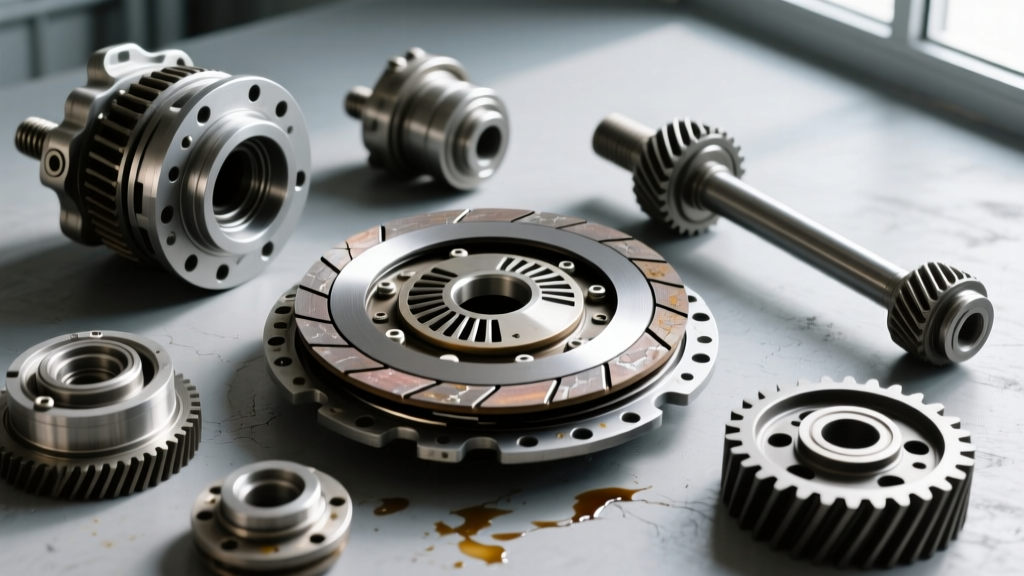
When performing a complete clutch and bearing overhaul on a 2015-2026 Subaru WRX, utilizing OEM or high-quality aftermarket equivalents is non-negotiable. Below are the critical part numbers and torque specifications required for a factory-correct repair.
- OEM Clutch Bearing (Throwout): 30502AA100 (Approx. $55 - $75)
- OEM Clutch Fork: 30531AA031 (Approx. $85)
- OEM Pivot Ball: 807010030 (Approx. $12)
- OEM Clutch Master Cylinder: 30620AA180 (Approx. $110)
- Aftermarket Clutch Kit: Exedy Stage 1 Organic or ACT HD/SS (Approx. $450 - $850)
- Flywheel to Crank Bolts (FA20/FA24): 65 lb-ft + 90 degrees (Must use new OEM TTY bolts)
- Pressure Plate to Flywheel: 18 lb-ft in a crisscross star pattern
- Bellhousing to Engine Block: 37 lb-ft
- Rear Axle Nuts: 162 lb-ft (Stake nut must be replaced and staked)
2026 Labor & Total Cost Expectations
As of 2026, labor rates for specialized import performance shops average $150 to $195 per hour. Dropping the WRX subframe, removing the front sway bar, unbolting the steering knuckles to pull the axles, and extracting the TY85 transmission typically books at 5.5 to 6.5 hours. Expect total labor costs to range between $850 and $1,250. Combined with a quality clutch kit, OEM hydraulics, and a fresh flywheel resurface (or replacement), a comprehensive drivetrain refresh will land between $1,600 and $2,400 out the door.
Final Assembly & Bed-In Procedure
Once the transmission is mated and the hydraulic system is reverse-bled, the bedding process is critical. For organic clutch materials, perform 10 to 15 stop-and-go engagements from 30 mph to 10 mph in third gear, allowing 30 seconds of cooling between each slip. Avoid aggressive, high-RPM launches or prolonged clutch slipping on steep inclines for the first 500 miles. This ensures the friction material transfers an even layer to the flywheel, preventing the dreaded clutch chatter that often mimics a failing clutch bearing during the break-in period.