The Engineering Divide: Automotive vs. Motorcycle Wet Clutches
When automotive transmission specialists rebuild a GM 4L60E, managing the friction material degradation and apply pressures within 4L60 clutch packs is a precise science. Those automotive packs rely on paper or carbon-based friction rings, waved snap rings, and specific clearances bathed in dedicated automatic transmission fluids like Dexron VI. However, as we transition from four-wheeled automatic transmissions to two-wheeled manual gearboxes, the preventive maintenance philosophy for motorcycle wet multi-plate clutches requires a distinctly different, highly specialized approach.
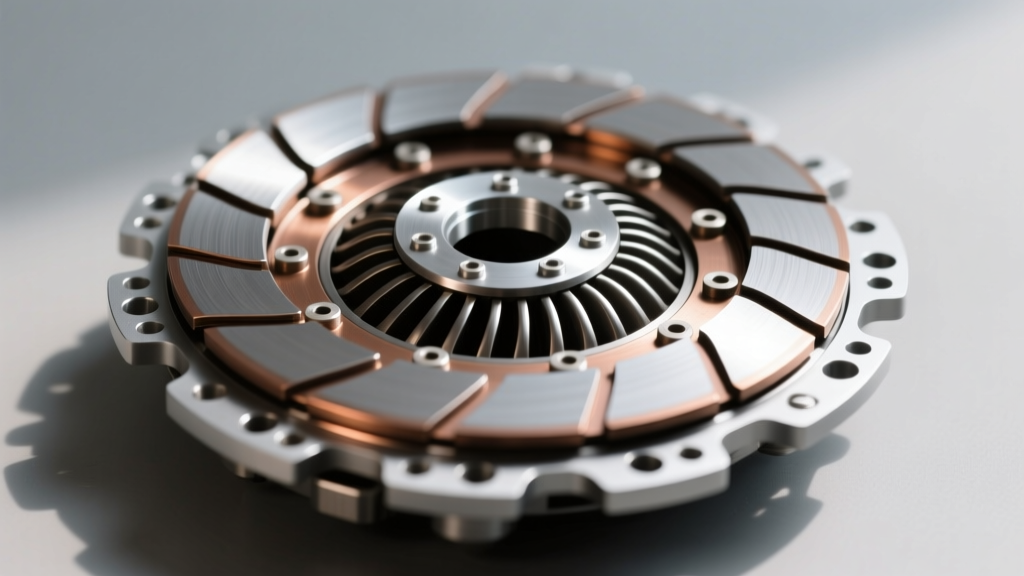
A modern sportbike or cruiser utilizes a wet multi-plate clutch that shares its lubrication with the engine's crankcase and transmission gears. This shared-sump architecture means the clutch plates must endure the shear forces of transmission gears, the thermal loads of the combustion chamber, and the friction modifiers present in engine oil. Understanding the nuances of motorcycle clutch plate maintenance is critical for preventing slip, drag, and catastrophic basket failure.
Fluid Dynamics and the JASO MA2 Standard
The most common point of failure in motorcycle clutch maintenance stems from improper fluid selection. Unlike the dedicated torque converter and clutch pack fluids used in automotive applications, motorcycles require engine oils that meet specific friction coefficients. The Japanese Automotive Standards Organization (JASO) established the T 903:2016 standard to address this. Oils rated JASO MA2 are specifically formulated without the molybdenum-based friction modifiers found in standard automotive oils, which would cause a motorcycle clutch to slip catastrophically under heavy throttle loads.
Expert Warning: Never substitute standard automotive API SN/SP energy-conserving oils in a motorcycle with a shared-sump wet clutch. The friction modifiers will glaze the clutch plates within 500 miles, necessitating a complete pack replacement and a thorough engine flush.
For optimal preventive maintenance, drain intervals should strictly follow the manufacturer's schedule, typically every 4,000 to 8,000 miles. As the oil shears down and loses its viscosity, its ability to carry heat away from the clutch pack diminishes, accelerating the wear of both the friction and steel separator plates.
Precision Measurement: Micrometers and Wear Limits
Visual inspection is insufficient for evaluating a motorcycle clutch pack. A proper preventive maintenance teardown requires a calibrated micrometer to measure both the friction plates and the hardened steel separator plates. Over time, the friction material compresses and wears, while the steel plates can warp from excessive heat generated during aggressive slip-starts or stop-and-go traffic.
Below is a reference table detailing the factory service limits for some of the most popular sportbikes on the market. Always cross-reference these with your specific factory service manual.
| Motorcycle Model (Recent Generations) | Friction Plate Min. Thickness | Steel Plate Min. Thickness | Center Nut Torque Spec | Spring Bolt Torque Spec |
|---|---|---|---|---|
| Yamaha YZF-R1 (2015-2025) | 2.80 mm | 1.90 mm | 72 Nm (53 ft-lb) | 10 Nm (7.2 ft-lb) |
| Kawasaki Ninja ZX-6R (2013-2024) | 2.80 mm | 1.80 mm | 69 Nm (51 ft-lb) | 8.8 Nm (6.5 ft-lb) |
| Honda CBR600RR (2007-2020) | 2.90 mm | 1.90 mm | 78 Nm (58 ft-lb) | 12 Nm (8.9 ft-lb) |
| Suzuki GSX-R1000 (2017-2025) | 2.85 mm | 1.90 mm | 80 Nm (59 ft-lb) | 10 Nm (7.2 ft-lb) |
Spring Free Length and Fatigue
Beyond the plates, the clutch springs themselves are subject to heat cycling and fatigue. A compressed spring loses its clamping force, leading to micro-slippage that generates even more heat—a destructive feedback loop. Measure the free length of every spring with a caliper. If any spring falls below the manufacturer's service limit (typically a 1mm to 2mm reduction from the new specification), the entire set must be replaced. Never mix old and new springs, as the differing clamping pressures will cause uneven wear across the clutch pack.
Inner Hub and Outer Basket Notching
One of the most critical aspects of motorcycle clutch maintenance that has no direct equivalent in 4L60 clutch packs is the inspection of the clutch basket. The outer aluminum basket and inner steel hub feature splines where the tabs of the friction and steel plates slide. Over thousands of miles of engagement and disengagement, the steel plate tabs can hammer into the softer aluminum of the outer basket, creating deep notches or grooves.
When basket notching occurs, the clutch plates cannot slide freely. This results in 'clutch drag,' where the clutch fails to fully disengage even when the lever is pulled to the handlebar. The rider will experience difficulty finding neutral, harsh gear engagements, and the bike may creep forward with the lever fully depressed. If notching is present, the basket must be replaced. While OEM cast aluminum baskets are standard, upgrading to a CNC-machined billet aluminum basket, such as those offered by Hinson Racing (e.g., Part #782-576, typically retailing around $350-$400), provides vastly superior durability and resistance to notching.
Component Selection: OEM, Kevlar, and Sintered Bronze
When the measurements dictate a replacement, choosing the right friction material is paramount. For standard street riding and commuting, OEM paper/cork composite plates offer the smoothest engagement and longest lifespan. However, for track-day enthusiasts or high-horsepower applications, aftermarket options provide distinct advantages.
- OEM Composite: Best for daily riding, predictable bite, and low cost ($120-$180 per pack).
- Kevlar/Carbon Blends: Brands like EBC offer the SRC series (e.g., EBC CK4484 for various Japanese literbikes, priced around $140-$160). These resist fade under high thermal loads but require a careful bedding-in period to avoid glazing.
- Sintered Bronze/Iron: Reserved almost exclusively for drag racing or extreme off-road applications. These materials will aggressively wear down standard steel separator plates and are not recommended for street use.
For a comprehensive look at material compounds and fitments, consulting the EBC Brakes motorcycle clutch catalog provides excellent cross-referencing data for both friction and steel plates.
Assembly Protocols and Torque Sequencing
Proper assembly is where preventive maintenance transitions into precision engineering. Before installation, all new friction plates must be soaked in the exact JASO MA2 engine oil you plan to run in the crankcase for a minimum of two hours, preferably overnight. Installing dry plates will result in immediate scorching and permanent damage upon the first engagement.
When stacking the pack, strictly adhere to the factory manual's alternating sequence. Many modern motorcycles utilize a 'judder spring' or a specific offset friction plate at the bottom of the stack to smooth out low-speed engagement. Misplacing this component will result in a harsh, chattering clutch lever feel.
Finally, torque sequencing is non-negotiable. The clutch center lock nut secures the inner hub to the transmission input shaft and must be torqued to exact specifications (often exceeding 70 Nm) using a proper clutch holding tool and a calibrated torque wrench. The pressure plate spring bolts should be tightened in a crisscross pattern to ensure even clamping pressure across the entire pack, preventing warped steels and premature wear.
Hydraulic vs. Cable Actuation Maintenance
The clutch pack is only half the equation; the actuation system must be maintained to ensure proper clamping force. For cable-actuated systems, inspect the cable for fraying, lubricate the inner wire with a dedicated PTFE cable lube, and adjust the free play to the manufacturer's spec (usually 10-15mm at the lever). Insufficient free play keeps constant pressure on the clutch pushrod, slightly separating the plates and causing continuous, imperceptible slip.
For hydraulic systems, which dominate the 2026 sportbike landscape, the fluid must be bled and replaced every two years. DOT 4 and DOT 5.1 brake fluids are hygroscopic, meaning they absorb moisture from the atmosphere. This moisture lowers the boiling point and promotes internal corrosion within the master and slave cylinders, leading to a spongy lever feel and incomplete clutch disengagement.
Conclusion
While the fundamental physics of friction apply whether you are analyzing 4L60 clutch packs in a GM truck or a wet multi-plate system in a Yamaha R1, the execution of preventive maintenance is vastly different. By adhering to strict JASO MA2 fluid standards, utilizing precision measuring tools, inspecting the clutch basket for spline notching, and applying exact torque specifications, you can ensure your motorcycle's drivetrain delivers flawless power transfer for tens of thousands of miles. For deeper dives into the mechanical theory of clutch actuation and spline engineering, resources like CycleWorld's Ask Kevin series offer invaluable engineering perspectives that complement hands-on wrenching.