The Search Anomaly: What We Are Actually Diagnosing
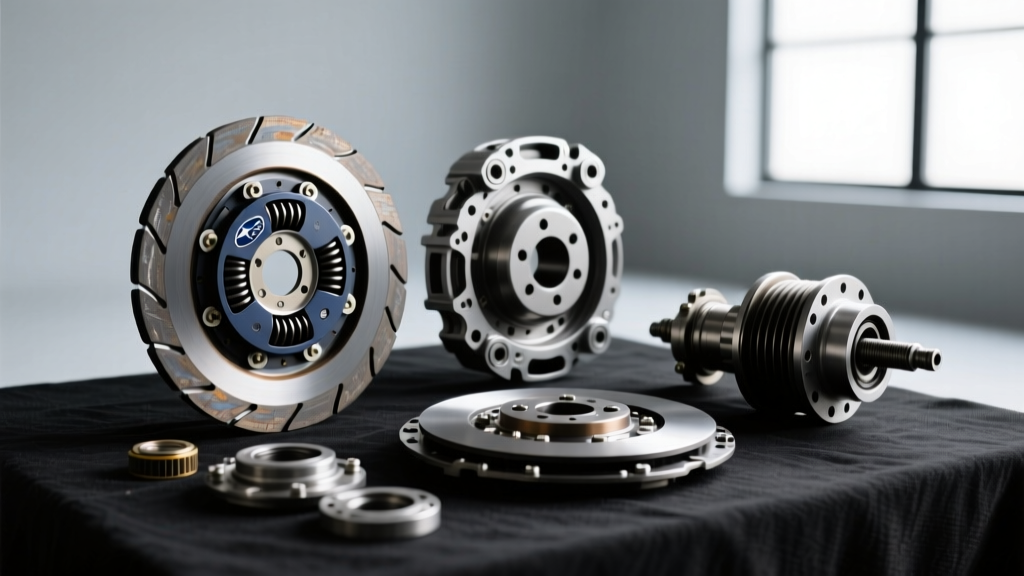
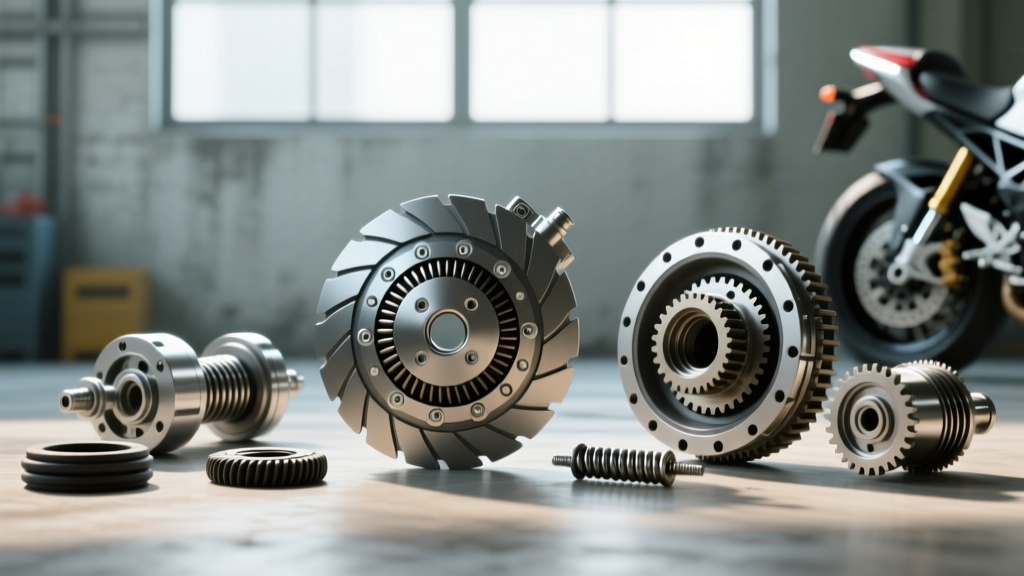
While a misguided web search for roller shade clutch replacement usually leads to window blind repair tutorials, in the automotive performance and drivetrain world, a roller clutch (often operating alongside or interchangeably with a sprag clutch) is a vital one-way mechanical diode. Found in automatic transmissions like the GM 4L60E, transfer cases, and the primary sheaves of modern CVT systems (like those in Polaris and Can-Am UTVs), these components are responsible for locking rotation in one direction while freewheeling in the other.
As we move through 2026, the push for higher torque capacity in modified vehicles means OEM roller clutches are failing at unprecedented rates. Recognizing the early signs of a failing one-way clutch is the difference between a simple component swap and a catastrophic transmission rebuild. Here is your expert performance guide to diagnosing, upgrading, and replacing automotive roller clutches.
How Automotive Roller and Sprag Clutches Operate
Before diagnosing a failure, it is crucial to understand the mechanics. A roller clutch consists of an inner race, an outer race, and a series of cylindrical rollers held by a retainer cage and spring-loaded plungers. When the outer race rotates in the "drive" direction, the rollers are forced into a narrowing taper between the races, creating a mechanical lock (binding). When rotation reverses, the rollers drop into the wider relief area, allowing the clutch to freewheel.
Sprag clutches operate on a similar principle but use asymmetrical, figure-eight-shaped sprags instead of cylindrical rollers, offering higher torque density in a smaller footprint. Both are subject to immense shear forces, and when they fail, the drivetrain loses its ability to hold specific gears or provide engine braking.
5 Telltale Signs Your Roller Clutch is Failing
1. Loss of Engine Braking (The "Freewheel" Effect)
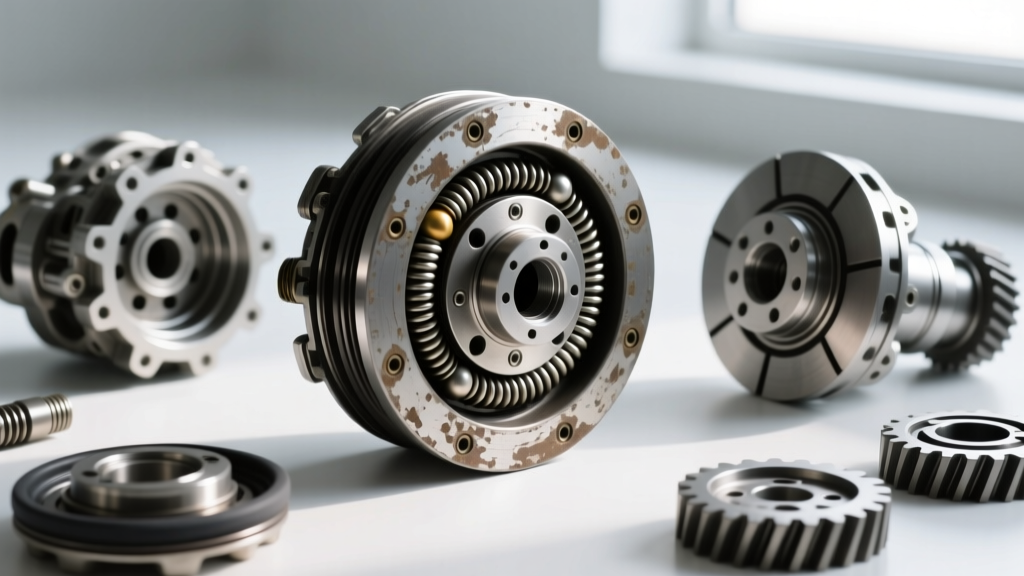
The most common symptom of a failing roller clutch in a CVT (such as the Polaris RZR 1000 primary clutch) or an automatic transmission is the sudden loss of engine braking. If you lift off the throttle while descending a grade and the vehicle continues to coast as if in neutral, the one-way bearing or roller clutch has failed to lock in the reverse-rotation direction. The rollers are likely Brinelled (dented into the race) or the retainer springs have fatigued, preventing the mechanical bind.
2. Missing Gears or Delayed Reverse Engagement
In planetary automatic transmissions like the GM 4L60E, the Low/Reverse (LR) roller clutch is responsible for holding the reaction member stationary during 1st gear and Reverse. If the rollers slip, you will experience a "flare" (RPM spike) when shifting into Reverse, or a complete loss of 1st gear, forcing the transmission to start in 2nd gear. According to data from the Automatic Transmission Rebuilders Association (ATRA), LR roller clutch failure accounts for nearly 18% of all 4L60E warranty rebuilds.
3. Harsh Shift Bangs and Intermittent Locking
A partially worn roller clutch will occasionally slip and then violently catch. This manifests as a harsh, metallic "bang" during low-speed shifts or when engaging 4WD Low in a transfer case. The rollers are skipping across the hardened steel race (a phenomenon known as "spragging out") before finally wedging into the locking taper.
4. Metallic "Glitter" in the Transmission Pan
When a roller clutch disintegrates, it sheds high-carbon steel fragments and needle bearings. During a routine fluid drop, inspect the transmission pan and the magnetic drain plug. While fine metallic paste is normal for high-mileage units, jagged steel flakes or intact cylindrical rollers in the pan indicate immediate, catastrophic roller clutch failure.
5. Whining or Grinding Noises Under Load
If the inner or outer race loses its Rockwell hardness due to extreme heat, the rollers will grind against the soft metal. This produces a distinct, high-pitched whine that correlates directly with vehicle speed and load, commonly heard in failing CVT primary clutches just before the one-way bearing seizes entirely.
Performance Upgrade Matrix: OEM vs. Heavy-Duty
When performing a roller clutch replacement on a performance build, never reinstall OEM stamped-steel or standard-cage components. Upgrading to heavy-duty billet or reinforced sprag conversions is mandatory for vehicles exceeding 400 lb-ft of torque. Below is a comparison of popular upgrade paths for the ubiquitous GM 4L60E Low/Reverse clutch.
| Component Type | Part Example | Max Torque Capacity | Failure Mode | Best Application |
|---|---|---|---|---|
| OEM Roller Clutch | GM 8654476 | ~350 lb-ft | Cage distortion, roller skidding | Stock daily drivers |
| Heavy-Duty Roller Kit | Sonnax 77733-01K | ~550 lb-ft | Inner race wear (if not upgraded) | Street/Strip, Towing |
| Billet Sprag Conversion | Performance 34-Element Sprag | 800+ lb-ft | Race shattering under shock load | Dedicated Drag / High-HP |
Precision Specs for Roller Clutch Replacement
Replacing a roller clutch is not a simple drop-in procedure. It requires strict adherence to metallurgical clearances and thermal expansion techniques. Below are the critical specifications for a standard 4L60E LR roller clutch and a typical UTV CVT one-way bearing replacement.
- Inner Race Interference Fit (4L60E): The inner race must have an interference fit of 0.0008" to 0.0015" on the reaction shaft. A loose fit will cause the race to spin and gall the shaft, ruining the hard part.
- Thermal Installation: When installing heavy-duty outer races (like the Sonnax 77733-01K), heat the outer race to 250°F (121°C) using an induction heater or hot plate to allow it to drop into the case bore without damaging the retaining tabs.
- Race Hardness Verification: Always verify the inner race hardness. It must be between 58 and 62 HRC (Rockwell C). If the shaft is galled or soft, replace the entire shaft assembly; a new roller clutch will destroy a soft shaft in under 500 miles.
- CVT One-Way Bearing Torque (Polaris/Can-Am): When replacing the primary clutch roller bearing, the center clutch bolt must be torqued to 120 lb-ft using Red Loctite 272. Failure to use high-strength threadlocker will result in the sheave separating at 8,000 RPM.
- Lubrication: Pre-lube all roller cages with the exact assembly fluid (e.g., Dexron VI or specific CVT fluid) prior to installation. Dry starts will instantly Brinell the rollers.
Final Verdict for Drivetrain Builders
Whether you are rebuilding a high-torque automatic transmission or upgrading a side-by-side CVT for dune running, the one-way roller clutch is the unsung hero of your drivetrain's holding capacity. Ignoring the signs of freewheeling, harsh engagements, or metallic debris will inevitably lead to secondary hard-part failures. By diagnosing the issue early and utilizing heavy-duty, precision-machined upgrade kits, you ensure that your drivetrain can handle the torque you put to the ground—no window shades required.