The Financial Dilemma: Rebuilt vs. Remanufactured
When a modern drivetrain fails, vehicle owners and shop managers face a critical financial crossroad. The decision of rebuilding an automatic transmission in-house versus sourcing a remanufactured unit from a wholesale supplier dictates not only the repair invoice but the long-term reliability of the vehicle. In 2026, with the rising complexity of mechatronic valve bodies and integrated Transmission Control Modules (TCMs), the cost gap between a local rebuild and a mail-order reman has narrowed, but the hidden variables remain vast.
This comprehensive cost analysis breaks down the exact pricing, labor matrices, and hidden expenses associated with popular platforms like the GM 6L80, the classic 4L60E, and the ubiquitous ZF 8HP series. By examining real-world part numbers, fluid capacities, and programming requirements, we can determine which route actually protects your bottom line.
Defining the Mechanical Baseline
Before analyzing the dollars, we must define the mechanical scope of both options, as they are not interchangeable terms in the professional automotive sphere.
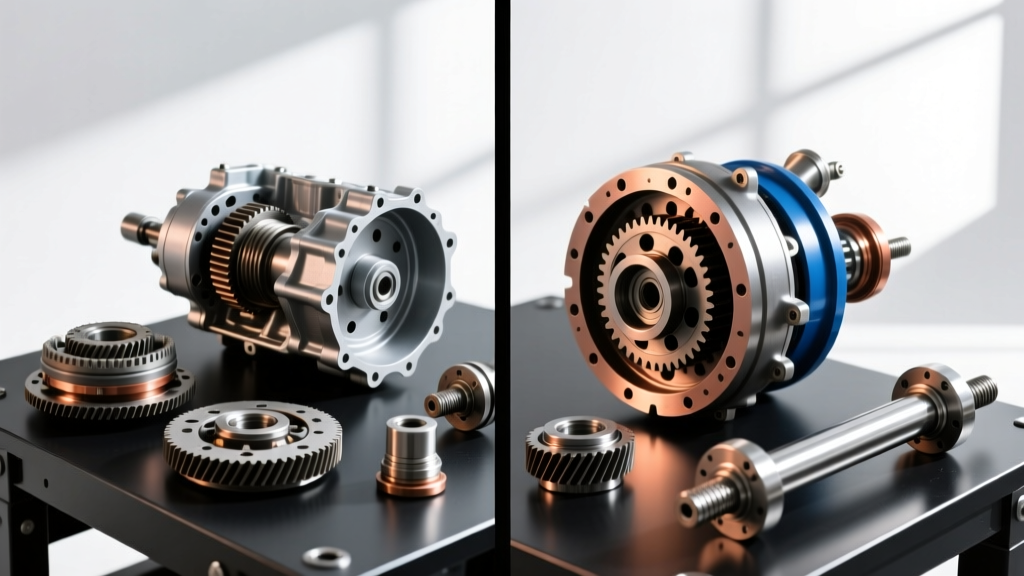
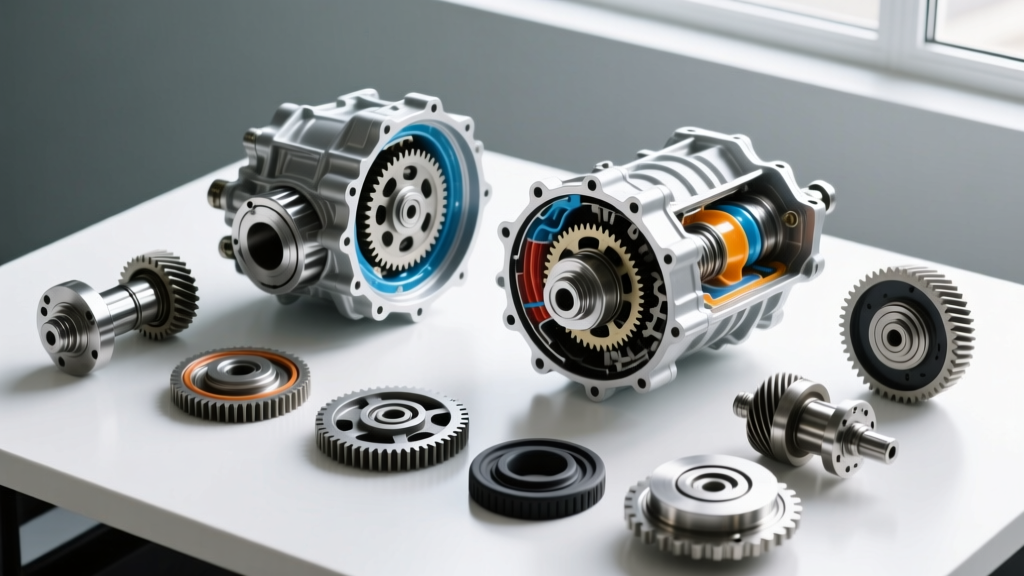
- Rebuilt Transmission: A local teardown where only the failed components, worn friction clutches, and damaged seals are replaced. The torque converter is typically cut open, inspected, and replaced or remanufactured separately. Hard parts (drums, planetary gears, cases) are reused if they pass visual and measurement inspections.
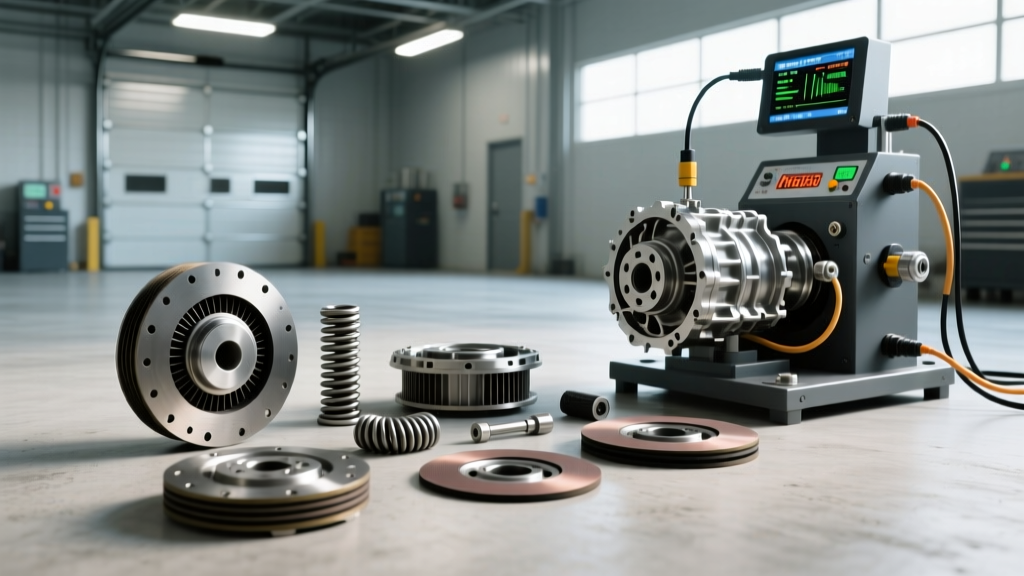
- Remanufactured Transmission: A factory-level restoration. The unit is stripped to the bare aluminum casting. Every wear item, bushing, seal, and friction element is replaced to OEM or upgraded specifications. Valve bodies are bored and sleeved (often using Sonnax technical repair kits), and the assembly is dyno-tested before shipping.
Cost Breakdown: Rebuilding an Automatic Transmission (Local Shop)
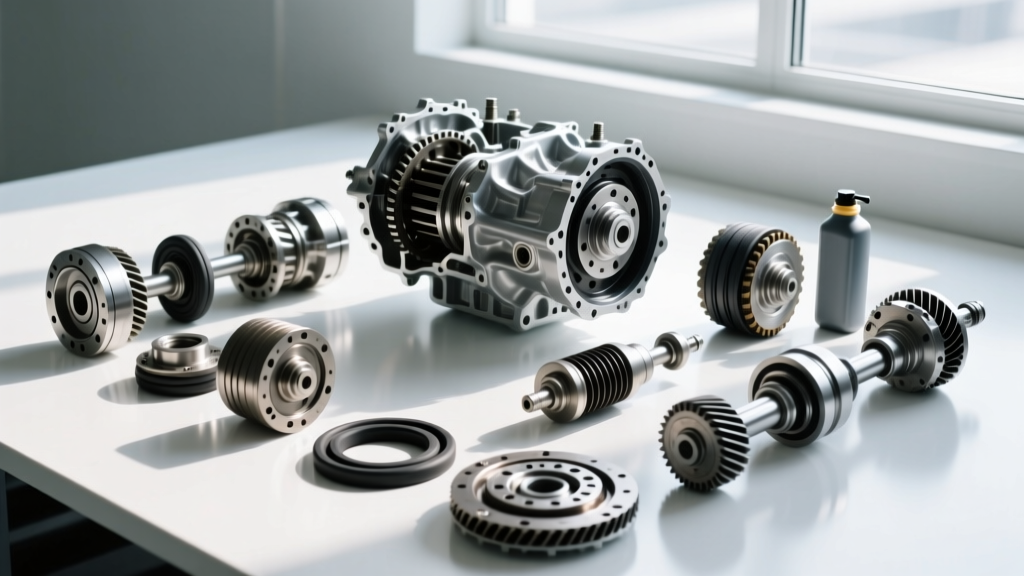
Rebuilding an automatic transmission requires a master overhaul kit, a new or remanufactured torque converter, specific hard parts, and significant bench time. Let us look at the GM 6L80E, a staple in Silverados, Camaros, and Corvettes.
The GM 6L80E Rebuild Matrix
The 6L80 is notorious for specific failure points: the TEHCM (Transmission Electro-Hydraulic Control Module) pressure switches, the 3-5-R wave plate, and the torque converter clutch (TCC) apply valve in the valve body.
- Master Overhaul Kit (Alto/Transgo): $350 - $450 (Includes frictions, steels, seals, and O-rings).
- TEHCM Replacement: $400 - $550. If the internal pressure switches fail, the entire TEHCM must be replaced. This requires GM SPS programming to flash the calibration file to the new module.
- Remanufactured Torque Converter: $250 - $320.
- Valve Body Upgrades (Sonnax ZIP Kit): $180.
- Fluid (ACDelco Dexron VI): 12 quarts @ $9/qt = $108.
- Bench Labor & R&R Labor: Rebuilding the unit takes roughly 8-10 hours of bench time. Remove and Replace (R&R) labor per standard guides is 7.2 hours. At a blended shop rate of $140/hour, labor alone is $2,408.
Total Estimated Rebuild Cost (6L80): $3,696 - $4,216.
Note on Assembly Specs: When reinstalling the 6L80, the bellhousing-to-engine block bolts must be torqued to 37 lb-ft (50 Nm), and the torque converter-to-flexplate M10x1.5 bolts require 45 lb-ft (60 Nm) with a medium-strength threadlocker.
Cost Breakdown: Remanufactured Unit Sourcing
Sourcing a remanufactured unit shifts the labor burden from the bench to the hoist. You are paying for a dyno-tested, warrantied assembly, but you must navigate core charges and freight logistics.
The ZF 8HP45 / 8HP70 Scenario (BMW / FCA)
The ZF 8-speed is an engineering marvel but a nightmare to rebuild locally without specialized ZF tools and clean-room environments. The Mechatronic unit (integrated valve body and TCM) and the plastic bridge seal adapter are common failure points. According to ZF Aftermarket guidelines, attempting a local rebuild often results in comebacks due to microscopic debris in the complex solenoid network.
- Remanufactured ZF 8HP Unit: $2,800 - $3,400.
- Core Charge: $600 - $900 (Refunded upon return of your old unit).
- Freight Shipping: $180 - $250 (These units weigh over 180 lbs and require palletized LTL freight).
- OEM Fluid (ZF LifeguardFluid 8): Dry fill is roughly 9.5 liters. At ~$30 per quart, fluid costs exceed $280.
- R&R Labor: 8.5 hours (Requires subframe lowering on many BMW applications) @ $160/hour = $1,360.
- TCM Adaptation/Programming: $150 (Using a J2534 pass-through tool to reset adaptation values).
Total Estimated Reman Cost (ZF 8HP): $5,370 - $6,340 (including upfront core deposit).
2026 Price Comparison Matrix: Rebuilt vs. Remanufactured
The following table illustrates the average out-the-door costs for three of the most common transmissions on the road today, factoring in standard shop rates, fluids, and programming.
| Transmission Model | Local Rebuild (In-House) | Wholesale Reman (Mail-Order) | Dealer OEM Reman |
|---|---|---|---|
| GM 4L60E (1993-2013 GM Trucks/Cars) | $1,800 - $2,400 | $1,400 - $1,700 | $2,200 - $2,600 |
| GM 6L80 (2006-2020 GM Trucks/Performance) | $3,600 - $4,200 | $3,100 - $3,800 | $4,500 - $5,200 |
| ZF 8HP45/70 (2011+ BMW, Chrysler, Audi) | $4,500+ (High Risk) | $4,800 - $5,600 | $6,500 - $8,000 |
*Pricing reflects 2026 national averages for independent repair facilities. Dealer pricing includes OEM proprietary software licensing fees.
The Hidden Costs That Destroy Repair Budgets
When comparing the cost of rebuilding an automatic transmission against buying a remanufactured unit, amateur estimators often miss the hidden variables that inflate the final invoice.
1. The Core Charge & Freight Trap
Remanufactured suppliers require a "core" (your broken transmission) to rebuild their inventory. If your transmission case is cracked, or if the bellhousing is severely damaged, the supplier will reject the core, and you will forfeit the $500-$900 deposit. Furthermore, returning the core requires draining the fluid, palletizing the unit, and paying return LTL freight, which can cost an additional $150.
2. J2534 Programming & TCM Flashing
Modern transmissions are not purely hydraulic; they are networked computers. If you rebuild a Ford 10R80 or a GM 8L90 in-house and replace the internal solenoids or the TCM, the vehicle will not shift correctly until the solenoid characterization data and adaptation tables are reset. This requires an advanced J2534 pass-through device and an active subscription to the OEM portal (e.g., Ford PTS or GM TIS). A single flash can cost $40-$100 in software credits, plus the technician's time. Remanufactured units often arrive pre-flashed with the latest calibration files, eliminating this hurdle.
3. Fluid Economics
Older units like the 4L60E take roughly 12 quarts of inexpensive Dexron VI (~$90 total). However, modern 8, 9, and 10-speed transmissions require highly specialized, low-viscosity fluids to meet fuel economy standards. ZF Lifeguard 8, Ford Mercon ULV, and GM AWF fluids can cost between $25 and $45 per quart. A dry-fill on a 10R80 can exceed $350 in fluid costs alone.
Expert Verdict: Which Route Should You Take?
The decision ultimately hinges on the specific transmission platform and the technical capabilities of the shop performing the work. For comprehensive repair procedures and valve body diagnostic flowcharts, professionals rely on ATSG service manuals to guide their teardowns.
When to Rebuild In-House
Rebuilding an automatic transmission locally makes financial sense for older, hydraulically simple, or highly modified units. If you are repairing a classic 4L60E, a vintage Ford C6, or a heavily modified drag-racing transmission where aftermarket hard parts (like billet input shafts and reinforced sun shells) are required, a local rebuild is mandatory. Remanufactured suppliers build to stock OEM specifications; they will not install the custom high-friction Raybestos Pro-Series clutches or heavy-duty servo pistons required for high-horsepower applications.
When to Buy Remanufactured
For daily-driven, late-model vehicles equipped with complex mechatronic units (like the ZF 8HP, GM 8L90, or Ford 10R80), purchasing a remanufactured unit is the superior financial and mechanical choice. The cost of specialized tooling, the risk of microscopic contamination in the valve body, and the burden of OEM programming make local rebuilding a high-liability endeavor. A reputable remanufacturer provides a 3-year/unlimited-mile warranty that covers both the unit and the R&R labor, transferring the financial risk away from the vehicle owner and the local shop.
Ultimately, whether you are turning wrenches on a 4L60E in your home garage or managing a fleet of late-model trucks, understanding the true cost of parts, labor, and programming is the only way to ensure a profitable and reliable transmission repair in 2026.