The Transaxle Dilemma: Rebuild or Replace?
When a modern front-wheel-drive transaxle or an all-wheel-drive integrated transmission fails, the immediate question is whether to rebuild the existing unit or replace it entirely. This decision becomes exponentially more complex when the failure originates in the final drive. In platforms like the GM 6T70/6T75 or the Ford 6F35, a shattered differential wave plate or a spun pinion bearing doesn't just destroy the differential—it sends metallic shrapnel through the entire gear train, contaminating the valve body, torque converter, and clutch packs.
Making the correct transmission rebuild vs replacement decision requires a methodical, step-by-step evaluation of core integrity, parts availability, and machine shop requirements. In this guide, we will walk through the exact diagnostic and financial framework used by professional transmission shops in 2026, using the highly specific differential rebuild 11758 master kit procedure as our benchmark for evaluating final-drive salvageability versus total unit replacement.
Step 1: Initial Teardown and Differential Triage
Before pulling the trigger on a remanufactured replacement, the transmission must be partially dismantled to assess case and hard-part damage. If you are dealing with a GM 6T75 AWD transaxle, the differential is integrated into the main case. A catastrophic differential failure often scores the aluminum case mating surfaces, which can render the core useless.
Inspection Checklist for Case Salvageability
- Bore Scoring: Use a bore gauge to measure the differential bearing cup bores. If the outer race has spun and elongated the bore by more than 0.002 inches, the case must be sleeved by a machine shop or scrapped.
- Magnet Debris Analysis: Inspect the transmission pan magnets. Fine, glitter-like paste indicates normal clutch wear or bearing degradation. Chunky, hardened steel fragments point to planetary gearsets or differential pinion shaft shearing.
- Valve Body Contamination: Drop the valve body and inspect the separator plate and solenoid screens. If metallic debris has bypassed the internal filters, the valve body must be replaced or ultrasonically flushed and tested on a Sonnax Zip Kit test bench.
'Never assume a transmission case is dead just because the differential exploded. With the right machine shop, line-boring and sleeving a damaged differential bearing bore costs a fraction of a new OEM case, provided the main bearing bores remain true.' — Senior Drivetrain Machinist
Step 2: Cost Analysis — Transmission Rebuild vs Replacement
In 2026, the supply chain for remanufactured transmissions has stabilized, but core charges and freight costs remain high. Below is a realistic cost breakdown comparing a full transaxle replacement against a comprehensive in-house rebuild that includes the differential rebuild 11758 scope.
| Cost Category | Remanufactured Replacement | In-House Rebuild (w/ Diff 11758) |
|---|---|---|
| Base Unit / Parts | $2,800 - $3,400 | $1,100 - $1,400 (Master kit + Hard parts) |
| Differential Overhaul | Included | $350 - $500 (Kit 11758 + Bearings) |
| Torque Converter | Included | $250 - $400 (Remanufactured) |
| Machine Shop Work | $0 | $150 - $300 (Case sleeving/surfacing) |
| Labor (R&R & Build) | 8 - 12 Hours ($1,200 - $1,800) | 14 - 18 Hours ($2,100 - $2,700) |
| Fluids & Consumables | $150 (Dexron ULV) | $180 (Dexron ULV + Loctite + Sealants) |
| Core Charge / Freight | $500 - $800 | $0 |
| Estimated Total | $4,650 - $6,550 | $4,130 - $5,480 |
As the data shows, rebuilding is generally more cost-effective, provided the core case is salvageable. However, if the transmission requires extensive hard parts (drums, sun gears, or a new pump assembly), the gap narrows, making a remanufactured unit a safer bet for shops without in-house machining capabilities.
Step 3: Deep Dive into the Differential Rebuild 11758 Procedure
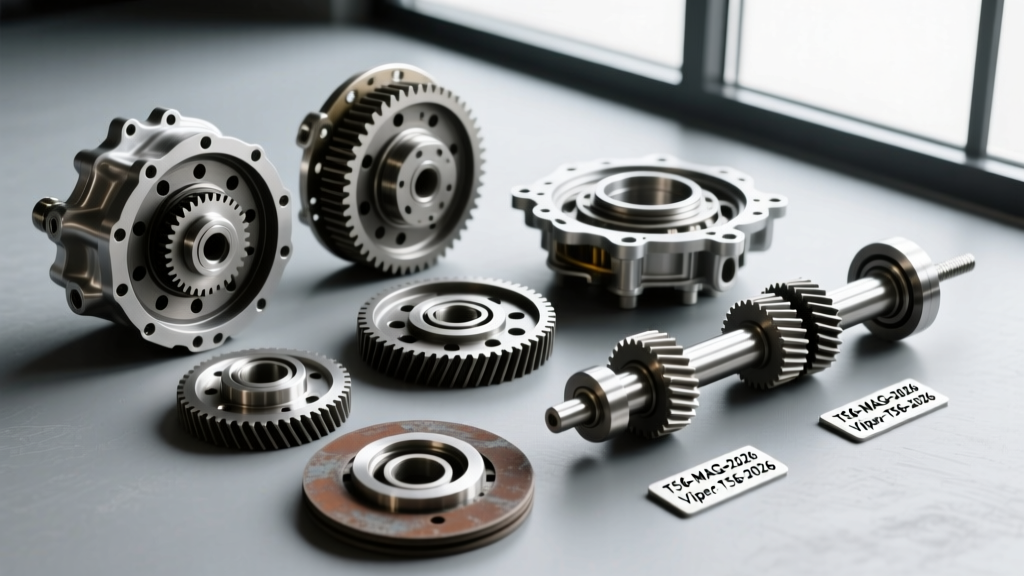
If the triage confirms the case is intact and the planetary gears are undamaged, the focus shifts to the final drive. The differential rebuild 11758 master kit is the industry-standard overhaul package for these transaxle differentials, encompassing all necessary bearings, seals, shims, and hardware. Executing this rebuild requires precision; guessing on bearing preload will result in immediate whining or catastrophic failure under load.
Required Specialty Tools
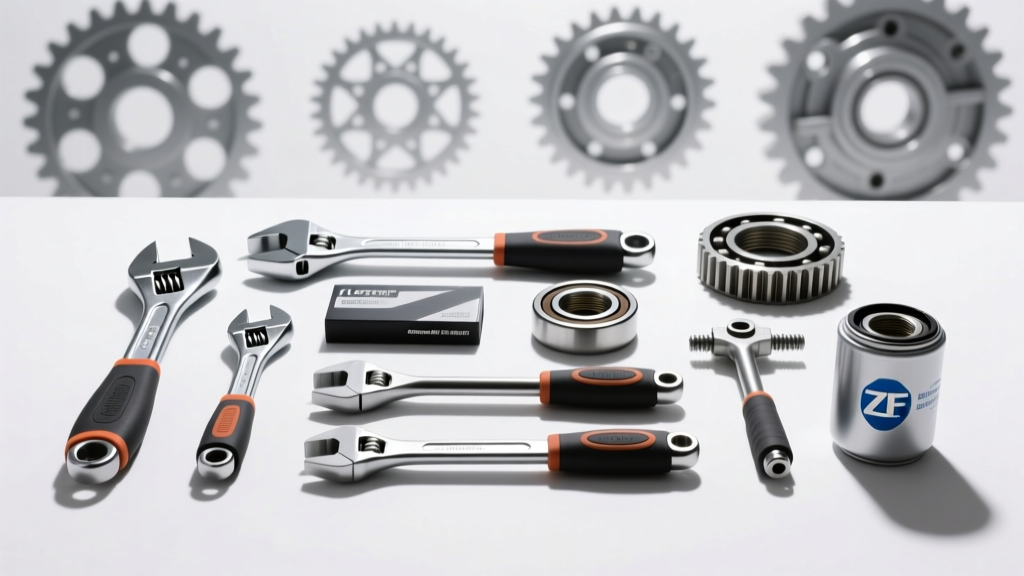
- OTC Differential Bearing Puller Set: Standard jaw pullers will crack the differential carrier casting.
- Inch-Pound Dial Torque Wrench: Essential for measuring rolling resistance (preload).
- Dial Indicator & Magnetic Base: For measuring ring gear backlash.
- Hydraulic Press & Bearing Drivers: For seating the Timken/SKF tapered roller bearings without damaging the cages.
Critical Torque Specs and Measurements
When assembling the differential carrier using the 11758 kit components, adhere strictly to these OEM-derived specifications:
- Ring Gear Bolts (M10x1.25): 85 lb-ft (115 Nm). Must be coated with medium-strength threadlocker (Blue Loctite 243) and torqued in a star pattern.
- Pinion Nut: 210 lb-ft (285 Nm). This is a prevailing-torque nut; if removed for seal replacement, it must be discarded and replaced.
- Backlash Specification: 0.005 to 0.009 inches. Measured at three equidistant points on the ring gear. Variance between points must not exceed 0.002 inches.
- Bearing Preload (Rolling Resistance): 12 to 18 inch-pounds. Adjusted by selecting the correct selective shim from the 11758 kit to sit behind the outer bearing race.
For further reading on transaxle differential failure modes and wave-plate upgrades, consult the technical archives at Sonnax technical bulletins or industry publications like Transmission Digest.
Step 4: The 2026 Decision Matrix
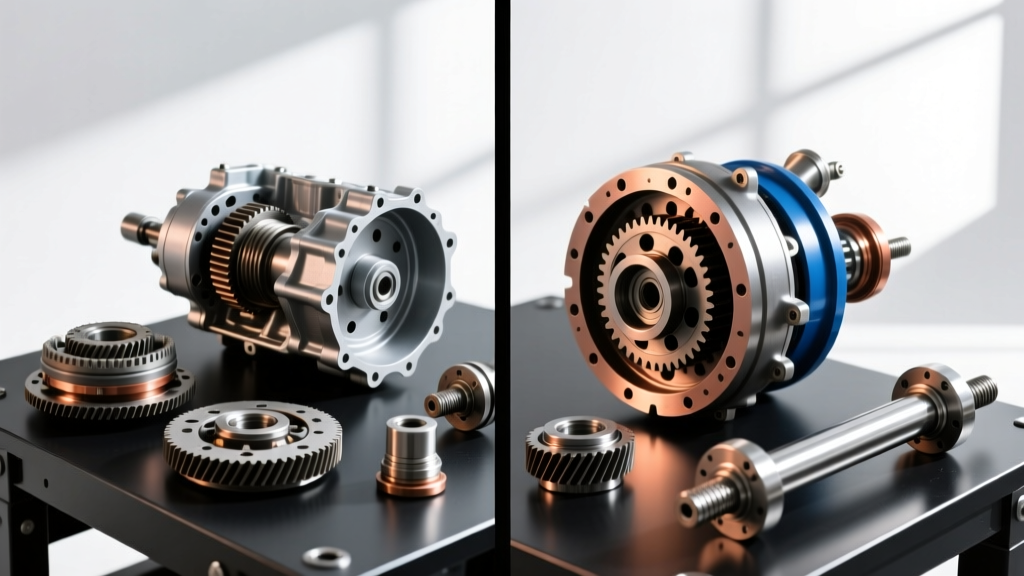
Use this step-by-step logic flow to make your final transmission rebuild vs replacement decision:
When to REBUILD (Using Kit 11758)
- Case is Intact: The differential bearing bores are within 0.001 inches of factory spec, or you have access to a local machine shop capable of line-boring and sleeving.
- Hard Parts Available: You can source undamaged planetary carriers and clutch drums from reputable suppliers like RockAuto or specialized transmission wholesalers.
- Vehicle Value Justifies It: The vehicle is a high-trim, low-mileage model where a $5,000 investment retains the asset's value, and you want the peace of mind of a custom, upgraded build (e.g., installing a billet differential wave plate).
When to REPLACE (Remanufactured Unit)
- Case is Destroyed: The differential shattered and cracked the main aluminum casting, or the main bearing bores are severely misaligned.
- Widespread Contamination: The torque converter, valve body, and transmission cooler lines are packed with hardened steel debris that cannot be reliably flushed.
- Time Constraints: The customer cannot wait the 3 to 5 days required to source specific selective shims, machine the case, and perform the differential rebuild 11758 procedure.
Step 5: Sourcing, Assembly, and Final Validation
If you proceed with the rebuild, sourcing the correct fluids is just as critical as the mechanical assembly. Modern 6-speed and 8-speed transaxles require Ultra Low Viscosity (ULV) fluids to accommodate tighter clearances and advanced lock-up clutch strategies. For GM applications, this means using ACDelco Dexron ULV. A dry-fill transaxle rebuild will require approximately 6.3 to 6.8 quarts. Do not substitute with older Dexron VI formulations, as the friction modifiers will cause shudder in the torque converter clutch.
During final assembly, apply a high-quality anaerobic sealant (such as Permatex 51813) to the case halves. Do not use RTV silicone, which can squeeze inward and block the intricate fluid galleries that feed the differential and clutch packs. Once assembled, the unit must be dyno-tested or rigorously road-tested. Monitor the differential area with an infrared thermometer during a 20-mile highway drive; temperatures should not exceed 180°F (82°C) under normal loads. If the differential whines or runs hot, the bearing preload shims from the 11758 kit must be re-evaluated and adjusted immediately.
Ultimately, the choice between a transmission rebuild and a full replacement hinges on your diagnostic thoroughness. By systematically evaluating the case, understanding the exact scope of the differential rebuild 11758 procedure, and weighing the real-world 2026 costs, you can make a decision that ensures long-term drivetrain reliability and financial sense.