Translating Automotive Clutch Fork Diagnostics to the Harley M8
When performance enthusiasts and touring riders search for a Rekluse Apex clutch Harley M8 upgrade, they are typically targeting Rekluse’s premium manual clutch systems—such as the Core Manual or TorqueDrive series—engineered to handle the massive torque output of the Milwaukee-Eight (M8) 107, 114, and 117 cubic-inch engines. However, dropping a high-performance CNC-machined clutch kit into an M8 primary drive frequently exposes underlying weaknesses in the actuation system. In automotive manual transmissions (like the Tremec T56 or Ford MT-82), clutch fork and pivot ball wear is a notorious culprit for engagement issues, chatter, and premature disc failure.
While the Harley M8 does not use a traditional automotive 'clutch fork,' its primary-side clutch release shaft and external lever act as the exact mechanical equivalent. As of 2026, with thousands of M8 engines crossing the 50,000-mile threshold, pivot shaft wear has become the number one misdiagnosed cause of 'slipping' or 'dragging' in upgraded Rekluse setups. This guide bridges the gap between traditional clutch fork diagnostics and the M8’s unique release mechanism, providing actionable expert tips for a flawless installation.
The Anatomy of M8 Actuation vs. Traditional Clutch Forks
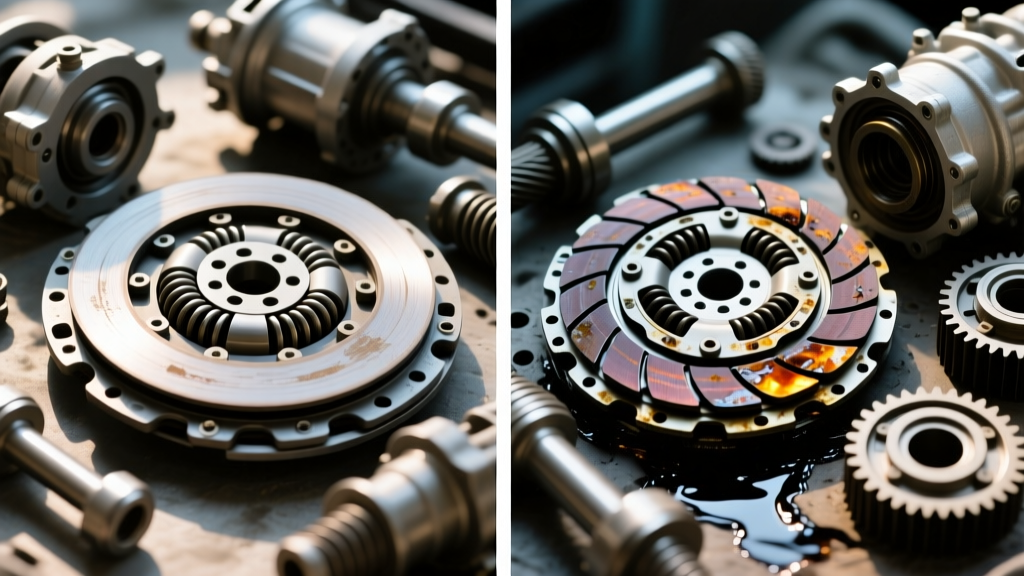
To diagnose pivot issues, we must first understand the mechanical translation of force. In a traditional rear-wheel-drive automotive manual transmission, a hydraulic throw-out bearing or clutch cable pulls a stamped steel clutch fork that pivots on a hardened steel ball stud. Wear on the pivot ball or the fork's contact pads creates a 'dead spot,' resulting in incomplete disengagement or a clutch that fails to fully seat under high RPM.
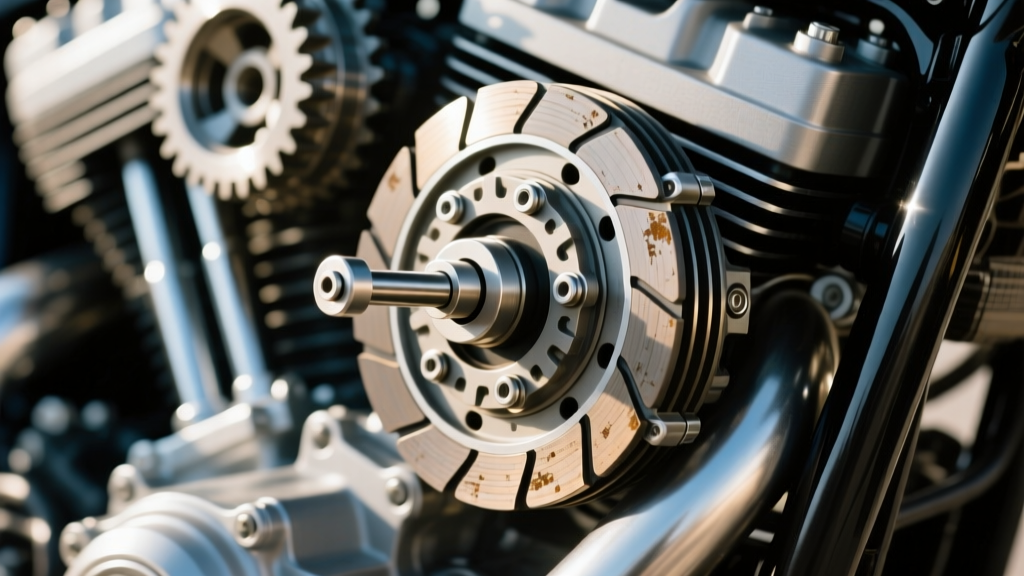
The Harley-Davidson M8 utilizes a completely different architecture. The cable or hydraulic piston pushes an external clutch release lever, which rotates a clutch release shaft penetrating the primary case. Inside, this shaft actuates a ramp-and-roller mechanism (the clutch lifter) that pushes a central pushrod directly into the pressure plate. Despite the different geometry, the physics of pivot wear remain identical. Lateral and radial play in the M8's external pivot shaft 'eats' up critical millimeters of actuation travel before the pushrod even begins to move.
| Diagnostic Parameter | Automotive Clutch Fork & Pivot Ball | Harley M8 Clutch Release Shaft & Lever |
|---|---|---|
| Primary Wear Point | Pivot ball stud and fork contact pads | Release shaft bushings and primary case bore |
| Symptom of Wear | Pedal dead-play, gear rattle on shifts | Lever sponginess, clutch drag, incomplete engagement |
| Impact on High-Clamp Upgrades | Fork flex causing diaphragm spring distortion | Pushrod misalignment causing uneven ramp wear |
| Measurement Tool | Feeler gauge at fork pivot | Dial indicator on pushrod / pry bar on lever |
Symptoms of Pivot Shaft Wear with High-Clamp Rekluse Clutches
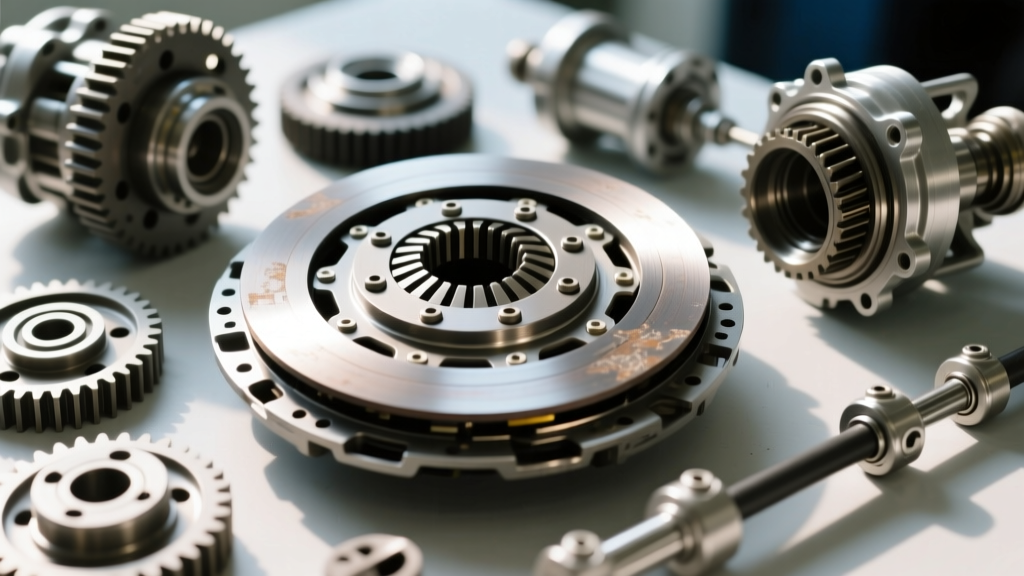
Rekluse clutch baskets are machined from 7075-T6 billet aluminum, featuring proprietary TorqueDrive technology that utilizes centrifugal force and precise friction plate spacing to multiply clamp load under acceleration. Because the Rekluse system relies on exact pushrod travel and absolute perpendicular pressure plate seating, marginal pivot wear that went unnoticed with the soft OEM Harley diaphragm spring becomes catastrophic with a Rekluse upgrade.
1. The 'False Slip' Diagnosis
Riders often report that their new Rekluse clutch is slipping under heavy load, assuming the friction plates are glazed or the spring is weak. In reality, excessive play in the external clutch release lever pivot shaft is keeping the pushrod slightly pre-loaded. This prevents the Rekluse pressure plate from fully clamping the friction stack, causing slip. According to Rekluse Tech Support, verifying zero pushrod pre-load at the lever's resting position is mandatory for warranty validation.
2. Clutch Drag and False Neutrals
If the pivot bushing is ovalized from years of cable tension, pulling the clutch lever to the grip will absorb 15-20% of the cable travel just taking up the slack in the worn pivot shaft. The internal ramp mechanism never achieves full rotation, resulting in clutch drag, clunky downshifts, and an inability to find neutral at a stoplight.
Expert Diagnostic Measurements & Tolerances
Before installing your Rekluse kit, or if you are troubleshooting an existing setup, perform this exact diagnostic sequence to rule out clutch fork and pivot-equivalent issues.
- Lateral Play Test: Grab the external clutch release lever on the primary case and attempt to wiggle it perpendicular to the shaft. Any perceptible lateral click indicates the internal needle bearing or bronze bushing has failed. Maximum allowable lateral play is 0.015 inches.
- Pushrod Travel Measurement: Remove the primary chain tensioner and clutch spring. Attach a magnetic base dial indicator to the primary cover, resting the plunger on the center of the pushrod. Actuate the clutch lever fully. A healthy M8 hydraulic or cable system should yield between 0.310” and 0.350” of pushrod travel. If travel is below 0.280”, pivot shaft wear or hydraulic air is the culprit.
- Ramp and Roller Inspection: With the pushrod removed, inspect the internal clutch lifter ramp. If the pivot shaft was worn, the pushrod is often pushed at a slight angle, causing asymmetric wear on the ramp rollers. If you feel a 'flat spot' or brinelling on the ramp, the entire lifter assembly must be replaced to prevent destroying the Rekluse pressure plate bearing.
Expert Tip: Never attempt to compensate for pivot shaft wear by over-adjusting the clutch cable or hydraulic pushrod. Over-tightening the adjuster forces the release bearing to constantly ride against the Rekluse pressure plate, generating immense heat in the primary fluid and leading to rapid friction plate degradation.
Installation Best Practices: Torque Specs and Sequencing
When mating a Rekluse manual clutch kit to an M8 engine with a freshly verified pivot shaft, precision assembly is critical. The M8 primary drive operates in an oil bath, meaning all fasteners must be secured with the correct chemical threadlockers to prevent catastrophic failure. Consult the Harley-Davidson OEM Parts Catalog for your specific year's release shaft part number if replacement is necessary (typically part #37800058 or updated variants for 2018-2026 Touring models).
Critical M8 & Rekluse Torque Specifications
- Clutch Release Shaft Pinch Bolt: 18-22 ft-lbs. (Ensure the lever is perfectly aligned with the piston stop before tightening).
- Rekluse Pressure Plate Bolts: 10-12 ft-lbs (120-144 in-lbs). Use Blue Loctite 243. Sequence in a star pattern to ensure the diaphragm or coil springs seat evenly without binding the 7075-T6 basket.
- M8 Primary Chain Sprocket Nut (7/8"-14 UNF): 120-150 ft-lbs. Must be secured with Red Loctite 271. Do not reuse the OEM staked nut; use a fresh OEM or Rekluse-supplied nut.
- Primary Chain Tensioner Shoe Bolts: 18-22 ft-lbs with Blue Loctite.
Cost Breakdown: Pivot Repair vs. Full Rekluse Install
Addressing pivot and release shaft wear is remarkably inexpensive compared to the cost of the Rekluse clutch itself, but it requires draining the primary fluid and removing the outer primary cover. Failing to spend the extra $75 on pivot components can result in a $900 clutch kit performing worse than stock.
| Component / Service | Estimated Cost (2026 Pricing) | Notes |
|---|---|---|
| Rekluse Core Manual / TorqueDrive Kit | $850 - $1,100 | Includes basket, hub, plates, and hardware |
| OEM M8 Clutch Release Shaft | $45 - $65 | Replace if scoring is visible on the bushing surface |
| OEM Release Lever Bushing / Bearing | $12 - $20 | Requires a blind bearing puller or case heating to remove |
| OEM Clutch Lifter (Ramp Assembly) | $85 - $110 | Only replace if roller brinelling is present |
| Dealership Labor (Pivot Replacement) | $350 - $450 | Typically 2.5 hours book time at $140-$180/hr |
Final Thoughts on M8 Actuation Integrity
Upgrading to a premium manual clutch is one of the most transformative modifications you can make to a Milwaukee-Eight touring or softail motorcycle. It eliminates the notorious Harley clutch drag, reduces lever pull effort, and provides automotive-style shift precision. However, treating the M8’s release shaft and lever pivot with the same diagnostic rigor as an automotive clutch fork and pivot ball is the secret to a flawless setup. By measuring pushrod travel, eliminating lateral pivot play, and adhering strictly to Rekluse’s torque sequencing, you ensure that every ounce of torque from your M8 engine makes it directly to the rear tire.