When your vehicle unexpectedly slips into limp mode or refuses to engage into drive, the phrase "rebuilding a transmission" shifts from an abstract mechanical concept to an immediate financial emergency. For many drivers, a transmission failure is the second most expensive automotive repair behind an engine replacement. However, the final invoice you receive is rarely just a flat fee; it is a complex matrix of soft parts, hard parts, machine shop labor, and diagnostic time.
As we navigate the automotive landscape in 2026, supply chain stabilizations have somewhat normalized parts pricing, but shop labor rates continue to climb, averaging between $130 and $165 per hour. Understanding the granular cost breakdown of a rebuild not only empowers you to evaluate quotes from professional transmission shops but also highlights the immense financial return on investment (ROI) of strict preventive maintenance. In this guide, we will dissect exactly where your money goes during a rebuild and how specific maintenance failures directly inflate those costs.
The Anatomy of a Transmission Rebuild Cost Breakdown
When a reputable shop quotes you for a transmission rebuild, the price is divided into three primary categories: Soft Parts (consumables and friction materials), Hard Parts (metallurgical components), and Labor (removal, teardown, machining, assembly, and reinstallation). Below is a 2026 cost matrix for three of the most common transmissions on the road today.
| Transmission Model | Soft Parts (Master Kit) | Hard Parts (Avg. Damage) | Labor & Machine Shop | Estimated Total |
|---|---|---|---|---|
| GM 4L60E (RWD V8) | $180 - $250 | $250 - $600 | $900 - $1,200 | $1,330 - $2,050 |
| GM 6L80 / 6L90 | $275 - $350 | $650 - $1,400 | $1,200 - $1,500 | $2,125 - $3,250 |
| ZF 8HP45 / 8HP70 | $350 - $450 | $1,200 - $2,500 | $1,400 - $1,800 | $2,950 - $4,750 |
How Skipped Maintenance Inflates Rebuild Prices
Automatic transmission fluid (ATF) is a highly engineered hydraulic medium, friction modifier, and coolant. When preventive maintenance is ignored, the fluid shears, loses its friction modifiers, and becomes saturated with clutch material and metal shavings. This degradation cascade is the primary driver of "hard part" failures, which can easily double or triple the cost of a rebuild.
The GM 6L80 and the 3-5-R Clutch Hub Disaster
The GM 6L80 is a robust 6-speed automatic, but it is notoriously sensitive to degraded fluid. General Motors originally marketed the DEXRON ULV (Ultra Low Viscosity) fluid as a "lifetime" fill. In reality, severe duty cycles and heat cause the fluid to break down well before 100,000 miles. When the fluid degrades, the 3-5-R clutch pack begins to micro-slip. This slipping generates immense localized heat, which warps the 3-5-R wave plate.
According to Sonnax Tech Resources, a warped wave plate eventually shatters, sending metallic shrapnel through the valve body and directly into the TEHCM (Transmission Electro-Hydraulic Control Module). What could have been a $200 preventive fluid and filter service now requires a $1,400 TEHCM replacement, a $350 clutch hub, and extensive case flushing. Skipping maintenance here guarantees a catastrophic hard-part rebuild scenario.
The ZF 8HP Mechatronic Sleeve Leaks
The ZF 8-speed (found in BMW, Audi, Dodge, and Ford applications) relies on a highly complex mechatronic unit housed inside the transmission pan. Over time, heat cycling and oxidized fluid cause the rubber sealing sleeves on the mechatronic adapter to flatten and crack. This results in internal hydraulic pressure drops, leading to harsh shifts, clutch drag, and eventual burnout of the A-clutch or C-clutch packs.
If caught early during a preventive pan and filter service (using exact ZF Lifeguard 8 fluid specifications), replacing the adapter sleeve and seals costs roughly $350 in parts. If ignored, the pressure drops will fry the clutches and score the valve body, pushing the cost of rebuilding a transmission past the $4,000 mark due to the high cost of OEM ZF mechatronic components.
Hard Parts vs. Soft Parts: Where Your Money Goes
To understand your rebuild invoice, you must understand the distinction between soft and hard parts. Rebuilders source these components from major suppliers like Transtar Industries or directly from manufacturers like Raybestos and Alto.
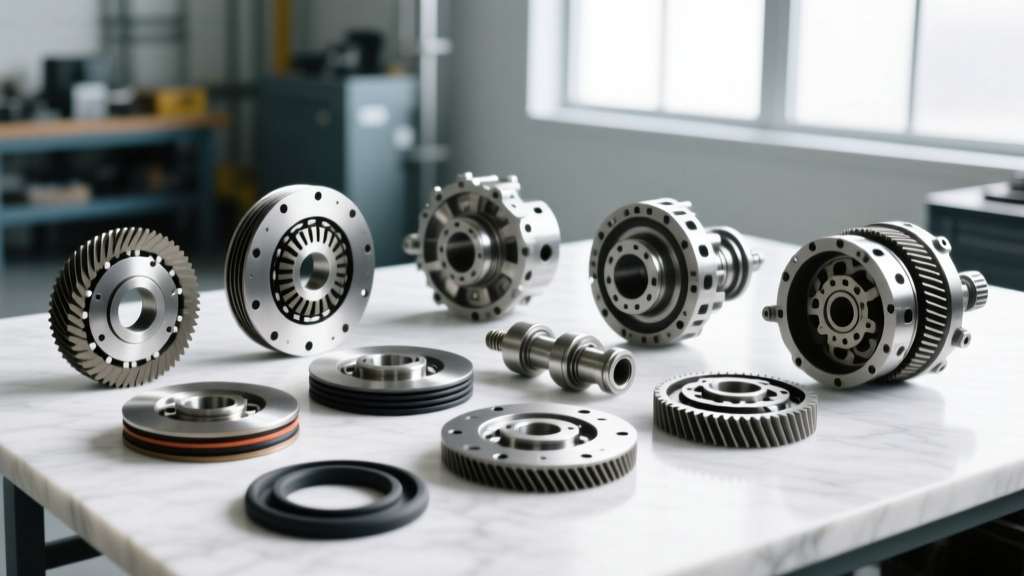
- Soft Parts (Master Rebuild Kits): These are the wearable items. A master kit ($150–$450) includes all friction clutches, steel separator plates, rubber lip seals, O-rings, gaskets, and friction rings. If your transmission was serviced regularly and only suffered a minor seal leak or isolated clutch wear, your rebuild will primarily consist of soft parts.
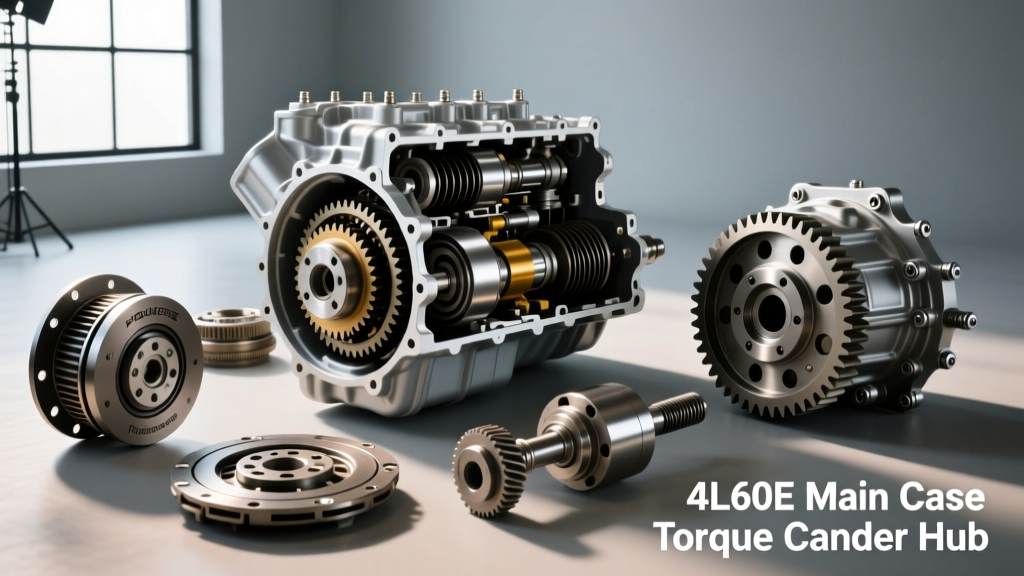
- Hard Parts: These are the metallurgical bones of the transmission. Planetary gearsets, sun shells, torque converters, drums, shafts, and the transmission case itself. Hard parts are expensive ($300–$2,500+) and usually only fail due to extreme heat, fluid starvation, or catastrophic mechanical shock caused by neglected maintenance.
Real-World Rebuild Scenarios & Pricing
Let us look at two distinct scenarios for the ubiquitous GM 4L60E to illustrate how maintenance dictates the final cost of rebuilding a transmission.
Scenario A: The Preventive "Soft Rebuild"
The Situation: The vehicle experienced a slight slip in 3rd gear at 140,000 miles, but the owner immediately sought diagnostics. The fluid was dark but lacked a burnt odor or heavy metallic glitter.
The Damage: The 2-4 band was worn, and the forward clutch pack seals were hardened.
The Cost: Master rebuild kit ($180), new 2-4 band ($45), remanufactured torque converter ($250), and 10 hours of labor at $140/hr ($1,400).
Total Invoice: $1,875
Scenario B: The Catastrophic "Hard Rebuild"
The Situation: The vehicle was driven to 180,000 miles on the original fluid while towing. The transmission suddenly lost all forward gears.
The Damage: The 4L60E sun shell stripped, which allowed the reaction carrier to bind and destroy the front pump. The valve body is scored beyond standard repair.
The Cost: Master kit ($180), heavy-duty sun shell and pump assembly ($650), machine shop valve body resurfacing ($250), heavy-duty torque converter ($350), and 14 hours of labor ($1,960).
Total Invoice: $3,390
Precision Matters: Torque Specs and Assembly
When rebuilding a transmission, precision is non-negotiable. A rebuild is only as reliable as the technician's adherence to factory specifications. For instance, when reassembling a 4L60E, the oil pump bolts must be torqued to exactly 89 inch-pounds (10 Nm). Overtightening will distort the pump housing, causing immediate cavitation and failure upon startup. The valve body to case bolts require 97 inch-pounds (11 Nm). According to ATSG technical literature, failing to use a calibrated inch-pound torque wrench during assembly is a leading cause of premature post-rebuild failures. Always ensure your rebuilder follows strict OEM torque sequences.
Preventive Maintenance Checklist to Avoid Rebuilds
The most cost-effective way to manage transmission expenses is to avoid rebuilding a transmission altogether. Implement this preventive maintenance protocol:
- Fluid and Filter Service (Every 45,000 - 60,000 Miles): Drop the transmission pan, replace the filter (or clean the mesh screen on ZF units), and refill with OEM-specified fluid. Never use high-pressure flush machines on high-mileage transmissions, as they can dislodge debris into the valve body.
- Cooler Line Inspection: Check rubber cooler line hoses for dry rot and swelling. A burst cooler line will drain the transmission in minutes, leading to total friction material destruction.
- Auxiliary Cooling: If you tow or live in a hot climate, install an auxiliary inline transmission cooler (e.g., Derale or Hayden). Keeping ATF temperatures below 180°F (82°C) exponentially increases the lifespan of clutch packs and seals.
- Scan Tool Diagnostics: Use an OBD2 scanner capable of reading Transmission Fluid Temperature (TFT) and clutch slip counters. Catching a slipping clutch via software data before you physically feel it can save you thousands in hard part damage.
Conclusion
Rebuilding a transmission is a major financial undertaking, but the final cost is heavily dictated by the owner's adherence to preventive maintenance. By understanding the breakdown of soft parts, hard parts, and labor, you can make informed decisions when faced with a repair quote. More importantly, by treating your transmission fluid as a vital, consumable component rather than a "lifetime" filler, you can keep your vehicle shifting smoothly and keep your hard-earned money out of the rebuild shop.