The Hidden Cost of Drivetrain Misalignment
When diagnosing a heavy clunk during gear engagement, a high-frequency vibration at highway speeds, or a noticeable shudder under load, the rear differential mount is often the primary culprit. However, replacing this critical isolator is rarely a standalone repair. Because the differential housing must be unbolted from the chassis crossmember, lowered via a transmission jack, or aggressively tilted to extract the degraded rubber or polyurethane bushing, the pinion angle inevitably shifts. This physical manipulation necessitates a complete drain and refill of the differential gear oil to ensure proper lubrication upon reassembly. Furthermore, a failing mount introduces severe drivetrain bind, making fluid inspection a mandatory diagnostic step to check for catastrophic gear wear. In this 2026 cost analysis, we break down the true financial impact of a rear differential mount replacement, seamlessly integrating the mandatory gear oil specification and pricing matrix.
The Mechanical Link: Mounts, Pinion Angles, and Gear Wear
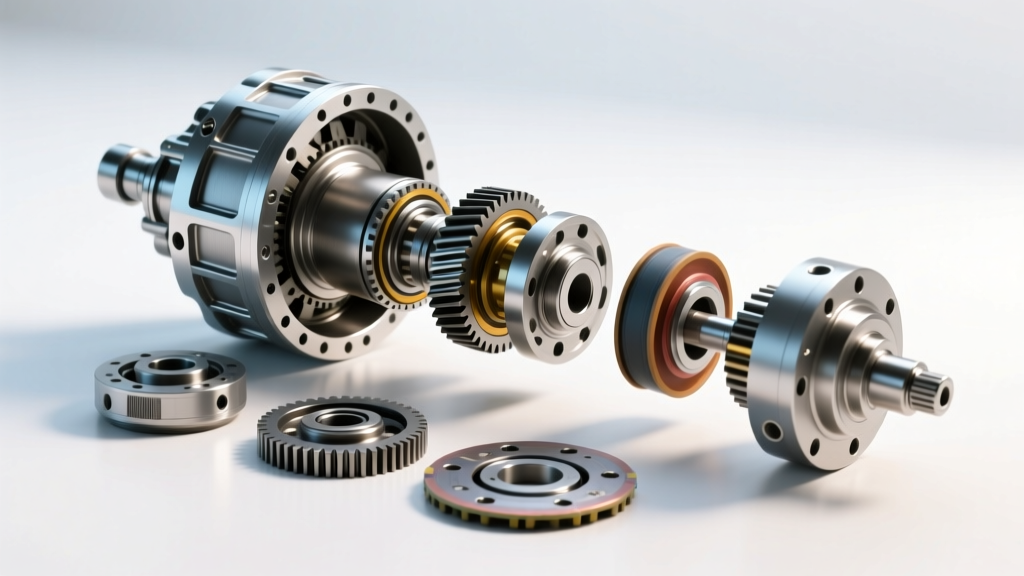
Before analyzing the invoice, it is crucial to understand why a bad rear differential mount directly impacts your gear oil's lifespan and the differential's internal health. The mount maintains the precise pinion angle relative to the transmission output shaft. If an OEM rubber mount collapses by even a quarter-inch under torque, the universal joint operating angle exceeds the recommended 3-degree maximum. This causes cyclical binding and velocity fluctuations in the driveshaft. Those shock loads are transferred directly through the pinion yoke and into the ring and pinion teeth, accelerating micropitting, spalling, and premature wear on the hypoid gear set. Draining the gear oil during a mount replacement allows you to inspect the fluid for 'glitter' (fine metallic bearing wear) or jagged chunks (tooth failure), preventing a $2,500 axle rebuild down the road.
2026 Rear Differential Mount Replacement Cost Matrix
The cost to replace a rear differential mount varies significantly based on the material choice and whether you are paying a dealership, an independent drivetrain specialist, or tackling it in your own garage. Below is the 2026 pricing landscape for common light-duty truck and SUV applications (e.g., Ford F-150 8.8-inch, GM Silverado 9.5-inch, Jeep Wrangler Dana 44).
- OEM Rubber Mount: $55 - $95 (Part cost). Offers factory NVH (Noise, Vibration, and Harshness) damping but degrades within 60,000 to 80,000 miles.
- Polyurethane Mount (e.g., Energy Suspension): $75 - $120. Highly recommended for towing and modified vehicles. Resists oil saturation and deflection but transfers slightly more cabin vibration.
- Solid Aluminum Billet Mount: $110 - $180. Strictly for dedicated race or off-road rigs. Zero deflection, but guarantees severe NVH and potential stress-cracking on the differential housing.
- Professional Labor: 1.5 to 2.5 hours at current 2026 shop rates ($145 - $225/hr), totaling $217 to $562 in labor alone.
Expert Torque Spec Note: When reinstalling, Ford 8.8 rear mount-to-chassis bolts typically require 85 lb-ft, while GM 10-bolt and 12-bolt crossmember bolts spec at 70 lb-ft. Always use a thread locker on these high-vibration fasteners.
Differential Gear Oil Specifications: A Price-to-Performance Analysis
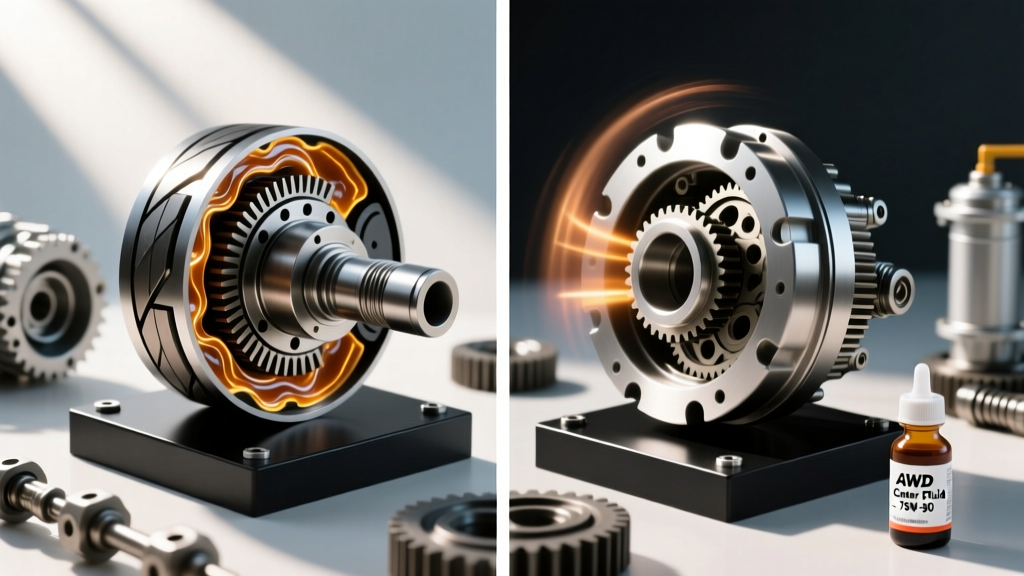
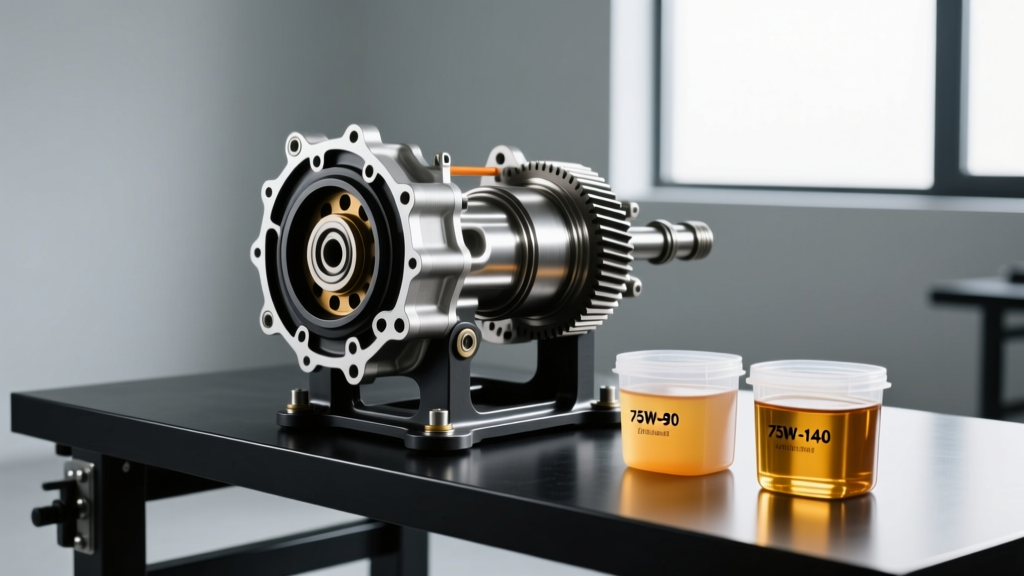
Because the differential is tilted or the cover is removed to facilitate the mount swap, you must refill the axle. Selecting the correct differential gear oil specification is not just about viscosity; it is about the chemical boundary protection required for hypoid gears. The SAE J306 Standard for Axle Lubricants dictates gear oil viscosity grades, which differ entirely from engine oil (SAE J300). A 75W-90 gear oil flows like a 75-weight engine oil when cold, but protects like a 90-weight when hot.
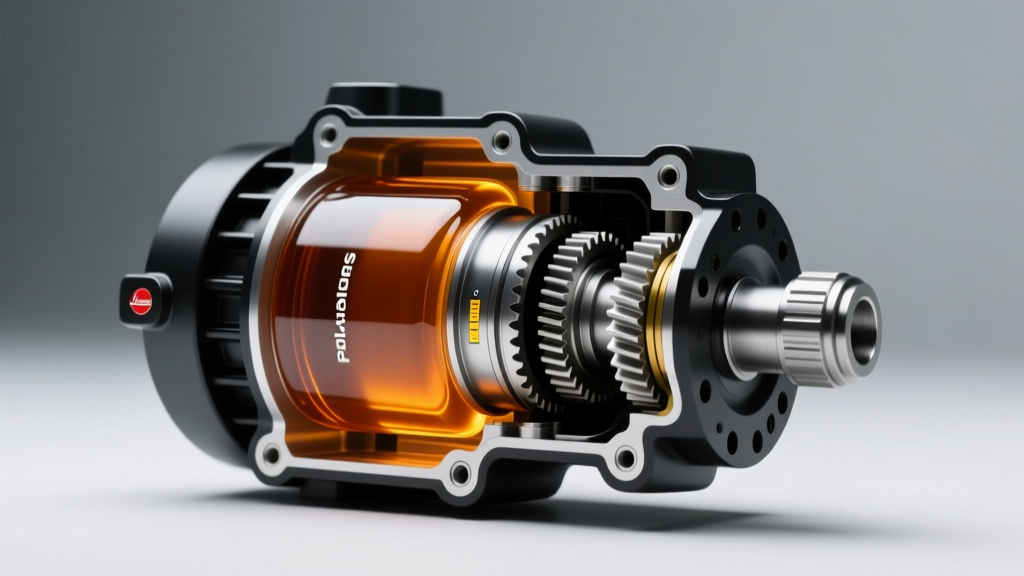
Hypoid ring and pinion gears operate with a massive amount of sliding friction, not just rolling friction. This requires an API GL-5 rated fluid, which contains high levels of Sulfur-Phosphorus Extreme Pressure (EP) additives. Under the extreme heat and pressure of the gear mesh, these additives react with the metal surface to form a sacrificial tribofilm (iron sulfide/phosphide), preventing the gears from welding together. Below is the 2026 cost and specification breakdown for differential gear oils.
| Gear Oil Specification | API Rating | Avg Price / Quart (2026) | Best Application & Climate |
|---|---|---|---|
| Conventional 80W-90 | GL-5 | $9.00 - $13.00 | Light-duty, budget-conscious, temperate climates. Requires more frequent 30k-mile changes. |
| Synthetic 75W-90 | GL-5 / MT-1 | $17.00 - $24.00 | Daily drivers, cold climates, and fuel-economy focus. Excellent cold-flow for startup protection. |
| Synthetic 75W-140 | GL-5 | $23.00 - $32.00 | Heavy towing, track use, high ambient heat. Maintains film strength under extreme shock loads. |
| LS Friction Modifier | Additive | $10.00 - $15.00 | Mandatory for clutch-type Limited Slip Differentials (e.g., Auburn, Eaton Posi). |
The Friction Modifier Tax
If your vehicle is equipped with a clutch-type Limited Slip Differential (LSD), the gear oil specification must include a friction modifier. Standard GL-5 gear oil provides too much grip, causing the clutches to bind and 'chatter' during low-speed turns, which can physically destroy the clutch packs and spider gears. A 4 oz bottle of LSD modifier costs around $12. Brands like AMSOIL and Red Line often pre-blend modifiers into their specific 'Severe Gear' or 'ShockProof' lines, saving you the extra step and cost, but always verify the label against your OEM service manual.
Edge Cases: Stripped Plugs, RTV, and Fluid Capacities
When budgeting for this combined service, experienced technicians always account for the 'drivetrain tax'—the hidden edge cases that inflate a simple fluid change into a frustrating ordeal. Many modern differentials, including the ubiquitous Ford 8.8 and GM corporate axles, lack a dedicated drain plug. This means the stamped steel or aluminum differential cover must be completely removed to drain the fluid and clean out the magnet.
- Gasket vs. RTV: A high-quality reusable or cork/rubber gasket (e.g., Fel-Pro RDS series) costs $12 to $18 and provides a reliable seal. If using RTV silicone, you must use a high-temp, oil-resistant formula like Permatex Ultra Black ($9). Applying too much RTV can result in silicone beads breaking off and clogging the axle tube oil galleries, starving the wheel bearings.
- Stripped Fill Plugs: The fill plug is often seized due to galvanic corrosion and years of heat cycling. If the 3/8-inch square drive strips, you may need to weld a nut to the plug head to extract it. Budget an extra $35 for a replacement magnetic fill plug (Dorman 65184) to prevent future headaches.
- Fluid Capacity Variations: Do not guess your fluid volume. A standard Ford 8.8-inch requires roughly 2.5 pints. A GM 9.5-inch semi-float takes 3.0 pints. A Jeep Dana 44 requires up to 3.5 to 4.0 pints depending on the aftermarket differential cover. Always fill until the fluid reaches the exact bottom edge of the fill hole threads.
Critical Torque Warning: When reinstalling a stamped steel differential cover, the torque specification is remarkably low—typically 25 to 30 lb-ft in a star pattern. Overtightening these bolts will warp the thin steel flange, guaranteeing a slow, persistent gear oil leak that will eventually ruin your newly installed rear differential mount by saturating it in petroleum.
Total Drivetrain Rehabilitation Cost Summary
Combining the rear differential mount replacement with a mandatory, specification-correct gear oil service is an investment in the longevity of your entire driveline. For a DIY mechanic using a premium polyurethane mount and synthetic 75W-90 GL-5 gear oil, the total parts cost will range from $140 to $220. If you are handing the keys to a professional drivetrain shop in 2026, expect the combined invoice for parts, labor, fluid extraction, and shop supplies to land between $450 and $750. While the upfront cost may seem steep, addressing the mount and refreshing the hypoid gear protection simultaneously prevents the catastrophic chain reaction of U-joint failure, pinion bearing destruction, and ultimate axle seizure.