The Hidden Cost of Incorrect Gear Oil Specifications
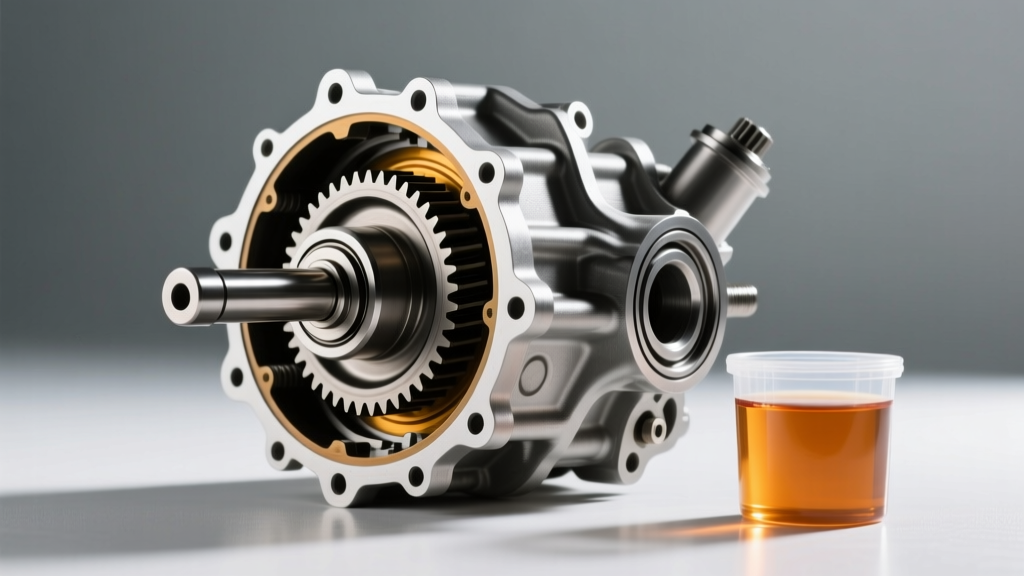
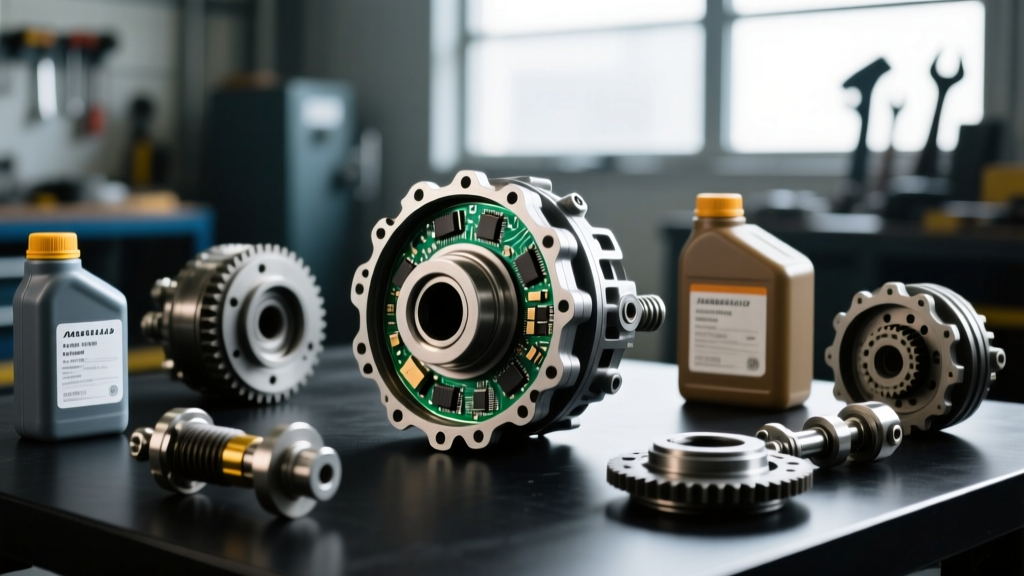
The modern drivetrain has evolved far beyond simple open differentials and mechanical locking pins. Today’s performance cars, heavy-duty trucks, and advanced AWD systems rely heavily on electronic limited-slip differentials (eLSD) and torque-vectoring axles. At the heart of these systems is the rear differential clutch control module, an electro-hydraulic or electromechanical brain that uses Pulse Width Modulation (PWM) to actuate solenoids and press internal clutch packs together. While these modules provide incredible traction and handling dynamics, they are exceptionally vulnerable to one specific maintenance error: ignoring precise differential gear oil specifications.
As a senior drivetrain specialist, I see a recurring trend in 2026: owners and quick-lube technicians draining factory eLSD fluid and refilling it with off-the-shelf, generic API GL-5 75W-90 gear oil. The financial fallout of this single mistake is severe. The wrong fluid alters the tribological friction profile of the clutch packs, leading to shudder, overheating, and ultimately, the destruction of the control module itself. This article provides a comprehensive cost analysis of module failure, breaks down the exact gear oil specifications required to protect your investment, and outlines the precise service procedures necessary to keep your rear axle operating flawlessly.
Rear Differential Clutch Control Module Replacement Cost Breakdown
When incorrect gear oil specifications cause the internal clutch packs to slip and generate excessive heat, that heat transfers directly into the electronic actuator and control module. The internal PCB solders melt, the wiring pigtails degrade, and the PWM solenoids short out. Below is a realistic 2026 market cost breakdown for replacing a failed rear differential clutch control module and associated internal components.
Parts and Labor Pricing (2026 Market Rates)
- Control Module / Actuator Assembly: $650 to $1,450 (OEM). Aftermarket options are rare for proprietary eLSD units like the GM Twinster or ZF/BMW xDrive modules.
- Internal Clutch Pack Kit: $300 to $600. If the friction material has glazed or delaminated due to wrong fluid, the pack must be replaced.
- Wiring Harness / Pigtail: $85 to $150. Heat from the slipping clutches often melts the connector leading into the differential cover.
- Labor (R&R and Rebuild): 3.5 to 5.5 hours. Dropping the rear differential, pulling the axle shafts, extracting the carrier, and rebuilding the clutch pack requires specialized bearing preload tools.
- Dealership/Shop Labor Rate: $145 to $210 per hour.
Total Estimated Repair Cost: $1,450 to $3,200+
Compare this catastrophic repair bill to the cost of a proper fluid service, which requires roughly 2 to 3 quarts of specialized OEM-specified gear oil and a $15 crush washer. The cost-to-benefit ratio of adhering to strict gear oil specifications is undeniable.
Why Standard GL-5 Destroys Electronic Clutch Modules
To understand the cost analysis, you must understand the chemistry. Standard API GL-5 gear oils are formulated with high concentrations of sulfur-phosphorus extreme pressure (EP) additives. These additives are excellent for protecting the sliding shear forces of hypoid ring and pinion gears. However, they pose two massive threats to electronic clutch-based differentials:
- Yellow Metal Corrosion: The active sulfur in standard GL-5 can corrode the copper, bronze, and brass alloys used in the module’s internal speed sensors and thrust washers.
- Friction Coefficient Mismatch: The rear differential clutch control module is programmed to expect a very specific 'slip-stick' friction coefficient from the paper or carbon-based clutch linings. Standard GL-5 is too 'slippery' without the correct friction modifiers. The module detects the slip, commands higher PWM duty cycles to clamp the clutches harder, and generates massive localized heat. This thermal runaway is what fries the module's internal electronics.
Diagnostic Insight: If you scan the vehicle and pull a C0538 (Rear Differential Clutch Performance) or C0528 DTC, check the fluid condition before condemning the module. Fluid that smells severely burnt and contains fine black particulate indicates clutch pack degradation due to incorrect fluid friction modifiers.
Critical Gear Oil Specifications & OEM Fluid Matrix
You cannot rely on the bottle simply saying 'Limited Slip Compatible.' Modern eLSDs require exact viscosity grades and proprietary friction modifier packages. Below is a comparison chart detailing the specific differential gear oil specifications for popular electronic rear axles, alongside the cost of the correct fluid versus the cost of a module replacement.
| Vehicle / Platform | Diff Type | Required Gear Oil Specification | OEM Part Number | Fluid Cost (2026) | Module Failure Cost |
|---|---|---|---|---|---|
| GM Alpha (Camaro/CTS/CT5) | eLSD (RPO G86) | ACDelco Dexron Gear Oil 75W-85 | 88862624 / 10-4017 | $22 - $28 / Qt | $1,800+ |
| Ford Super Duty / F-150 | Electronic Locker | 75W-140 Synthetic + XL-3 Modifier | XO-75W140-QSP + XYL-3 | $35 - $45 / Qt | $1,200+ |
| BMW xDrive (F/G Series) | ZF eLSD | SAF-XJ 75W-140 (Low Friction) | 83222295532 | $40 - $55 / Qt | $2,500+ |
| GM Full-Size (Silverado/Tahoe) | G80 Eaton Mech. Locker | 75W-90 Synthetic (No Modifier) | 88900401 | $18 - $25 / Qt | $600 (Actuator) |
Note: Never add aftermarket limited-slip friction modifiers (like Whale Oil equivalents) to GM Alpha eLSDs or BMW ZF eLSDs unless explicitly stated in the service manual. The factory fluid already contains the exact proprietary modifier package required by the rear differential clutch control module.
Step-by-Step Fluid Service & Torque Specifications
Proper maintenance is the ultimate cost-saving measure. When servicing an electronic rear differential, precision is mandatory. Follow these parameters to ensure the module receives the correct fluid volume and pressure.
1. The Golden Rule: Fill Plug First
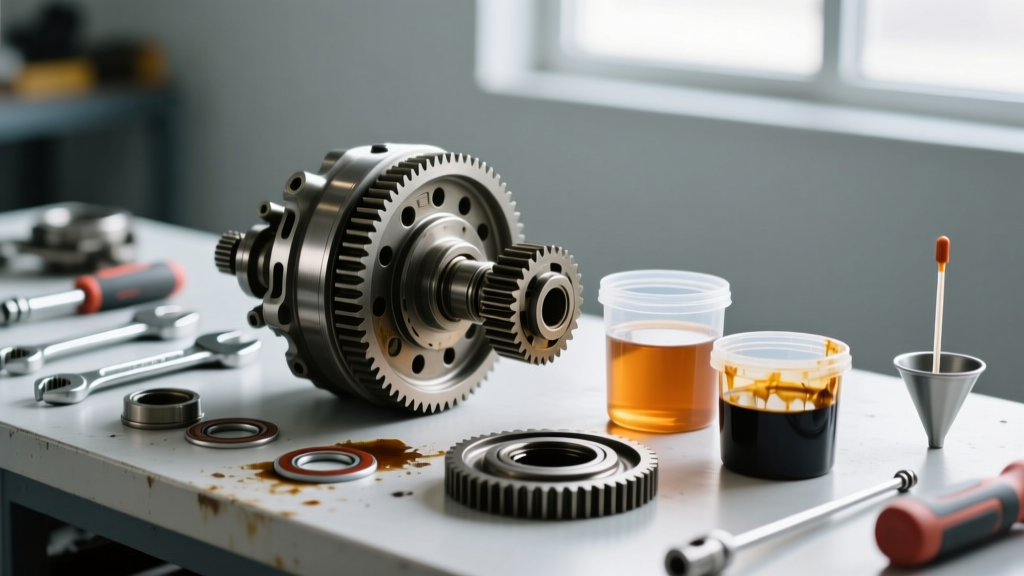
Always remove the fill plug before removing the drain plug. If the drain plug is stripped or the fill plug is seized, you do not want to be stranded with an empty differential and no way to refill it. Use a 3/8-inch drive hex or Torx bit, applying penetrating fluid 24 hours in advance if the axle is exposed to road salt.
2. Torque Specifications
Over-torquing the aluminum differential cover plugs will strip the threads, requiring a $400+ cover replacement or helicoil repair. Use a calibrated inch-pound or low-range Newton-meter torque wrench.
- GM 8.6-inch Aluminum eLSD Cover: M18x1.5 plug. Torque to 25 Nm (18 lb-ft).
- Ford 10.5-inch Electronic Locker Cover: 3/8-inch NPT plug. Torque to 35 Nm (26 lb-ft).
- BMW ZF Rear Differential: M18x1.5 plug. Torque to 30 Nm (22 lb-ft) and replace the aluminum crush washer.
3. Fluid Level Verification
Standard differentials are filled to the bottom of the fill hole. However, some specific torque-vectoring differentials require a precise volumetric measurement (e.g., exactly 1.4 liters) pumped in via a syringe, regardless of the fill hole level. Always consult the OEM service database for the exact milliliter capacity.
The Calibration Requirement: Reprogramming the Module
A frequently overlooked aspect of the cost analysis is the software side. When you replace the rear differential clutch control module—or even just perform a fluid drain and refill on systems like the GM Twinster or BMW xDrive—the module must undergo a Clutch Adaptation Relearn.
Because gear oil specifications dictate the friction coefficient, the module needs to 'feel' the new fluid. Using a bidirectional scan tool (such as GM GDS2, Ford FDRS, or BMW ISTA), you must command the module to cycle the clutch pack through its engagement spectrum. This establishes a new baseline PWM curve. Skipping this $120-$150 software calibration step will cause the module to apply incorrect clamping pressure, resulting in immediate low-speed shudder and potentially triggering a warranty denial on your new parts.
Summary: Protecting Your Drivetrain Investment
The rear differential clutch control module is a marvel of modern traction engineering, but it is entirely dependent on the chemical properties of the fluid surrounding it. As demonstrated by the 2026 cost analysis, risking a $1,500 to $3,000 module and clutch pack failure to save $15 on generic gear oil is a catastrophic financial decision. By strictly adhering to OEM differential gear oil specifications, utilizing precise torque settings, and performing mandatory software adaptations, you ensure your electronic limited-slip differential delivers peak performance and longevity. For further reading on gear lubricant viscosity standards, refer to the SAE J306 Axle and Manual Transmission Gear Lubricant Viscosity guidelines, and always verify part numbers via trusted databases like RockAuto or your local dealer's parts counter.