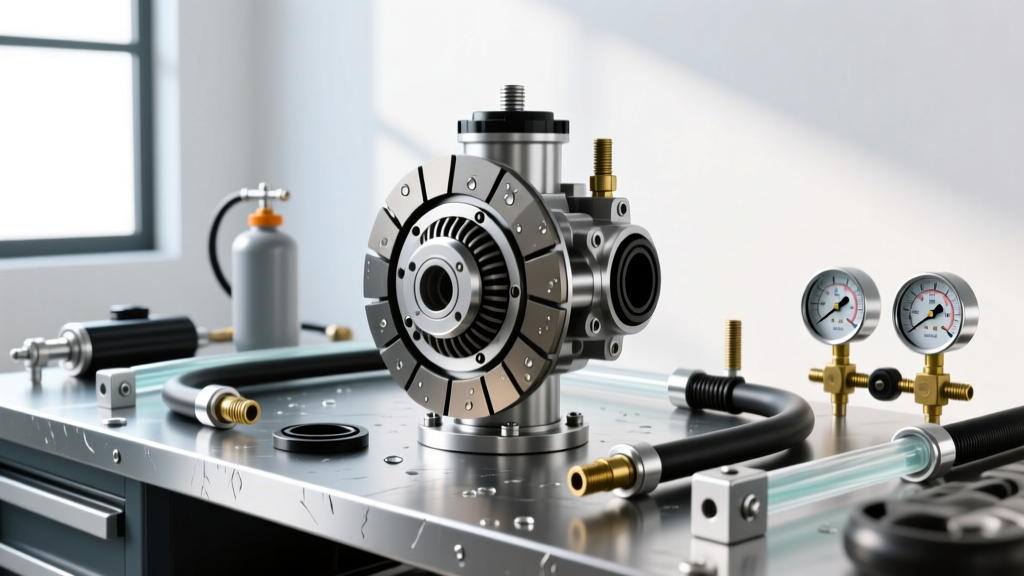
Why Performance Builds Demand Better Hydraulics
The Ford Ranger has evolved from a humble compact pickup into a dominant platform for off-road racing, desert prerunning, and high-horsepower street builds. As we move through 2026, the trend of swapping in high-output EcoBoost engines or supercharging the legacy 4.0L V6 and 2.3L Duratec motors continues to accelerate. However, when you increase engine output, you must also increase the clutch's clamping force to prevent slipping. This is where the hydraulic system becomes the critical bottleneck. A heavy-duty performance clutch from manufacturers like McLeod, South Bend, or Exedy requires significantly more hydraulic pressure and fluid volume to disengage properly. If you are stepping up to a multi-disc or high-clamp-load single-disc setup, a Ford Ranger clutch master cylinder replacement is not just an option—it is a mandatory step to ensure drivetrain reliability and drivability.
The Weak Link: Stock Ford Ranger Hydraulics Explained
To understand why an upgrade is necessary, we have to look at the factory components. For decades, Ford utilized plastic-bodied clutch master cylinders in the Ranger lineup (such as the infamous Motorcraft CM-138 and its Dorman equivalents for the 1998-2011 models). While these plastic units are cost-effective and perfectly adequate for the stock 1,800 lb clamp load of a factory pressure plate, they are notoriously fragile. Under the 2,500 to 3,200 lb clamp loads generated by performance pressure plates, the plastic housing can flex, crack, or develop micro-fractures near the firewall mounting flange.
Furthermore, the internal bypass ports and rubber seals in OEM units are not designed for the high-heat environments of off-road racing or the rapid pedal actuation required in drag racing. When the fluid boils or the seals bypass under high pressure, the pedal drops to the floor, leaving you stranded on the trail or stuck in gear at the starting line.
Understanding Bore Size and Hydraulic Ratio
Before purchasing parts, beginners must grasp the concept of hydraulic ratio. The clutch pedal acts as a lever, multiplying your foot's force. This force is then transferred to the master cylinder, which pushes fluid to the slave cylinder. The formula for hydraulic pressure is determined by the bore sizes of both cylinders. A smaller master cylinder bore increases line pressure but requires a longer pedal stroke. A larger bore decreases pressure but shortens the stroke. Most performance Ranger builds utilizing a Tremec TR-3450 or Magnum swap require a precise 0.75-inch bore master cylinder paired with an external 0.875-inch slave cylinder to achieve the optimal pedal feel and full disengagement without over-stroking the throwout bearing.
| Component Type | Material | Bore Size | Est. Cost (2026) | Best Application |
|---|---|---|---|---|
| OEM Motorcraft CM-138 | Plastic / Steel | 0.81" | $85 - $110 | Stock replacements, light towing |
| Wilwood CNC Aluminum | Forged Aluminum | 0.75" | $160 - $195 | Off-road racing, heavy-duty clutches |
| Tilton 78-Series | Billet Aluminum | 0.70" | $220 - $260 | Dedicated drag/track builds, quick shifts |
Step-by-Step: Ford Ranger Clutch Master Cylinder Replacement
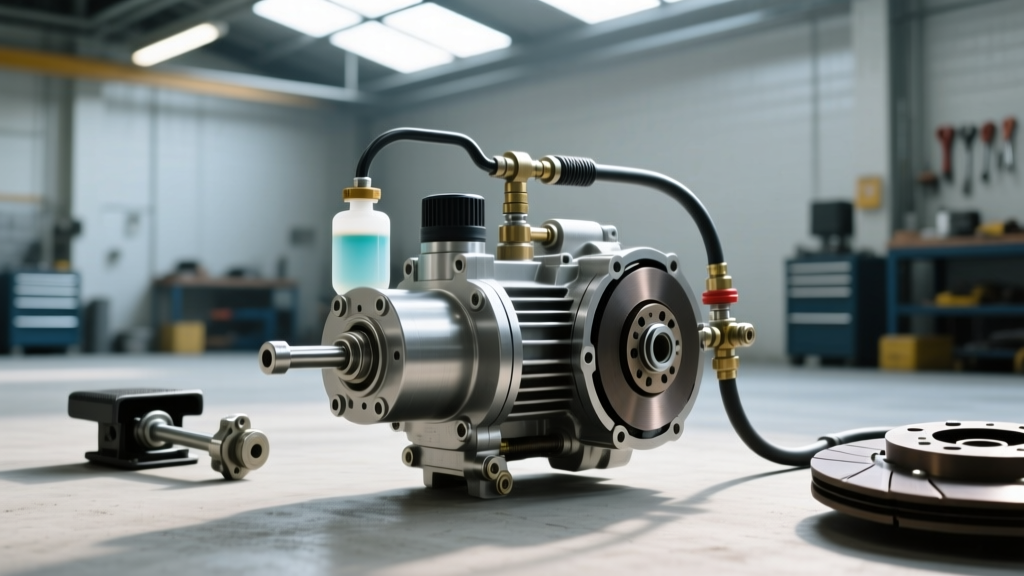
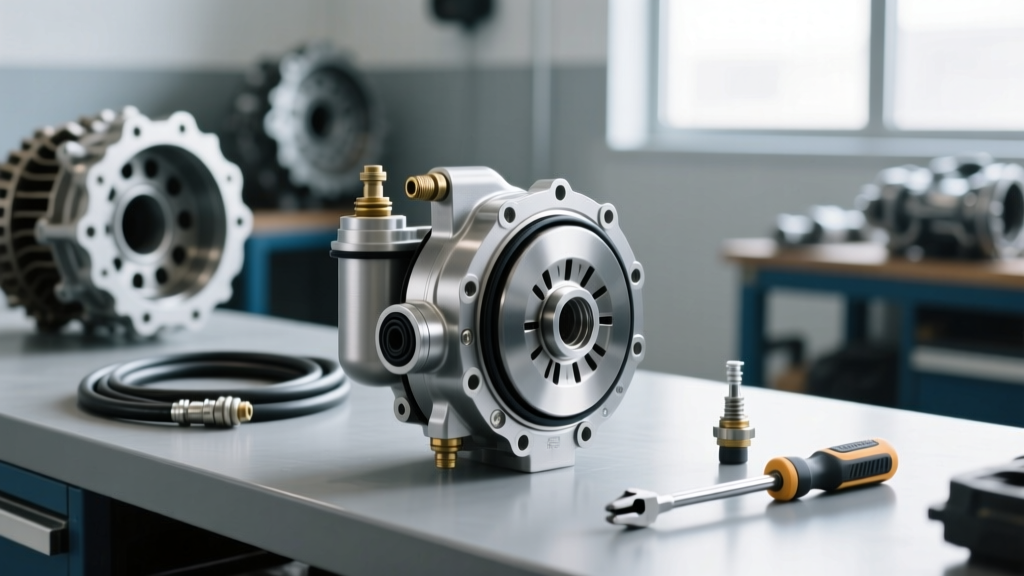
Executing a proper Ford Ranger clutch master cylinder replacement requires attention to detail, especially regarding pushrod length and firewall sealing. Below is a beginner-friendly roadmap to swapping your factory unit for a performance CNC aluminum master cylinder.
Tools and Parts Checklist
- Performance Master Cylinder (e.g., Wilwood P/N 260-1304 for 0.75" bore)
- DOT 4 High-Temp Racing Fluid (Motul RBF 600 or Castrol SRF)
- Flare nut wrench set (Metric 10mm, 12mm)
- Torque wrench (inch-pounds and foot-pounds)
- Custom adjustable pushrod (often required for aftermarket masters)
- Firewall weather-seal gasket material
Removal, Installation, and Torque Specs
Begin by extracting the old fluid using a turkey baster or fluid evacuator to prevent spills on the interior carpet, which is highly corrosive to adhesives. Under the dash, remove the retaining clip securing the master cylinder pushrod to the clutch pedal arm. Note the exact depth the factory pushrod sits in the piston; this is your baseline for adjustment.
Under the hood, use a 12mm flare nut wrench to disconnect the hydraulic hard line or flexible hose from the master cylinder. Cap the line immediately to prevent contamination. Remove the two or four mounting nuts securing the master cylinder to the firewall. The factory torque spec for these firewall nuts is typically 11 Nm (97 lb-in). Do not overtighten, especially if you are retaining a plastic unit, as the flange will snap.
When installing your new aluminum performance master, apply a bead of high-temp RTV silicone around the firewall opening to prevent exhaust fumes and water from entering the cabin. Thread the hard line fitting into the new master cylinder by hand to avoid cross-threading the aluminum threads, then torque to 15 Nm (11 lb-ft). Secure the firewall nuts to the specified 11 Nm.
The Critical Step: Pushrod Adjustment
According to technical guidelines from Wilwood Engineering, improper pushrod adjustment is the number one cause of premature throwout bearing failure in performance builds. There must be a slight amount of free play (typically 0.020" to 0.040") between the pushrod and the master cylinder piston when the pedal is fully released. If the pushrod is too long, it will hold the master cylinder piston slightly depressed, blocking the internal compensation port. This traps pressure in the line, causing the clutch to drag and the throwout bearing to spin continuously against the pressure plate fingers, leading to catastrophic failure within a few hundred miles.
Bleeding and Fluid Selection for High-Heat Environments
Performance driving generates immense heat in the bellhousing, which transfers directly to the slave cylinder and hydraulic fluid. Standard DOT 3 fluid found in grocery store auto aisles has a dry boiling point of roughly 401°F (205°C). In a heavily abused Ranger, bellhousing temperatures can easily exceed this, causing the fluid to vaporize and the pedal to go spongy.
For any performance application, you must upgrade to a high-performance DOT 4 or DOT 5.1 fluid. Products like Motul RBF 600 offer a dry boiling point of 617°F (325°C) and a wet boiling point of 421°F (216°C). This margin of safety is critical for desert racing or heavy towing in mountainous terrain.
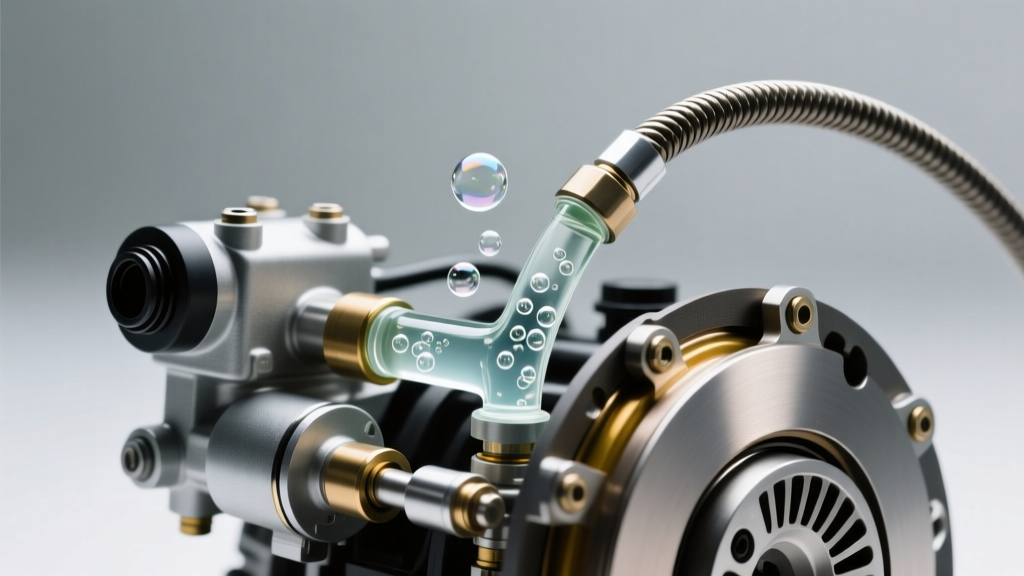
To bleed the system, use a pressure bleeder set to 15 PSI. Crack the bleeder screw on the slave cylinder and allow the fluid to flow until it is completely free of micro-bubbles. Because performance master cylinders often have a faster fluid displacement rate, you may need to cycle the pedal 30 to 40 times to fully purge the air from the remote slave cylinder lines commonly found in Ranger transmission swaps.
Troubleshooting Common Performance Clutch Issues
Even with a flawless installation, high-performance drivetrains can present unique challenges. Here is a quick diagnostic framework for post-installation issues:
- Clutch Dragging / Hard to Shift: Check for air in the system, or verify that the master cylinder bore is not too large for the slave cylinder, resulting in insufficient stroke volume to fully retract the pressure plate fingers.
- Pedal Returning Slowly: The return spring on the clutch pedal may be insufficient for the high-pressure seals of a CNC master cylinder. Install a heavy-duty pedal assist spring.
- Fluid Leaking at Firewall: The hard line flare may be scratched or deformed from the old plastic master. Always inspect and, if necessary, re-flare or replace the hard line when upgrading to an aluminum master cylinder.
Expert Drivetrain Tip: When pairing a high-clamp-load clutch with a Tremec or Getrag manual transmission swap in your Ranger, always verify the bellhousing runout. A misaligned bellhousing will cause the slave cylinder to bind on the transmission input shaft collar, mimicking the symptoms of a failing hydraulic master cylinder.
Upgrading your hydraulic system transforms the driving experience of a modified truck. By replacing the weak factory components with precision-machined aluminum alternatives and adhering to strict torque and adjustment specifications, you ensure that your Ford Ranger can handle the power you put to the ground, whether on the Baja trails or the drag strip.