The Evolution of the Predator 212 Drivetrain
The Predator 212cc engine platform—encompassing both the Hemi (69730) and Non-Hemi (69727) variants—has completely dominated the minibike, go-kart, and junior dragster communities. However, the moment you move past a basic air filter and exhaust upgrade into Stage 2 or Stage 4 performance territory, the factory drivetrain components become a severe bottleneck. When a modified Predator 212 pushes past 12 horsepower and 15 lb-ft of torque, the stock centrifugal clutch shoes will glaze, slip, and ultimately disintegrate under the thermal load.
Selecting the correct Predator 212 clutch kit requires a deep, technical understanding of clutch disc types, friction shoe metallurgy, and CVT drive plate compositions. Whether you are running a traditional shoe-and-drum centrifugal setup or a continuously variable transmission (CVT) torque converter, the friction materials dictate your launch characteristics, heat dissipation, and overall drivetrain longevity. In this 2026 model-specific repair and upgrade guide, we break down the exact friction materials used in high-performance small-engine clutches and how to match them to your specific build.
Centrifugal vs. CVT: Defining the 'Clutch Disc' in Small Engines
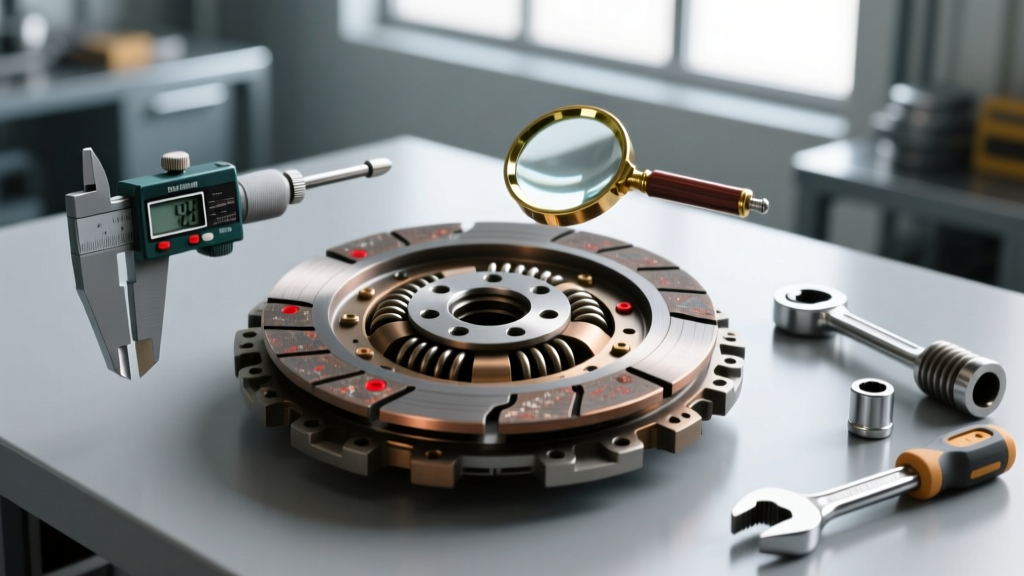
Before analyzing friction materials, we must clarify terminology. In automotive applications, a clutch disc is a splined friction plate sandwiched between a flywheel and pressure plate. In the Predator 212 ecosystem, 'clutch discs' refer to two distinct components depending on your drivetrain configuration:
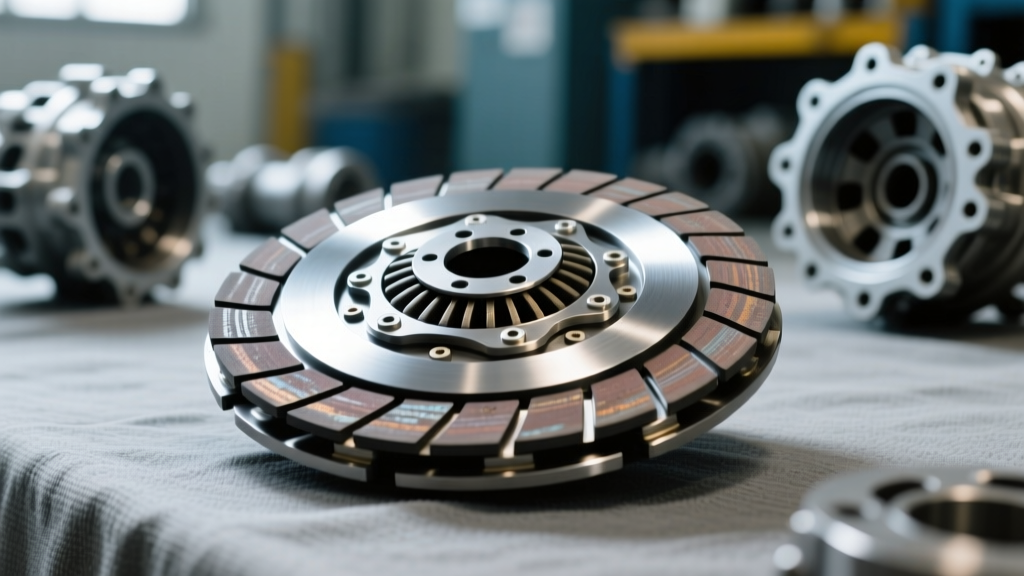
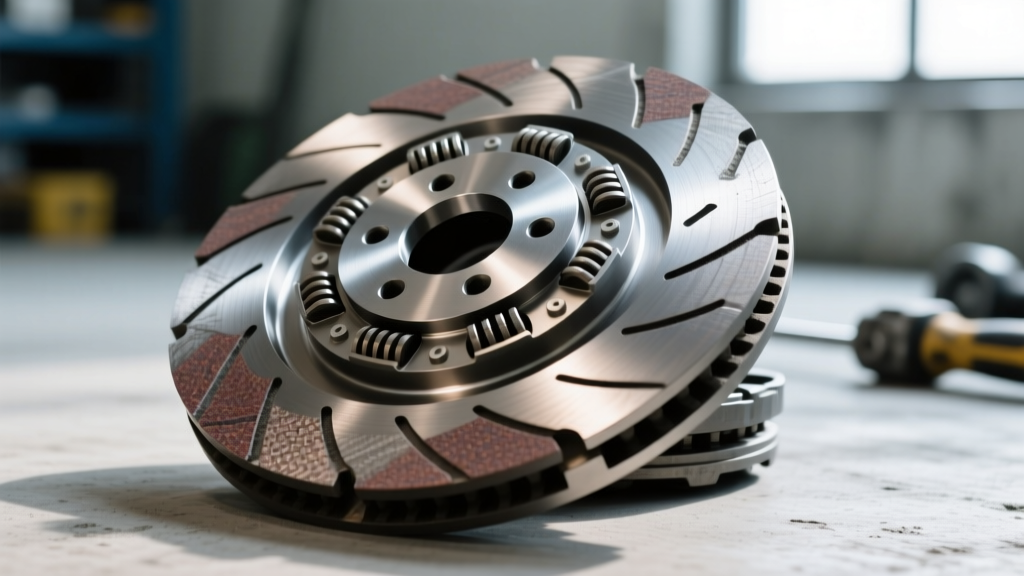
- Centrifugal Clutch Shoes (Pucks/Discs): The replaceable friction pads bonded or riveted to the weighted shoes inside a clutch drum (e.g., the Hilliard Extreme Duty or Max-Torque series).
- CVT Drive/Driven Plates: In torque converters like the Comet TAV2, the movable sheaves (plates) rely on specialized elastomeric coatings and precise machining to grip the drive belt, while internal multi-disc wet clutches are sometimes used in advanced racing karts to manage slip.
For the purpose of this guide, we will focus primarily on the friction shoes and specialized multi-disc materials that directly interface with the clutch drum or sprocket assembly, as these are the primary wear items in a Predator 212 clutch kit.
Friction Material Metallurgy and Composites
The friction coefficient (μ) and thermal degradation threshold of your clutch shoes will determine whether your kart launches aggressively off the line or bogs down and burns the clutch. Here is a deep dive into the materials available in the 2026 aftermarket.
1. Organic (Asbestos-Free) Friction Shoes
Organic friction materials are composed of a resin binder mixed with fiberglass, Kevlar pulp, and metallic powders. These are the standard shoes found in $35 to $45 entry-level Predator 212 clutch kits. They offer a smooth, progressive engagement and are gentle on the cast-iron or steel clutch drum.
The Limitation: Organic shoes suffer from severe thermal fade. Once the friction surface exceeds 400°F (204°C), the resin binder begins to outgas and glaze. If you are running a modified camshaft (like a DynoCams 265) that requires a higher engagement RPM, organic shoes will slip during the extended engagement phase, leading to rapid destruction.
2. Sintered Bronze and Iron Composites
For high-horsepower builds (15+ HP) and heavy racing karts, sintered metallic shoes are the gold standard. Sintering involves compressing metallic powders (bronze, copper, iron) under extreme heat and pressure to form a porous, highly durable friction disc. Iron-based sintered shoes offer an aggressive bite and can withstand localized surface temperatures exceeding 800°F (426°C) without glazing.
Expert Insight: Sintered iron shoes are notoriously aggressive. If paired with a lightweight aluminum clutch drum, they will machine the drum away like a lathe tool. Always pair sintered iron friction discs with a hardened steel or heavy-duty cast-iron drum to prevent catastrophic wear.
3. Carbon-Kevlar Hybrids
Carbon-Kevlar composite shoes represent the premium tier of centrifugal clutch friction materials. By weaving carbon fibers into a Kevlar matrix, manufacturers achieve a high friction coefficient (μ = 0.45 - 0.55) with exceptional thermal stability. These discs provide the aggressive bite of sintered iron but with a slightly more progressive engagement, reducing the shock load on the Predator 212's output shaft bearings and the rear axle chain.
4. Polyurethane and Elastomeric Drive Plates (CVT Applications)
If your Predator 212 clutch kit is actually a CVT torque converter (such as the 30-series or 40-series Comet units), the 'friction' is managed by the belt gripping the machined aluminum drive plates. However, the internal sliding components and dampening plates utilize polyurethane elastomers. These are rated by Shore A Durometer. Standard kits use 85A durometer bushings, but high-torque 212 builds require upgrading to 95A durometer polyurethane plates to prevent shearing under hard acceleration.
Material Comparison Data Matrix (2026 Market)
| Material Type | Friction Coeff. (μ) | Max Temp Threshold | Ideal Engagement RPM | Avg. Kit Cost (2026) |
|---|---|---|---|---|
| Organic (Stock) | 0.30 - 0.35 | 400°F (204°C) | 2,000 - 2,300 RPM | $35 - $50 |
| Sintered Bronze | 0.38 - 0.42 | 650°F (343°C) | 2,800 - 3,200 RPM | $85 - $110 |
| Sintered Iron | 0.45 - 0.50 | 850°F (454°C) | 3,500+ RPM (Racing) | $120 - $150 |
| Carbon-Kevlar | 0.48 - 0.55 | 750°F (398°C) | 3,000 - 3,800 RPM | $140 - $180 |
Model-Specific Installation and Torque Specifications
Upgrading to a high-performance Predator 212 clutch kit is only half the battle; proper installation is critical to prevent the clutch from spinning on the crankshaft, which will destroy the keyway and ruin the crankshaft. The Predator 212 features a standard 3/4-inch (19.05mm) PTO crankshaft diameter with a 3/16-inch keyway.
Crankshaft Preparation and Keyway Alignment
- Clean the PTO Shaft: Use acetone and a lint-free cloth to remove all oil, grease, and anti-corrosion coatings from the crankshaft. The fitment should be a snug slip-fit. If the aftermarket clutch slides on with zero resistance, the crankshaft is worn, and you must use a crankshaft saver sleeve or replace the crank.
- Install the Woodruff/Straight Key: Use a high-carbon steel 3/16-inch straight key. Tap it gently into the crankshaft slot using a brass drift to avoid mushrooming the metal.
- Anti-Seize Application: Apply a very thin layer of copper anti-seize to the outside of the crankshaft to prevent the clutch hub from galvanically welding itself to the steel crank over time. Keep anti-seize away from the keyway.
Retaining Bolt Torque Specs
The Predator 212 crankshaft PTO side is typically tapped for an M8 x 1.25mm retaining bolt (though some early non-Hemi variants and specialized racing cranks may use a 5/16-24 UNF thread). Always use a high-grade (Class 10.9 or Grade 8) flange bolt with a hardened flat washer.
- Thread Locker: Apply medium-strength thread locker (e.g., Loctite 243) to the bolt threads.
- Torque Specification: Torque the M8 retaining bolt to 18 ft-lbs (24 Nm). Do not exceed 22 ft-lbs, as you risk stripping the threads out of the relatively soft cast crankshaft or aftermarket billet crank.
- Clutch Drum to Sprocket: If using a detachable sprocket drum, torque the sprocket mounting nuts to 12-15 ft-lbs using blue Loctite.
Troubleshooting Premature Disc and Shoe Wear
Even with premium carbon-Kevlar or sintered materials, a Predator 212 clutch kit can fail prematurely if the supporting drivetrain parameters are incorrect. Here are the most common failure modes we see in the shop:
1. Thermal Glazing and Spring Fatigue
If your clutch engages at 2,200 RPM but your engine's powerband doesn't peak until 6,500 RPM, the clutch will slip for an extended duration during every launch. This slip generates immense heat, glazing even the best sintered shoes. The Fix: Swap the internal clutch springs. Upgrading from stock 2200 RPM springs to 3500 RPM or 4500 RPM springs ensures the clutch locks up closer to the engine's powerband, drastically reducing slip time and heat generation.
2. Chain Alignment and Side-Loading
A misaligned rear axle sprocket relative to the clutch drum will cause the chain to pull the clutch drum laterally. This side-load forces the friction shoes to drag unevenly against the drum wall, leading to tapered shoe wear and eventual shoe detachment. Always use a laser alignment tool or a precise straight-edge to ensure the clutch drum and rear sprocket are perfectly coplanar within 0.020 inches.
3. Inadequate Drum Cooling
Enclosed chain guards look great on a custom minibike, but they trap heat. A steel clutch drum acts as a heat sink, pulling thermal energy away from the friction discs. If the drum is enclosed, heat saturates the shoes. Ensure your chain guard has adequate ventilation slots, or drill 1/8-inch cooling holes in the side plate of the clutch drum to promote convective airflow.
Sourcing and Final Recommendations
When sourcing components for your build, avoid unbranded, ultra-cheap clutch kits found on generic marketplaces. The metallurgy of the shoes and the hardness of the internal bushings are often substandard, leading to catastrophic failure at high RPMs. Reputable suppliers like BMI Karts and ARC Racing carry verified, high-quality drivetrain components specifically tested for the Predator 212 platform.
For a daily-driven minibike or trail kart producing 8-10 HP, a high-quality organic shoe kit with upgraded 2800 RPM springs offers the best balance of cost, longevity, and smooth engagement. For dedicated racing karts running methanol, billet rods, and 18+ HP, invest in a sintered iron or carbon-Kevlar clutch kit paired with a hardened steel drum and a 4500 RPM spring setup. By matching the friction material to your specific horsepower and engagement requirements, you will ensure that every ounce of the Predator 212's power is effectively transferred to the rear tires.