The Architecture Divide: Torque Converters vs. Dual Wet Clutches
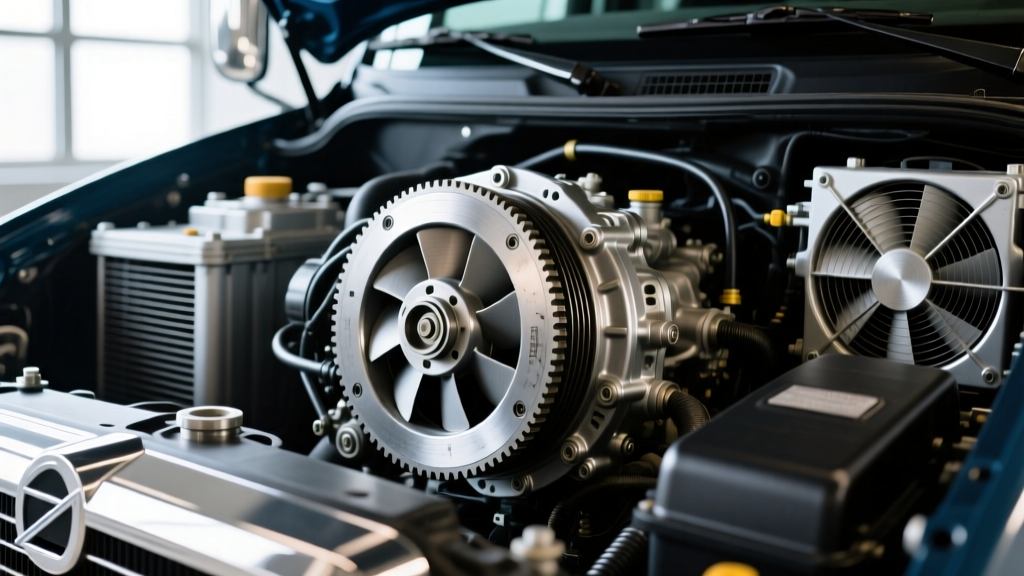
When evaluating luxury and sports cars on the used market, consumers often group any vehicle without a manual clutch pedal into the 'automatic' category. However, from a diagnostic and mechanical standpoint, the clutch problems in automatic transmissions vary wildly depending on the architecture. Traditional planetary automatics rely on a torque converter and internal wet clutch packs, while the Porsche dual clutch transmission (PDK) utilizes two independent wet clutches and a complex mechatronic control unit. As we navigate the 2026 used car market, understanding the distinct failure modes, diagnostic procedures, and replacement costs between these two systems is critical for buyers, technicians, and enthusiasts alike.
Diagnosing Clutch Problems in Traditional Automatics
Traditional automatics, such as the ubiquitous ZF 8HP70 found in countless BMW, Audi, and Jaguar models, or the GM 6L80, utilize a hydraulic torque converter to multiply engine torque and manage low-speed creeping. Inside the transmission housing, multiple wet clutch packs engage and disengage to shift through planetary gear sets.
Torque Converter Clutch (TCC) Shudder
The most common 'clutch' problem in a traditional automatic is not the internal gear clutches, but the Torque Converter Clutch (TCC). The TCC is a friction disc inside the torque converter that locks the engine to the transmission input shaft at cruising speeds to eliminate slip and improve fuel economy. When the TCC friction material degrades, or when the transmission fluid loses its friction-modifying properties, drivers experience a rhythmic shudder, typically between 35 and 50 mph under light throttle. While a simple fluid exchange using ZF LifeguardFluid 8 or Dexron VI can sometimes resolve early-stage shudder, severe cases require dropping the transmission and replacing the torque converter—a labor-intensive job costing between $1,800 and $2,500 at an independent shop.
Internal Clutch Pack Wear and Wave Plate Failure
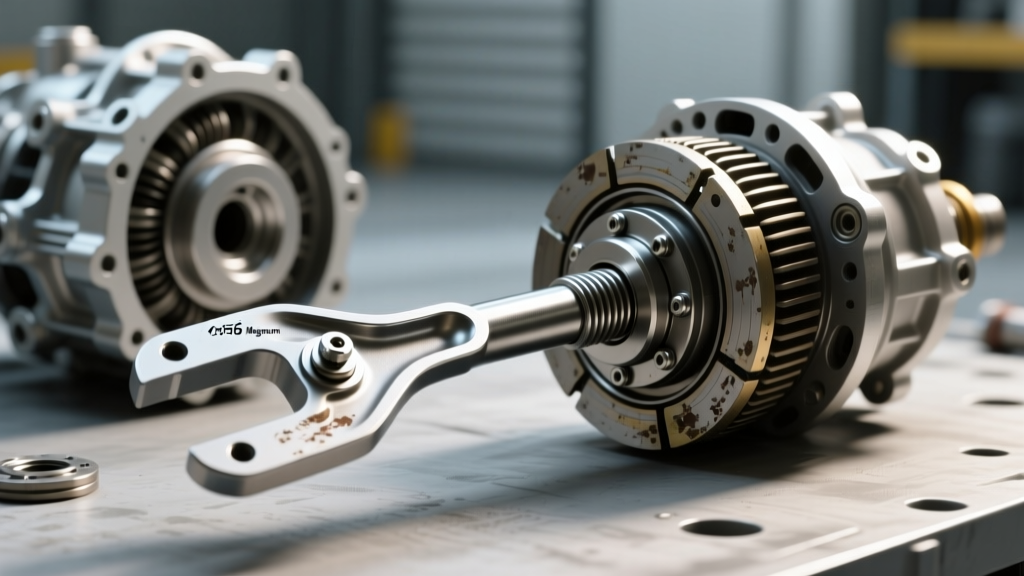
Internal clutch packs in traditional automatics generally last well over 150,000 miles if fluid is changed every 60,000 miles. However, specific models suffer from known mechanical flaws. The GM 6L80, for example, is notorious for the premature failure of the 3-5-R clutch wave plate. When this thin metal plate fractures, it sends metal shavings throughout the valve body and destroys the reverse and third-gear clutch packs, resulting in a sudden loss of reverse and harsh forward shifts. Diagnosing this requires a hydraulic pressure test and a pan inspection for metallic debris.
Porsche Dual Clutch Transmission (PDK) Clutch Diagnostics
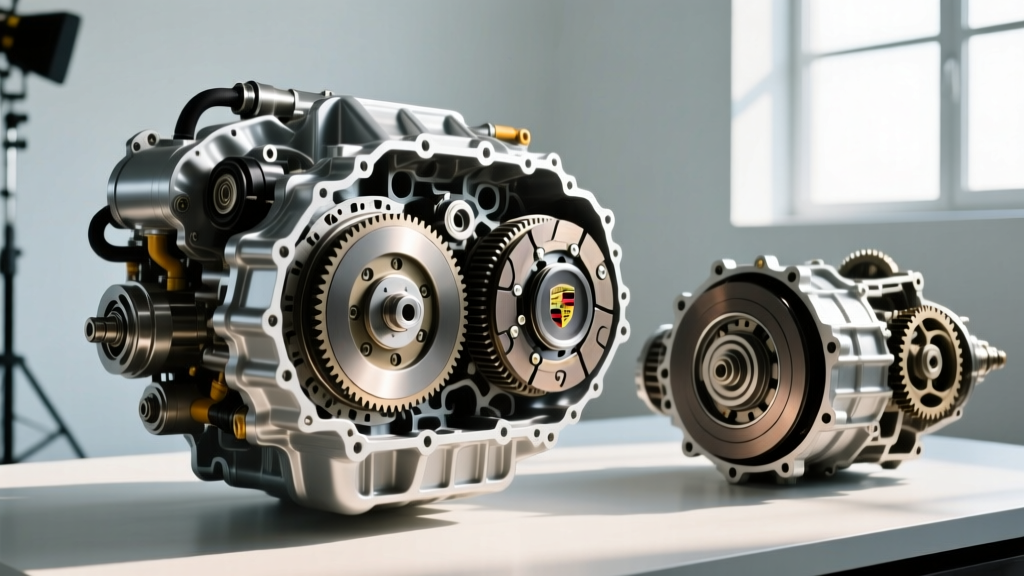
The Porsche dual clutch transmission, primarily the ZF 7DT-75 (7-speed) and the newer 8DT (8-speed), eliminates the torque converter entirely. Instead, it uses two wet multi-plate clutches: K1 controls the odd gears (1, 3, 5, 7) and K2 controls the even gears (2, 4, 6, 8). Because the PDK is essentially two manual transmissions in one housing, operated by an electro-hydraulic mechatronic unit, its clutch problems manifest very differently.
Low-Speed Shudder and Clutch Drag
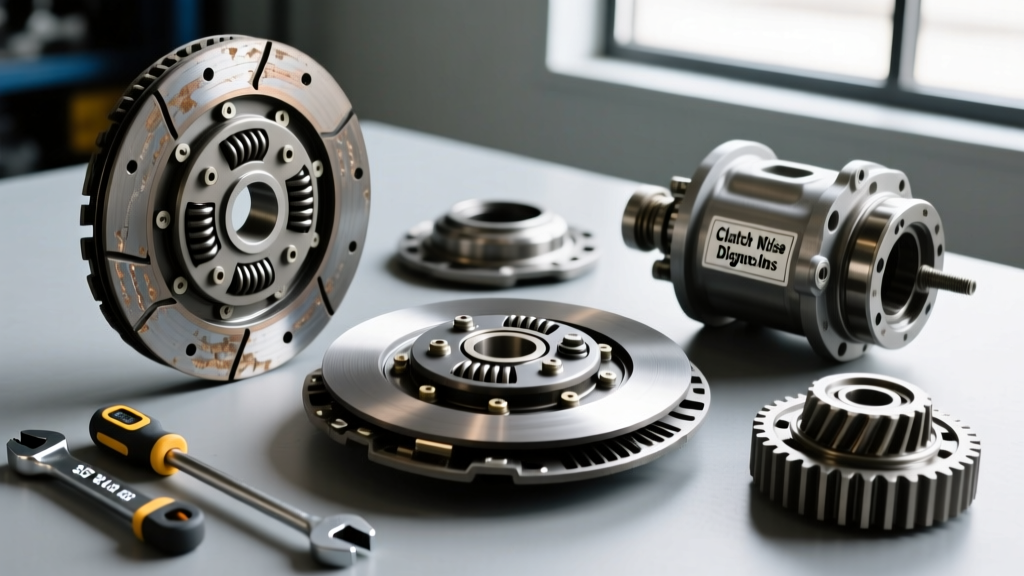
Unlike the highway-speed TCC shudder of a traditional automatic, PDK clutch shudder occurs at low speeds, typically when creeping in traffic or pulling away from a stoplight. This happens when the friction surfaces of the K1 or K2 clutch packs become glazed, or when the clutch drag torque adaptation values fall outside the acceptable parameters. The mechatronic unit constantly attempts to recalibrate the clutch bite points; once it hits its software adaptation limits, the dashboard will illuminate a 'Gearbox Fault' warning and limit engine torque to protect the hardware.
Mechatronic and Position Sensor Failures
A massive percentage of PDK 'clutch' issues are actually hydraulic control failures. The mechatronic unit houses the solenoids and shift forks that actuate the clutches. If a shift fork position sensor fails, or if the hydraulic pressure solenoids wear out from contaminated fluid, the PDK will experience harsh 2-3 shifts, hesitation on downshifts, or sudden neutral drops. According to technical discussions on Rennlist technical forums, replacing a single faulty distance sensor or solenoid requires specialized tools and a complete fluid flush using the exact OEM specification, such as Pentosin FFL-3 for the 7-speed or FFL-4 for the 8-speed PDK.
Symptom Cross-Reference: PDK vs. Traditional Automatic
| Symptom | Traditional Automatic (e.g., ZF 8HP) | Porsche Dual Clutch Transmission (PDK) |
|---|---|---|
| Highway Shudder (40-60 mph) | Torque Converter Clutch (TCC) slip or worn friction material. | Rare; usually indicates driveline or CV axle issues, not internal clutches. |
| Low-Speed Creeping Shudder | Normal torque converter operation; rarely shudders unless severely damaged. | K1/K2 clutch pack glazing or mechatronic adaptation failure. |
| Harsh 2-3 or 3-4 Shifts | Valve body bore wear or degraded adaptive shift learning. | Worn shift forks, failing distance sensors, or mechatronic solenoid fatigue. |
| Delayed Engagement (R to D) | Worn forward clutch pack or low line pressure. | Clutch drag torque limit exceeded; requires PIWIS recalibration or clutch replacement. |
| Sudden Neutral / Limp Mode | Internal seal blowout or catastrophic planetary gear failure. | Mechatronic failure, position sensor fault, or clutch pack disintegration. |
2026 Buyer's Guide: Maintenance, Costs, and Real-World Pricing
If you are cross-shopping a used Porsche 911 (991.2 or 992 generation) against a similarly priced BMW M4 or Audi R8, the transmission maintenance profile must factor into your total cost of ownership. The ZF dual clutch engineering is brilliant, but it is not maintenance-free.
- PDK Fluid Service: Porsche officially recommends PDK fluid changes every 60,000 miles (or 120,000 km). The 7-speed PDK holds approximately 8.5 liters of Pentosin FFL-3. A proper service requires a new transmission pan (the filter is integrated into the plastic pan), a new seal, and a PIWIS software reset to clear the fluid degradation counter. Expect to pay between $800 and $1,200 at an independent specialist. Pan bolt torque spec is strictly 10 Nm to avoid cracking the magnesium/aluminum casing.
- PDK Clutch Pack Replacement: If the K1 or K2 clutch packs are physically worn out (common on heavily tracked 911 Turbos or GT models), the transmission must be removed and split. The OEM ZF clutch basket assembly costs roughly $2,500 to $3,500 in parts alone. With specialized alignment tools, labor, and new dual-clutch fluid, a complete PDK clutch replacement ranges from $5,500 to $8,500 in 2026.
- Traditional Auto Rebuild (ZF 8HP): Conversely, if a ZF 8HP70 in a competing luxury car suffers internal clutch pack failure, a full remanufactured rebuild with upgraded clutch steels and a new torque converter typically costs between $3,500 and $4,800. The ZF unit is generally more forgiving of neglected fluid changes than the highly sensitive PDK mechatronic unit.
The Pre-Purchase Inspection (PPI): PIWIS Data You Must Check
Never buy a used Porsche with a PDK without a dealer-level diagnostic scan. A standard OBD2 scanner will not reveal the health of the dual clutches. Your PPI technician must connect a Porsche PIWIS (Porsche Integrated Workshop Information System) tester to pull the actual clutch wear data.
Expert Diagnostic Tip: In the PIWIS transmission control module, navigate to the 'Actual Values' and 'Clutch Adaptations' menus. You are looking for the 'Clutch Drag Torque' and 'Adaptation Limit' parameters. If the adaptation values for K1 or K2 are hovering near their maximum software limits, the physical clutch packs are nearing the end of their friction material life, and a $7,000 replacement is looming, even if the car drives perfectly during a 10-minute test drive.
Furthermore, check the 'Mechatronic Operating Hours' and 'Temperature History.' If the PDK fluid temperatures have frequently exceeded 135°C (275°F) during track days, the mechatronic solenoids and internal seals may have suffered heat fatigue, leading to intermittent pressure drops that won't trigger a check engine light until they catastrophically fail.
Final Verdict for the Enthusiast Buyer
Clutch problems in automatic transmissions are an inevitability of high-performance driving, but they manifest differently across architectures. Traditional automatics suffer from torque converter shudder and slow hydraulic degradation, offering a relatively forgiving and cheaper repair path. The Porsche dual clutch transmission delivers unparalleled shift speeds and direct power delivery, but its clutch systems are highly sensitive to fluid condition, thermal abuse, and mechatronic health. By understanding the specific diagnostic parameters and adhering strictly to 30,000-mile fluid intervals for tracked vehicles, buyers can confidently navigate the used market and avoid catastrophic drivetrain expenses.