The Transaxle vs. PVT Distinction: A Crucial Clarification
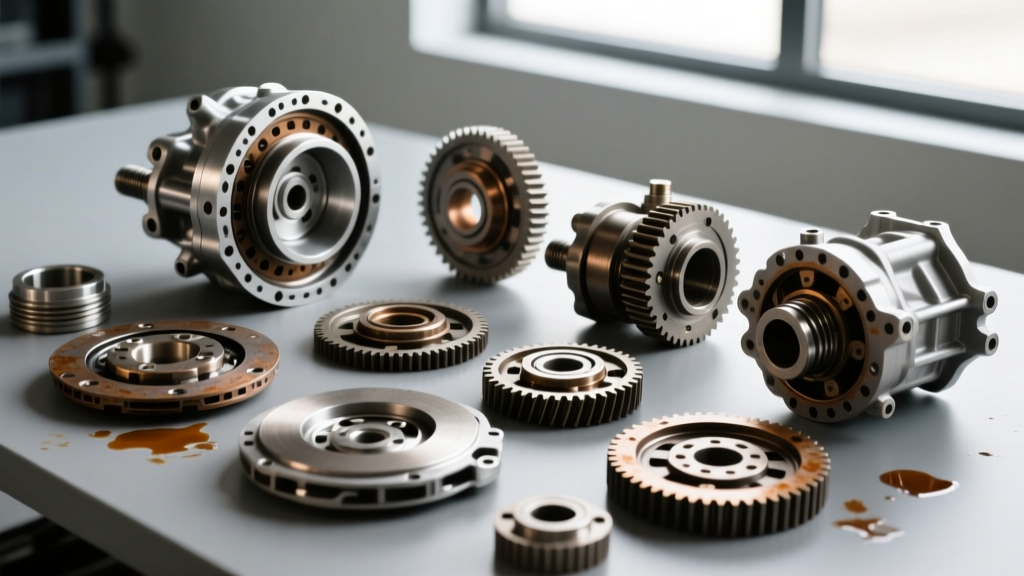
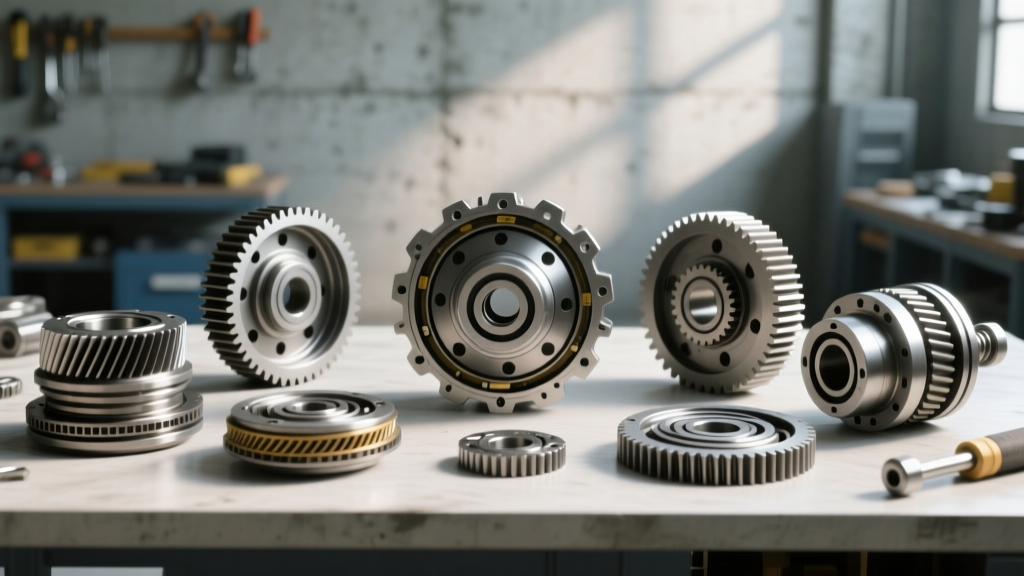
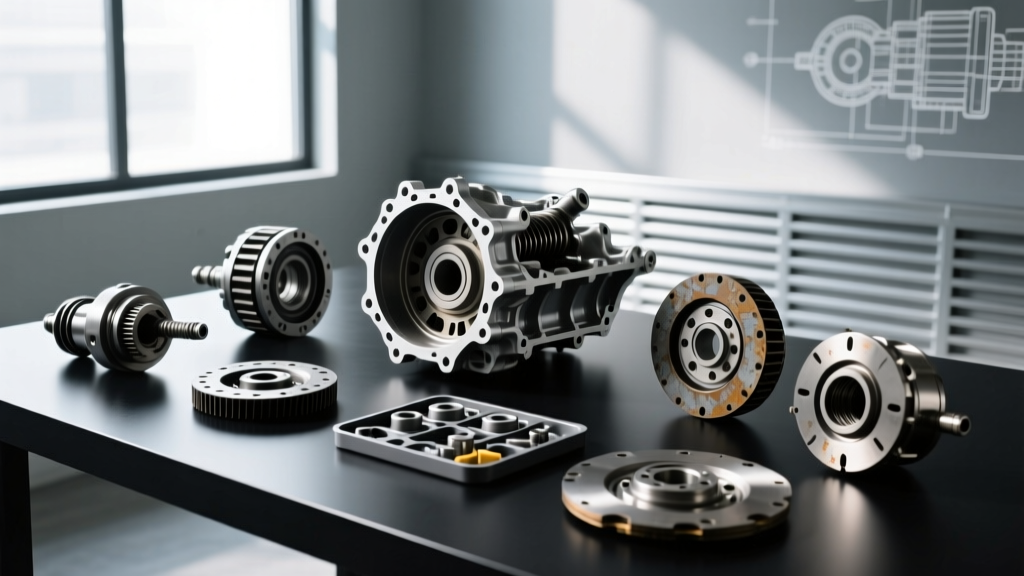
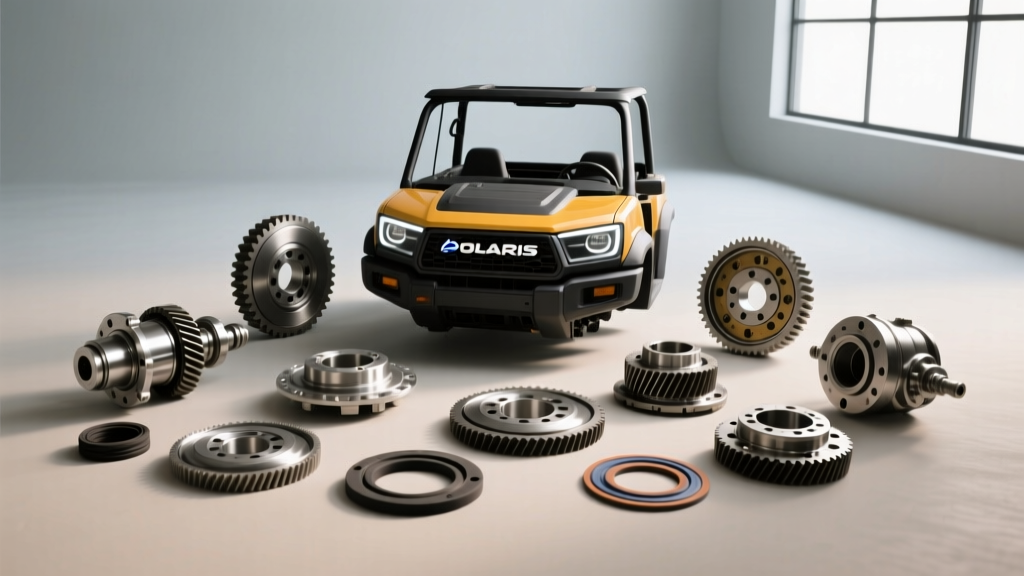
Before diving into costs and coverage, we must address a common point of confusion in the UTV community. When enthusiasts and mechanics discuss the drivetrain of a Polaris Ranger (such as the 900, 1000 XP, or 570 models), the term 'transmission' is frequently misused. The Ranger utilizes a Continuously Variable Transmission (CVT), officially termed the Polaris Variable Transmission (PVT), which consists of a primary clutch, secondary clutch, and drive belt. However, when you are specifically shopping for a polaris ranger transmission rebuild kit, you are actually targeting the rear transaxle (the geared gearbox that houses the differential, output shafts, and drive bearings).
Understanding this distinction is critical for both your wallet and your warranty. PVT maintenance involves clutch rebuilding and belt replacement, while the transaxle requires specialized bearing kits, seals, and heavy-duty gear lubricants. As we navigate the 2026 UTV season, work-site operators and trail riders are pushing these transaxles harder than ever, making preventive maintenance and warranty comprehension more important than ever.
Diagnostic Triage: Do You Actually Need a Rebuild Kit?
Shops will not honor a warranty if the wrong repair was performed. Before purchasing a kit or authorizing a professional rebuild, verify your symptoms:
- High-Pitched Whining or Grinding: This indicates failing tapered roller bearings or needle bearings inside the transaxle. A rebuild kit containing new bearings and seals will solve this.
- Clunking or Popping Under Load: This usually points to worn dog gears, a damaged shift fork, or failing CV joints on the axle shafts. A standard bearing/seal rebuild kit will not fix this, and a shop will deny a warranty claim if you misdiagnose the issue.
- Fluid Leaks at the Axle Seals: Often mistaken for a full internal failure. Sometimes, a simple axle seal replacement (included in most kits) is all that is required, provided the bearing has not wallowed out the seal bore.
Cost Breakdown: Polaris Ranger Transmission Rebuild Kit vs. Professional Service
The financial decision between a DIY approach and a professional rebuild hinges on your mechanical aptitude and your need for a labor warranty. Professional UTV shops typically charge between $85 and $125 per hour for transaxle teardowns, which require specialized bearing pullers, hydraulic presses, and precise shim measurements.
| Repair Route | Estimated Parts Cost | Estimated Labor Cost | Warranty Coverage |
|---|---|---|---|
| OEM Polaris Transaxle Kit | $180 - $260 | $0 (DIY) | Parts Only (90 Days) |
| Aftermarket Kit (e.g., All Balls Racing) | $90 - $140 | $0 (DIY) | Parts Only (1 Year) |
| Professional Shop Rebuild (OEM Parts) | $180 - $260 | $450 - $750 | 6 to 12 Months (Parts & Labor) |
Decoding the Professional Transmission Rebuild Warranty
If you opt for a professional shop rebuild, you are paying a premium for the labor warranty. However, UTV transaxle warranties are notoriously strict due to the extreme abuse these vehicles endure. A standard 6-month or 12-month warranty will quickly become void if the shop identifies operator negligence or unauthorized modifications.
The 'Oversized Tire' Clause
This is the number one reason UTV transaxle warranties are denied in 2026. Installing 30-inch or 32-inch mud tires on a Ranger without installing an aftermarket gear reduction kit (such as a High Lifter or SuperATV portal gear drop) places immense rotational mass and leverage on the transaxle output bearings. If a shop tears down your warranty-claimed transaxle and finds shattered output bearings paired with massive aftermarket tires, your claim will be denied. The stock gearing was not engineered for that rotational inertia.
Water Intrusion and Breather Mods
Polaris Rangers come from the factory with a transaxle breather tube routed relatively low. If you ford water deeper than 12 inches, the sudden temperature drop of the hot transaxle housing creates a vacuum, sucking water and mud past the axle seals. Water-contaminated AGL fluid turns into a milky, abrasive paste that destroys bearings in under 50 miles. Most professional warranties explicitly state that water intrusion voids coverage. To protect your investment, routing the breather tube up into the engine bay or cab is a mandatory preventive measure.
Preventive Maintenance: Protecting Your Rebuild Investment
Whether you installed the kit yourself or paid a professional, strict adherence to preventive maintenance is required to maximize the lifespan of the new bearings and seals. The transaxle operates under high thermal loads, especially when towing or climbing.
1. Fluid Specifications and Intervals
The rear transaxle requires Polaris AGL (All Gear Lubricant) or an exact synthetic equivalent meeting the manufacturer's specification. Do not use standard automotive 80W-90 gear oil; the friction modifiers required for the internal components are specific to AGL.
- Capacity: Typically 32 oz (1 Quart) for most Ranger 900/1000 models, but always verify via the dipstick/fill hole.
- Break-in Change: If you just rebuilt the transaxle, drain and replace the AGL fluid after the first 25 hours of operation to remove microscopic metal shavings from the new bearings seating.
- Standard Interval: Every 4,000 miles or 6 months, whichever comes first.
2. PVT Belt Deflection and Clutch Alignment
How does the CVT belt affect the transaxle warranty? If your secondary clutch spring is worn or your belt is stretched, the belt deflection becomes too loose. This causes the belt to slip and grab violently, sending severe harmonic shock loads directly down the input shaft of the transaxle. This shock loading will crack the inner race of the input bearing. Furthermore, if your engine mounts are worn and the clutches are out of laser alignment, the resulting side-load will destroy the transaxle input seal. Checking belt deflection (usually 1/4 to 1/2 inch of free play depending on the exact model year) is a vital transaxle preservation step.
3. Torque Specifications for Reassembly
If you are utilizing a DIY kit, improper torque will void any parts warranty the manufacturer might offer.
- Transaxle Drain/Fill Plugs: 10 to 14 ft-lbs. Over-torquing will crack the magnesium or aluminum casing.
- Rear Axle Castle Nuts: Typically 80 to 100 ft-lbs (consult your specific year's service manual). Always use a new cotter pin and align the castellations properly to prevent axle wobble, which destroys the newly installed axle seals.
- Primary Clutch Retaining Bolt: ~55-60 ft-lbs with Blue Loctite 243. A loose clutch bolt causes misalignment and subsequent transaxle input shaft damage.
Sourcing the Right Components: OEM vs. Aftermarket
When selecting your components, you generally have two reliable paths. The Polaris OEM Parts Catalog offers factory-spec bearing and seal kits. These are guaranteed to fit and meet original engineering tolerances, but they carry a premium price tag. Alternatively, aftermarket manufacturers like All Balls Racing offer comprehensive transaxle rebuild kits that often include upgraded, heavy-duty sealed bearings and high-temperature viton seals. For operators who frequently ride in deep mud or dusty environments, these aftermarket kits can sometimes provide superior longevity compared to the OEM paper-thin seals, provided they are installed with a hydraulic press and proper bearing drivers.
Conclusion: Weighing the Warranty Value
Ultimately, the decision between a DIY rebuild and a professional service depends on your tooling and risk tolerance. A professional shop provides a labor warranty that protects you against premature bearing failure or assembly errors. However, that warranty is entirely contingent upon your commitment to preventive maintenance: running stock-sized tires (or proper gear reductions), keeping water out of the breather, and maintaining strict AGL fluid intervals. By treating your transaxle as a precision instrument rather than an indestructible gearbox, you ensure that your rebuild investment lasts for thousands of trail miles.