The Real Performance Torque Converter Price to Replace
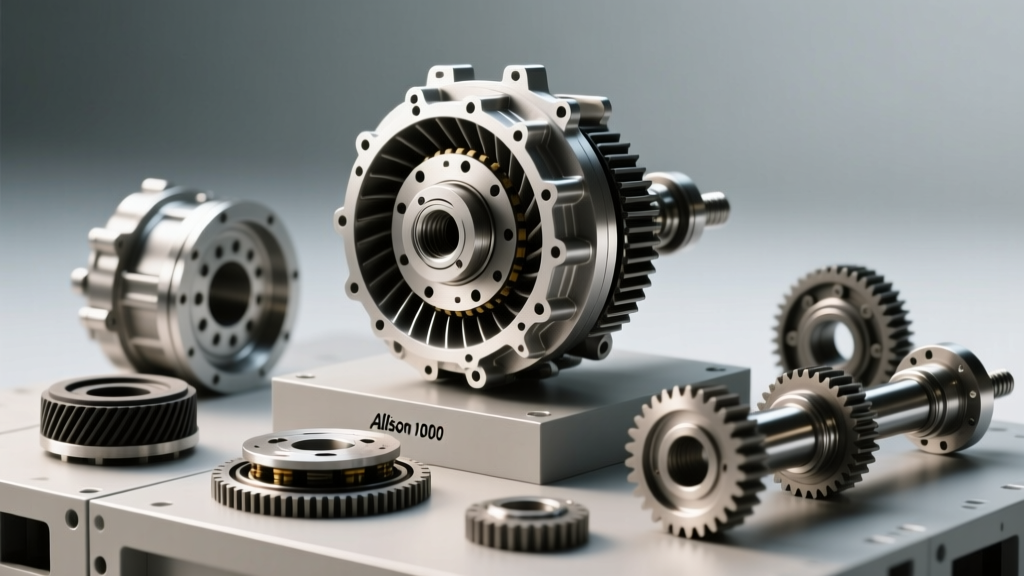
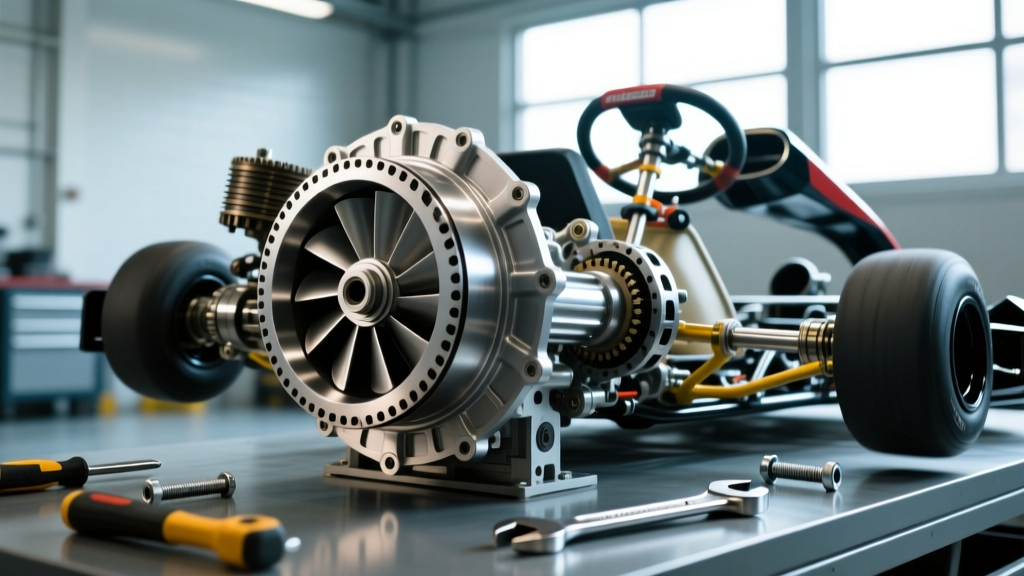
When building a high-horsepower street machine, a dedicated drag car, or a heavy-duty towing rig, the torque converter is arguably the most critical drivetrain component you will select. It dictates how engine torque is multiplied and transferred to the transmission input shaft. However, when evaluating the performance torque converter price to replace, enthusiasts and professional builders must look far beyond the initial sticker price of the unit. The true cost of ownership encompasses the hardware itself, specialized transmission fluid, potential cooling system upgrades, and the labor-intensive R&R (remove and replace) process.
In the current 2026 aftermarket landscape, a standard OEM replacement torque converter might cost between $250 and $450. But stepping into the performance realm—where billet steel covers, multi-disc torque converter clutches (TCC), and custom stator tuning are required—the financial investment scales significantly. Understanding these costs upfront prevents budget overruns and ensures you select a converter that matches your camshaft profile, rear gear ratio, and vehicle weight.
Cost Variables by Transmission Platform
Pricing fluctuates wildly based on the transmission architecture. Older 4-speed overdrive units are generally less expensive to upgrade than modern 6-speed, 8-speed, or 10-speed platforms, which require complex lockup mechanisms and tighter clearances. Below is a breakdown of current market pricing for popular performance applications.
| Transmission Platform | Performance Brand / Series | Stall / Feature | Estimated Hardware Cost |
|---|---|---|---|
| GM 4L60E / 4L65E | Circle D Specialties 3200 Series | 3200-3400 RPM / Single Disc TCC | $450 - $650 |
| GM 6L80 / 6L90 | Vigilante / Circle D Billet | 2800-3600 RPM / Billet Cover | $1,100 - $1,800 |
| Ford 4R70W / AOD | TCI Saturday Night Special | 2400-2800 RPM / Heavy Duty Fins | $350 - $550 |
| ZF 8HP70 / 8HP90 | RevMax / SunCoast Billet Multi-Disc | Custom Stall / Triple Disc Lockup | $2,200 - $3,500+ |
Note: Labor to drop a transmission and replace a torque converter typically ranges from 6 to 10 hours. At an average shop rate of $150/hour, expect to add $900 to $1,500 in labor costs to the hardware prices listed above.
Stall Speed and Flash Stall: The Core of Performance Tuning
The most common mistake builders make when researching the torque converter price to replace is misunderstanding stall speed ratings. Marketing materials often list a specific RPM (e.g., "3500 RPM Stall"), but this is not the RPM at which the vehicle begins to move. Instead, performance builders focus on Flash Stall.
Flash stall is the maximum RPM the engine will achieve when the throttle is pinned to the floor from a dead stop, right as the vehicle begins to accelerate. Matching this flash stall to your engine's powerband is critical. According to drivetrain tuning experts at Circle D Specialties, the ideal flash stall should occur 500 to 800 RPM below the engine's peak torque RPM. This ensures that when the converter "flashes" and the car launches, the engine is instantly thrust into its sweet spot for maximum acceleration.
Matching Stall to Camshaft and Powerband
- Mild Street Cams (210-220 duration): Require a 2000-2400 RPM stall. Maintains drivability and low-speed manifold vacuum.
- Aggressive Street/Strip Cams (224-232 duration): Demand a 2800-3400 RPM stall to overcome the loss of low-end cylinder pressure and vacuum.
- Drag Race Solid Roller Cams (240+ duration): Require 4000-5500+ RPM stall converters, often utilizing non-lockup, brakeless trans-brake compatible designs.
Torque Converter Clutch (TCC) Upgrades for High Horsepower
In modern street/strip builds, retaining the Torque Converter Clutch (TCC) lockup is mandatory for highway drivability and preventing catastrophic transmission fluid overheating. However, factory single-disc paper or carbon friction clutches will slip and burn up when subjected to the torque loads of modified engines producing over 500 lb-ft.
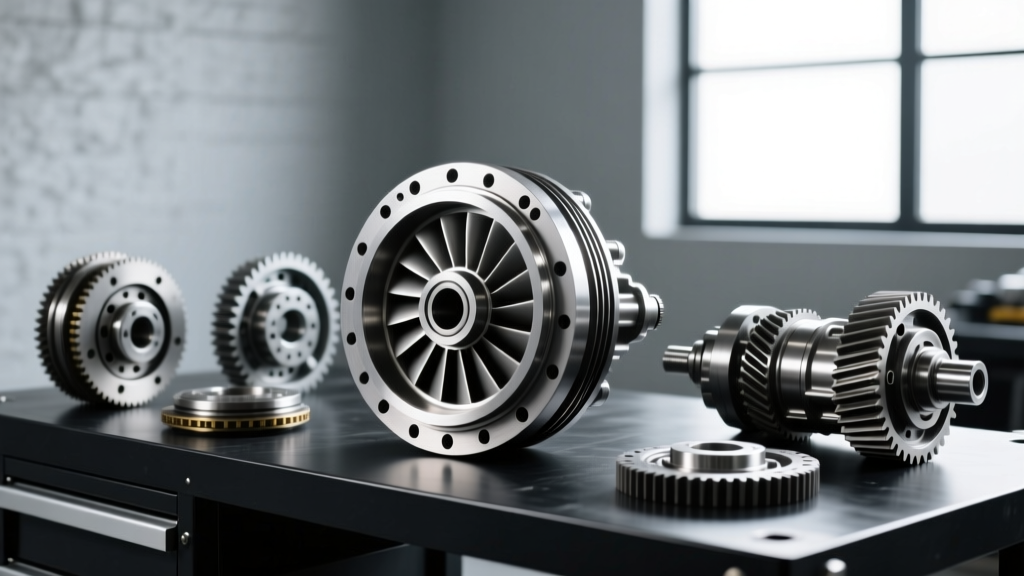
When the performance torque converter price to replace climbs into the $1,200+ range, you are typically paying for a Billet Steel Cover and a Multi-Disc Lockup. A billet cover prevents the converter from ballooning (expanding outward) under high line pressure, which can destroy the transmission's thrust bearing and cause crank walk. Furthermore, upgrading to a dual-disc or triple-disc TCC utilizing sintered iron or Kevlar friction materials distributes the clamping force across a wider surface area. This allows the converter to achieve a 100% mechanical lockup at highway speeds, eliminating slip and dropping fluid temperatures by up to 40°F compared to slipping single-disc units.
Installation Torque Specs and Fluid Capacities
A high-dollar performance converter will fail prematurely if installed incorrectly. The mating surfaces and fasteners must be prepped and torqued to exact factory and aftermarket specifications. Below are the critical installation parameters for popular GM applications:
GM LS / LT V8 Installation Specifications
- Pre-Fill: Always pour 1.5 to 2.0 quarts of transmission fluid (e.g., Dexron VI or Amsoil Signature Series) directly into the converter hub before sliding the transmission onto the engine block. Running a performance converter dry for even a few seconds will glaze the internal stator clutches.
- Flexplate to Crankshaft: M12 bolts must be torqued to 74 lb-ft using a high-strength threadlocker (e.g., Loctite 262).
- Converter to Flexplate: M10x1.5 bolts require 46 lb-ft. If using 3/8-inch hardware, torque to 35 lb-ft. Ensure the bolts pull the converter flush to the flexplate without pre-loading the transmission pump gear.
- Endplay Clearance: There must be between 0.010" and 0.030" of clearance between the converter mounting pad and the flexplate. If the converter is bolted up tight with zero clearance, the transmission oil pump will be crushed upon startup, leading to immediate catastrophic failure.
Diagnosing Performance Converter Failure Symptoms
Even the most expensive billet torque converters can fail if subjected to improper tuning, inadequate cooling, or extreme power spikes. Because the tc-symptoms of a failing performance converter mimic internal transmission wear, accurate diagnosis is vital before tearing down the gearbox. Look for these specific failure indicators:
1. Converter Ballooning and Thrust Bearing Noise
If you hear a low-pitch grinding or whining noise from the rear of the engine block that changes with RPM, your torque converter may be ballooning. Under extreme line pressure and RPM, the stamped steel cover expands outward, pushing against the engine's crankshaft thrust bearing. This symptom requires immediate replacement with a billet-covered unit to prevent the engine block from being destroyed by crank walk.
2. High-RPM Fin Deformation (The "Fold-Over" Effect)
If your vehicle launches violently but suddenly loses acceleration and RPMs drop erratically at the top of first or second gear, the internal turbine or impeller fins have likely folded over. As detailed in TCI Auto's technical archives, this occurs when the fluid shear forces exceed the structural integrity of the stator fins. The only cure is upgrading to a converter with furnace-brazed fins, which are welded at the base to prevent bending under loads exceeding 700 horsepower.
3. Severe TCC Shudder Under Load
A rhythmic vibration or shudder occurring specifically when the TCC commands lockup in 4th, 5th, or 6th gear indicates friction material degradation. In performance applications, this is often caused by tuning errors where the ECU applies the lockup clutch too aggressively (ramp rate is too steep) before the engine has produced sufficient vacuum and torque to sustain the lock. Replacing the converter and reflashing the TCM (Transmission Control Module) lockup tables is mandatory.
4. Chronic Overheating (Fluid Temps > 230°F)
Performance converters with high stall speeds generate immense parasitic heat due to fluid shearing inside the stator. If your transmission fluid temperatures routinely exceed 220°F-230°F during normal street driving, your converter stall is too high for your gearing, or your auxiliary cooler is undersized. Consistent operation at these temperatures will rapidly degrade synthetic fluid, leading to varnished valve bodies and burnt clutch packs inside the transmission.
Final Verdict: Is the Upgrade Worth the Investment?
When calculating the final performance torque converter price to replace, builders must view the purchase as an integrated system upgrade. Spending $1,500 on a custom-stalled, billet multi-disc converter is a waste of money if you pair it with a stock transmission cooler and factory tuning. To maximize your investment, ensure you upgrade to a high-capacity fin-and-tube or stacked-plate transmission cooler, utilize a dedicated transmission temperature gauge, and invest in professional dyno-tuning to optimize the TCC apply maps. When executed correctly, a matched performance torque converter will completely transform the vehicle's launch characteristics, ET (elapsed time) consistency, and overall drivetrain longevity. For further reading on drivetrain component matching, consult the technical resources available at Summit Racing's Tech Help center.