The Drivetrain Chain: How the Transfer Case Feeds the Differential
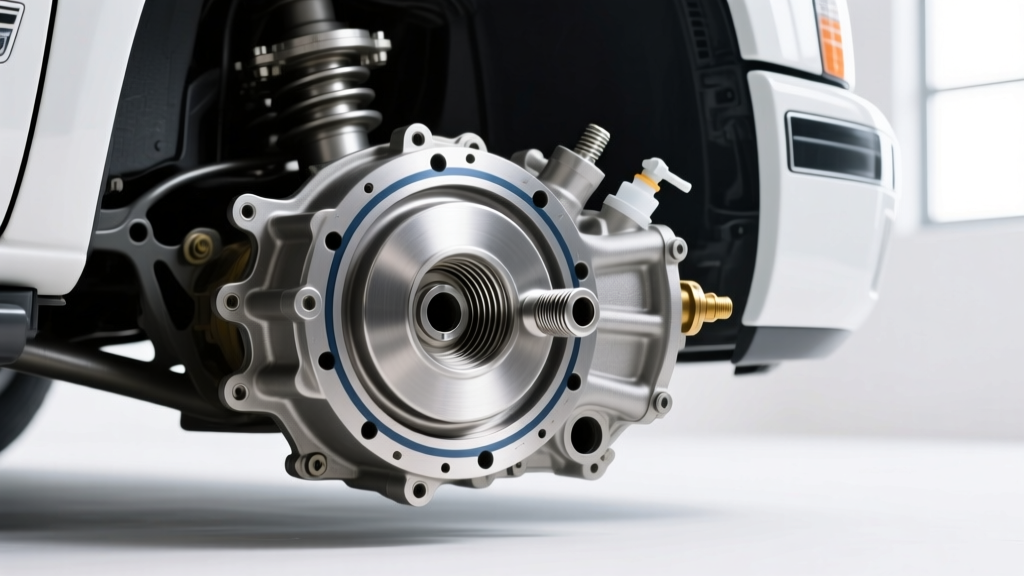
For beginners exploring 4WD and AWD systems, the drivetrain can seem like a complex web of heavy metal components. However, the relationship between the transfer case and the differential is a straightforward, mechanical symbiosis. The transfer case (such as the NV241OR found in Jeep Wranglers or the BorgWarner 4494 in Ford F-150s) acts as the ultimate torque distributor. It receives rotational power directly from the transmission's output shaft and splits it to the front and rear driveshafts.
The rear driveshaft then bridges the gap to the rear axle assembly, mating directly to the differential's pinion flange via a U-joint or CV joint. When you press the accelerator, the transfer case's internal chain or gear set multiplies and routes torque into the differential, where the ring and pinion gears make the final 90-degree directional change to spin the axle shafts and wheels. If the transfer case experiences chain stretch, bearing wear, or viscous coupler failure, the resulting shockloads and harmonic vibrations are transmitted directly into the differential's gear set, accelerating wear on the ring and pinion teeth.
Why Transfer Case and Differential Maintenance Are Inseparable
Because these components operate in a continuous mechanical loop, their maintenance intervals must be synchronized. While they typically require entirely different lubricants—the transfer case might need an ATF like Dexron VI or a specialized fluid like GM's Auto-Trak II, while the differential demands a high-pressure 75W-90 GL-5 synthetic gear oil—their physical proximity and shared seals make them codependent.
A common failure mode in high-mileage trucks is a leaking transfer case output shaft seal. When this seal fails, transmission fluid or ATF leaks onto the driveshaft. Due to centrifugal force, this fluid travels down the shaft and pools directly against the differential's pinion seal. Over time, the ATF degrades the rubber pinion seal, allowing water and debris into the differential while gear oil escapes. This cross-contamination is why drivetrain experts always recommend inspecting both the transfer case and the differential during the same 30,000 to 50,000-mile service interval.
Dropping the Diff Cover: The Physics of a Perfect Seal
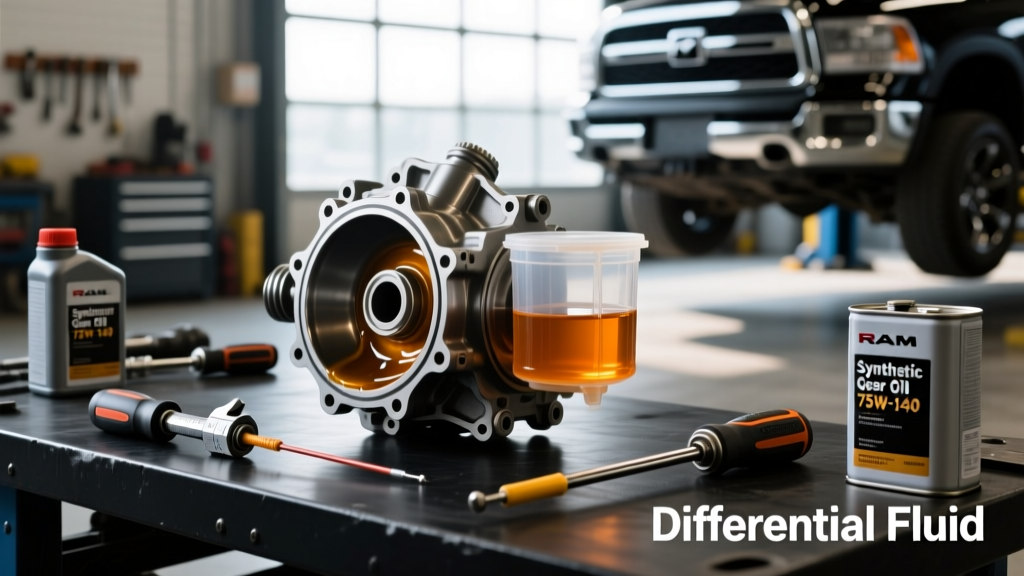
When servicing the differential fluid, you must remove the differential cover. Unlike the transfer case, which is typically a sealed, machined-aluminum housing utilizing paper or silicone-coated metal gaskets, most differentials (like the iconic GM 8.6-inch 10-bolt or the Ford 8.8-inch) use stamped steel or cast aluminum covers that mate to the axle housing.
Stamped steel covers are inherently prone to microscopic warping from previous overtightening. Traditional pre-cut cork or rubber gaskets often fail here because they cannot fill the micro-pores of cast iron or bridge the gaps in warped steel. Furthermore, rubber gaskets are prone to splitting when exposed to the extreme heat cycles and aggressive chemical additives found in modern GL-5 gear oils. This brings us to the critical decision of selecting the right chemical sealant.
Choosing the Best Gasket Maker for Differential Cover Applications
Finding the best gasket maker for differential cover sealing requires a product that can withstand continuous submersion in sulfur-rich gear oil, endure temperatures exceeding 250°F, and resist the mechanical shearing forces of the ring gear spinning just millimeters away. Room Temperature Vulcanizing (RTV) silicones and advanced anaerobic flange sealants are the industry standards.
Below is a comparison of the top-tier sealants trusted by drivetrain rebuilds in 2026:
| Product Name | Part Number | Chemistry / Type | Cure Time (Service) | Best Application |
|---|---|---|---|---|
| Permatex Ultra Black | #81182 | Acetoxy Silicone RTV | 24 Hours | Stamped steel covers, high-vibration environments |
| Permatex The Right Stuff | #29208 | Elastomeric Rubber | 90 Minutes | Shop environments requiring immediate fluid fill |
| Toyota Genuine FIPG | #00295-00103 | OEM Silicone | 24 Hours | Cast aluminum covers (Tacoma, 4Runner, Lexus) |
| Loctite 518 | #22061 | Anaerobic Flange Sealant | 4 Hours | Machined, rigid aluminum housings (no stamped steel) |
For the vast majority of stamped steel differential covers found on domestic V8 trucks and SUVs, Permatex Ultra Black remains the undisputed champion. Its high oil-resistance formulation prevents the gear oil from causing the silicone to swell and extrude out of the flange over time.
Step-by-Step: Sealing the Differential Cover Like a Pro
Even the best gasket maker for differential cover applications will fail if the prep work is sloppy. Follow this exact protocol to guarantee a leak-free seal:
1. Surface Preparation is Non-Negotiable
Remove the old cover and scrape away all remnants of the previous RTV using a plastic gasket scraper. Never use a metal razor blade on an aluminum axle housing, as gouges will create permanent leak paths. Spray both the axle housing mating surface and the differential cover with non-chlorinated brake cleaner. Wipe with a lint-free shop towel until no black residue transfers to the cloth.
2. The RTV Bead Technique
Apply a continuous, 2mm to 3mm bead of RTV to the differential cover. You must encircle every bolt hole completely; otherwise, gear oil will wick down the bolt threads and leak onto your driveway. Allow the RTV to 'skin over' for exactly 10 minutes before mating it to the housing. This prevents the silicone from squishing entirely out of the joint when the bolts are tightened.
3. Torque Specifications and Sequences
Overtorquing differential cover bolts is the most common beginner mistake. It warps the stamped steel cover, creating a void that no RTV can fill. Always use a calibrated 1/4-inch drive torque wrench. Reference the specifications below for common axles:
- GM 8.5" / 8.6" (10-Bolt): 22 lb-ft
- Ford 8.8" (Super 8.8 / Standard): 28 to 38 lb-ft
- Dana 44 / Spicer 44: 30 to 35 lb-ft
- Chrysler 8.75" (Sure-Grip): 30 lb-ft
Tighten the bolts in a crisscross, star-pattern sequence. Start by threading all bolts by hand, then snug them to 10 lb-ft, and finally bring them up to the final torque spec in two separate passes.
Pro-Tip from the Bench: Never apply RTV to both the cover and the housing. Apply it to one surface only. If you apply it to both, the hydraulic pressure of tightening the bolts will force the silicone into the differential cavity, where chunks can break off and clog the gear oil pickup or score the carrier bearings.
Common Mistakes That Lead to Drivetrain Failure
Beyond overtightening, using the wrong chemistry is a frequent error. For instance, using an anaerobic sealant like Loctite 518 on a flexible stamped steel cover will result in immediate leaks. Anaerobic sealants require rigid, machined metal surfaces and the absence of air to cure properly; the microscopic flex of a stamped steel diff cover under load will shatter the cured anaerobic plastic, leading to catastrophic gear oil loss.
Furthermore, failing to let the RTV cure before filling the differential with 75W-90 gear oil will allow the fluid's detergents to dissolve the uncured silicone. Always wait the manufacturer's specified cure time—usually 12 to 24 hours for standard silicones—before adding fluid. By understanding the vital transfer case and differential relationship, and executing a flawless differential cover seal, you ensure your 4WD system remains quiet, cool, and mechanically sound for hundreds of thousands of miles.