The "Lifetime" Fallacy: Should You Never Change Differential Fluid?
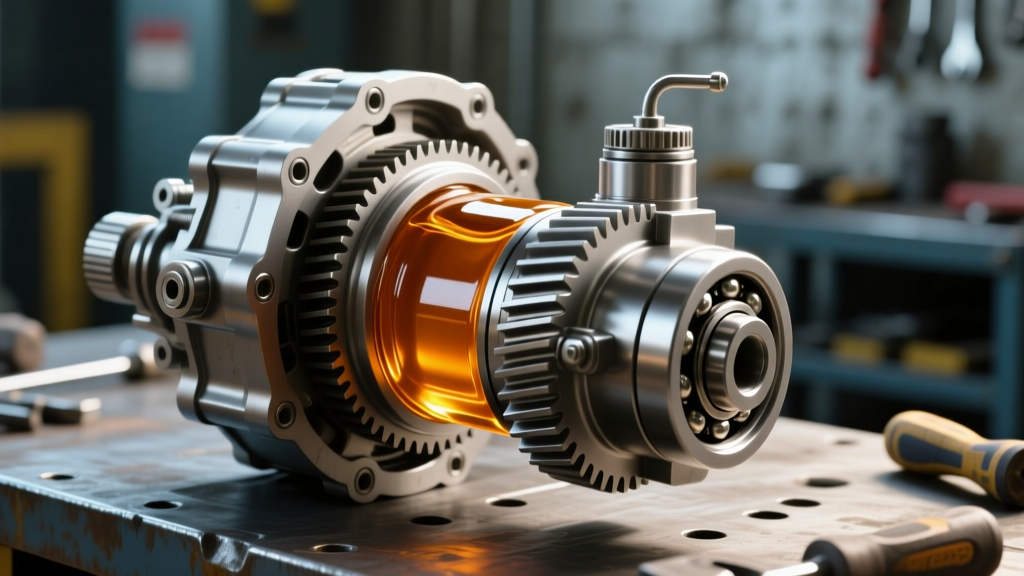
Walk into a modern dealership service center, and you will likely hear a service advisor claim that you should never change differential fluid if your owner’s manual lists it as a "lifetime" fill. However, in the automotive engineering world, "lifetime" rarely means the life of the vehicle; it typically refers to the duration of the powertrain warranty, usually around 100,000 miles. Beyond that mileage, gear oil experiences severe shear degradation, thermal breakdown, and moisture contamination. When comparing open differentials to limited-slip differentials (LSDs), the consequences of ignoring fluid maintenance range from premature gear wear to catastrophic clutch-pack failure. This buyer's guide and comparison breaks down the mechanical realities, fluid chemistry, and true maintenance costs of both differential architectures.
Open Differentials: Architecture and Fluid Tolerance
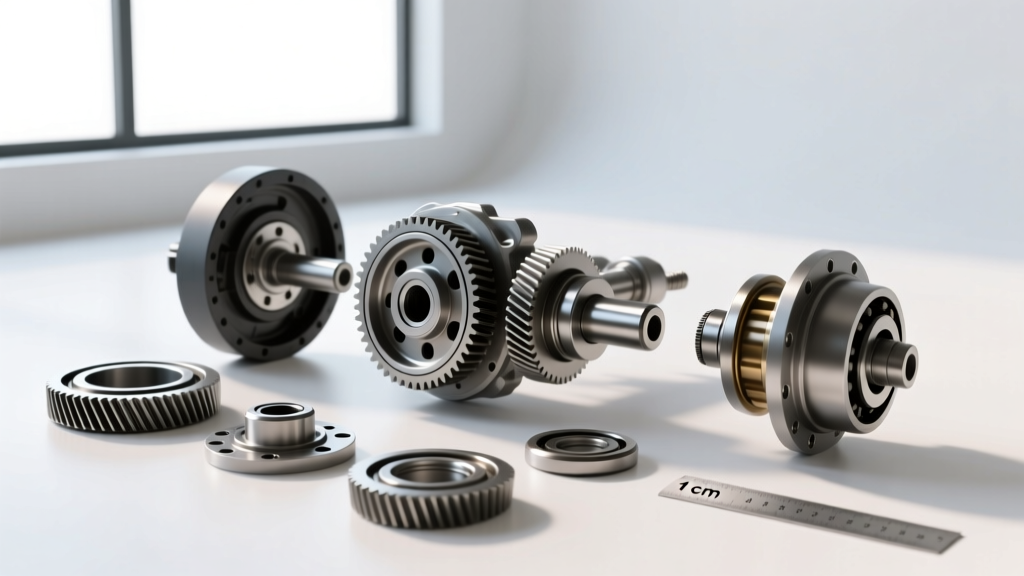
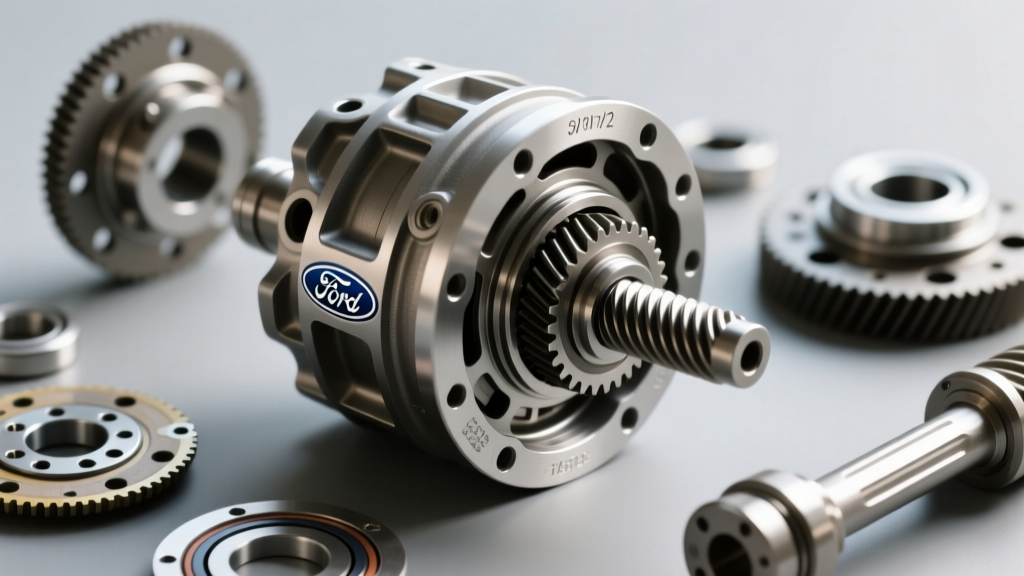
The open differential is the most common axle configuration in passenger vehicles and light-duty trucks. Its primary function is to allow the outer wheel to spin faster than the inner wheel during cornering. Mechanically, it relies on a simple spider gear and side gear arrangement housed within a carrier. Because there are no friction clutches or complex synchronizers inside an open differential (such as the ubiquitous GM 8.5-inch 10-bolt or the Ford 8.8-inch), the gear oil is subjected primarily to rolling friction and shear forces rather than sliding friction.
Why Open Diffs Survive Neglect (But Shouldn't)
Because open differentials lack internal clutch packs, they are far more forgiving of degraded fluid. If an owner decides to never change differential fluid in an open rear axle, the vehicle will likely continue to drive without obvious symptoms like chatter or binding. However, the API GL-5 extreme pressure (EP) additives—specifically the sulfur-phosphorus compounds that protect the hypoid gear mesh—deplete over time. Once depleted, the ring and pinion gears are vulnerable to micropitting and spalling, especially under heavy towing or high-temperature track conditions.
Limited-Slip Differentials (LSD): Clutch Packs and Chemical Demands
Limited-slip differentials are designed to transfer torque to the wheel with the most traction. They achieve this through one of two primary mechanisms: clutch-based systems or helical gear systems. The maintenance requirements for these two types differ drastically, making the "lifetime fluid" myth particularly dangerous for LSD owners.
Clutch-Based LSDs (Auburn, Ford Traction-Lok, Eaton Posi)
Clutch-type LSDs utilize a series of alternating friction and steel clutch packs positioned behind the side gears. When wheel slip occurs, axial force ramps the clutch packs together to lock the axles. These clutches require a specific chemical environment to operate smoothly. Standard GL-5 gear oil lacks the necessary friction modifiers, which is why manufacturers mandate the addition of a modifier (such as GM P/N 1052358 or Ford P/N XL-3). If you adhere to the myth and never change differential fluid in a clutch-type LSD, the friction modifiers will break down. The result is aggressive clutch chatter during low-speed turns, glazing of the friction material, and eventual total loss of limited-slip functionality.
Helical Gear LSDs (Eaton Detroit Truetrac)
Helical LSDs, like the legendary Eaton Detroit Truetrac, operate using a complex network of helical-cut planetary gears rather than friction clutches. Torque biasing is achieved through gear mesh binding forces. Because there are no clutches to glaze or chatter, helical LSDs do not require friction modifiers. However, the intense sliding friction of the helical gears demands high-quality synthetic 75W-90 GL-5 fluid to prevent rapid gear wear. While they share maintenance similarities with open diffs, the replacement cost of a helical carrier makes proactive fluid changes a financial necessity.
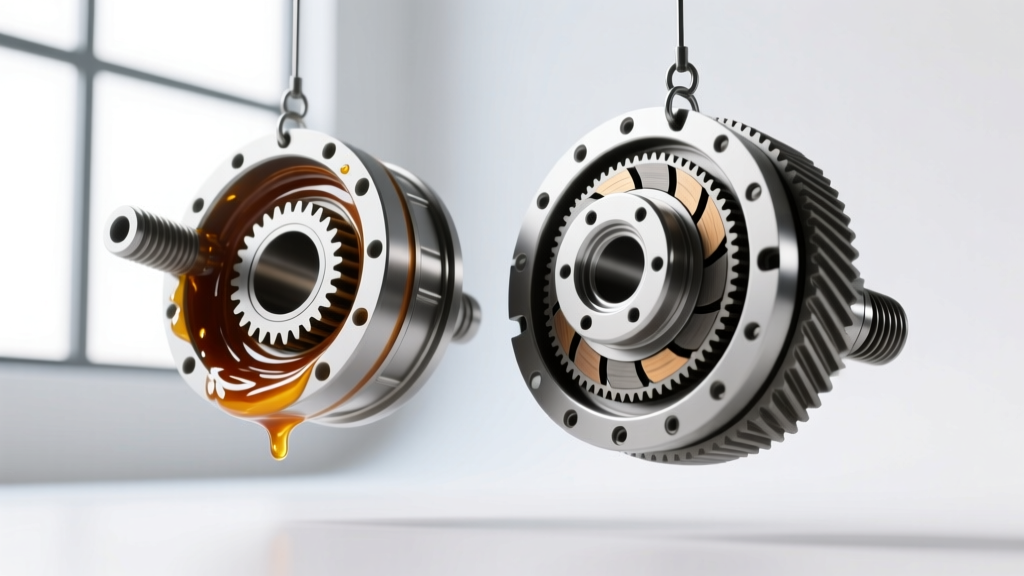
Head-to-Head: Open vs. Limited Slip Differential Comparison
| Feature | Open Differential | Clutch-Type LSD | Helical LSD (Truetrac) |
|---|---|---|---|
| Primary Use Case | Highway commuting, light loads | Drag racing, off-road, towing | Performance street, track, snow |
| Internal Mechanism | Spider and side gears | Friction and steel clutch packs | Helical planetary gear mesh |
| Friction Modifier Needed? | No | Yes (Mandatory) | No |
| Fluid Change Interval | Every 60k - 100k miles | Every 30k - 50k miles | Every 50k - 80k miles |
| Consequence of Neglect | Ring/pinion micropitting | Clutch chatter, glazing, failure | Helical gear spalling, carrier seizure |
| Avg. Carrier Upgrade Cost | N/A (Stock) | $400 - $600 | $650 - $850 |
Gear Oil Chemistry: GL-5 Additives and Shear Stability
To understand why the "lifetime" fluid concept is flawed, one must understand gear oil chemistry. Hypoid gears (used in almost all live axles) feature a sliding, wiping action between the ring and pinion teeth. This generates immense localized heat and pressure. API GL-5 fluids contain sulfur-phosphorus EP additives that react with the metal surface under high heat to form a sacrificial sacrificial solid-film layer, preventing metal-to-metal contact.
Over time, these additives are consumed. Furthermore, the viscosity index improvers (VIIs) that allow a 75W-90 oil to maintain its 90-weight thickness at high temperatures suffer from mechanical shear. After 50,000 miles of use, a 75W-90 fluid may physically shear down to a 75W-80 or lower, compromising the hydrodynamic wedge that separates the gears. According to technical data from Ring & Pinion's drivetrain archives, running degraded fluid in a high-torque application can lead to catastrophic tooth shear under heavy load.
Expert Break-In Tip: The most critical fluid change is the first one. During the initial 500 miles of a new ring and pinion or LSD installation, the gears shed microscopic metallic paste. If left in the housing, this paste acts as a lapping compound, accelerating wear and increasing operating temperatures. Always perform a break-in fluid drain at 500 miles.
Buyer’s Guide: Upgrading and Maintenance Budgeting
If you are purchasing a used truck or planning a drivetrain upgrade, factoring in differential maintenance costs is crucial. Upgrading from an open differential to a limited-slip unit is one of the most cost-effective traction modifications you can make.
- The Budget Traction Upgrade: Installing a clutch-type LSD (e.g., Auburn Gear Pro Series) costs roughly $450 for the unit, plus $150 for installation labor and fluid. However, you must budget for more frequent fluid changes and the recurring cost of friction modifiers.
- The Premium "Set-and-Forget" Upgrade: The Eaton Detroit Truetrac (Part #910A5315 for GM 8.5" axles) retails for approximately $725. While the upfront cost is higher, the lack of required friction modifiers and its gear-driven durability make it the preferred choice for daily-driven trucks and SUVs that see occasional snow or dirt.
- Fluid Selection: Avoid cheap, conventional mineral-based gear oils for LSDs. Invest in full synthetic options like Red Line 75W90 or Motul Gear 300. Synthetics offer superior shear stability and lower operating temperatures, which is vital for preserving clutch packs and gear faces.
Precision Service: Torque Specs, Capacities, and Part Numbers
When performing differential service, precision is just as important as fluid selection. Over-torquing cover bolts can warp the carrier bearing caps or crush the gasket, leading to leaks. Under-torquing fill plugs can result in fluid loss and total axle seizure. Below are the exact specifications for two of the most common live axles on the road.
Ford 8.8-Inch Axle (Common in F-150, Mustang, Ranger)
- Fluid Capacity: 1.8 to 2.0 Quarts (varies slightly by cover design)
- Recommended Fluid: 75W-140 Synthetic GL-5 (for towing/track) or 75W-90 (standard)
- Friction Modifier (if LSD): 4 oz of Ford XL-3 or equivalent
- Fill Plug Torque (3/8" Square Drive): 15 lb-ft (20 Nm)
- Cover Bolt Torque (if equipped with removable cover): 28 - 38 lb-ft
GM 8.5-Inch / 8.6-Inch 10-Bolt Axle (Common in Silverado, Tahoe, Camaro)
- Fluid Capacity: 2.0 Quarts
- Recommended Fluid: 75W-90 Synthetic GL-5 (ACDelco P/N 10-4016 or equivalent)
- Friction Modifier (if Eaton Gov-Lok/Posi): 2 oz of GM P/N 1052358
- Cover Bolt Torque: 25 lb-ft (34 Nm)
- Pinion Nut Torque (During rebuilds only): 150 - 250 lb-ft (Crush sleeve dependent)
Ultimately, the decision to maintain your axle should never be dictated by a misleading "lifetime" sticker on a differential cover. Whether you are running a basic open differential or a high-performance helical LSD, establishing a strict 50,000-mile fluid service interval using high-quality synthetic GL-5 gear oil is the single most effective way to protect your drivetrain investment and ensure decades of reliable traction.