The Critical Role of the Input Speed Sensor
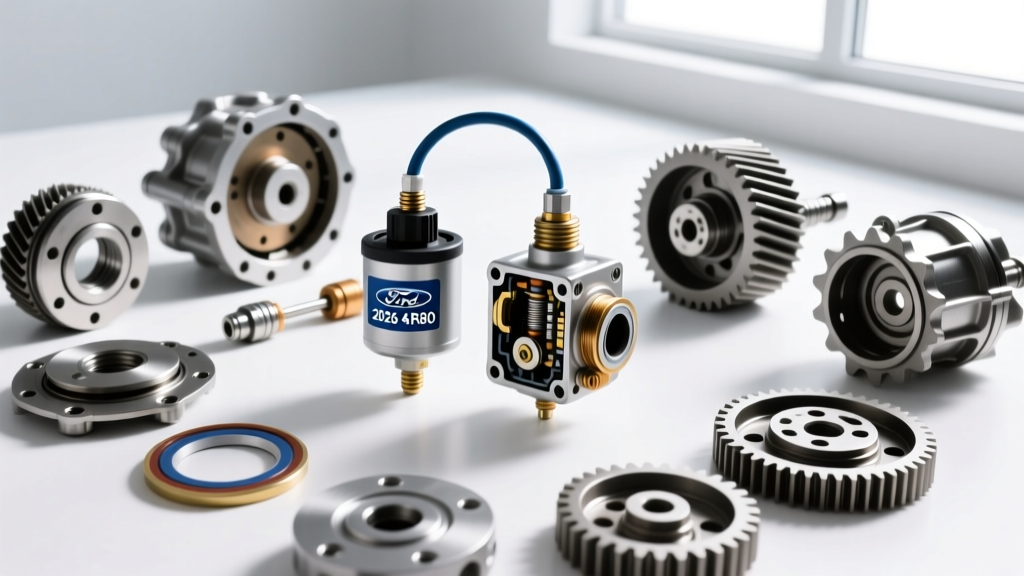
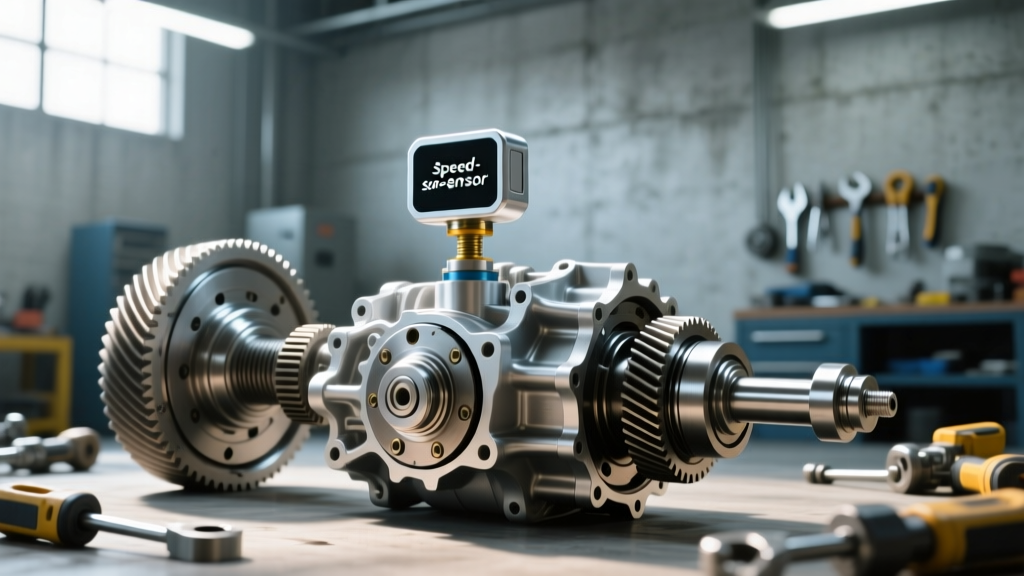
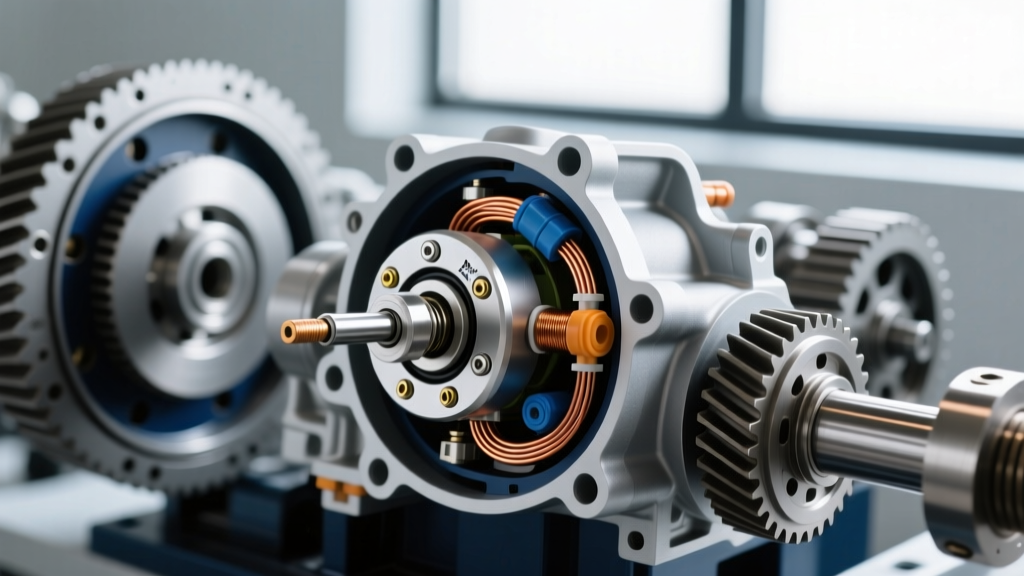
The modern automatic transmission relies on a symphony of electronic inputs to execute seamless gear changes. At the heart of this network is the Input Speed Sensor (ISS), a magnetic or Hall-effect device that monitors the rotational speed of the transmission's input shaft or turbine. When this component degrades, the Transmission Control Module (TCM) loses its primary reference for clutch slip and shift timing. If you are researching how to safely and effectively replace transmission sensor components, specifically the ISS, this 2026 buyer's guide and comparison matrix will steer you toward the right parts, exact torque specifications, and application-specific nuances.
Diagnostic Triggers: When to Replace Transmission Sensor Units
Before purchasing a replacement, it is vital to confirm the ISS is the actual culprit. The TCM continuously performs a rationality check, comparing the ISS reading against the Output Speed Sensor (OSS) and engine RPM. If the data diverges beyond the acceptable threshold, the TCM will trigger a Diagnostic Trouble Code (DTC) and often initiate a fail-safe 'limp mode' to protect the clutches from severe slip-induced heat damage.
- P0715: Input/Turbine Speed Sensor Circuit Malfunction. This indicates a complete loss of signal, often caused by an open circuit, severed wiring harness, or internal Hall-effect chip failure.
- P0716: Input Speed Sensor Circuit Range/Performance. This points to an erratic signal, frequently caused by metallic debris accumulating on the magnetic pickup, or a failing sensor bearing.
- P0717: Input Speed Sensor Circuit No Signal. Common in high-mileage units where the sensor air gap has widened due to internal shaft wear.
For a comprehensive breakdown of these codes and their freeze-frame data requirements, consult the OBD-Codes P0715 Reference Guide.
OEM vs. Aftermarket: The Buyer’s Comparison Matrix
When it is time to replace the faulty component, the market offers a spectrum of choices. While the temptation to save money on economy parts is high, transmission electronics are highly sensitive to voltage fluctuations and thermal expansion. Below is a 2026 market comparison to help you choose the right tier for your repair.
| Brand Category | Typical Price Range | Warranty | Best Application |
|---|---|---|---|
| OEM (ACDelco, Motorcraft, ZF) | $85 - $240 | 12-24 Months | Daily drivers, late-model vehicles, warranty retention |
| Premium Aftermarket (Standard, WVE) | $45 - $110 | Limited Lifetime | High-mileage fleet, budget-conscious OEM replacements |
| Economy Aftermarket (Dorman, SMP T-Series) | $18 - $35 | 90 Days - 1 Year | Pre-sale prep, older beater vehicles, temporary fixes |
Our expert recommendation is to always default to OEM or Premium Aftermarket (like WVE by NTK) for internal transmission sensors. Economy sensors often suffer from poor potting compounds that allow Automatic Transmission Fluid (ATF) to seep into the electronic cavity within 10,000 miles, leading to a repeat failure that requires dropping the transmission pan all over again.
Application-Specific Buyer Insights & Part Numbers
The physical design and replacement procedure for an ISS vary wildly depending on the transmission family. Here is what you need to know for the most common platforms on the road today.
GM 6L80 / 6L90 (TEHCM Integration)
On General Motors' ubiquitous 6-speed rear-wheel-drive units, the ISS and OSS are not standalone sensors. They are integrated directly into the Transmission Electronic Hydraulic Control Module (TEHCM) printed circuit board. To replace the sensor, you are technically replacing the TEHCM sensor harness or the entire TEHCM unit.
- OEM Part Number: ACDelco 213-3844 (Sensor Harness) or full TEHCM assembly.
- Expert Note: If replacing the TEHCM, it must be flashed with the vehicle's specific VIN and calibration data using a GM MDI2 or equivalent J2534 pass-through tool. You can source genuine GM electronics via the ACDelco Parts Catalog.
- Torque Spec: TEHCM-to-valve body bolts must be tightened to exactly 8 Nm (71 lb-in) in a crisscross pattern to prevent warping the plastic housing.
Ford 6R80 / 6R140
Ford's ZF-derived 6-speed automatics utilize a standalone ISS that plugs directly into the mechatronic valve body. This makes replacement significantly easier and cheaper than the GM setup.
- OEM Part Number: Motorcraft SW-6368.
- Installation Tip: The sensor is held by a single T20 Torx bolt. The O-ring must be heavily lubricated with the exact ATF used in the pan (Mercon LV or ULV) before insertion to prevent pinching.
- Torque Spec: 10 Nm (89 lb-in) for the retaining bolt.
ZF 8HP (Chrysler 8-Speed, BMW, Audi)
The legendary ZF 8HP transmission does not use traditional wire-wound speed sensors. Instead, the ISS and OSS are embedded as surface-mount components on the 'Mechatronic Sleeve' (conductor plate) that bridges the valve body to the main transmission case harness.
- OEM Part Number: ZF 0501 216 247 (Updated Mechatronic Sleeve).
- Expert Note: If you are browsing the RockAuto Catalog, you will notice this sleeve is relatively inexpensive ($60-$90). However, the plastic locking tabs on the sleeve are notorious for becoming brittle. Always buy the latest revision from ZF to ensure the locking collars do not snap during installation.
- Torque Spec: Sleeve retaining bolts are tightened to 4 Nm (35 lb-in) plus a 90-degree turn.
Real-World Cost Breakdown & Tool Requirements
Budgeting for an ISS replacement requires looking beyond the sticker price of the sensor itself. Because the ISS is almost always located inside the transmission case, you must account for fluid loss, filtration, and sealing materials.
- Sensor Cost: $45 - $240 (Depending on OEM vs. Aftermarket and integration level).
- Transmission Fluid: 5 to 9 quarts required to refill the pan and torque converter cooling lines. Expect to spend $60 - $130 on high-quality synthetic ATF (e.g., Valvoline MaxLife Multi-Vehicle or OEM branded fluid).
- Filter & Pan Gasket: $25 - $60. Never reuse a crushed cork or rubber pan gasket; opt for molded silicone or OE-style fiber gaskets.
- Specialty Tools: Digital inch-pound torque wrench (crucial for valve body and sensor bolts), O-ring pick set, and a fluid transfer pump if your vehicle lacks a traditional dipstick tube (common on ZF 8HP and GM 10-speed models).
Expert Installation Protocols
When you drop the pan to replace the ISS, contamination control is your primary enemy. A single piece of shop towel lint or a stray metal shaving introduced to the valve body can jam a shift solenoid within fifty miles. Follow these professional protocols:
- Magnetic Debris Inspection: Before removing the old sensor, inspect the transmission pan magnets. A fine, glitter-like metallic paste is normal clutch wear. However, if you find chunky ferrous metal or brass-colored shavings, the mechanical hard parts are failing, and a new sensor will not fix your underlying issue.
- Wiring Harness Integrity: The leading cause of 'new sensor' failure is actually a compromised wiring pigtail. ATF wicks up through the copper strands of a damaged harness via capillary action, eventually reaching the TCM connector and corroding the pins. Always inspect the last 6 inches of the wiring harness and apply dielectric grease to the connector cavity.
- Thermal Expansion Seating: Allow the new sensor and the transmission case to reach the same ambient room temperature before installation. Forcing a cold sensor into a warm aluminum bore can micro-fracture the sensor housing.
Final Verdict: Protecting Your Drivetrain Investment
Choosing to replace transmission sensor components with high-quality OEM or premium aftermarket units is an investment in the longevity of your entire drivetrain. The TCM relies entirely on the microsecond accuracy of the ISS to modulate line pressure and prevent clutch pack incineration. By matching the correct part number to your specific transmission family, adhering strictly to inch-pound torque specifications, and maintaining a surgically clean work environment, you can restore your vehicle's shift quality to factory-new condition and clear those persistent P07xx codes for good.